Foxglove
Digitalis purpurea
Foxgloves are deadly to cats per the ASPCA. Every part of the plant contains cardiac glycosides — the same compounds used in the heart medication digitalis — and a small amount can cause fatal arrhythmia.
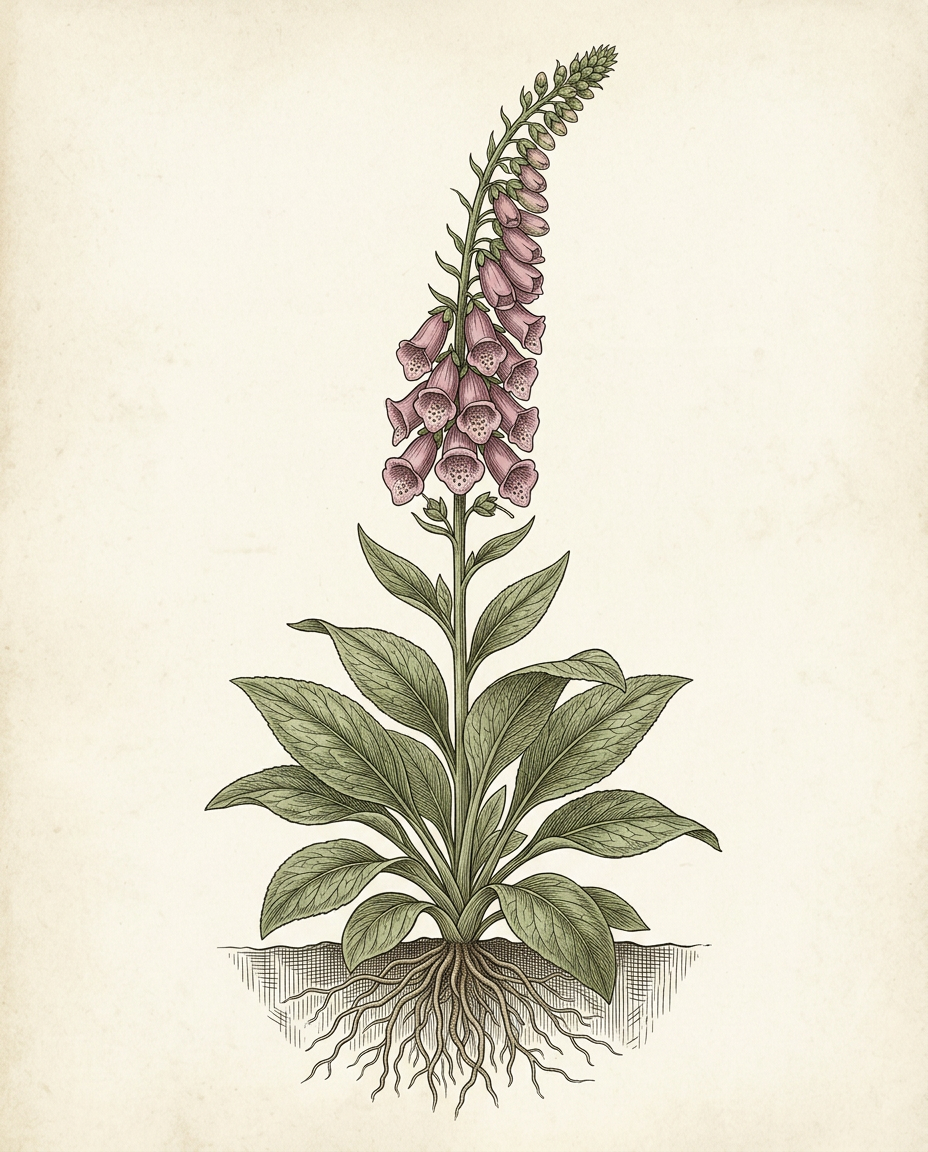

Plate IDigitalis purpurea — the source of the cardiac drug digitalis. Every leaf, flower, root and seed carries the same heart-stopping glycosides.
Three plants that look the part, without the risk.
Tall flowering spires without the cardiac glycosides — these three bring the same vertical bloom to a cat-safe garden or vase.

Rose
The classic cottage-garden cut flower. ASPCA non-toxic to cats (the thorns, of course, still bite).
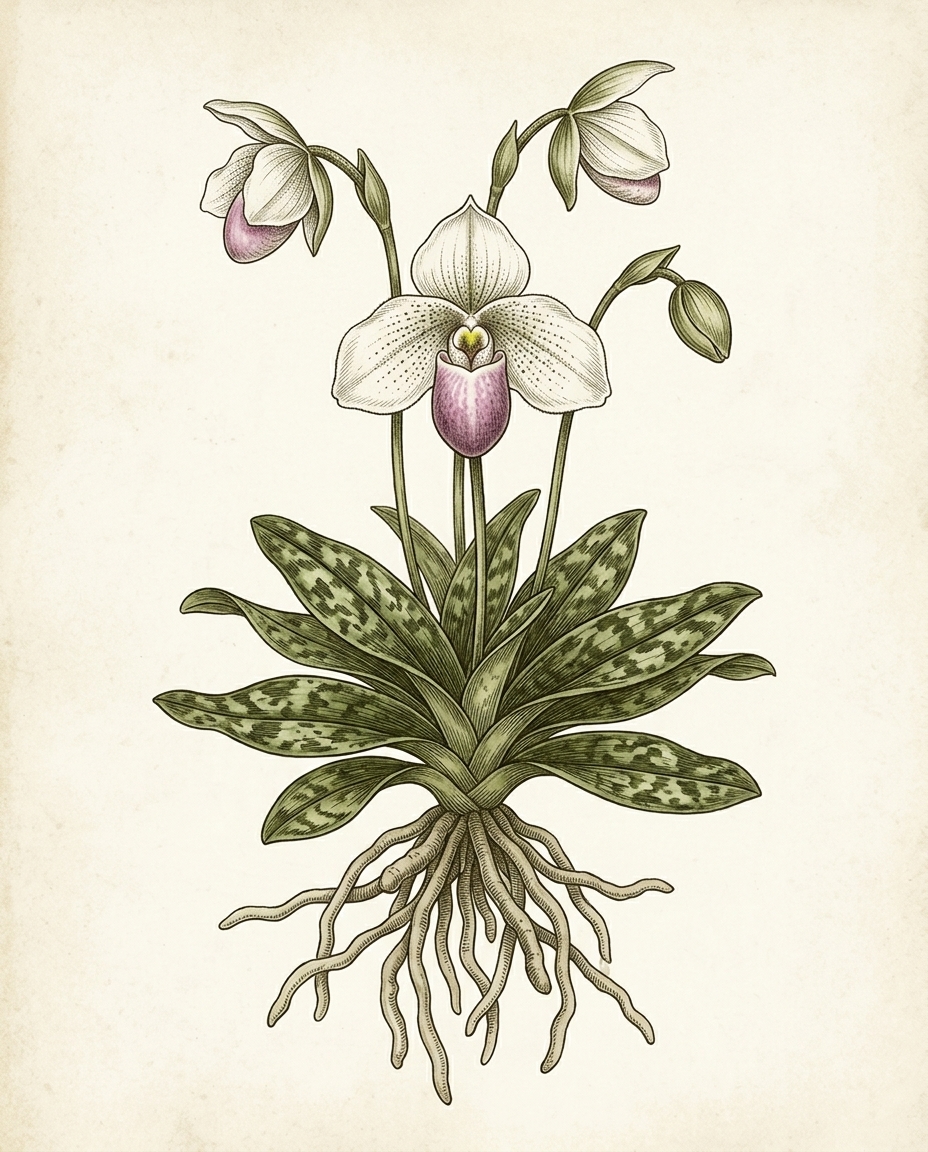
Orchid
Tall vertical bloom architecture without any of the cardiac glycosides. ASPCA non-toxic.
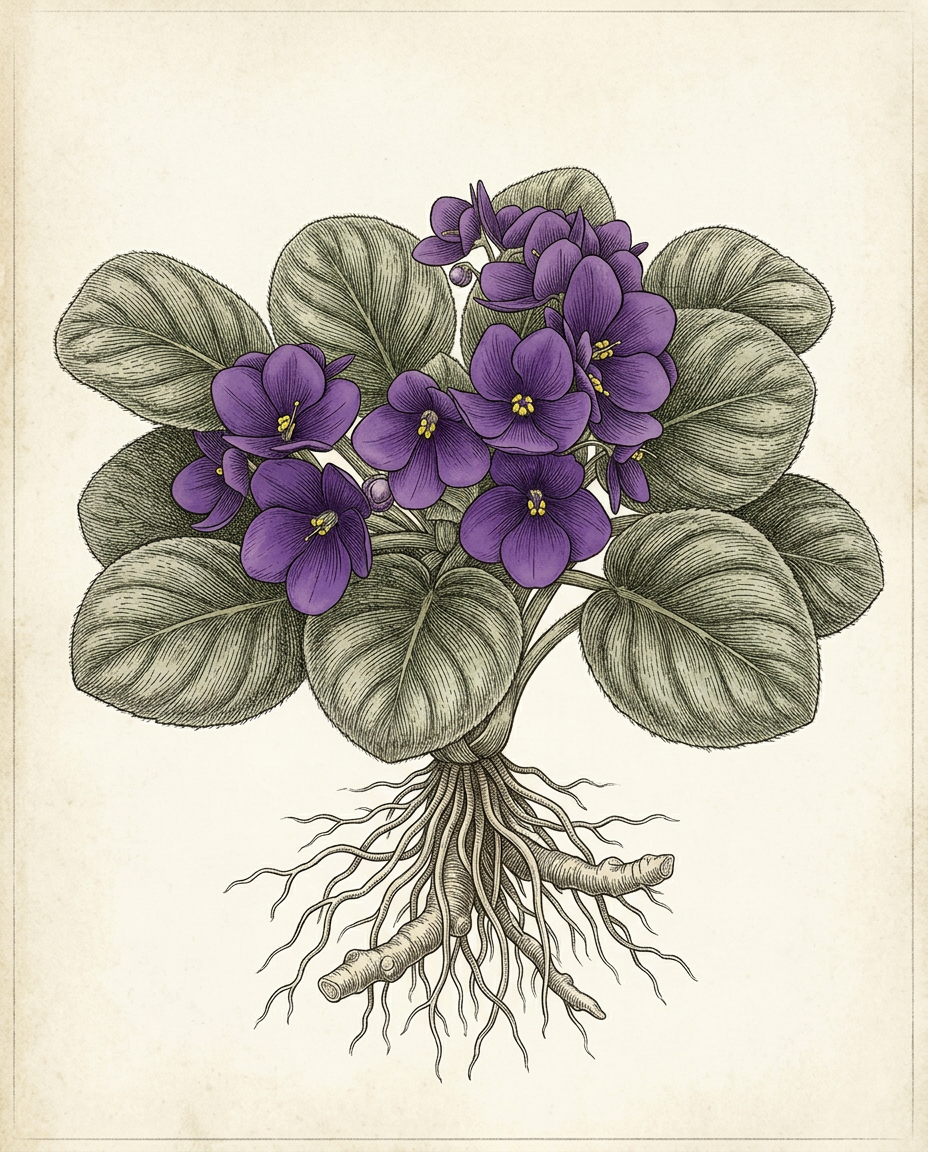
African Violet
Cottage-soft purple blooms for a vase or windowsill. ASPCA non-toxic.
What it does to a cat.
Yes — foxgloves are toxic to cats, and not in a mild way. The ASPCA lists Digitalis purpurea as toxic to cats, dogs, and horses. The toxic principles are cardiac glycosides — the same compounds, in the same plant, that gave the human pharmacopoeia its first heart drug. In therapeutic doses they slow a failing heart. In plant doses they stop a healthy one.
Foxglove poisoning in cats is a true emergency. Without rapid veterinary care, fatal arrhythmia is the usual end point.
Why the toxin is so dangerous
Cardiac glycosides interfere with the sodium-potassium pump in heart muscle cells. The effect at low dose is a stronger, slower heartbeat — useful in heart failure. At any higher dose, conduction through the AV node fails, the heartbeat becomes erratic, and cardiac output collapses. In a 4-kilogram cat, the margin between zero effect and lethal effect is small.
Every part of the foxglove plant contains glycosides: leaves, flowers, seeds, roots, even the water in a vase that has held cut stems. Drying does not destroy them. Cut flowers in dried arrangements remain dangerous.
What to do if your cat ate foxglove
Go to a vet immediately. Do not wait for symptoms — by the time the arrhythmia is visible, the window for clean recovery is closing. Bring a sample or photo of the plant. Standard treatment is IV fluids, atropine for the bradycardia, antiarrhythmic drugs, and in severe cases digoxin-binding Fab fragments. ASPCA Animal Poison Control is available 24/7 at (888) 426-4435.
Cat-safe substitutes
For cottage-garden cut flowers without the glycosides, roses and orchids are ASPCA non-toxic and well-suited to the same vase. African violets cover the soft cottage colour on a windowsill.
For the other deadly heart-toxic plant we cover, see our oleander page — different glycoside family, same fatal outcome.
What we have actually seen.
Vomiting and drooling
First sign within 30 minutes to two hours. Cardiac glycosides irritate the GI tract before they reach the heart.
Slow or irregular heartbeat
Cardiac glycosides slow conduction through the AV node — the same therapeutic action that makes digitalis a heart drug. In overdose it causes bradycardia, then arrhythmia.
Weakness, collapse, seizures
As cardiac output drops the cat becomes weak, then collapses. Seizures and sudden death are reported.
Death from arrhythmia
Without aggressive vet care — IV fluids, atropine, sometimes digoxin-binding antibodies — fatal cardiac arrhythmia is the usual end point.
- ASPCA Animal Poison Control Center. Toxic and Non-Toxic Plants: Foxglove.Accessed June 2026 · aspca.org · Toxic Principles cardiac glycosides
- Pet Poison Helpline. Foxglove (Digitalis purpurea) toxicity in cats.Clinical reference · 2024
- Merck Veterinary Manual. Cardiac glycoside toxicosis.Standard small-animal toxicology reference