Autumn
Crocus.
Colchicum autumnale
Autumn crocus is deadly to cats per the ASPCA. The colchicine alkaloid inside causes bloody vomiting, multi-organ damage, and bone marrow suppression. It is not the same plant as spring crocus, and the two are easy to confuse.
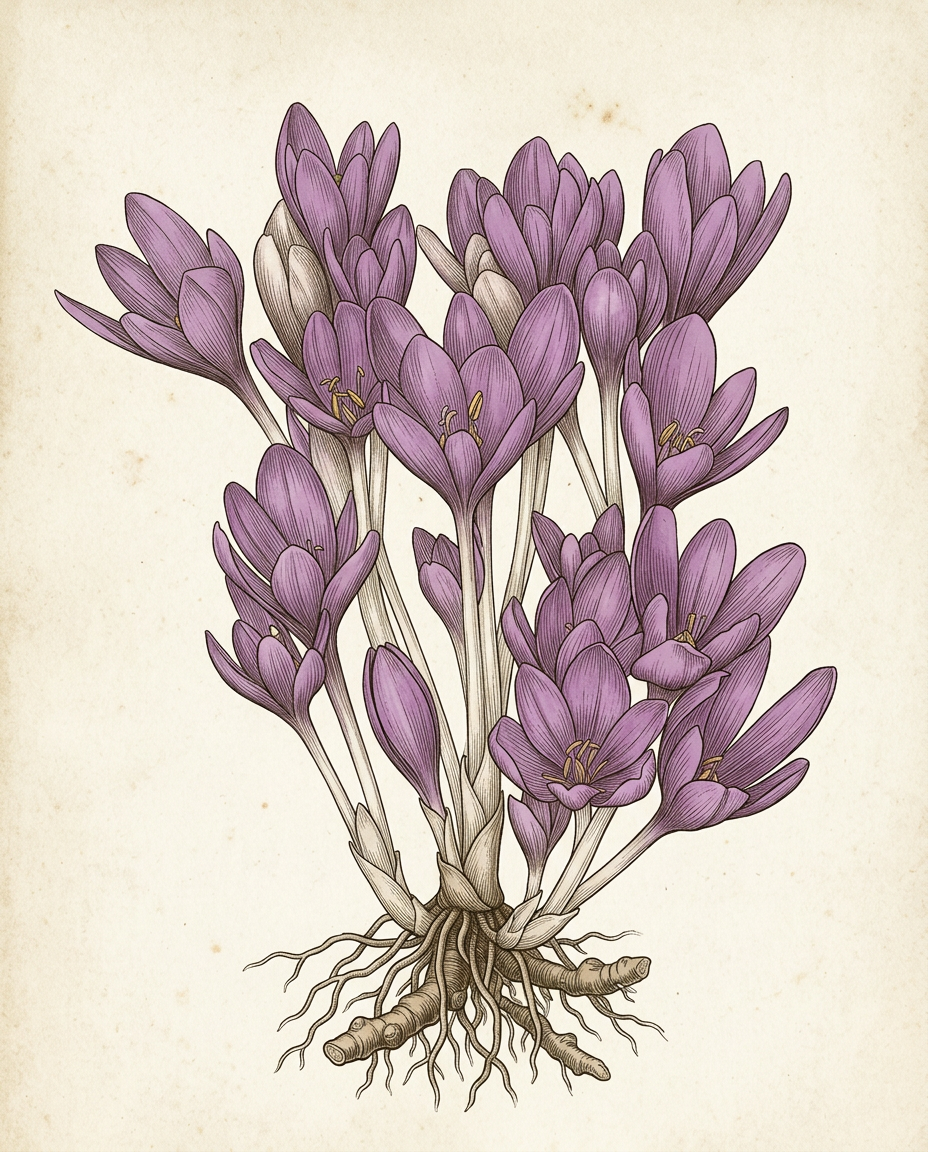
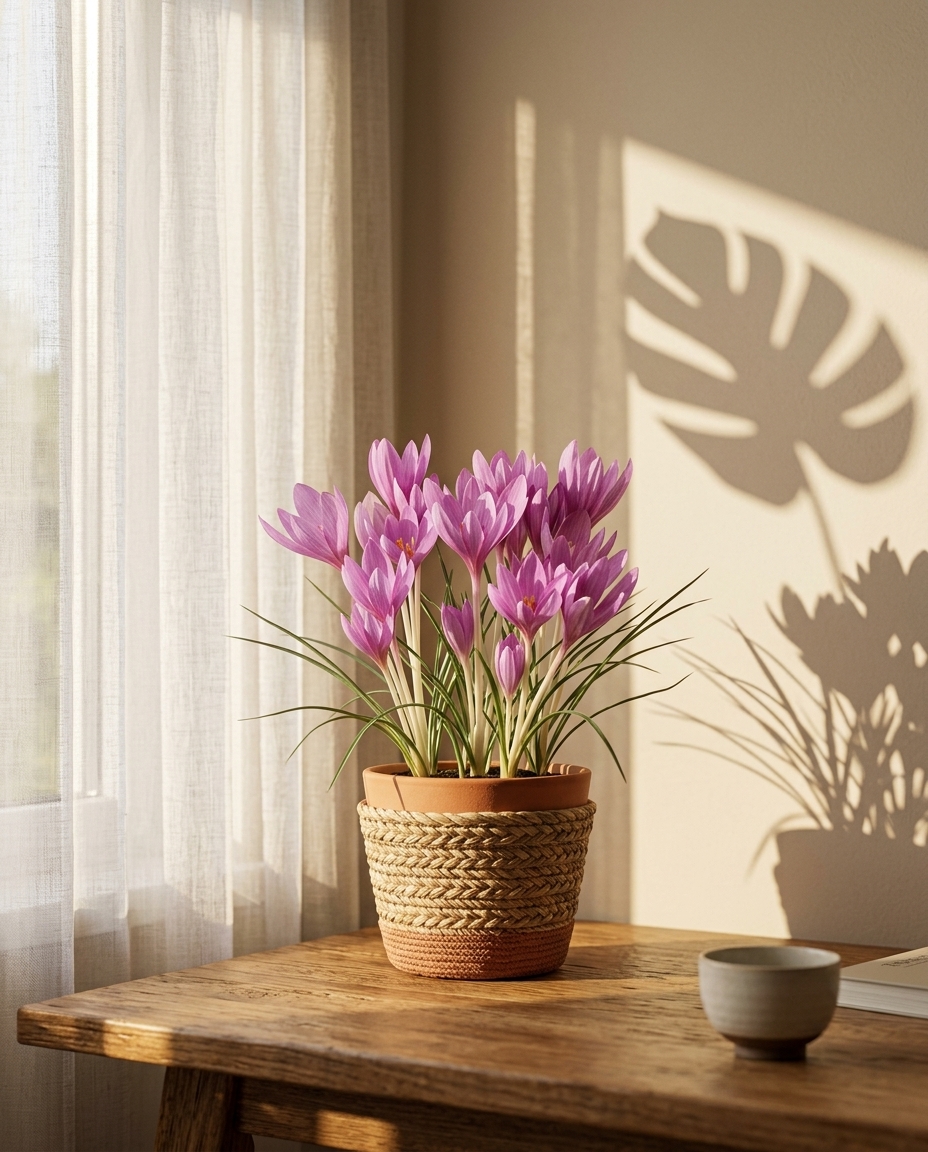
Plate IColchicum autumnale — sometimes called meadow saffron. Despite the name, not a true crocus and not a true saffron. The corm carries colchicine, one of the most dangerous plant alkaloids known.
Three plants that look the part, without the risk.
Goblet-shaped autumn flowers without the colchicine — these three give the same delicate seasonal bloom without the organ-failure risk.
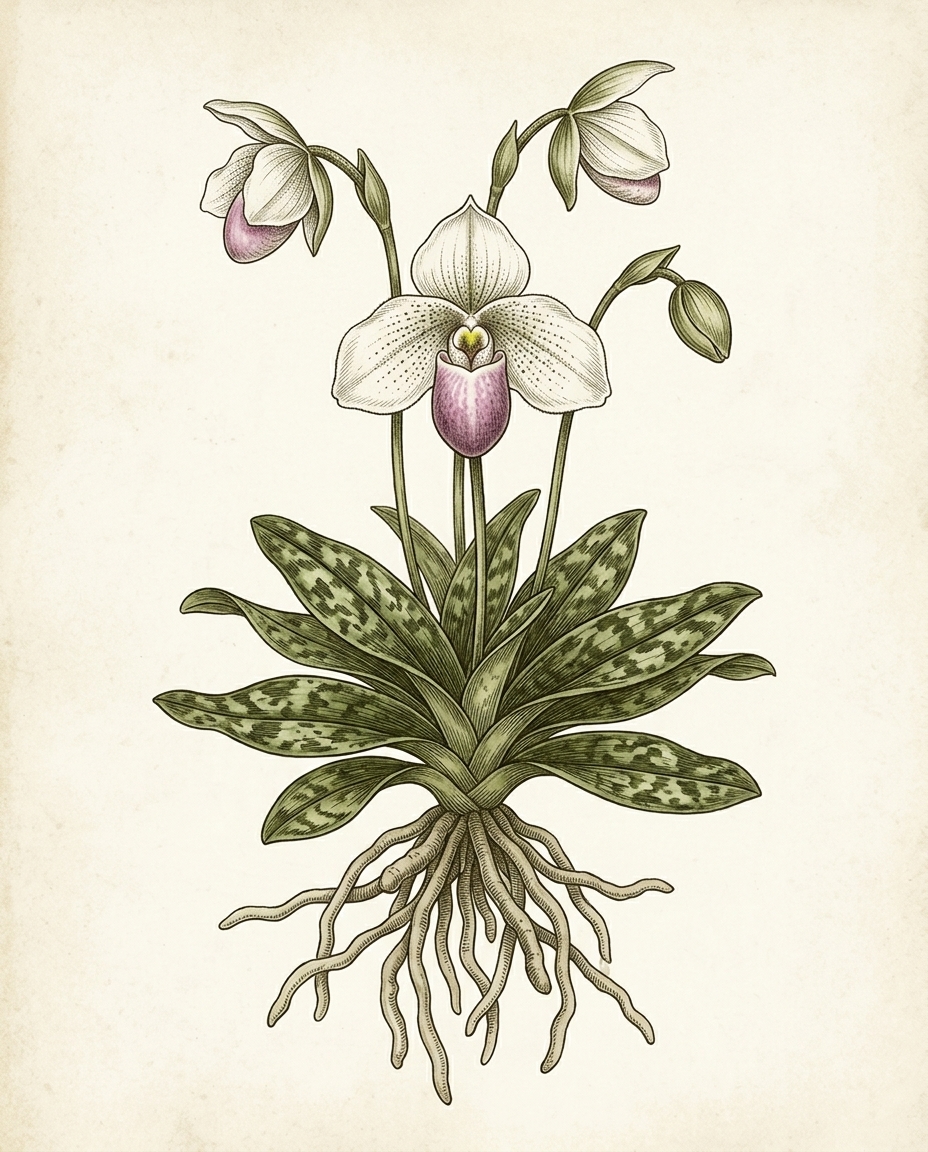
Orchid
Soft, goblet-shaped flowers in any colour. ASPCA non-toxic and houseplant-friendly.
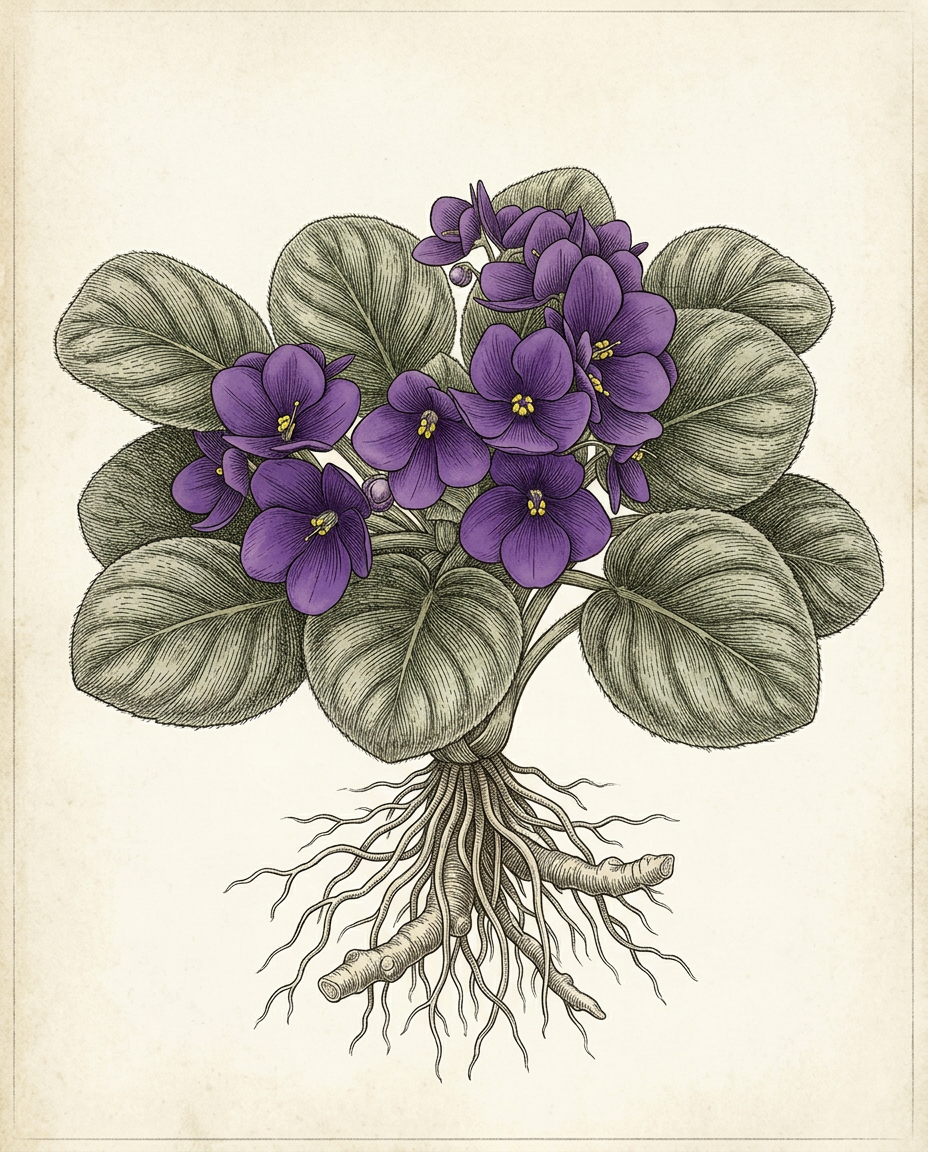
African Violet
Compact lilac and purple blooms on a windowsill. ASPCA non-toxic.
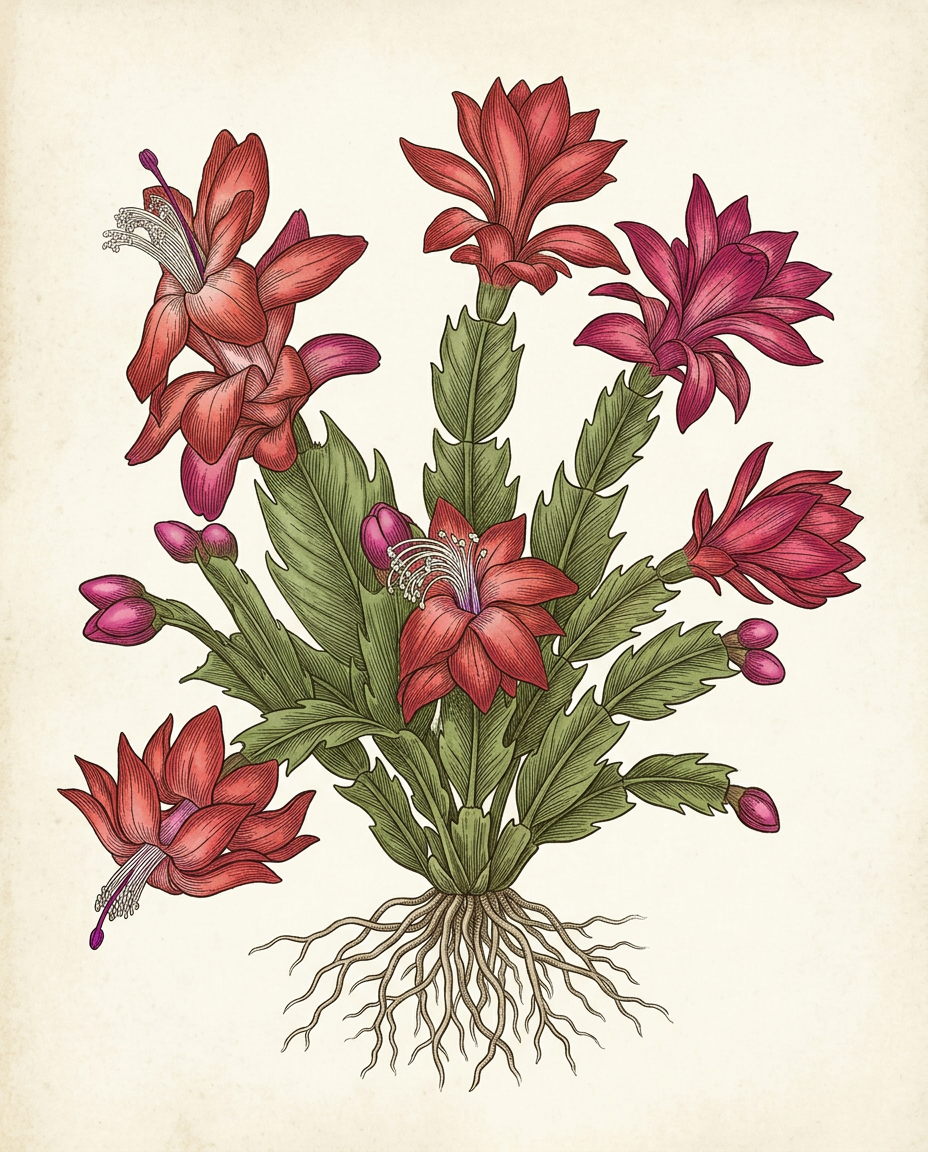
Christmas Cactus
Tubular pink and lilac flowers in autumn and winter. ASPCA non-toxic.
What it does to a cat.
Yes — autumn crocus is toxic to cats, severely so. The ASPCA lists Colchicum autumnale — also called meadow saffron — as toxic to cats, dogs, and horses. The toxic principle is colchicine, an alkaloid that interferes with cell division throughout the body. The result is bloody GI symptoms, shock, and delayed multi-organ damage.
It is one of the few plant poisonings where a cat can look fine for the first day and still die from organ failure on day three. There is no antidote.
Why "autumn crocus" is misleading
The plant called autumn crocus is not in the same genus or family as the spring-flowering crocus. Spring crocus is Crocus (Iridaceae), mildly toxic at worst. Autumn crocus is Colchicum (Liliaceae) and contains one of the most dangerous plant alkaloids known. They look similar enough that the confusion is common — and dangerous.
The corm — the underground bulb — is the most concentrated source of colchicine, but every part of the plant is toxic. A cat digging in a garden bed in late autumn can take a fatal dose without anyone noticing.
What colchicine actually does
Colchicine blocks mitosis by binding to tubulin. Cells that divide rapidly — gut lining, bone marrow, hair follicles — are hit first and hardest. The first day brings vomiting and diarrhea, often bloody, from GI epithelial damage. Days two and three bring kidney injury and bone marrow suppression. Without aggressive supportive care, the prognosis is poor.
What to do if your cat ate autumn crocus
Go to a vet immediately. Do not wait for symptoms — by the time bloody vomiting starts, the toxin has already done damage at the cellular level. Bring a photo and ideally a sample (including the bulb) so the vet can confirm Colchicum versus Crocus. Standard treatment is IV fluids, GI protectants, and intensive monitoring for several days. ASPCA Animal Poison Control is available 24/7 at (888) 426-4435.
Cat-safe substitutes
For autumn colour without the risk, Christmas cactus (Schlumbergera) blooms in the same season and is ASPCA non-toxic. African violets cover the soft lilac windowsill role year-round, and orchids match the goblet-flower silhouette in any colour.
For the other deadly plants we cover, see our oleander, foxglove, and lily profiles — each toxic by a different mechanism, all with the same outcome.
What we have actually seen.
Bloody vomiting and diarrhea
Colchicine is intensely irritating to the GI tract. Symptoms typically begin within hours of ingestion and can be bloody.
Shock and dehydration
Massive fluid loss from GI symptoms produces hypovolemic shock. Many cats present collapsed.
Multi-organ damage
Colchicine blocks cell division throughout the body. Kidneys, liver, heart, and gut all suffer. Damage may appear days after exposure.
Bone marrow suppression
Late-stage colchicine toxicity collapses white blood cell counts, leaving the cat unable to fight infection. Often the eventual cause of death.
- ASPCA Animal Poison Control Center. Toxic and Non-Toxic Plants: Autumn Crocus.Accessed June 2026 · aspca.org · Toxic Principles colchicine and other alkaloids
- Pet Poison Helpline. Colchicine toxicity in companion animals.Clinical reference · 2024
- Merck Veterinary Manual. Colchicine toxicosis.Standard small-animal toxicology reference