ZZ
Plant.
Zamioculcas zamiifolia
The ZZ plant is not on the ASPCA's plant database. Independent vet and poison-control sources agree it contains insoluble calcium oxalate crystals, which cause oral irritation, drooling, and GI upset. We recommend treating it as toxic until ASPCA lists it.
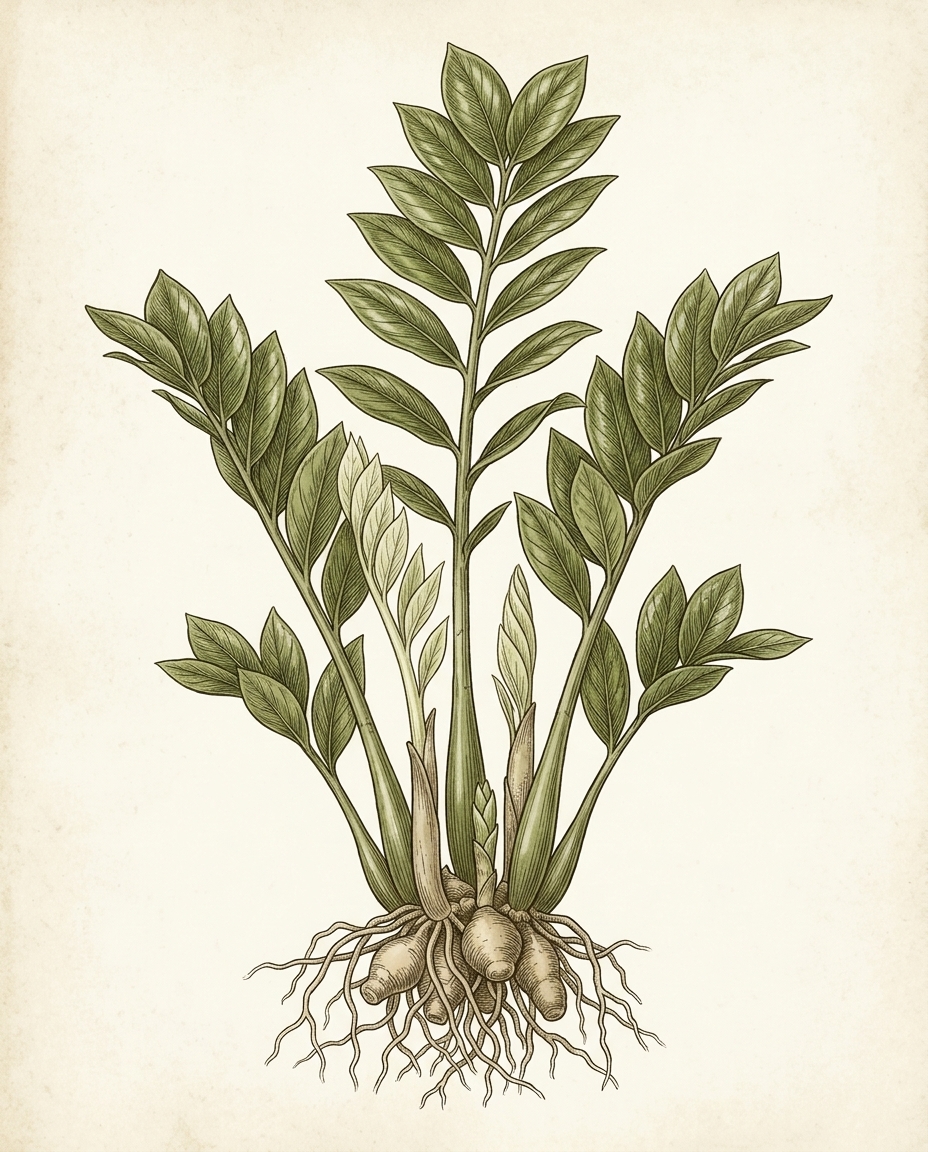
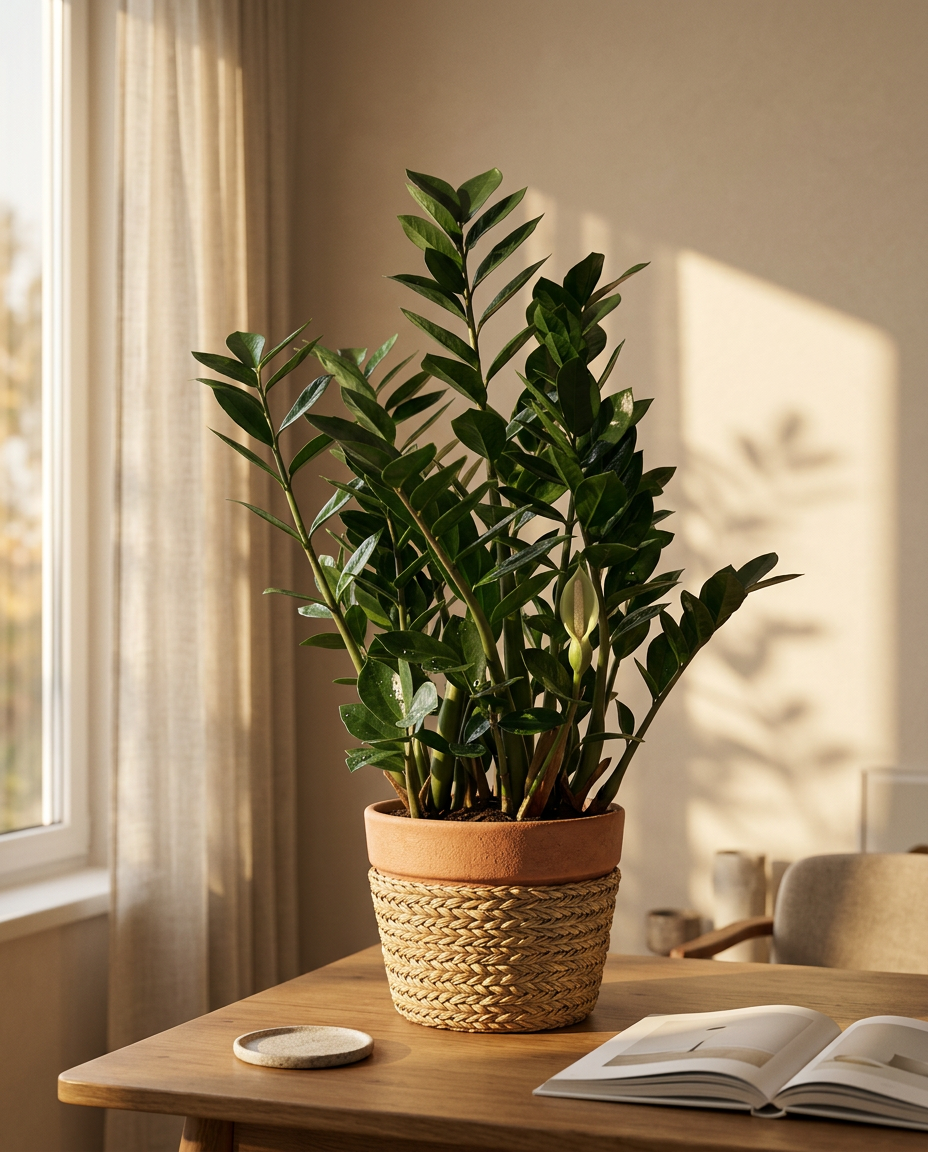
Plate IZamioculcas zamiifolia — sole species in its genus, an aroid native to eastern Africa. The waxy, almost plastic-looking leaflets hide needle-like calcium oxalate crystals throughout every tissue.
What it does to a cat.
The ZZ plant is not on the ASPCA's plant database — but that is not a safety claim. Pet Poison Helpline, vet-reviewed secondary sources, and the broader scientific literature all agree that Zamioculcas zamiifolia contains insoluble calcium oxalate crystals throughout the leaf and stem. The crystals are the same toxic principle that makes peace lily and pothos — both in the same Araceae family — unsafe for cats.
We default to the safer reading: treat the ZZ plant as toxic until ASPCA lists it.
Why the ASPCA gap matters
The ASPCA's plant database is curated, not exhaustive. Plants get added when the organization reviews them; absence from the list is not a clean bill of health. Several mainstream houseplants — ZZ among them — simply have not been formally reviewed. This is one of the few situations where we ship a verdict of insufficient data and lean conservative, because the consensus from poison-control and vet sources is consistent.
What the crystals actually do
Insoluble calcium oxalate is a defensive trait shared across the Araceae family. The crystals are needle-shaped (raphides) and embed in any soft tissue they contact. A cat chewing a ZZ leaf gets an immediate, intense burning sensation in the mouth — drooling, foaming, and pawing at the face usually follow within minutes. Most cats spit the leaf out and the dose stays small.
For the cats that swallow, vomiting tends to follow within the hour. Visible swelling of the mouth or throat is less common but possible with sustained chewing. Severe airway swelling is rare in cats but reported in the literature for related aroids.
What to do if your cat ate ZZ plant
Rinse the mouth with cool water if your cat tolerates it. Offer small amounts of food — milk-based or wet food can help wash crystals down. Most cases self-resolve within 24 hours. Call your vet if vomiting persists, if you see visible swelling, or if your cat refuses to eat for more than a day. ASPCA Animal Poison Control is available 24/7 at (888) 426-4435.
Cat-safe substitutes
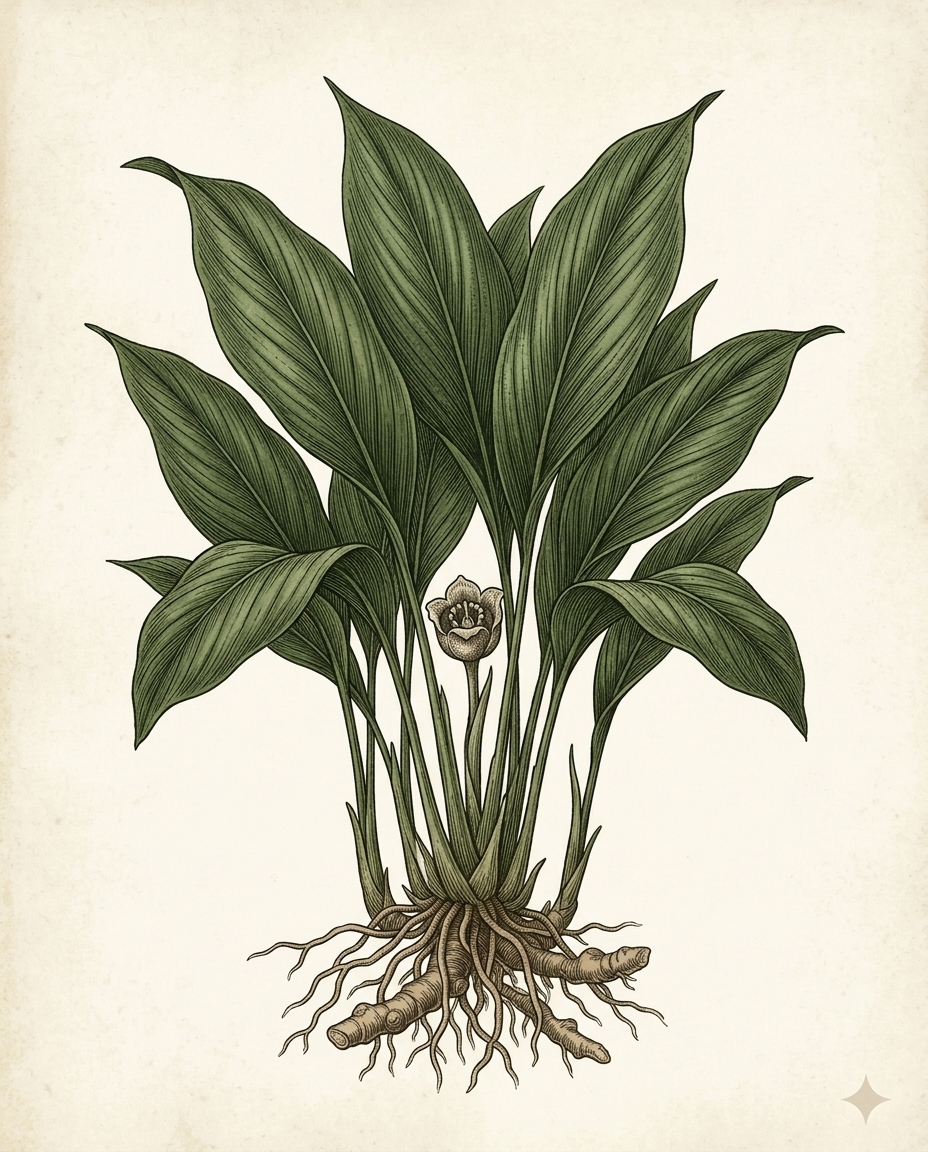
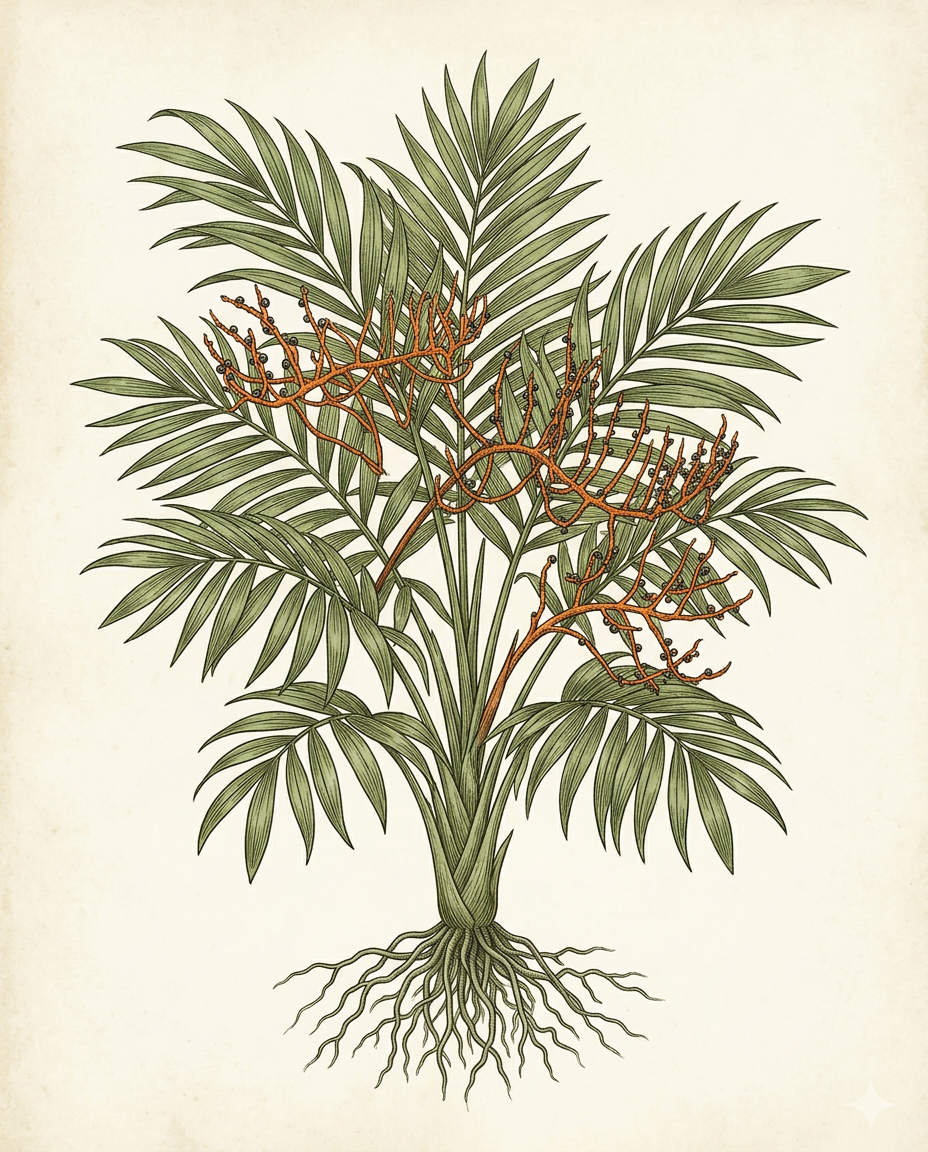
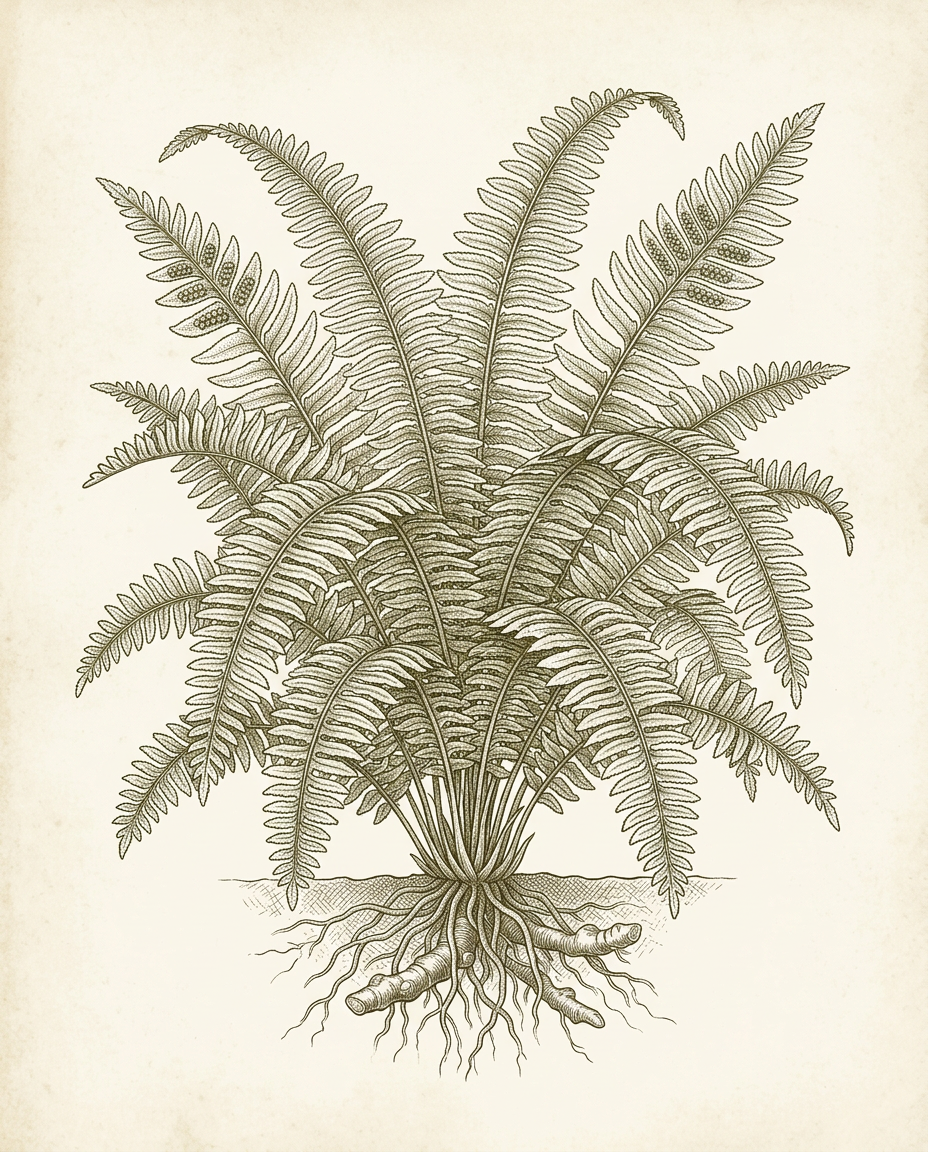
If you keep ZZ for its near-indestructible, low-light habit, cast-iron plant (Aspidistra elatior) is the closest match — glossy leaves, near-impossible to kill, ASPCA non-toxic. Parlor palm fills the same shaded corner with soft, arching fronds, and Boston fern echoes the pinnate leaflet shape with none of the crystals.
For more on the aroid family and why so many of its members are toxic, see our peace lily and pothos pages.
What we have actually seen.
Oral burning and drooling
Insoluble calcium oxalate crystals embed in the mouth lining on contact. Most cats spit the leaf out, drool heavily, and paw at the muzzle within minutes.
Vomiting
Crystals that reach the stomach irritate the lining. Vomiting typically follows within the first few hours.
Swelling of mouth, tongue, or lips
Visible inflammation around the mouth after sustained chewing. Usually self-limiting but distressing and can interfere with eating.
Skin or eye irritation
Sap on the paws or rubbed into the eyes produces redness and irritation. Rinse with water and call the vet if it persists.
- ASPCA Animal Poison Control Center. Toxic and Non-Toxic Plants database.ZZ plant / Zamioculcas zamiifolia is <em>not</em> listed as of June 2026. Treat as toxic.
- Pet Poison Helpline. Insoluble calcium oxalates in companion-animal toxicology.Clinical reference on aroid toxicity in cats
- Hepper. Is the ZZ Plant Toxic to Cats? Vet-Reviewed Facts.Vet-reviewed secondary source · 2024
- Plant Care Today. ZZ Plant Toxicity: What You Need to Know.Secondary source on Zamioculcas calcium oxalate content
If you liked this, also safe.