Indoor plants
Houseplants safe for cats — every entry ASPCA-verified.
71 indoor plants you can keep around your cat. Each one has a dedicated page with the ASPCA citation, care notes, and lookalikes.
The indoor plants that are safe to keep around a cat are not the same as the popular ones. Many of the statement houseplants of the last decade — fiddle leaf fig, monstera, pothos, philodendron, peace lily, ZZ plant — are toxic to cats. The good news is that every aesthetic moment has a cat-safe substitute, and the ASPCA non-toxic list is longer than most cat owners realise.
The 71 houseplants below are all on the ASPCA non-toxic list, sorted by name. Each entry links to a full page with care instructions, real photos, and the toxic look-alike you might be confusing it with at the garden centre.
Quick wins. If you are setting up a cat-safe indoor jungle from scratch, the easiest first plants are spider plant, Boston fern, areca palm, parlor palm, and calathea. They cover the hanging, floor-pot, statement-tree, and tabletop slots that most toxic houseplants traditionally fill.
 Safe
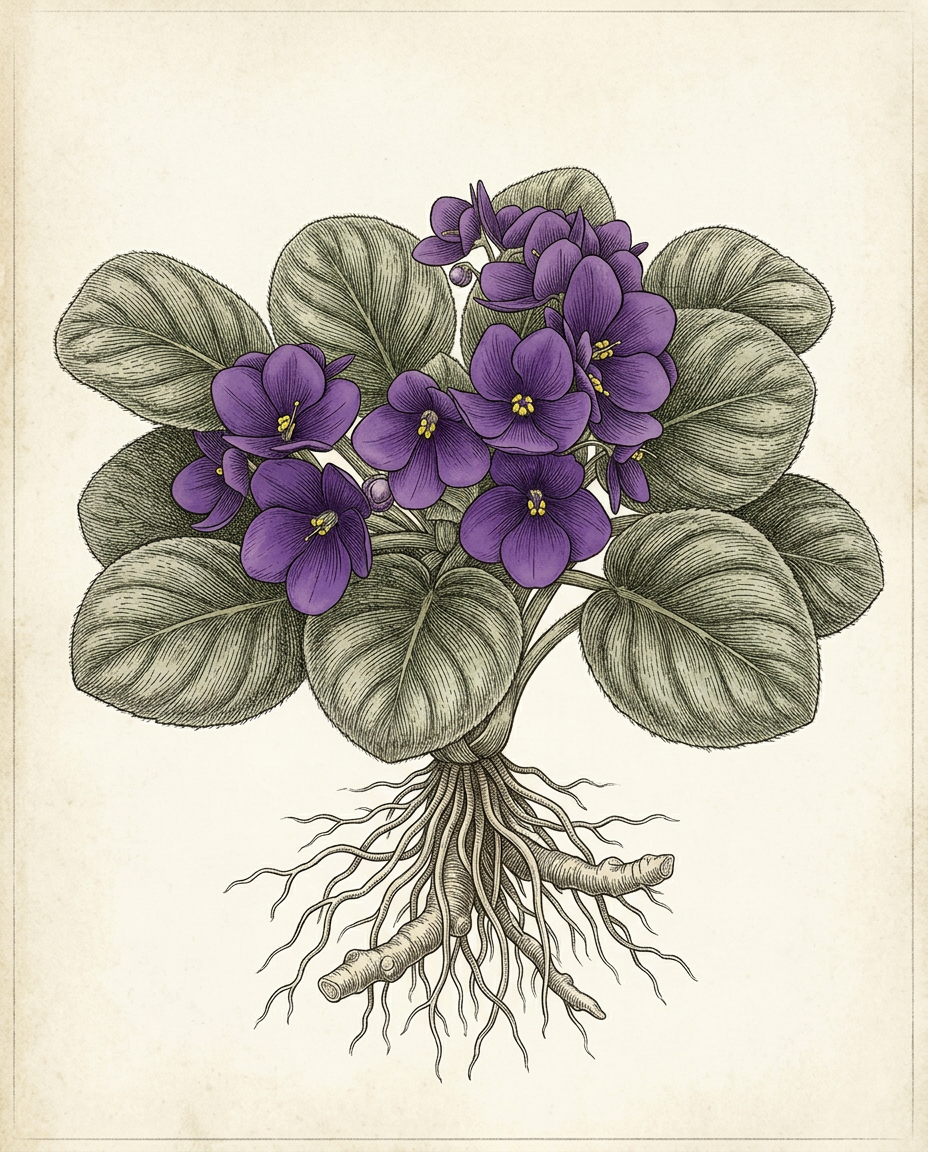
SafeAfrican Violet
Saintpaulia ionantha
Compact rosettes with year-round colour — without poinsettia sap or lily renal toxin. The ASPCA lists African violet as non-toxic to cats.
 Safe
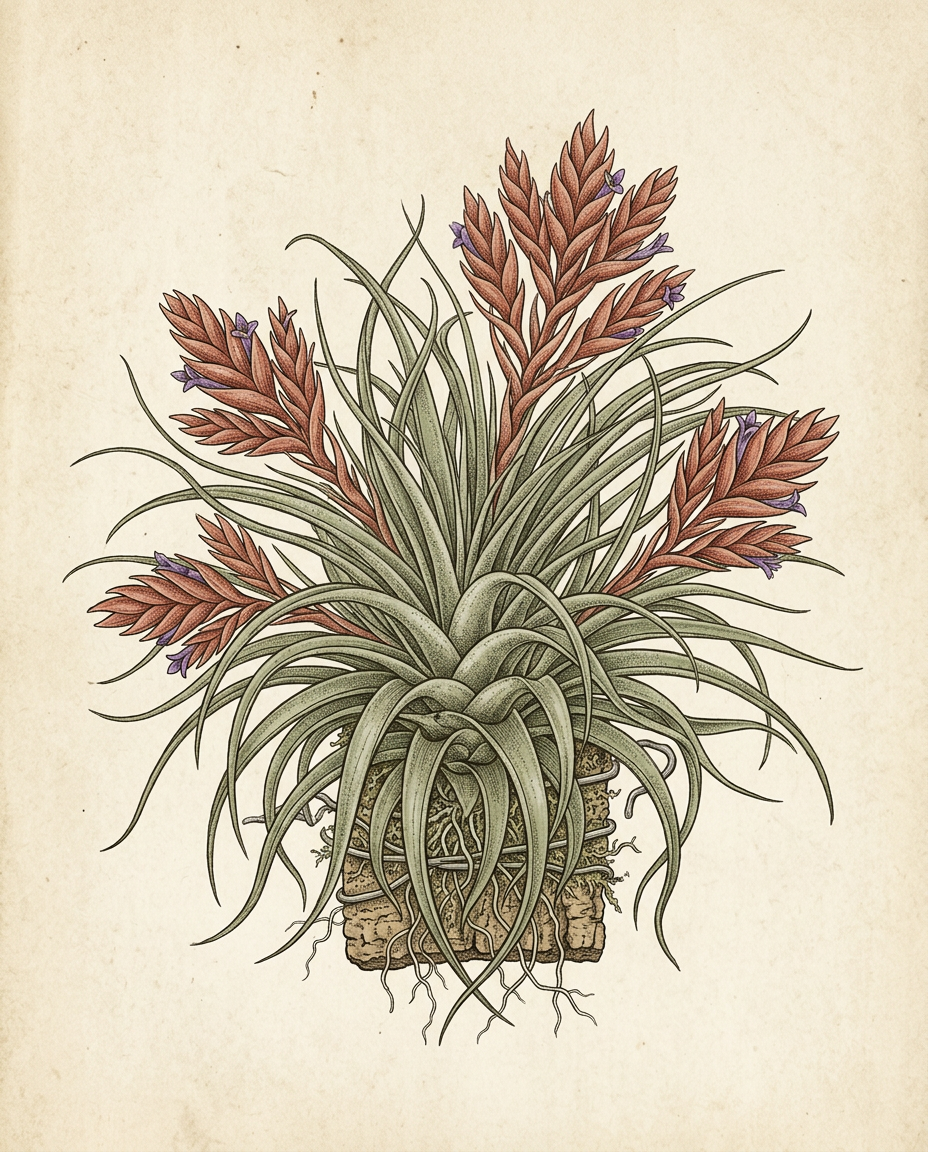
SafeAir Plant
Tillandsia spp.
Air plants (Tillandsia spp.) are widely considered non-toxic to cats. The ASPCA does not list Tillandsia individually, but lists multiple related Bromeliaceae genera as non-toxic and there is no documented toxic principle in the genus. Treat as safe.
 Safe
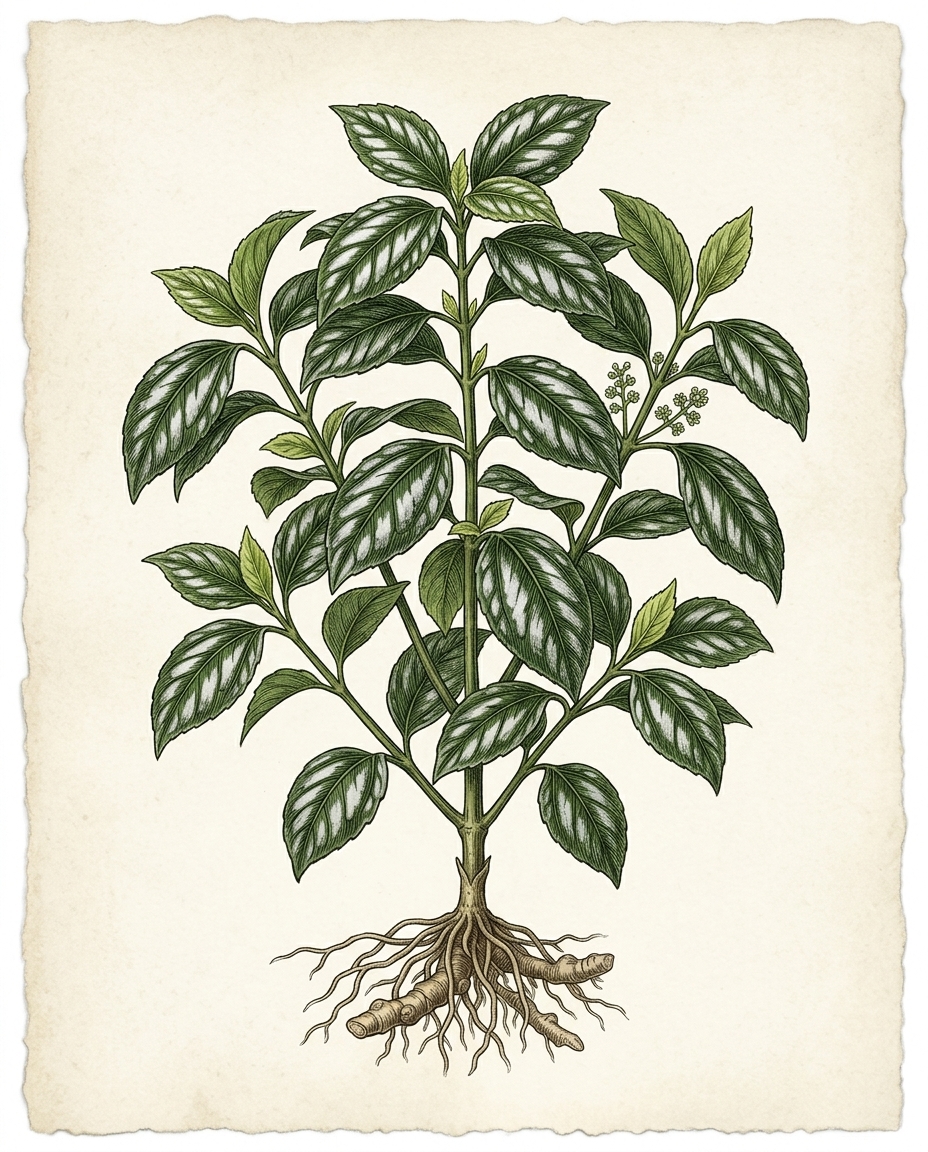
SafeAluminum Plant
Pilea cadieri
Aluminum Plant (Pilea cadieri — also called Watermelon Plant) is non-toxic to cats per the ASPCA. The silver-striped Pilea houseplant. Often confused with watermelon peperomia (a different non-toxic plant).
 Safe
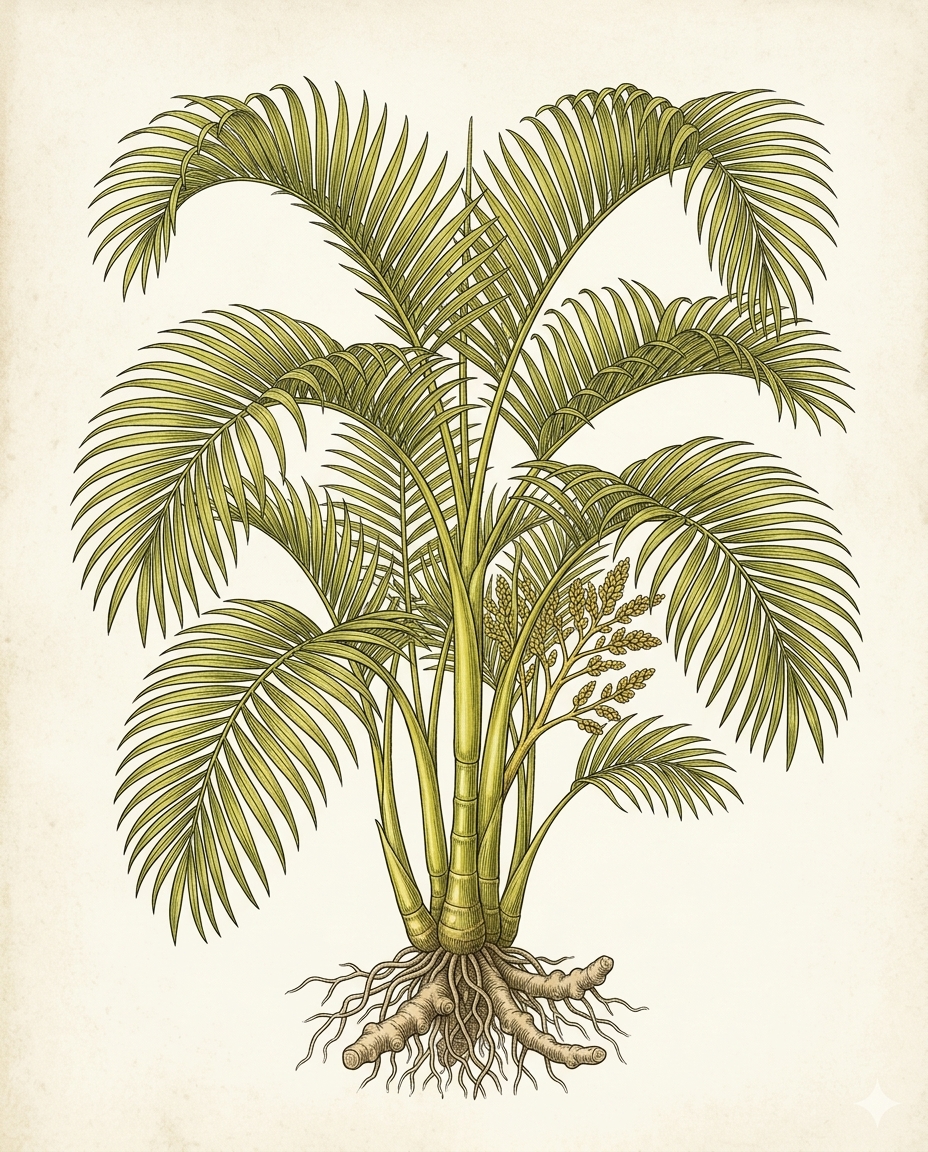
SafeAreca Palm
Dypsis lutescens
Yes — the areca palm is safe for cats. The ASPCA lists Dypsis lutescens as non-toxic. It is one of the best large statement plants for a cat home, with only mild upset if a cat eats a lot of frond.
 Safe
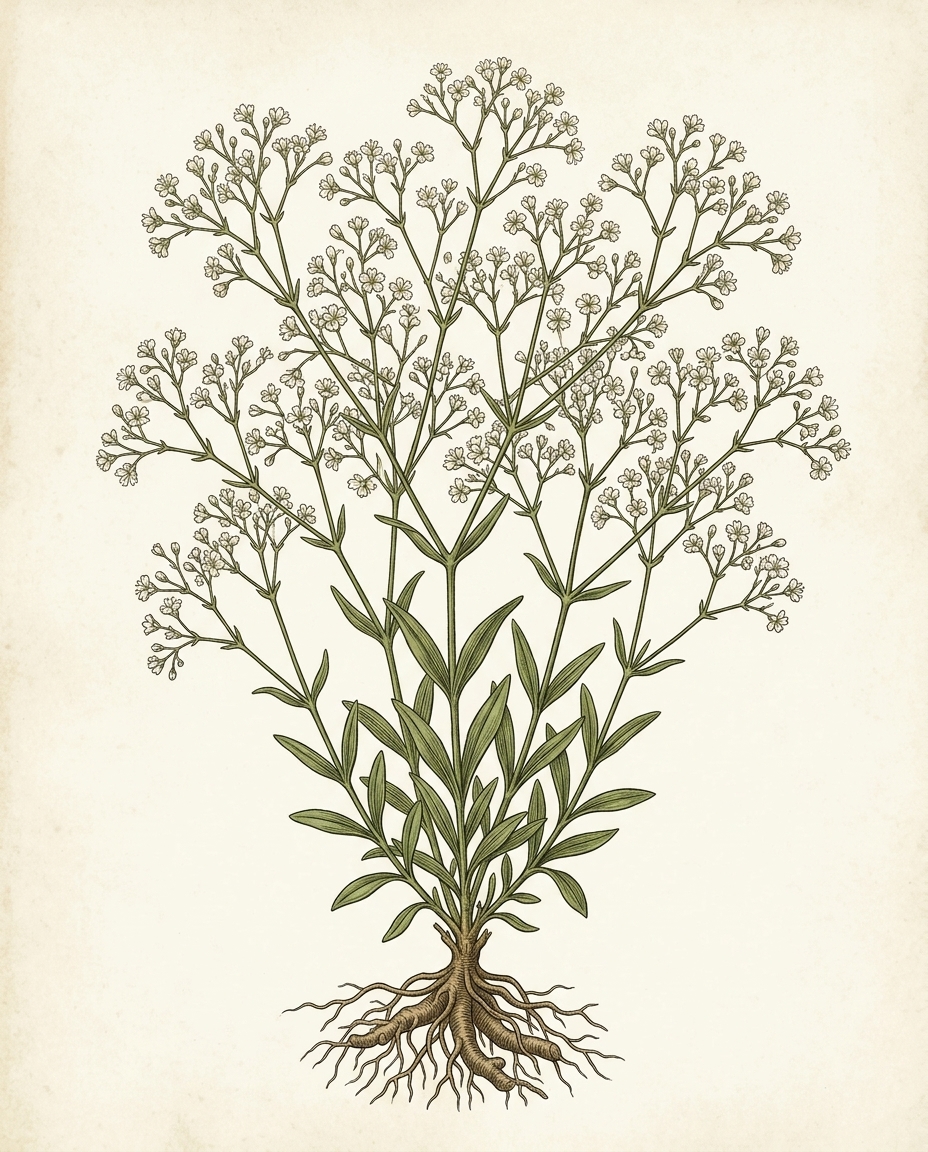
SafeBaby's Breath
Gypsophila paniculata
Baby's Breath (Gypsophila paniculata) is non-toxic to cats per the ASPCA. Third-party blogs frequently call it 'mildly toxic' via saponins — ASPCA disagrees, and ASPCA is the authority.
 Safe
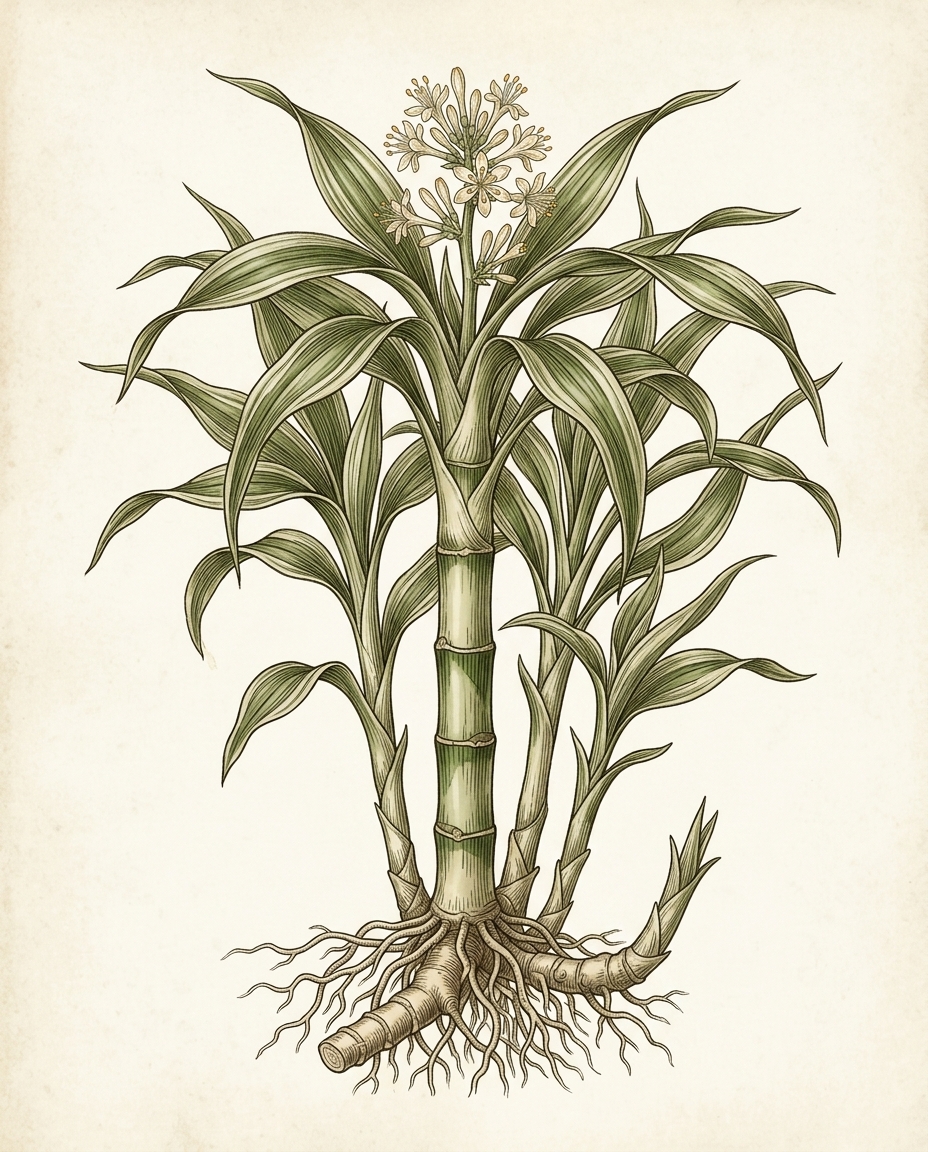
SafeBamboo
Phyllostachys aurea
Yes — true bamboo is safe for cats. The ASPCA lists bamboo (Phyllostachys aurea) as non-toxic. The catch is the name: "lucky bamboo" and "heavenly bamboo" are different, toxic plants.
 Safe
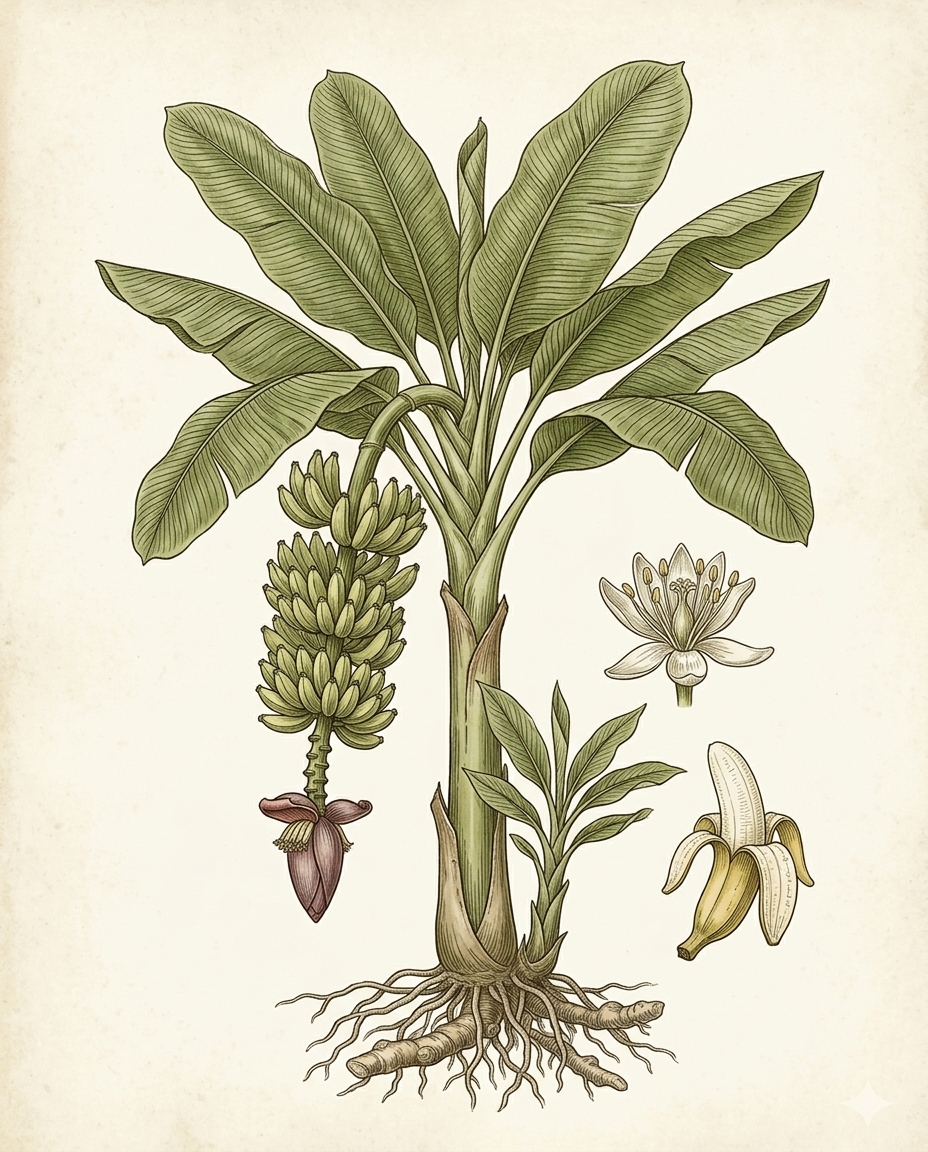
SafeBanana
Musa acuminata
Yes — the banana plant is safe for cats. The ASPCA lists Musa as non-toxic to cats, dogs, and horses. The plant and the fruit are harmless — though a banana is a treat at most. Don't confuse the banana plant with the unrelated lawn weed "plantain" (Plantago).
 Safe
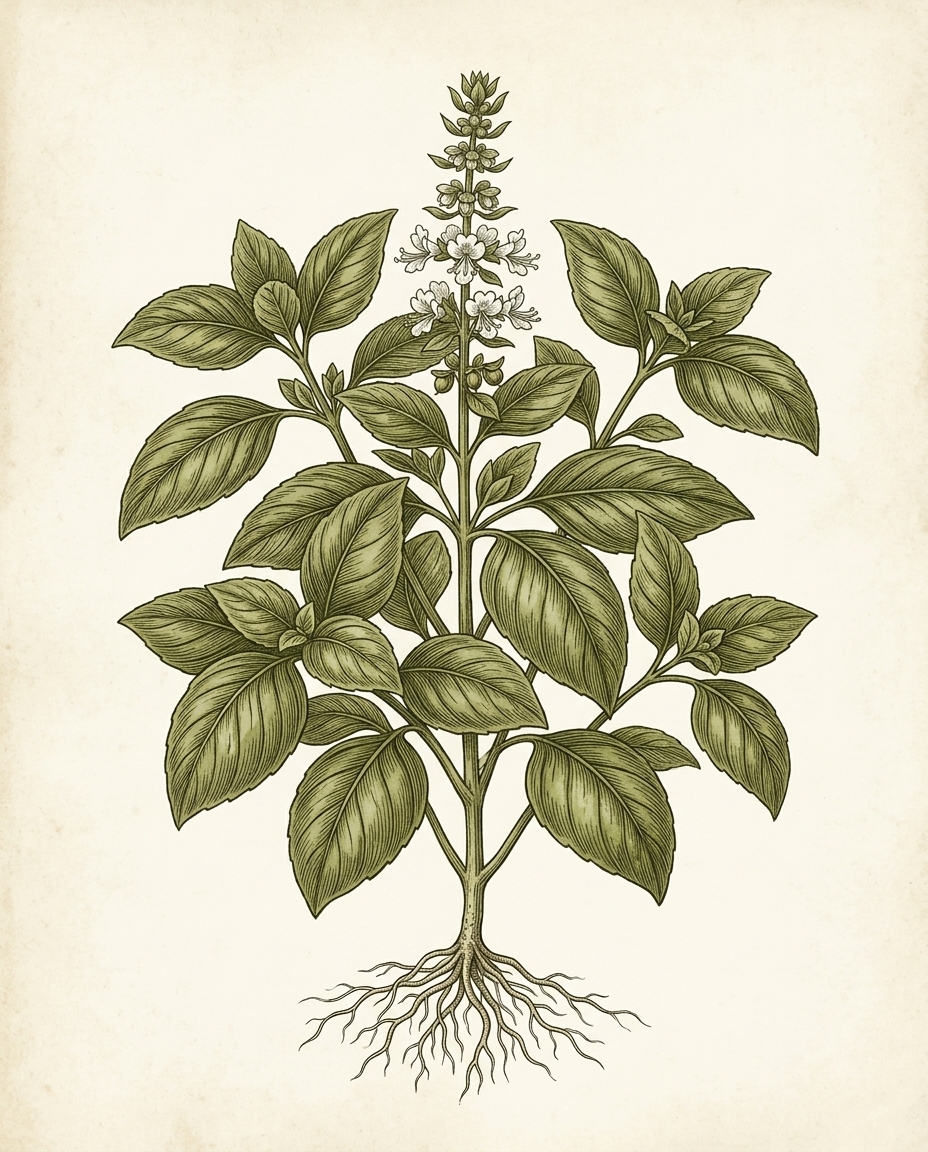
SafeBasil
Ocimum basilicum
Yes — basil is safe for cats. The ASPCA lists Ocimum basilicum as non-toxic. A cat that nibbles a leaf is fine; the only caveat is the usual mild upset from eating a lot of any plant.
 Safe
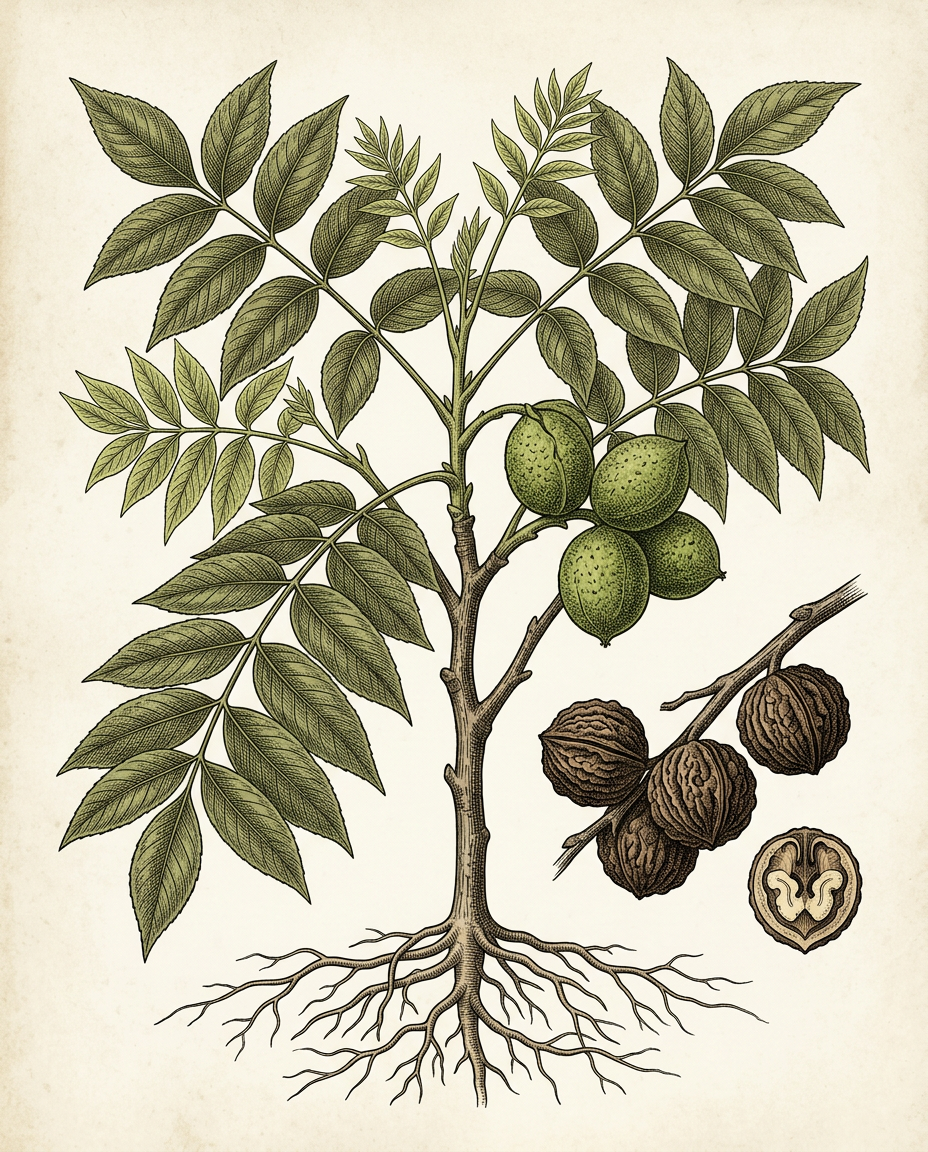
SafeBlack Walnut
Juglans nigra
Yes — black walnut is safe for cats. The ASPCA lists Juglans nigra as non-toxic to cats, though toxic to dogs and horses. A rare cat-only exemption in a plant that harms other pets.
 Safe
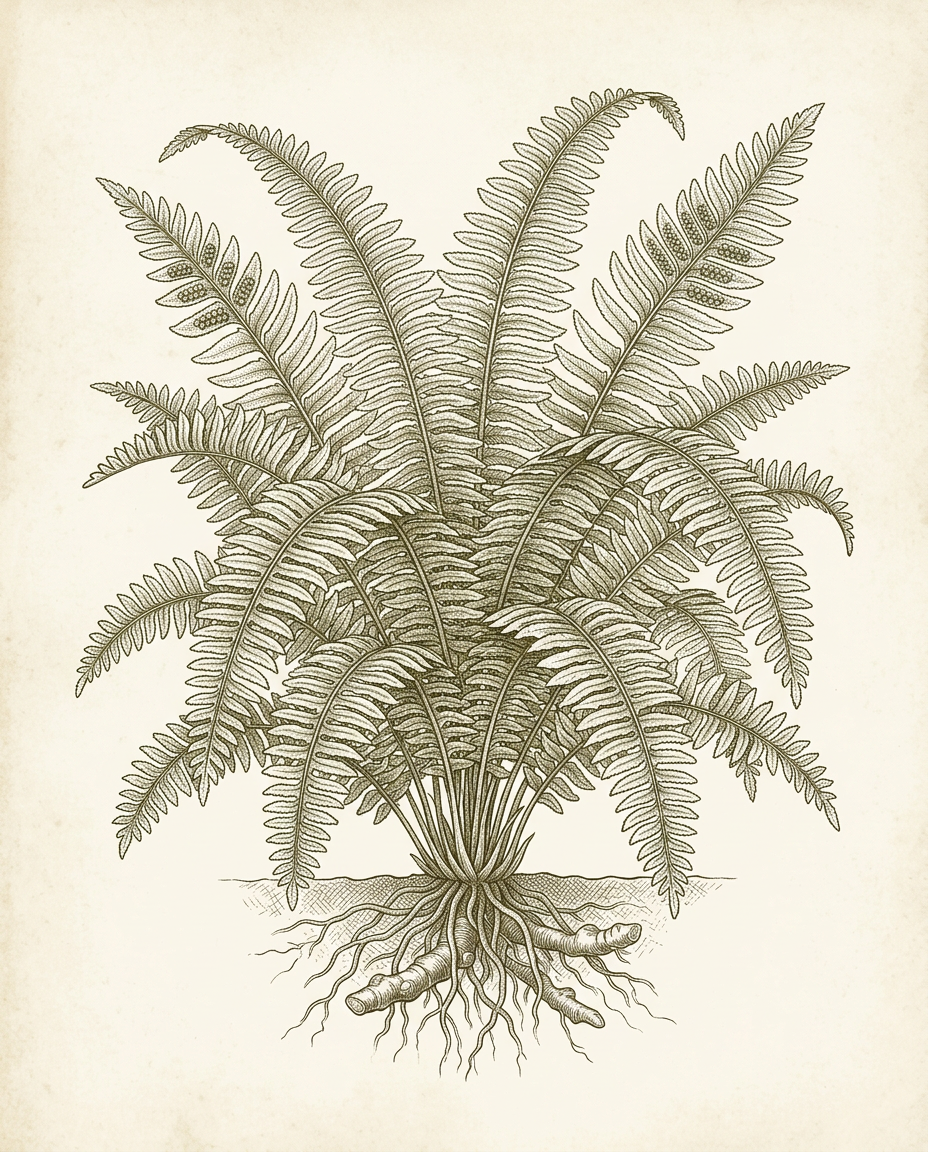
SafeBoston Fern
Nephrolepis exaltata
A classic bathroom fern with arching fronds and no toxic compounds. Cats may chew it; the plant may suffer — but the cat will not.
 Safe
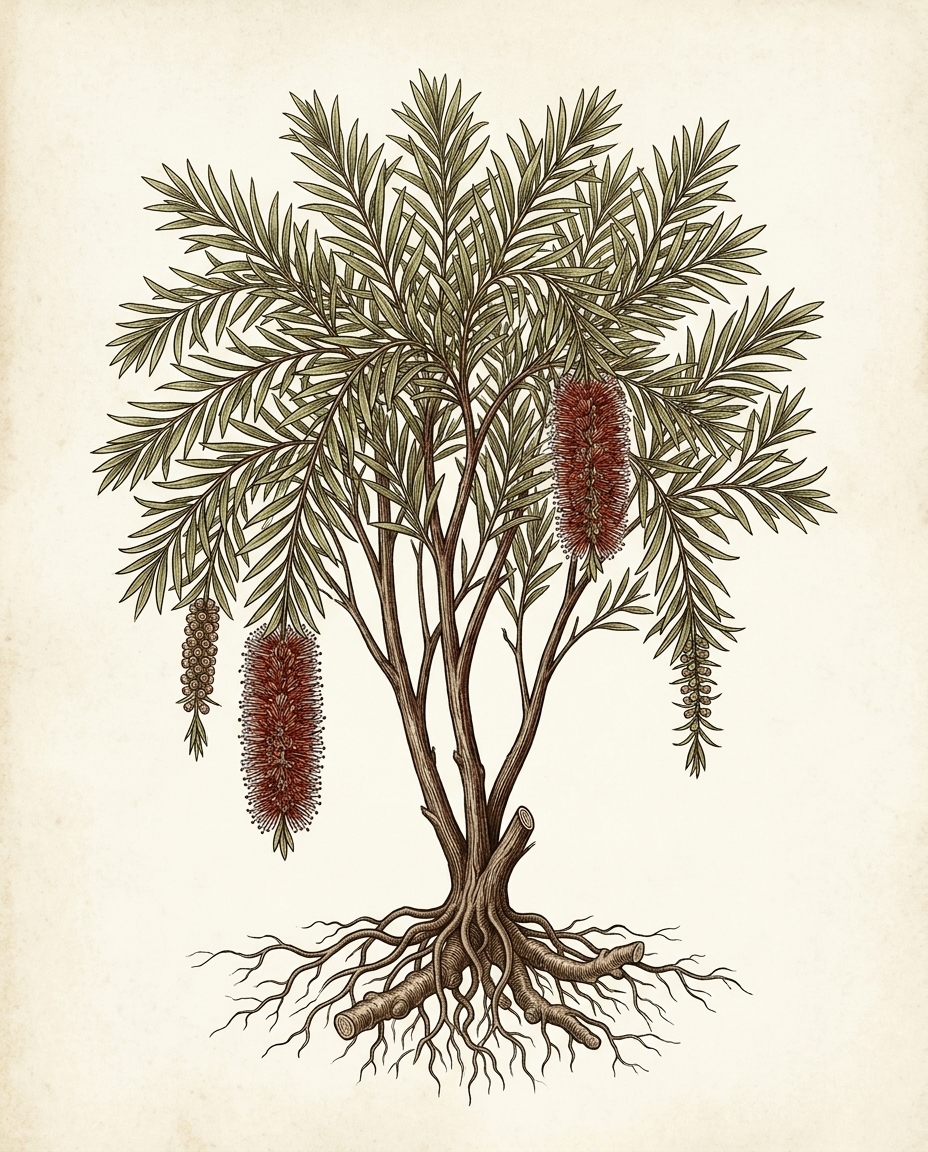
SafeBottlebrush
Callistemon spp.
Yes — the true bottlebrush (Callistemon) is safe for cats. The ASPCA lists it as non-toxic to cats, dogs, and horses. The critical catch is the name — the unrelated "buckeye bottlebrush" (Aesculus parviflora) is toxic, so confirm you have a Callistemon and not an Aesculus.
 Safe
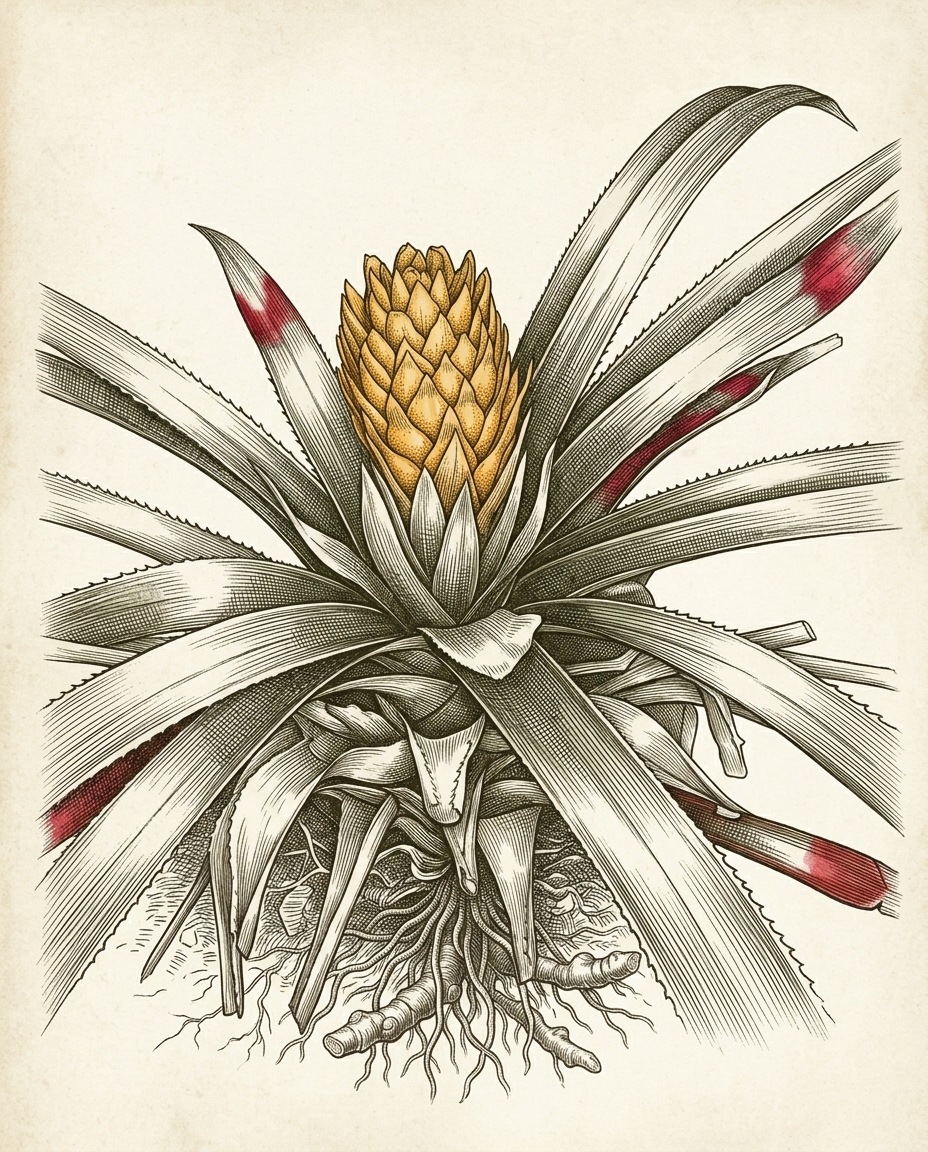
SafeBromeliad
Bromeliaceae
Yes — bromeliads are safe for cats. The ASPCA lists bromeliads as non-toxic. The whole family — Guzmania, Neoregelia, Aechmea, Tillandsia — is cat-safe, with only mild upset if a cat eats a lot.
Indoor plants safe for cats — common questions
What is the most popular cat-safe indoor plant?
Spider plant. It is on every indoor-plant list, is ASPCA non-toxic, and even has a mild attractant effect on cats (similar to a low-dose catnip). It is also one of the easiest houseplants to keep alive.
What indoor plant looks like a monstera but is safe?
Calathea — particularly the large-leafed cultivars — gives the same big-tropical-leaf vibe without the calcium oxalates that make monstera and philodendron toxic. Prayer plant (Maranta) is the smaller-leaf cousin.
Are ferns safe for cats?
Boston fern and other true ferns (Nephrolepis, Adiantum, Pteris) are ASPCA non-toxic. The trap is the so-called asparagus fern — not a true fern at all, and ASPCA toxic to cats. Always check the Latin name.
Are palms safe for cats?
True palms — areca palm, parlor palm, ponytail palm, bamboo palm — are ASPCA non-toxic. The deadly exception is sago palm, which despite the name is a cycad (not a true palm) and is one of the most toxic plants on the ASPCA list.
What about hanging plants?
For hanging baskets, spider plant, Boston fern, and string of pearls all cascade well — except string of pearls is not safe (it is ASPCA toxic). For trailing cat-safe options, stick to spider plant, Boston fern, Swedish ivy, and wax plant (Hoya).