Larkspur
Delphinium species
Larkspur and delphinium (the same plant — ASPCA scientific name is literally Delphinium species) are toxic to cats per the ASPCA. Diterpene alkaloids cause neuromuscular paralysis; cardiac failure and respiratory paralysis are possible at high dose.
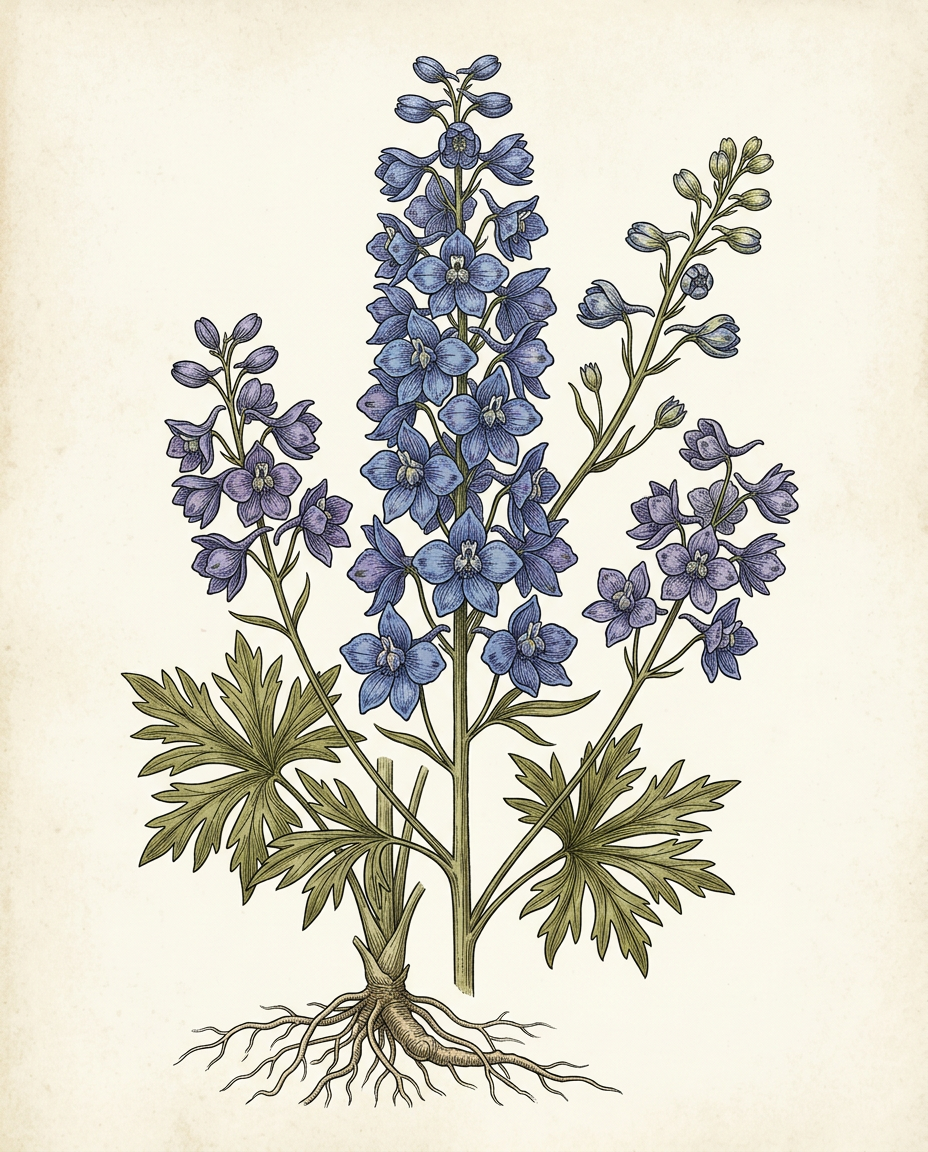
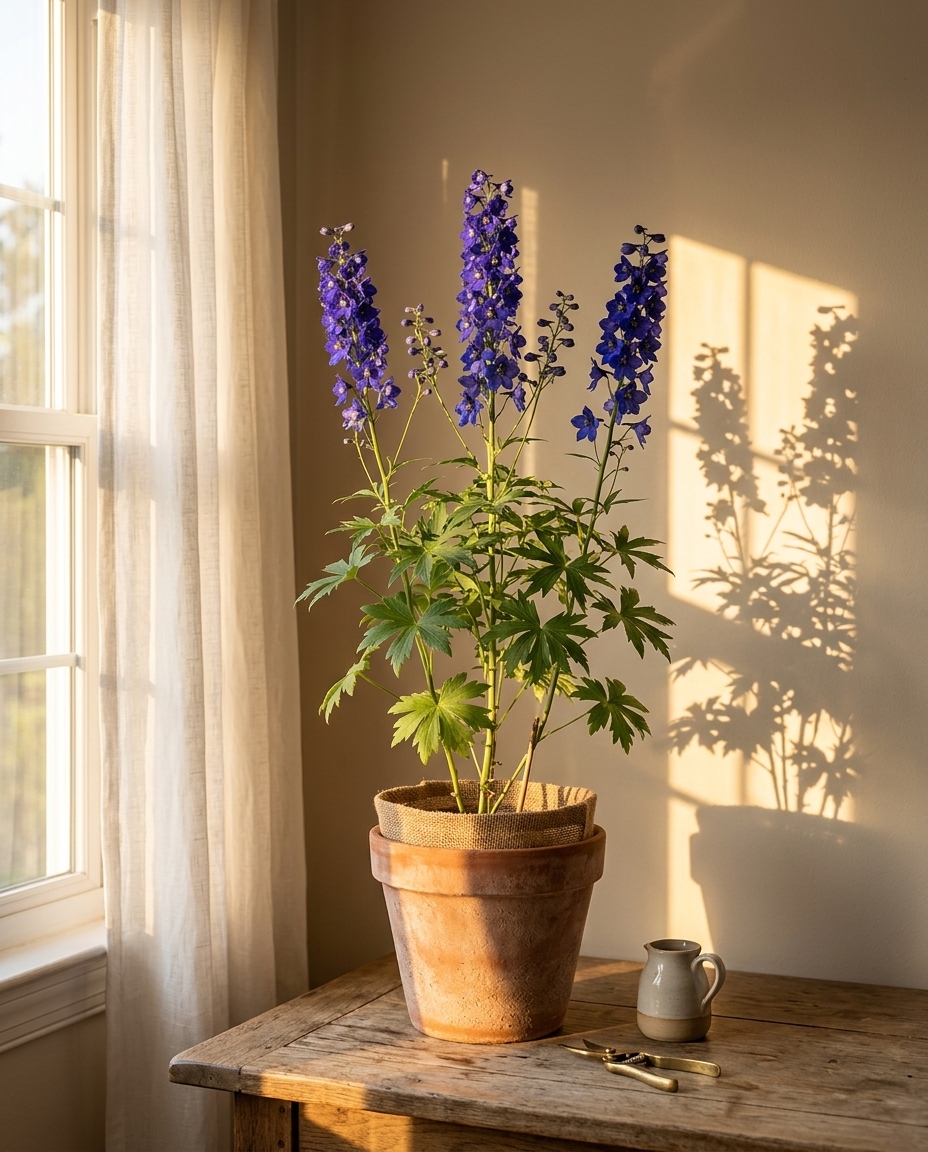
Plate IDelphinium species — larkspur, delphinium. Tall spike of spurred blue and violet flowers above divided palmate leaves. Ranunculaceae. ASPCA toxic — diterpene alkaloids.
Three plants that look the part, without the risk.
Tall blue cottage-garden spike flowers that are ASPCA-safe — the cat-friendly alternatives if you wanted the larkspur look without the diterpene alkaloid chemistry.
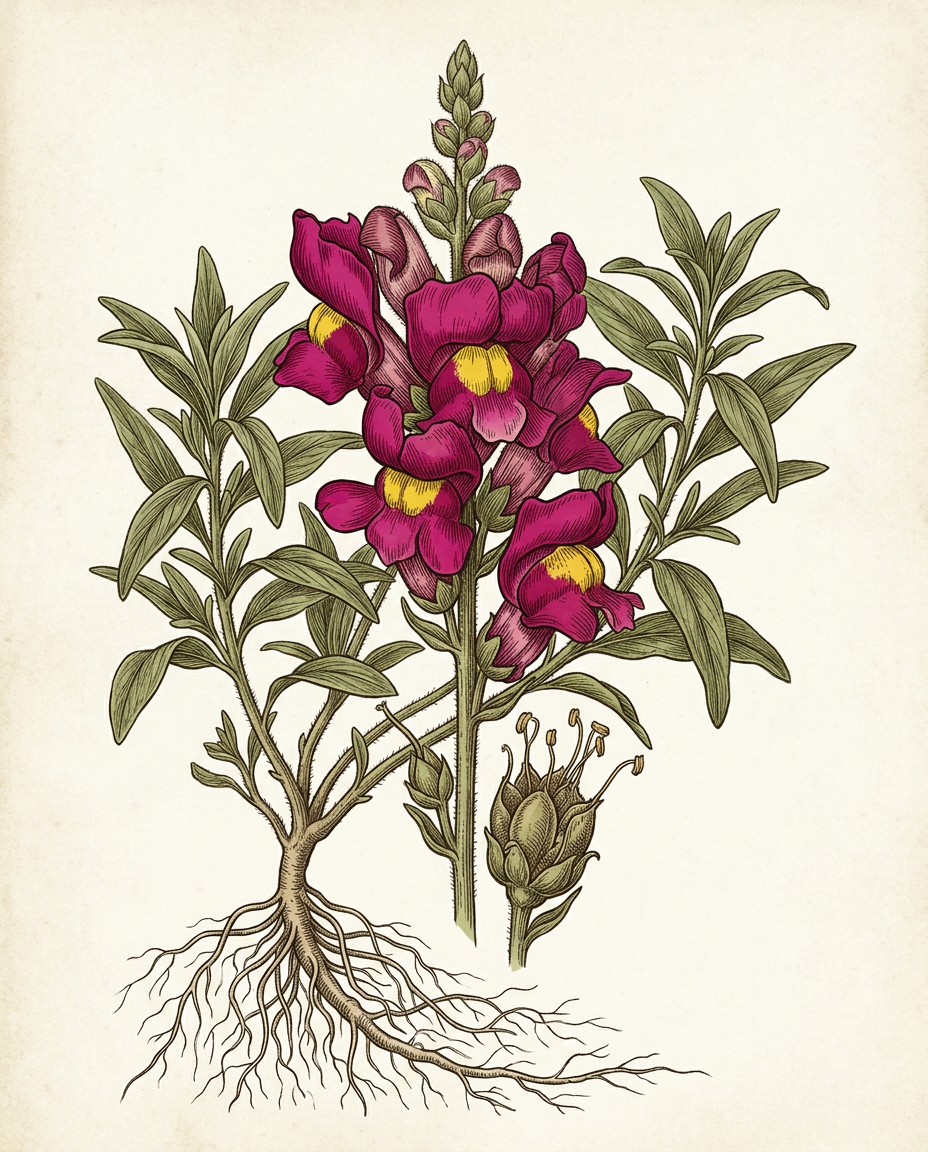
Snapdragon
For tall flower-spike form at ASPCA non-toxic. Different colour palette but same vertical garden role.
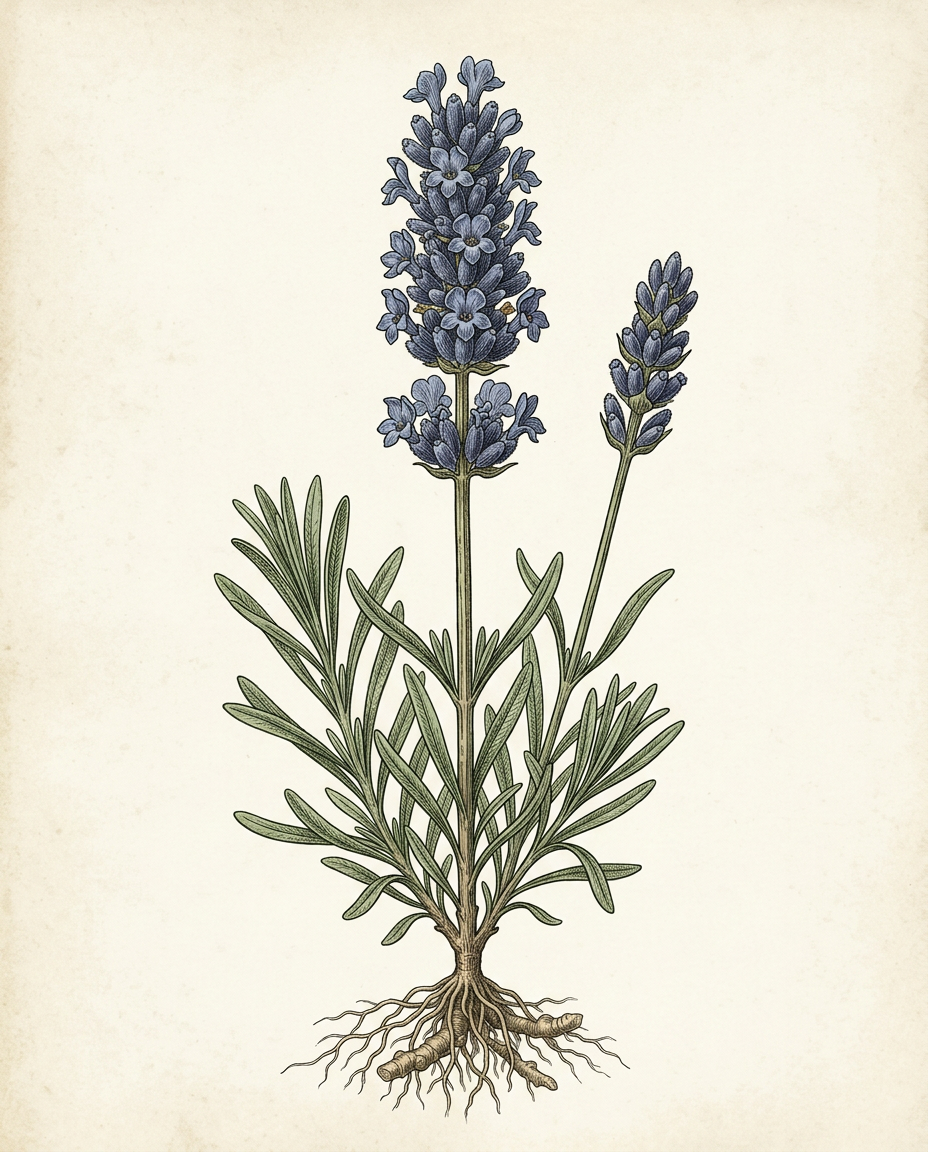
Lavender
For a blue-violet flower spike at ASPCA non-toxic (live plant — essential oil is separate concern). Shorter than larkspur but similar palette.
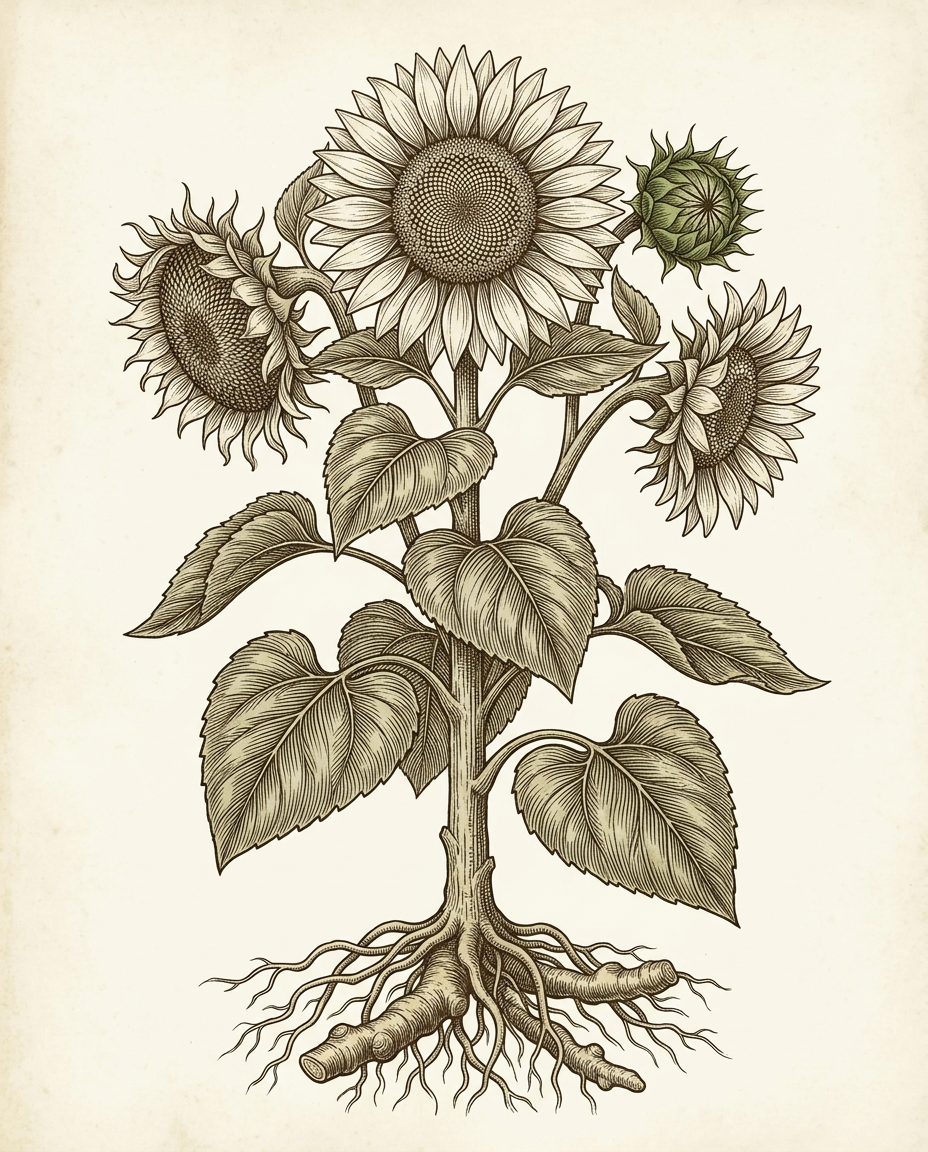
Sunflower
For a tall summer cottage anchor at ASPCA non-toxic. Very different palette but the same back-of-border height role.
Why larkspur covers two keyword clusters at once.
Yes — larkspur is toxic to cats. The ASPCA lists Delphinium species — the entire larkspur genus — as toxic to dogs, toxic to cats, and toxic to horses. The toxic principles are diterpene alkaloids. Clinical signs are constipation, colic, increased salivation, muscle tremors, stiffness, weakness, recumbency, and convulsions. ASPCA notes directly that cardiac failure may occur, as can death from respiratory paralysis.
The ASPCA verdict, verbatim: Toxicity: Toxic to Dogs, Toxic to Cats, Toxic to Horses · Family: Ranunculaceae · Scientific Name: Delphinium species · Toxic Principles: Diterpene alkaloids · Clinical Signs: Unless there is a lack of suitable forage, horses typically do not consume toxic amounts of larkspur. The toxicity of the plant may vary depending on seasonal changes and field conditions; as the plant matures, it generally becomes less toxic. The alkaloids in the plant cause neuromuscular paralysis; clinical effects include constipation, colic, increased salivation, muscle tremors, stiffness, weakness, recumbency, and convulsions. Cardiac failure may occur, as can death from respiratory paralysis.
Larkspur and delphinium — same plant, same page
The single most useful detail about ASPCA's larkspur entry is the scientific name: Delphinium species. ASPCA uses the bare genus rather than a single species name because larkspur and delphinium are the same plant under two common names. Both refer to the Delphinium genus (Ranunculaceae). The traditional botanical distinction once split annual Delphinium-style plants into Consolida (true "larkspur") and perennial Delphinium-style plants into Delphinium — but modern taxonomy folds them together and so does ASPCA.
The practical takeaway: any plant sold or known as larkspur, delphinium, Pacific Giant, Magic Fountains, Belladonna, or any other Delphinium cultivar is covered by this page. Same diterpene alkaloid chemistry, same toxic verdict.
How diterpene alkaloids work
The principal toxin in larkspur is methyllycaconitine (with related diterpene alkaloids contributing). The mechanism is neuromuscular:
- Methyllycaconitine binds nicotinic acetylcholine receptors (nAChR) at the neuromuscular junction with high affinity — much higher than the natural acetylcholine signal.
- It blocks the receptor without activating it, preventing the muscle contraction signal from getting through.
- The result is functional muscle paralysis, progressing with dose: tremors at low dose (partial block), stiffness and weakness at moderate dose (more block), recumbency (cat cannot stand) at high dose (extensive block), then cardiac and respiratory paralysis at maximum dose (complete block).
This is the same nicotinic receptor family targeted by tobacco (nicotine) and lobelia (lobeline), but methyllycaconitine acts as a post-synaptic blocker rather than a pre-synaptic stimulant. Same receptor family, different end of the signalling pathway, opposite acute clinical picture (paralysis rather than excitement) but the same lethal endpoint (respiratory failure).
The seasonal toxicity quirk
ASPCA includes an unusual clinical detail for larkspur: toxicity varies with season and maturity, and mature plants are generally less toxic than young growth. Spring shoots and early flower buds carry the highest diterpene alkaloid concentration; by mid to late summer the mature plants carry less.
This is rare specificity in the ASPCA database — most toxic plants are equally toxic throughout the year. The practical implications for cat households:
- Spring shoots in April and May are the highest-risk phase. Indoor-outdoor cats encountering new larkspur growth are at peak exposure.
- Mature flowering plants in late summer carry less alkaloid but are still toxic. Do not treat mature larkspur as safe.
- Cut flowers retain the alkaloid concentration they had at cutting. Buds cut in spring are more toxic than buds cut in midsummer.
The cut-flower problem
Larkspur and delphinium are popular cut flowers — tall spires of blue and violet for cottage-garden floral arrangements and wedding bouquets. Cut flowers carry the same toxin. A cat that drinks vase water that has held larkspur stems, or chews a fallen petal from a vase, faces the same neuromuscular alkaloid exposure.
The cut-flower toxicity rule of thumb is: if the live plant is ASPCA-toxic, the cut version in a vase is also toxic. Larkspur, lily (the most dangerous — acute kidney failure), tulip, daffodil, and iris are all common cut-flower hazards. Keep toxic cut flowers out of cat-accessible rooms.
Severity framing — when to call the vet
- Any suspected ingestion — call your vet or the ASPCA Animal Poison Control Center at 888-426-4435 (95 dollar consultation). The neuromuscular paralysis mechanism means tremors and stiffness can progress to respiratory failure if untreated.
- Decontamination — induced vomiting and activated charcoal are most effective within 1 to 2 hours of ingestion.
- Muscle tremors, stiffness, or recumbency — emergency vet visit. The progression toward respiratory paralysis requires monitoring and respiratory support.
- Cardiac signs — emergency. Diterpene alkaloid cardiotoxicity is part of the high-dose syndrome.
Cat-safe alternatives for the larkspur look
If you wanted larkspur for the tall blue cottage-garden spike form, the safer options:
- Snapdragon — ASPCA non-toxic, tall flower-spike form, different colour palette but same vertical role.
- Lavender — non-toxic as a live plant for the blue-violet palette (essential oil is a separate concern; live plant is fine).
- Hibiscus — non-toxic for showy summer colour, larger blooms.
- Sunflower — non-toxic tall cottage anchor.
Avoid mixing larkspur with buttercup, clematis, lenten rose (other Ranunculaceae), or foxglove and oleander (other neuromuscular and cardiac garden toxics) on cat-accessible property. For the full toxic landscape see toxic plants for cats and for safer cottage-garden options cat-safe plants.
What we have actually seen.
Neuromuscular paralysis
ASPCA's headline mechanism is the diterpene-alkaloid neuromuscular block. Muscle tremors, stiffness, weakness, and ultimately recumbency (the cat cannot stand). At high dose the paralysis extends to cardiac and respiratory muscle. This is more serious than simple GI toxicity.
GI signs
ASPCA lists constipation, colic, and increased salivation. Onset within hours of meaningful ingestion. The GI picture is unusual for larkspur (constipation rather than the usual vomiting/diarrhea pattern) and is a useful identifying feature.
Cardiac and respiratory paralysis at high dose
ASPCA states cardiac failure may occur, as can death from respiratory paralysis. This is the maximum-tier endpoint for larkspur poisoning and warrants emergency vet care for any meaningful ingestion.
Toxicity varies with season and maturity
ASPCA notes that toxicity may vary with seasonal changes and field conditions, and that mature plants are generally less toxic than young growth. Spring shoots and early flower buds carry the highest alkaloid concentration. This is unusual specificity and worth noting if you have a larkspur bed near a cat-accessible area.
- ASPCA Animal Poison Control Center. Toxic and Non-Toxic Plants: Larkspur.Accessed June 2026 · aspca.org · Delphinium species · Toxic to Dogs, Toxic to Cats, Toxic to Horses · Family Ranunculaceae · Toxic Principles: Diterpene alkaloids · Clinical Signs: Constipation, colic, increased salivation, muscle tremors, stiffness, weakness, recumbency, convulsions. Cardiac failure may occur, as can death from respiratory paralysis. Toxicity varies with season and maturity.
- Veterinary Information Network. Methyllycaconitine and related Delphinium alkaloids.Clinical reference — diterpene alkaloids bind nicotinic acetylcholine receptors at the neuromuscular junction, producing the paralysis seen in larkspur poisoning