Lobelia
Lobelia cardinalis
Cardinal flower lobelia (Lobelia cardinalis) is toxic to cats per the ASPCA — lobeline, a piperidine alkaloid that acts at nicotinic acetylcholine receptors. Clinical signs include GI upset and cardiac rhythm disturbances.
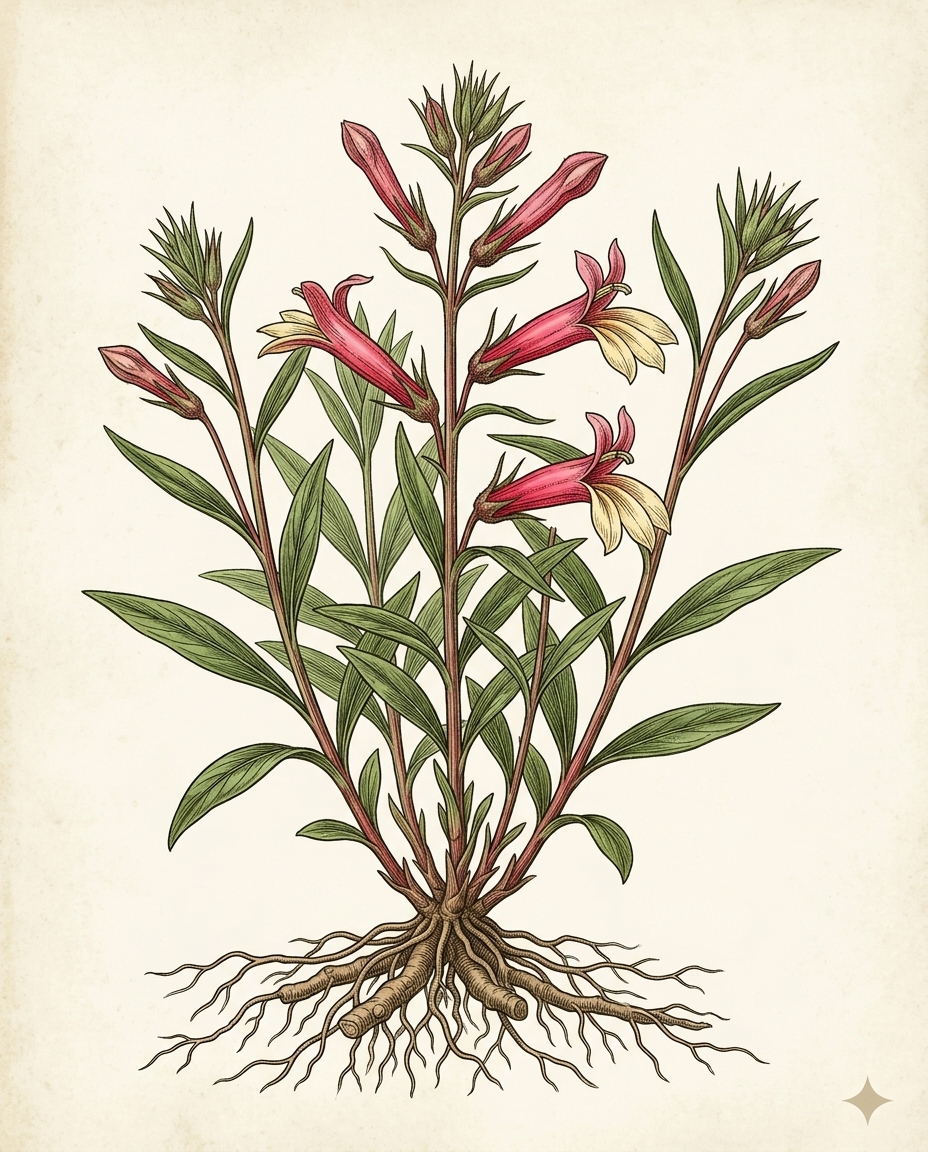
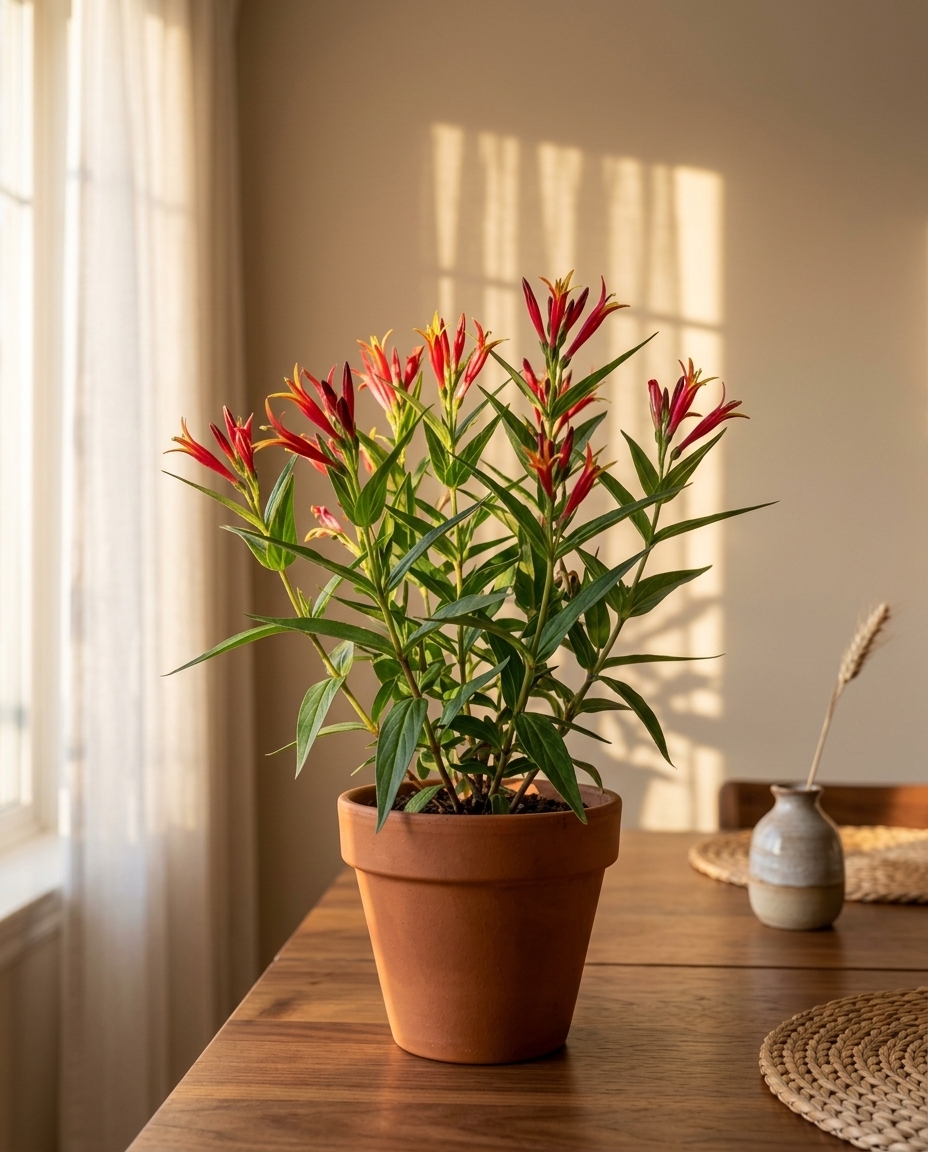
Plate ILobelia cardinalis — Cardinal Flower. Tall spike of scarlet tubular two-lipped flowers. Campanulaceae. ASPCA toxic — lobeline alkaloid, cardiac risk.
Three plants that look the part, without the risk.
Bright red and pink garden flowers that are ASPCA-safe — the cat-friendly alternatives if you wanted the cardinal-flower height and colour without the lobeline alkaloid.
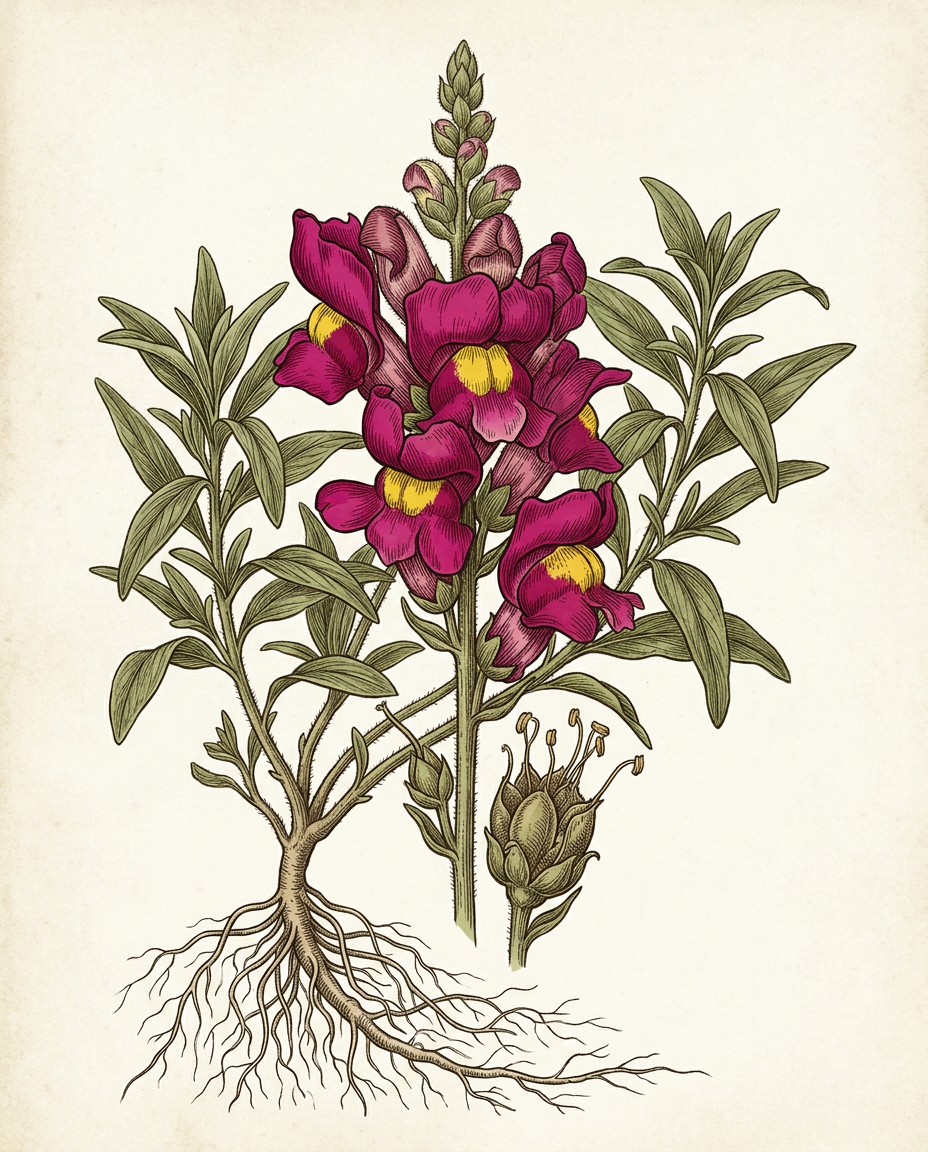
Snapdragon
For a tall flower-spike form at ASPCA non-toxic. Different flower shape but same vertical garden role.
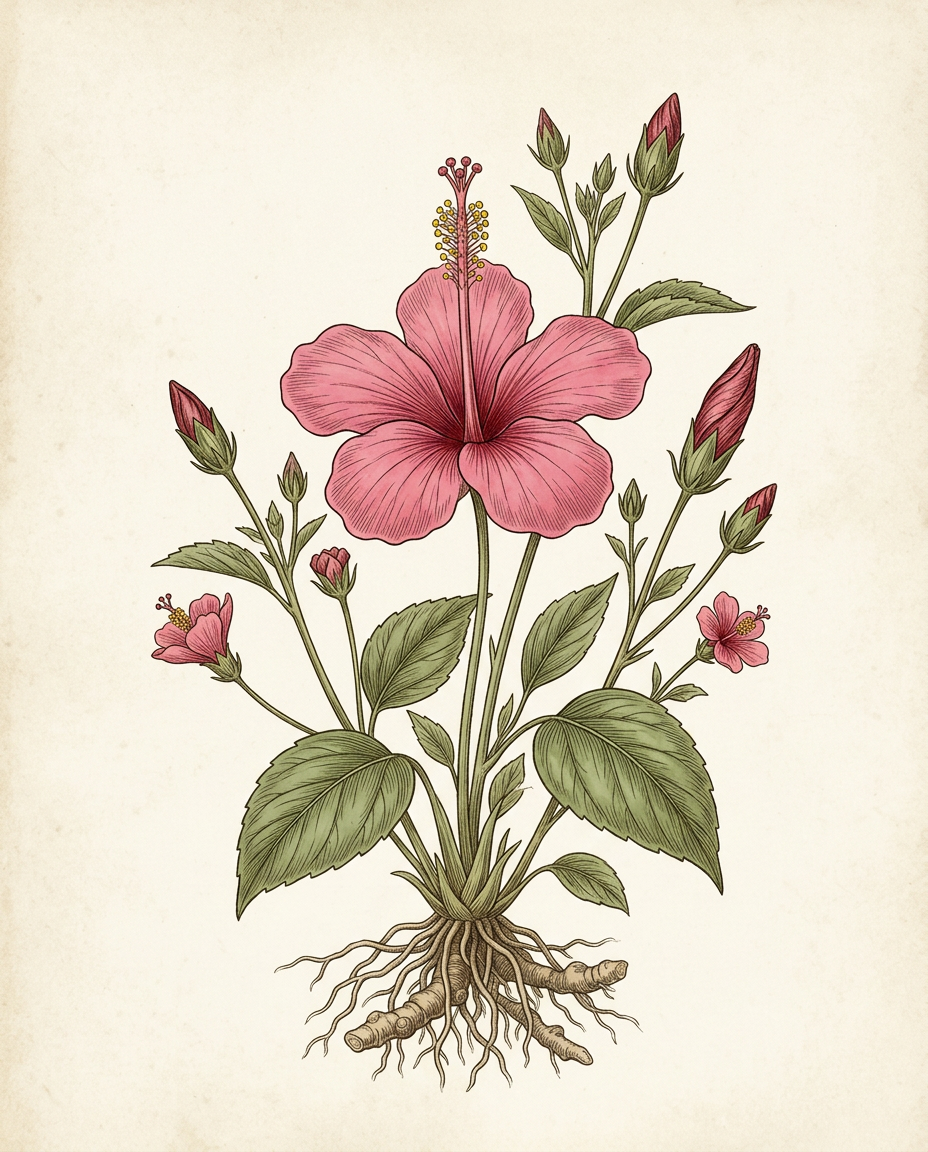
Hibiscus
For showy scarlet trumpet-shaped flowers at ASPCA non-toxic. Larger shrub form, different scale, same hummingbird appeal.
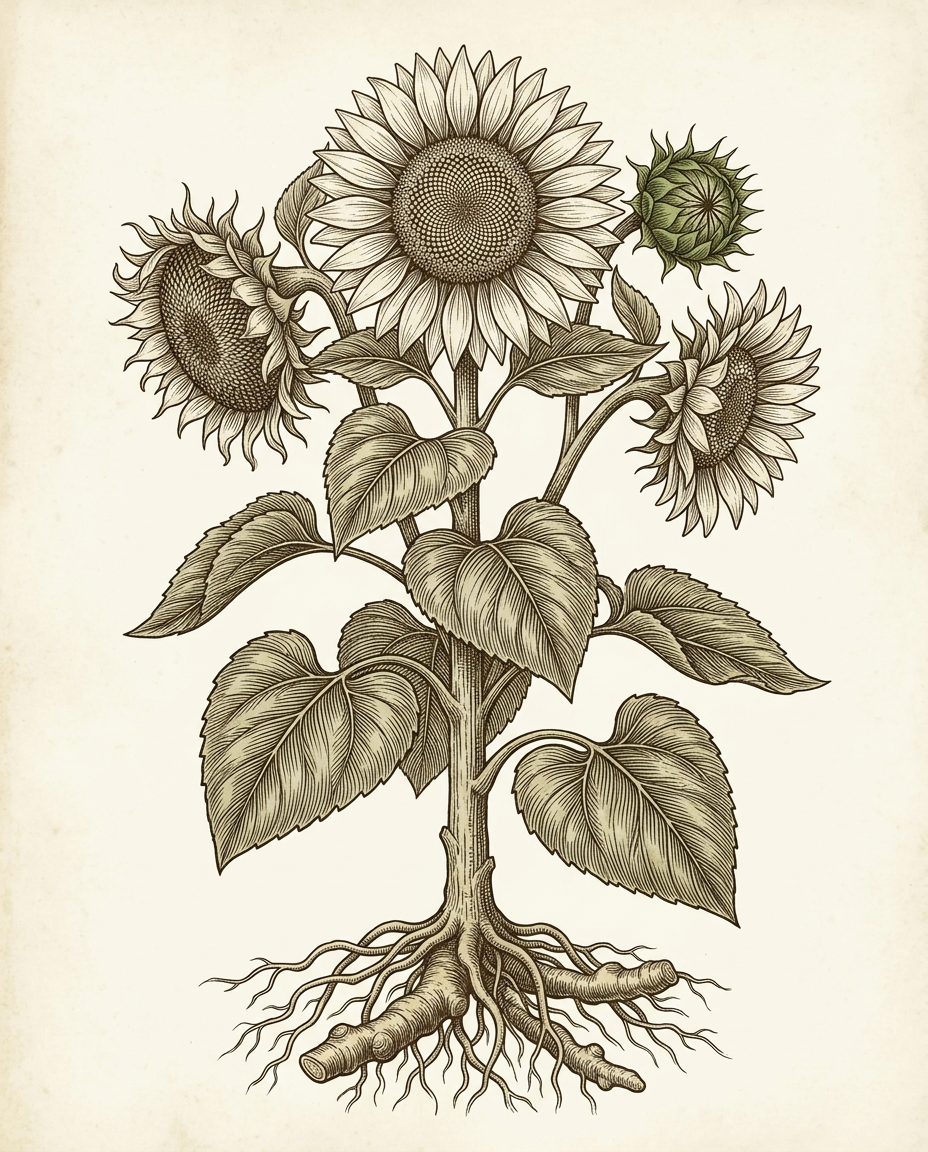
Sunflower
For a tall summer garden anchor at ASPCA non-toxic. Different colour palette but same back-of-border height.
Why lobelia hits the cardiac flag.
Yes — lobelia is toxic to cats. The ASPCA lists Lobelia cardinalis (Cardinal Flower, also called Indian Pink) as toxic to dogs, toxic to cats, and toxic to horses. The toxic principle is lobeline, a piperidine alkaloid. Clinical signs include depression, diarrhea, vomiting, excessive salivation, abdominal pain, and heart rhythm disturbances.
The ASPCA verdict, verbatim: Toxicity: Toxic to Dogs, Toxic to Cats, Toxic to Horses · Family: Campanulaceae · Additional Common Names: Cardinal Flower, Indian Pink · Scientific Name: Lobelia cardinalis · Toxic Principles: Lobeline · Clinical Signs: Depression, diarrhea, vomiting, excessive salivation, abdominal pain, heart rhythm disturbances.
The clinical signs list is the part to read carefully. Most plant-toxicity profiles are GI-only. Lobelia adds heart rhythm disturbances to that list — and that single phrase moves it out of the mild-houseplant tier into the genuinely serious category.
Why the cardiac flag matters
Lobeline is pharmacologically similar to nicotine. Both bind nicotinic acetylcholine receptors (nAChR), a receptor family that exists in the autonomic nervous system, in the brain, and in the heart's pacemaker tissue (the sinoatrial node).
At low doses, lobeline-induced nicotinic receptor activation produces the autonomic GI signs ASPCA lists — vomiting, excessive salivation, diarrhea, abdominal pain — because the autonomic nervous system controls digestion. At higher doses, the same activation reaches the sinoatrial node and produces heart rhythm disturbances: rapid heartbeat, irregular beats, in severe cases bradycardia and collapse.
This is the same mechanism that makes tobacco and cigarette butts dangerous to cats — different botanical family (Solanaceae vs Campanulaceae), same nicotinic receptor target, same cardiac risk profile. If you have a cat that ingested either lobelia or any nicotine source, the response protocol is the same: GI signs are concerning but tolerable; cardiac signs are an emergency.
Severity framing — when to call the vet
Realistic lobelia exposure scenarios:
- Single flower or leaf nibble — watch the cat for 12 to 24 hours. Mild GI is the worst-case expected outcome at this dose.
- Multiple flowers or sustained chewing — call the ASPCA Animal Poison Control Center at 888-426-4435 ($95 consultation). Expect GI signs and possibly depression; monitor for cardiac signs.
- Any irregular heartbeat, rapid breathing, or collapse — emergency vet visit immediately. The cardiac flag is what makes lobelia different from milder garden toxicities.
- Herbal lobelia tincture or capsule ingestion — emergency. Concentrated lobeline (sold historically as "Indian tobacco" for respiratory complaints) carries a much higher dose than the live plant.
Common-name traps
Two specific naming notes worth flagging:
- "Cardinal Flower" is the ASPCA's main common name for Lobelia cardinalis and is unambiguous — it refers to this plant.
- "Indian Pink" is on the ASPCA Additional Common Names list for Lobelia cardinalis — but is also sometimes used for Spigelia marilandica, a separate toxic plant. If you're identifying by common name only, verify the Latin name on the tag.
- "Lobelia" as a common name technically covers the whole genus including the closely-related Lobelia inflata ("Indian tobacco," herbal supplement species) which has higher lobeline concentrations and is even more dangerous than L. cardinalis. ASPCA's main entry covers cardinalis but the lobeline mechanism applies across the genus — treat all Lobelia species as toxic to cats.
Cat-safe alternatives for the lobelia role
If you bought lobelia for the tall scarlet hummingbird-flower look and want a safer swap:
- Snapdragon — ASPCA non-toxic, similar flower-spike form, similar back-of-border height.
- Hibiscus — non-toxic flowering shrub with showy scarlet trumpets (in red cultivars).
- Sunflower — non-toxic tall summer anchor; different palette but same vertical garden role.
- Marigold — non-toxic, hot-orange colour, hummingbird-friendly.
Avoid placing lobelia next to foxglove, oleander, larkspur, or rhododendron without barriers — those are the cardiac-and-neurological-tier garden plants that share the moderate-to-severe toxicity profile. For the full toxic landscape see toxic plants for cats and for safer cottage-garden options cat-safe plants.
What we have actually seen.
GI signs first
ASPCA lists vomiting, diarrhea, and excessive salivation as the early-hours clinical signs. Onset within hours of meaningful ingestion. Standard plant-GI pattern.
Cardiac rhythm disturbances
The severity-tier sign for lobeline. Heart rhythm disturbances are unusual in plant-toxicity profiles outside the foxglove/oleander cardiac glycoside group, and they put lobelia in a more serious category than its mild-looking GI symptoms would suggest. Any irregular heartbeat after lobelia ingestion warrants emergency vet contact.
Depression and abdominal pain
ASPCA also flags depression (lethargy, withdrawn behaviour) and abdominal pain. Combined with GI signs, this is the typical moderate-ingestion picture.
Mild casual chews
A cat that nibbles one flower or leaf usually has no symptoms — toxin dose in casual exposure is small. Worry scales sharply with quantity.
- ASPCA Animal Poison Control Center. Toxic and Non-Toxic Plants: Lobelia.Accessed June 2026 · aspca.org · Lobelia cardinalis (Cardinal Flower, Indian Pink) · Toxic to Dogs, Toxic to Cats, Toxic to Horses · Family Campanulaceae · Toxic Principles: Lobeline · Clinical Signs: Depression, diarrhea, vomiting, excessive salivation, abdominal pain, heart rhythm disturbances
- Veterinary Information Network. Lobeline mechanism — nicotinic acetylcholine receptor activity.Lobeline acts pharmacologically similar to nicotine at nicotinic acetylcholine receptors. Same receptor family explains both the GI signs and the cardiac rhythm flag