Marigold
Calendula officinalis / Tagetes spp.
The plant called "marigold" can mean two different genera. ASPCA lists pot marigold (Calendula) as non-toxic. The French and African marigolds in seed packets (Tagetes) are not on the ASPCA list and are widely reported mildly toxic. Read the Latin name.
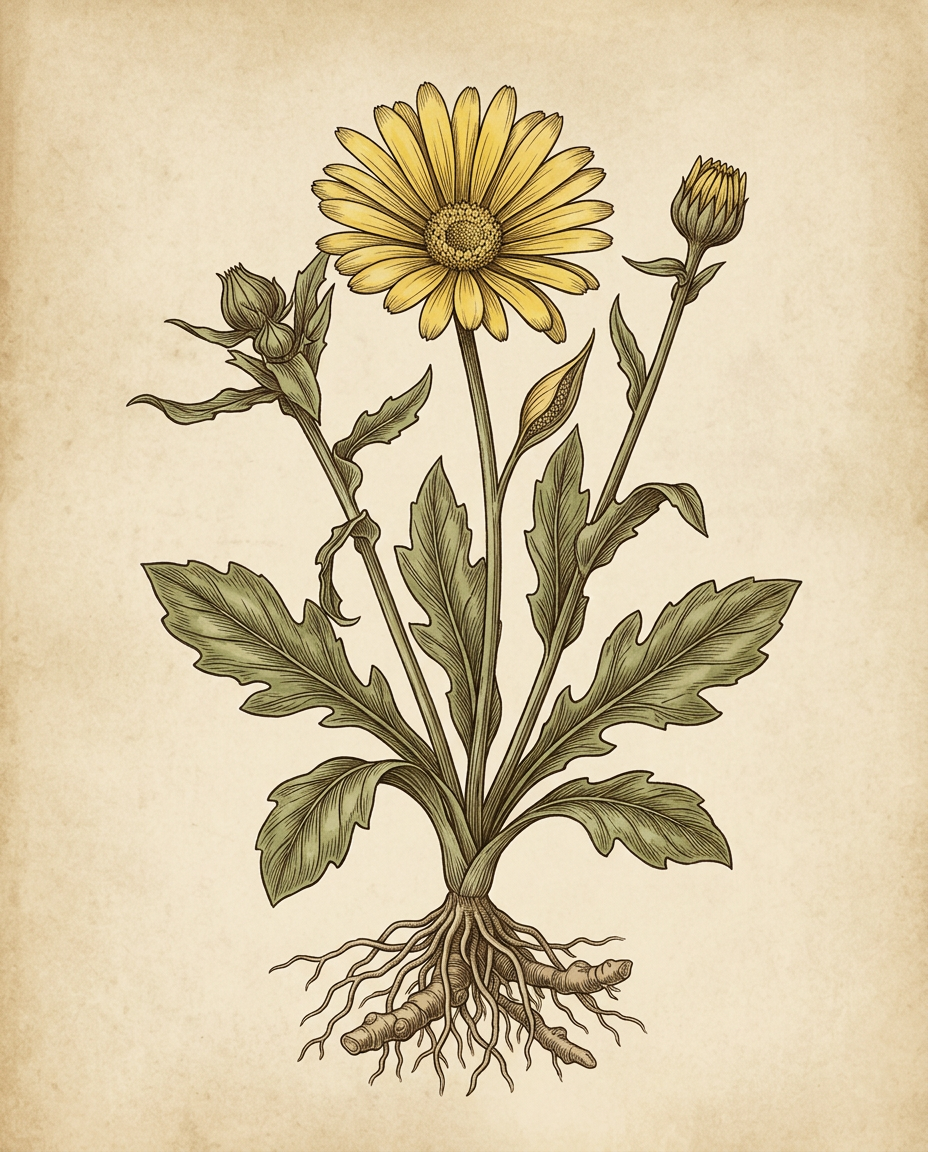
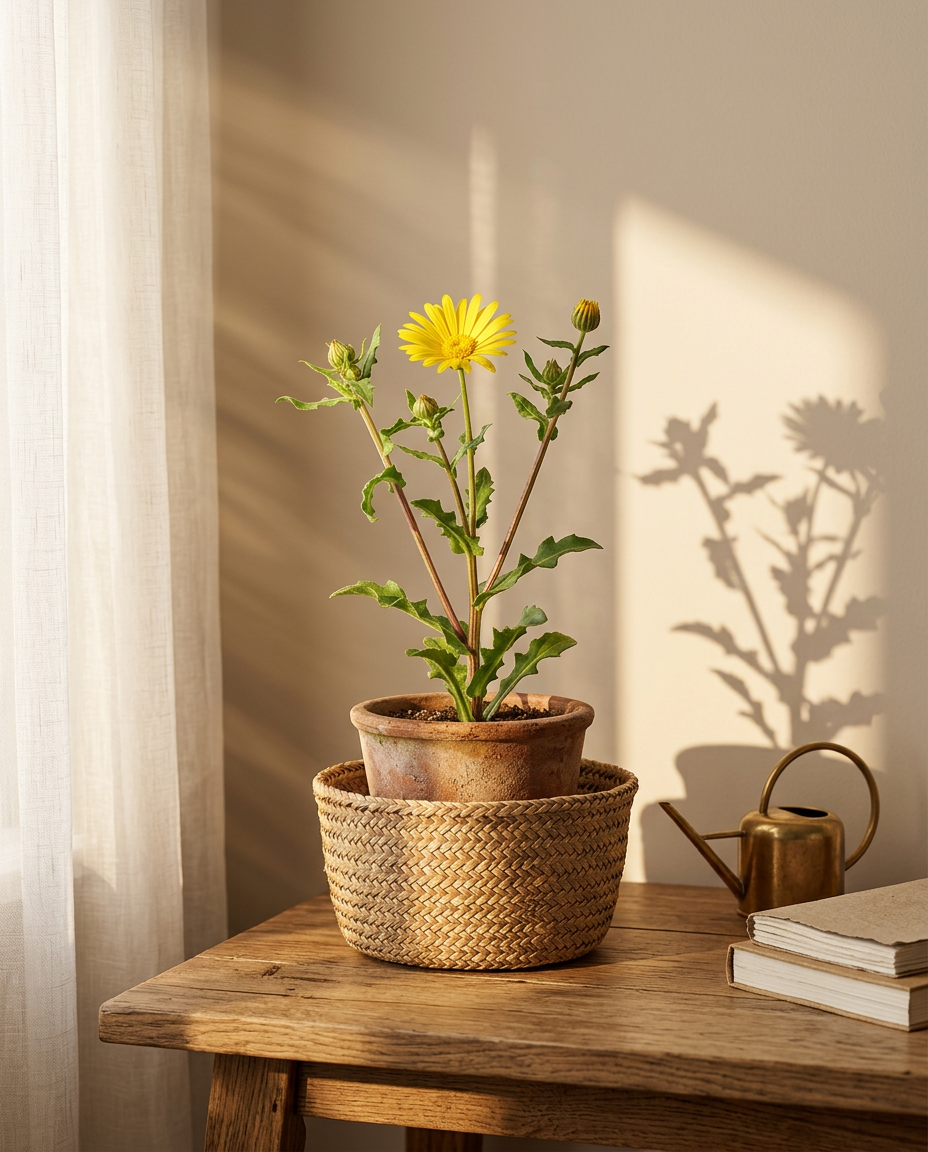
Plate ITwo plants share the common name "marigold". Calendula officinalis (pot marigold) is on the ASPCA non-toxic list. Tagetes (French and African marigold) — the bedding-plant marigold most people grow — is not listed on ASPCA and is widely reported mildly toxic for cats.
How to read the Latin name.
It depends on which marigold — and this matters more than usual because the common name is shared by two completely different genera with two different ASPCA verdicts.
- Pot marigold (Calendula officinalis) is on the ASPCA non-toxic list under the entry titled Garden Marigold. It is the edible-petal herb used in salads, soaps, and skin-care products. Safe for cats.
- French and African marigold (Tagetes patula and Tagetes erecta) are the bedding-plant marigolds in seed packets and garden centres. ASPCA does not catalogue Tagetes directly. Secondary vet sources report mild GI upset and occasional skin irritation from the essential oils. We do not give a clean safe verdict for Tagetes.
When someone asks "are marigolds safe for cats," they usually mean Tagetes. The honest answer is: the most popular marigolds in your seed packet are not the ones ASPCA lists.
How to tell which is which on the label
Common names overlap. The Latin binomial is the only reliable signal.
- Calendula officinalis — the safe one. Pot marigold or English marigold. Petals are edible and sold as herbal tea. About 30 to 60 cm tall, single or semi-double yellow-orange flowers, slightly aromatic but not overpoweringly so.
- Tagetes patula (French), T. erecta (African), T. tenuifolia (signet) — the bedding-plant marigolds. Strongly aromatic foliage, dense ruffled flowers in yellow-orange-red. The seed-packet standard for borders and pest deterrence.
If the label says Calendula, it is safe. If it says Tagetes, we treat it as insufficient data and lean conservative.
Marsh marigold is a third plant, not a marigold
Caltha palustris — sold as marsh marigold or kingcup — is in the buttercup family (Ranunculaceae) and is unrelated to either Calendula or Tagetes. Secondary sources report it toxic; ASPCA does not list it. It is mostly a wild wetland plant, not a household concern.
What the secondary sources actually say about Tagetes
Pet Poison Helpline and several vet-reviewed houseplant references describe Tagetes as a mild GI irritant and potential contact-dermatitis trigger via its essential oils — geraniol, limonene, and related terpenes are present in the leaf and flower. Cats that nibble the foliage may drool or vomit; cats with sustained skin contact may show paw or muzzle redness. None of these sources rates Tagetes as severely toxic, and there are no widely cited fatal cases in cats. But none of them rates it as confirmed safe either.
Following our ZZ plant framework — when ASPCA is silent and secondary literature flags a mild risk — we record this as insufficient data and lean conservative.
Cat-safe substitutes
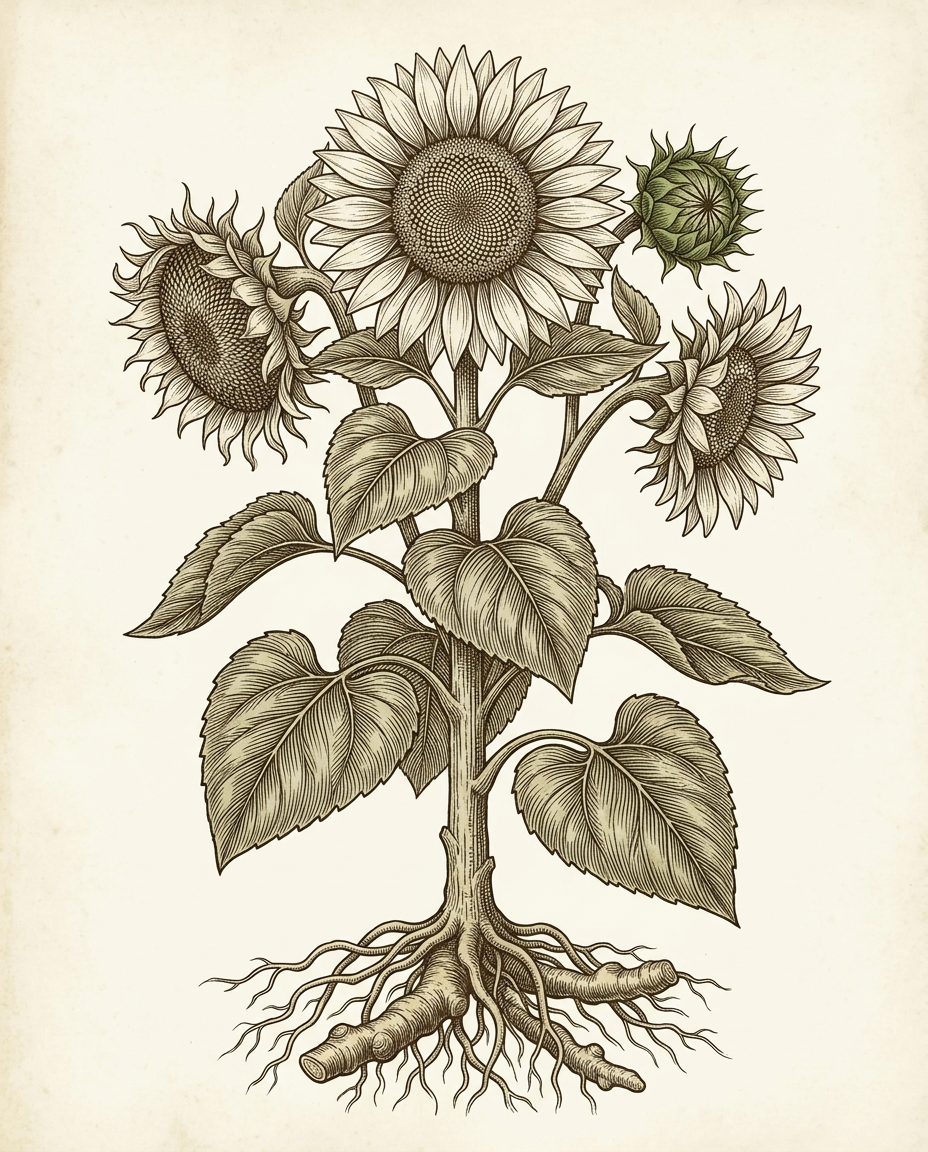
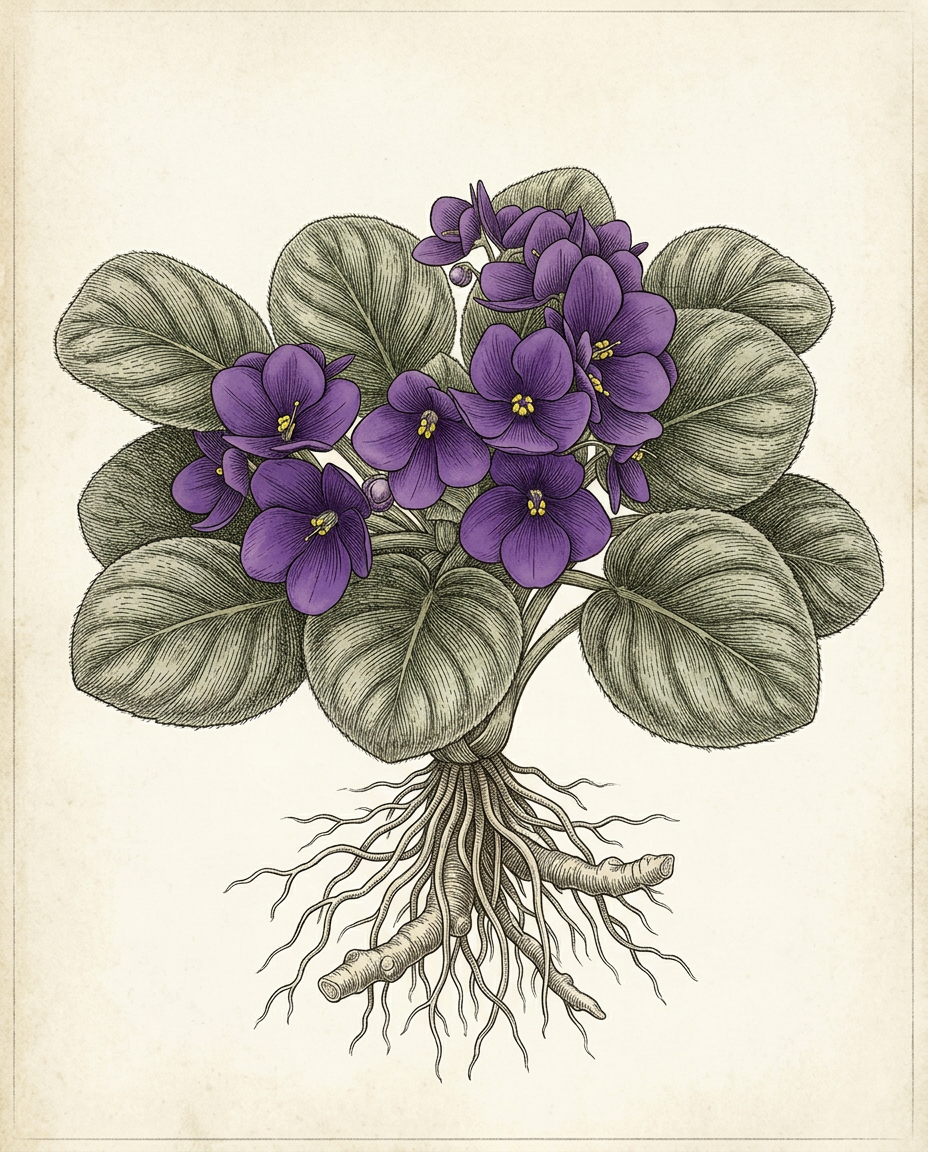
For the bright orange-yellow garden-bed role, sunflowers (Helianthus annuus) are ASPCA non-toxic and cover the same cottage palette. Roses and African violets extend the colour range. If you specifically want a marigold, Calendula officinalis — sold as pot marigold — is the cleanly safe choice and fills the same border or windowsill role.
For the related "ASPCA database gap" pattern, see our ZZ plant page.
What we have actually seen.
Tagetes leaf chew — mild GI
Cats that nibble French or African marigold foliage typically show mild vomiting or drooling from the essential oils. Reports are anecdotal; ASPCA does not catalogue the species directly.
Contact dermatitis
Tagetes essential oils can cause skin irritation on paws or muzzle in sensitive cats. More common with sustained contact than a brief chew.
Calendula — non-toxic
Pot marigold (Calendula officinalis) is on the ASPCA non-toxic list. Cats may experience mild GI upset from any plant material, but there is no specific toxin.
- ASPCA Animal Poison Control Center. Toxic and Non-Toxic Plants: Garden Marigold (Calendula officinalis).Accessed June 2026 · aspca.org · Non-Toxic to cats, dogs · Note: ASPCA Garden Marigold entry is Calendula, not Tagetes
- ASPCA Animal Poison Control Center. Toxic and Non-Toxic Plants database.Tagetes species are not catalogued individually as of June 2026.
- Pet Poison Helpline. Marigold (Tagetes) toxicity in companion animals.Reports mild GI and dermatitis from essential oils in Tagetes
- Hepper. Are Marigolds Poisonous to Cats? Vet-Reviewed.Notes the ASPCA Garden Marigold entry is Calendula, not Tagetes
If you liked this, also safe.