Nasturtium
Tropaeolum majus
Garden nasturtium (Tropaeolum majus) is non-toxic to cats per the ASPCA — flowers, leaves, and seeds. The peppery edible cottage-garden flower with no records of toxic ingestion. Not to be confused with watercress.
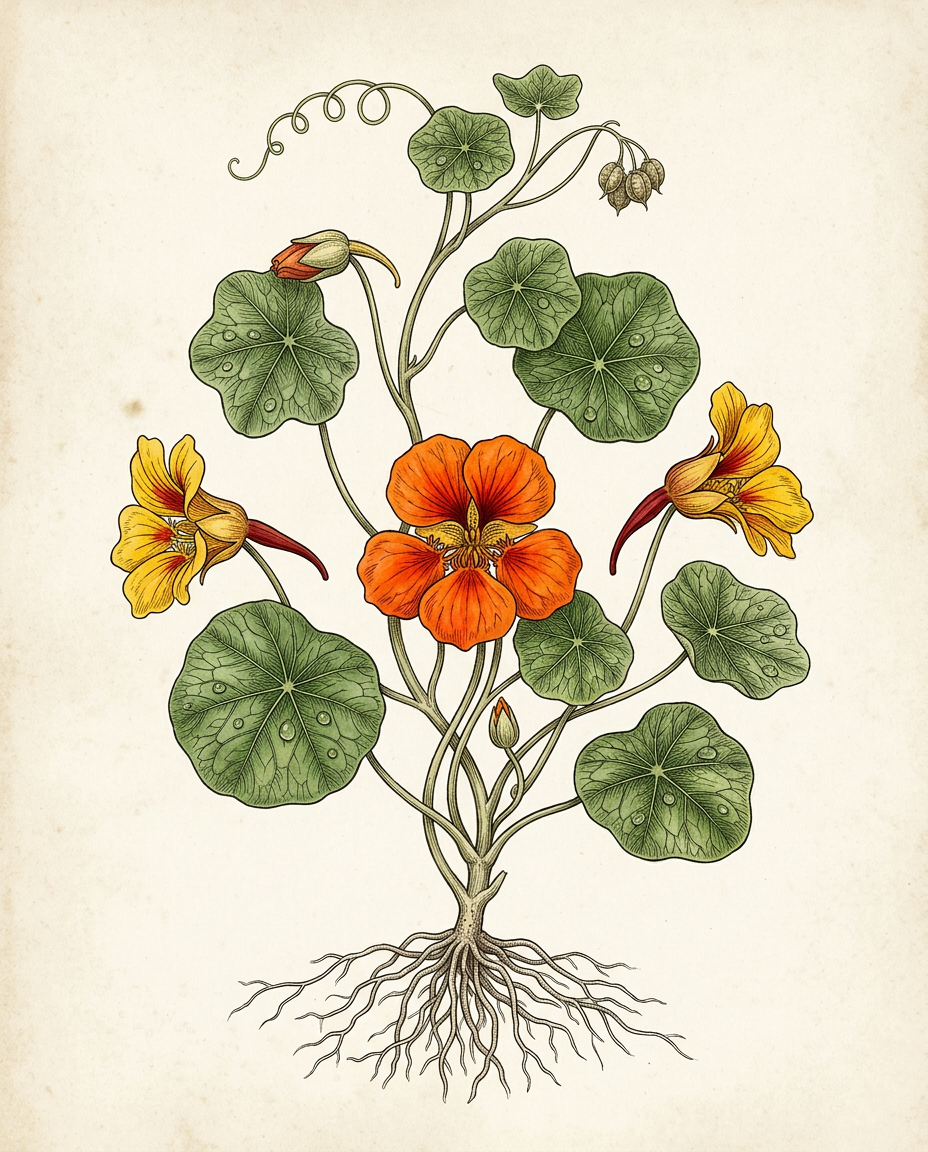
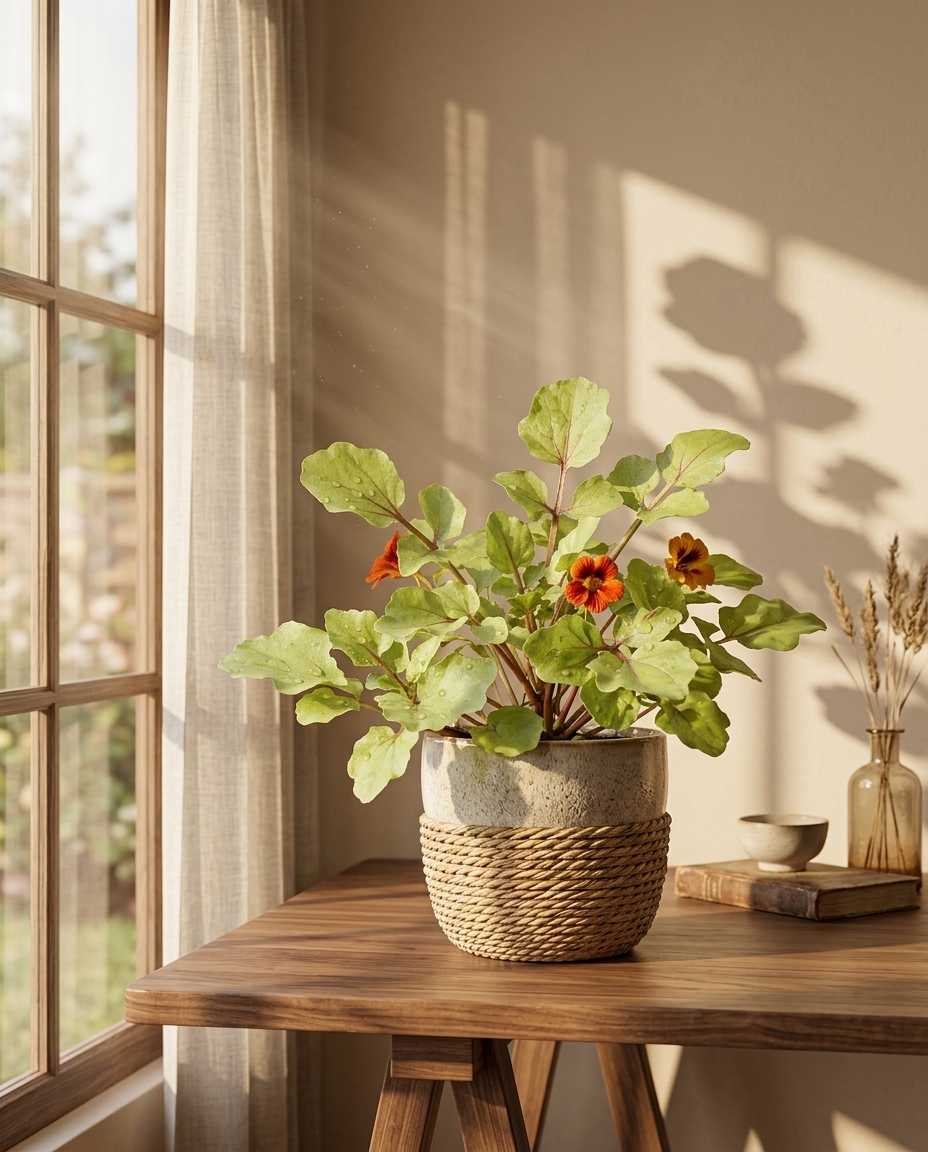
Plate ITropaeolum majus — garden nasturtium. Round peltate shield-leaves and trumpet-spurred orange flower. ASPCA non-toxic — the edible peppery cottage flower.
Why nasturtium is the safest cottage flower.
Yes — nasturtiums are safe for cats. The ASPCA lists Tropaeolum majus (garden nasturtium, also called Nose-Twister or Nose-Tweaker for the peppery smell) as non-toxic to dogs, non-toxic to cats, and non-toxic to horses. The clinical-signs field is the one to notice: No records of toxic ingestion from this plant. That is among the strongest safety verdicts ASPCA ever gives.
The ASPCA verdict, verbatim: Toxicity: Non-Toxic to Dogs, Non-Toxic to Cats, Non-Toxic to Horses · Family: Tropaeolaceae · Additional Common Names: Nose-Twister, Nose-Tweaker · Scientific Name: Tropaeolum majus · Toxic Principles: Non-toxic · Clinical Signs: No records of toxic ingestion from this plant.
The nasturtium / watercress naming tangle
The single most common source of confusion on this page is the name itself. Two completely unrelated plants share the common name "nasturtium":
- Garden nasturtium (this page) — Tropaeolum majus, family Tropaeolaceae, native to the Andes. The peppery edible cottage flower with round leaves and spurred trumpet blooms. ASPCA non-toxic.
- Watercress — Nasturtium officinale, family Brassicaceae, a European aquatic herb in the mustard family. Also ASPCA-style non-toxic but a different plant entirely.
Both are peppery, both are edible, both got the "nasturtium" common name in different historical traditions. Both happen to be safe for cats, so the practical answer is the same in either case — but if you are reading care guides or seed packets the distinction matters. Tropaeolum if it looks like a cottage flower; Nasturtium if it looks like a watercress salad green.
Why the peppery flavour matters
The flavour that makes nasturtium a salad green is the same flavour that makes it cat-self-deterrent. Tropaeolum produces glucosinolates (the mustard-oil compound family) that give the leaves and flowers their sharp peppery bite. Humans enjoy this; most cats taste it once, dislike it, and walk away. From a cat-household perspective this is a perfect combination: ASPCA non-toxic safety profile plus sensory self-limiting — the cat is unlikely to keep eating it even when chemically safe.
This is the same principle that makes basil, rosemary, and the rest of the safe culinary-herb cluster low-actual-incident: ASPCA-safe plus aromatic-deterrent. Nasturtium is the equivalent in the flowering-ornamental category.
Edible — for humans and incidentally for cats
Nasturtium is a popular edible flower. Petals go on salads; leaves go on sandwiches; immature seed pods are pickled as a caper substitute. None of this introduces a cat risk. If your cat steals a nasturtium-garnished plate, no concern. If you grow nasturtiums on the kitchen windowsill, no concern. If the cat noses through the bed and chews a flower while you garden, no concern.
Pairing nasturtium in a cat-safe garden
Nasturtium fits cleanly into a cat-safe ornamental and edible mix:
- Marigold — another bright safe cottage flower, ASPCA non-toxic.
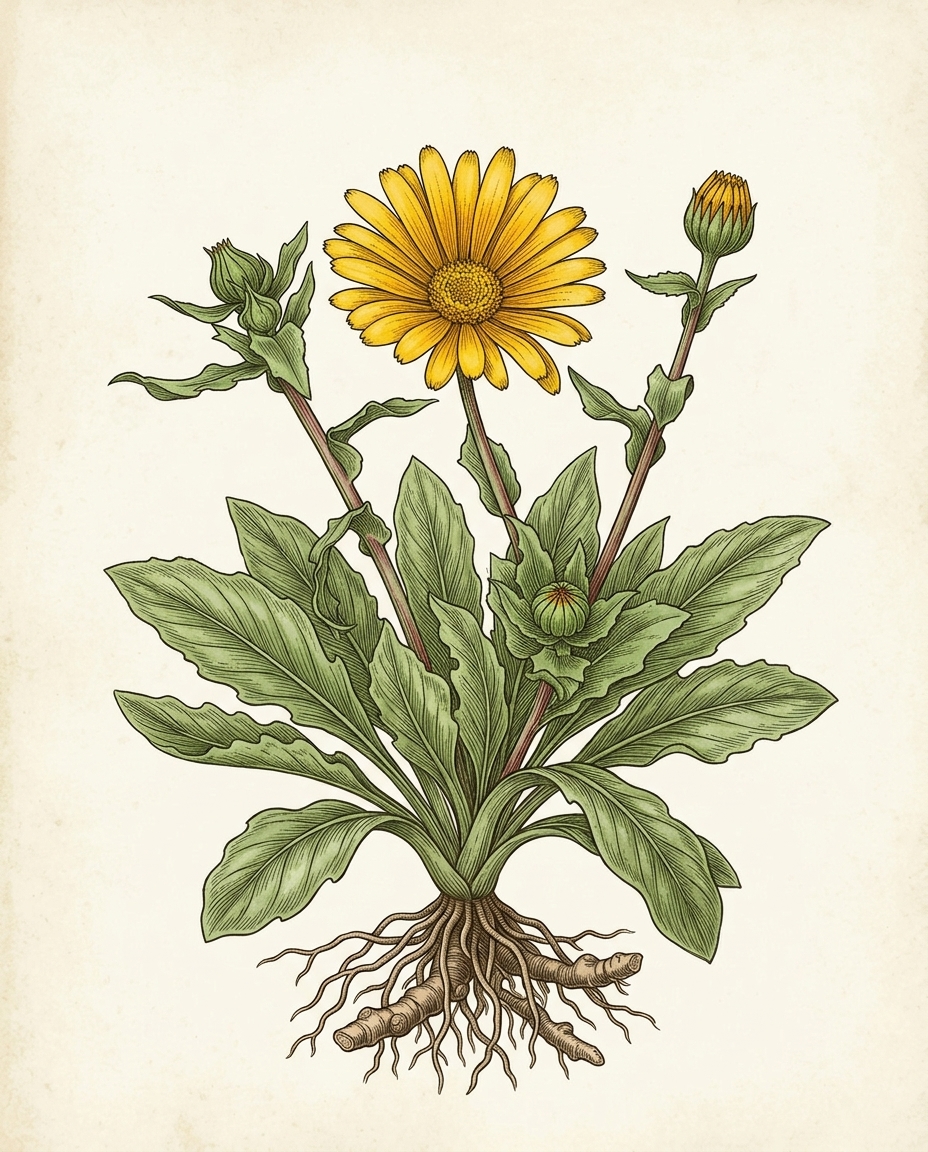
- Calendula — the "pot marigold," similar safe edible-flower profile.
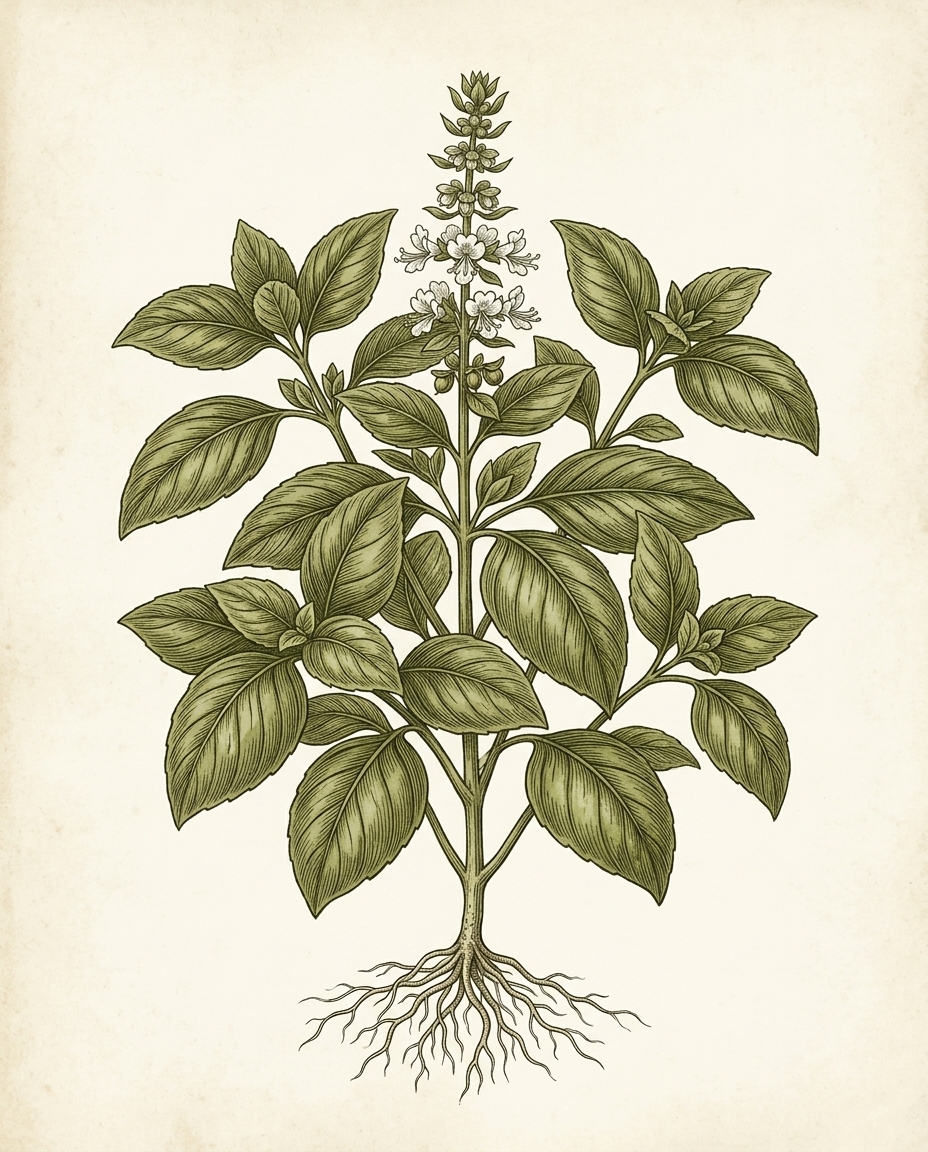
- Basil — safe culinary herb; nasturtium and basil are classic companion plants.
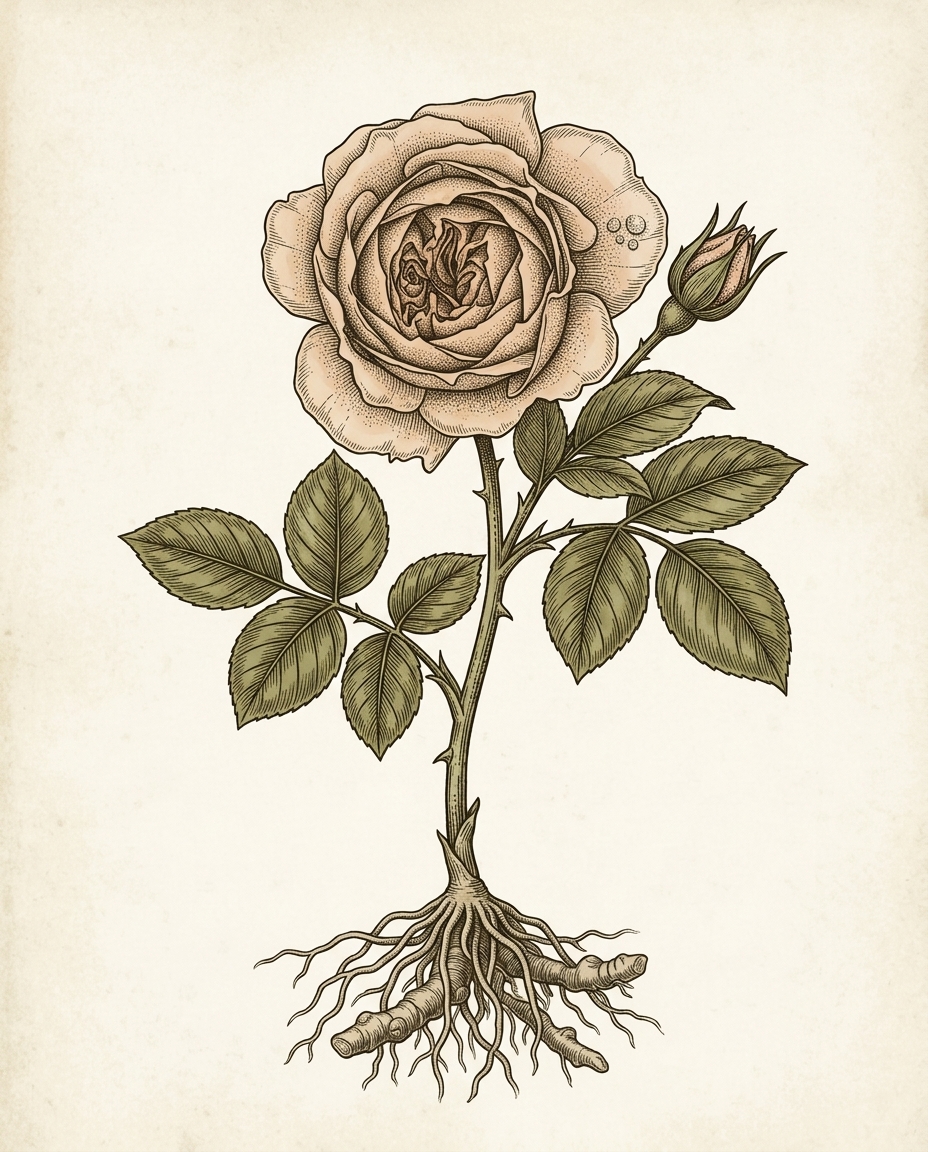
- Rose — non-toxic flowering shrub for the same border.
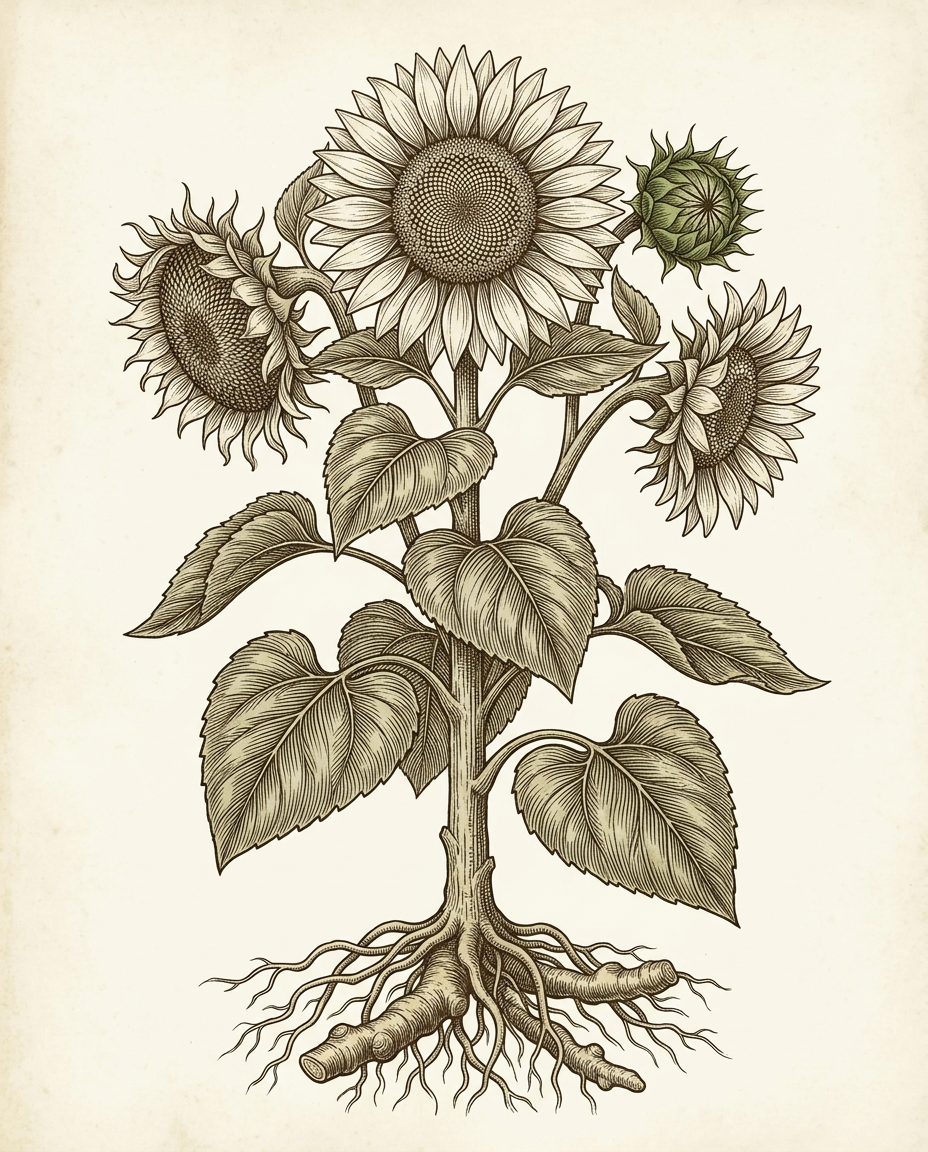
- Sunflower — taller safe annual for height behind low nasturtium.
Avoid mixing with foxglove, larkspur, oleander, or lily-of-the-valley without barriers — those are the highly-toxic cottage-garden flowers most likely to be confused at a casual glance by a child or a guest filling a vase. For the full toxic landscape see toxic plants for cats and for more cottage-flower options cat-safe plants.
What we have actually seen.
Flower-chewing
Cats sometimes nibble the bright trumpet blooms. Non-toxic — ASPCA records no toxic-ingestion reports for this plant.
Leaf-tasting
The peltate shield-leaves are peppery (the source of "nose-twister") — cats usually find the taste off-putting and self-limit.
Watercress confusion
The common name "nasturtium" is shared with watercress (Nasturtium officinale, Brassicaceae) — a totally different plant. Both happen to be ASPCA non-toxic but the genera are unrelated.
Mild fibrous vomiting
A cat that eats a mouthful of leaves may vomit mechanically. Self-limiting; no toxic effect.
Four common varieties.
Majus (classic)
The standard garden nasturtium — round leaves, single spurred orange flowers. ASPCA non-toxic.
Alaska (variegated)
Cream-marbled foliage form. Same Tropaeolum majus species, same non-toxic status.
Empress of India (deep red)
Crimson-flowered selection with dark blue-green leaves. Same safety profile.
Climbing (trailing form)
The long-stem trailing form for hanging baskets — flowers identical, ASPCA non-toxic.
Keeping the plant alive.
Full sun
Nasturtiums flower best in full sun outdoors; indoor specimens need a bright south-facing window. Shade reduces flowering, not safety.
Moderate, free-draining
Water moderately. Over-rich soil produces leaves at the expense of flowers — keep the diet lean.
Poor to average, free-draining
Nasturtiums famously prefer poor soil — the trick to abundant flowers. Standard houseplant compost is too rich; cut with sand or perlite.
Windowsill, balcony, hanging basket
Compact bush forms for pots, trailing forms for baskets. Cats can investigate freely.
- ASPCA Animal Poison Control Center. Toxic and Non-Toxic Plants: Nasturtium.Accessed June 2026 · aspca.org · Tropaeolum majus · Non-Toxic to Dogs, Non-Toxic to Cats, Non-Toxic to Horses · Family Tropaeolaceae · Additional Common Names: Nose-Twister, Nose-Tweaker · Toxic Principles: Non-toxic · Clinical Signs: No records of toxic ingestion from this plant.
- ASPCA Animal Poison Control Center. Toxic and Non-Toxic Plants: Watercress.For the naming-confusion contrast — different genus (Nasturtium officinale, Brassicaceae), also non-toxic
If you liked this, also safe.