Rosemary
Rosmarinus officinalis
Yes — rosemary is safe for cats. The ASPCA lists Rosmarinus officinalis as non-toxic to cats, dogs, and horses. Grow it on a windowsill; a curious nibble does no harm.
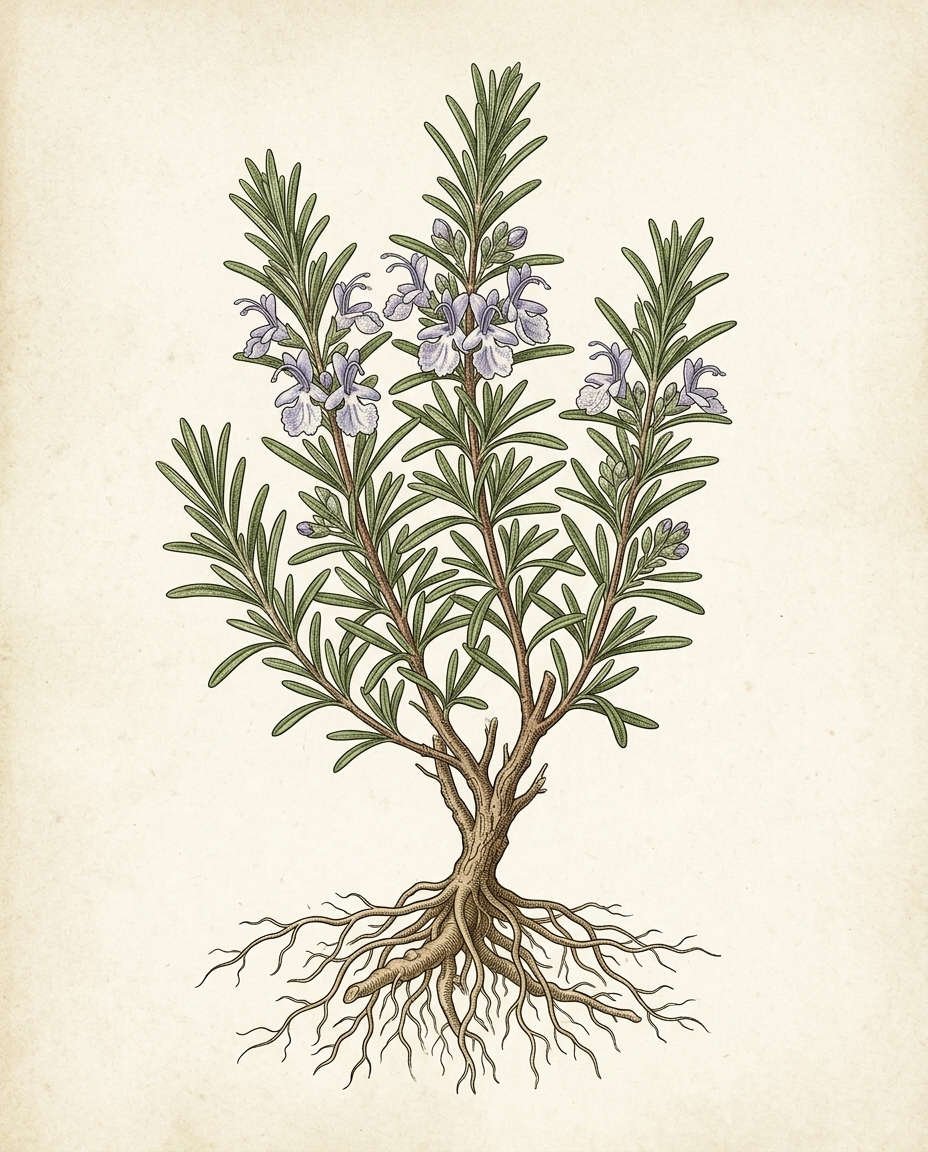
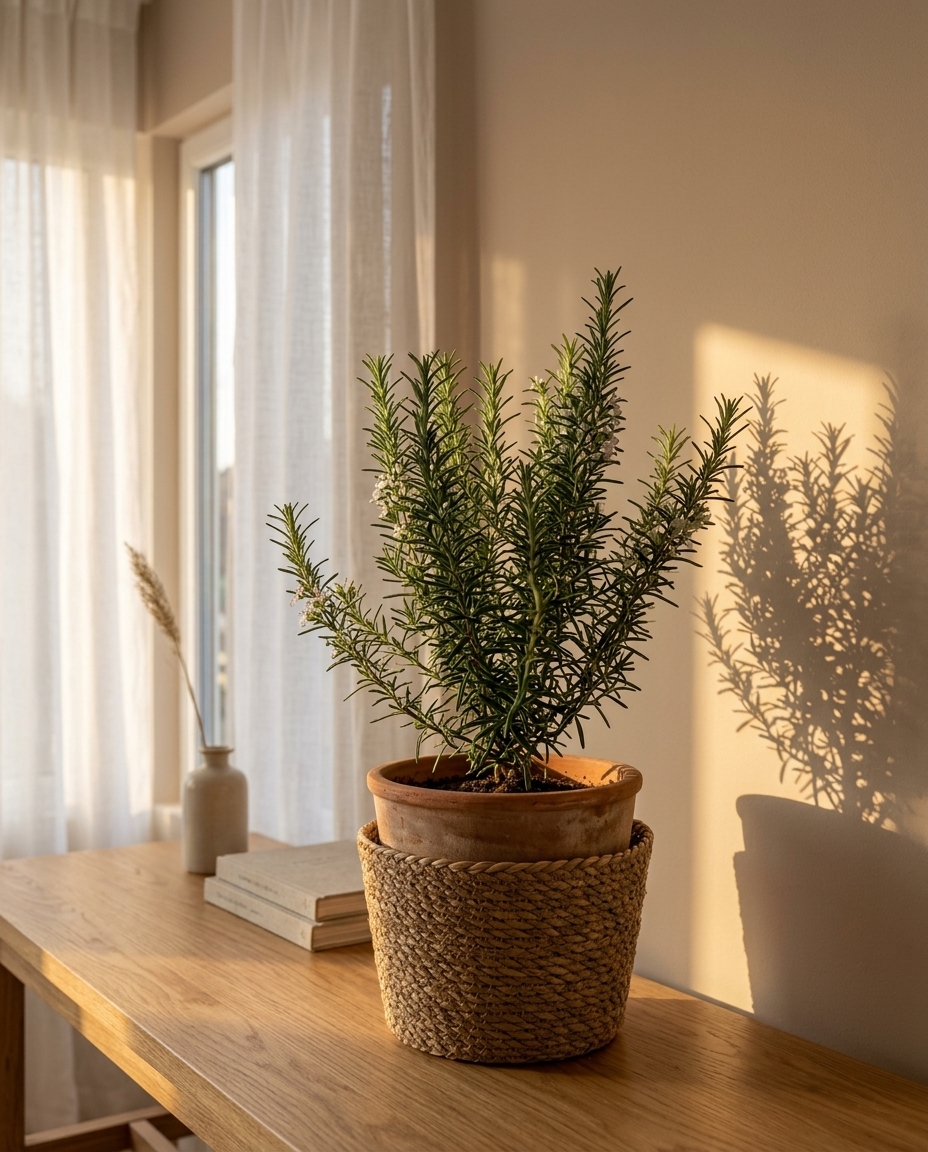
Plate IRosmarinus officinalis — the woody Mediterranean kitchen herb. A non-toxic culinary plant, safe to keep on a sunny windowsill with a cat in the house.
What happens if your cat eats it.
Yes — rosemary is safe for cats. The ASPCA lists Rosmarinus officinalis as non-toxic to cats, dogs, and horses. You can keep a pot on the kitchen windowsill or grow it freely outdoors in a cat household; a sample bite does no harm, with at most the mild stomach upset any animal might get from eating a lot of fibrous greenery.
Most cats ignore rosemary entirely. The strong piney aroma — the same resinous note that makes it useful in cooking — tends to send cats elsewhere after a single sniff. That makes it one of the easiest culinary herbs to share a kitchen with.
One distinction worth making
The growing or fresh herb is safe. Concentrated rosemary essential oil is a different thing entirely. Cats are missing some of the liver enzymes that break down phenolic compounds in essential oils, which is why diffusers and undiluted oils are a hazard cats cannot easily clear. Keep diluted blends well out of reach, and avoid running a rosemary-oil diffuser in a room where the cat sleeps.
Rosemary extract — the antioxidant preservative used in commercial pet food at very low levels — is a different matter again and is generally considered safe at the concentrations used. The hazard is the concentrated essential oil, not the herb.
Which other herbs are safe (and which are not)
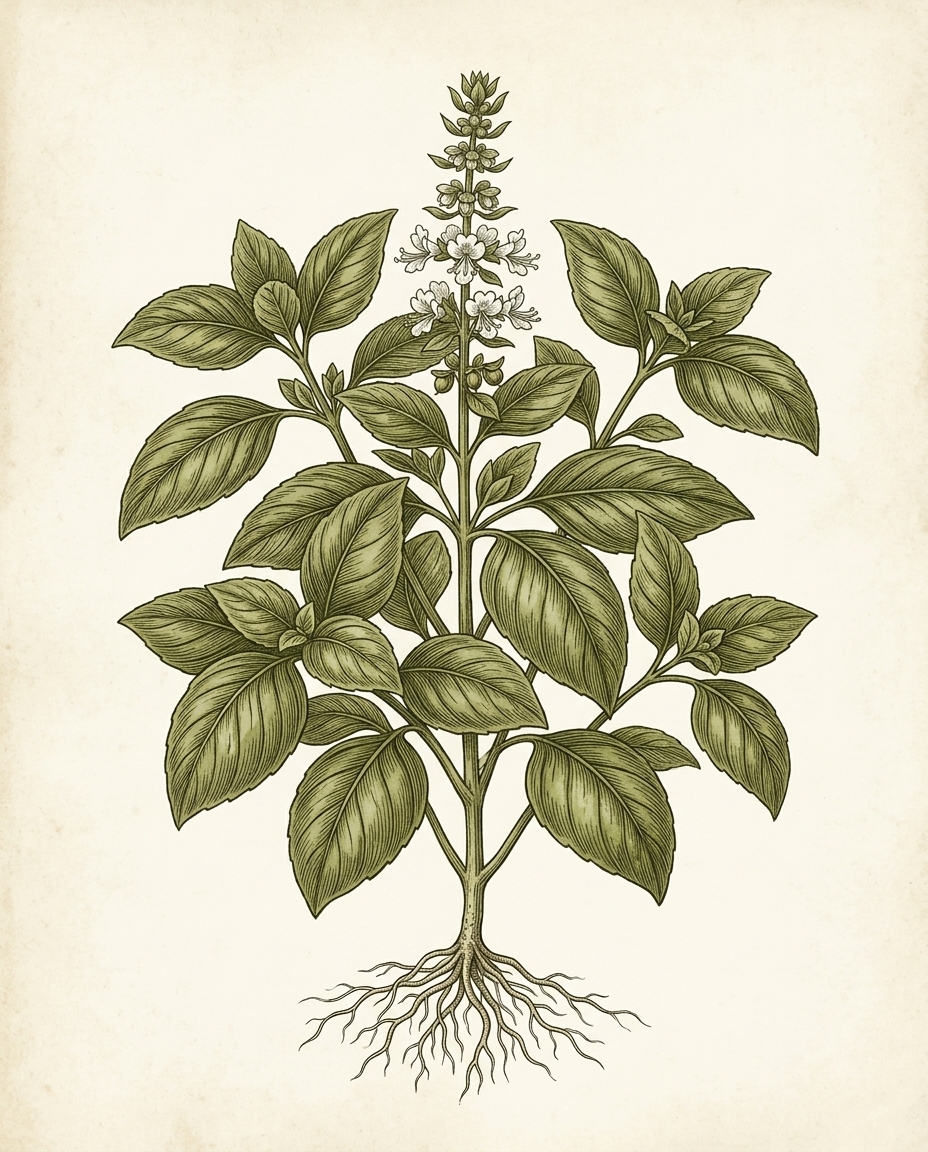
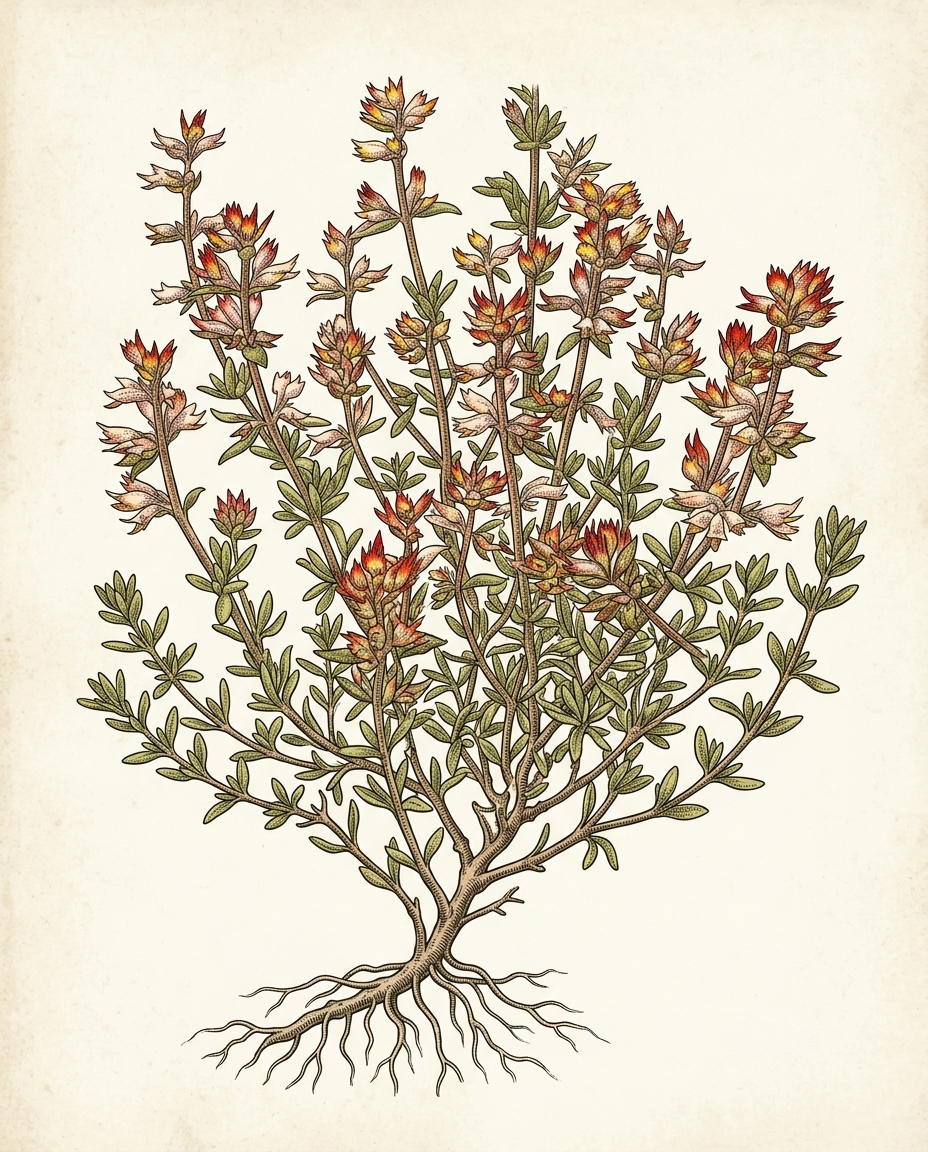
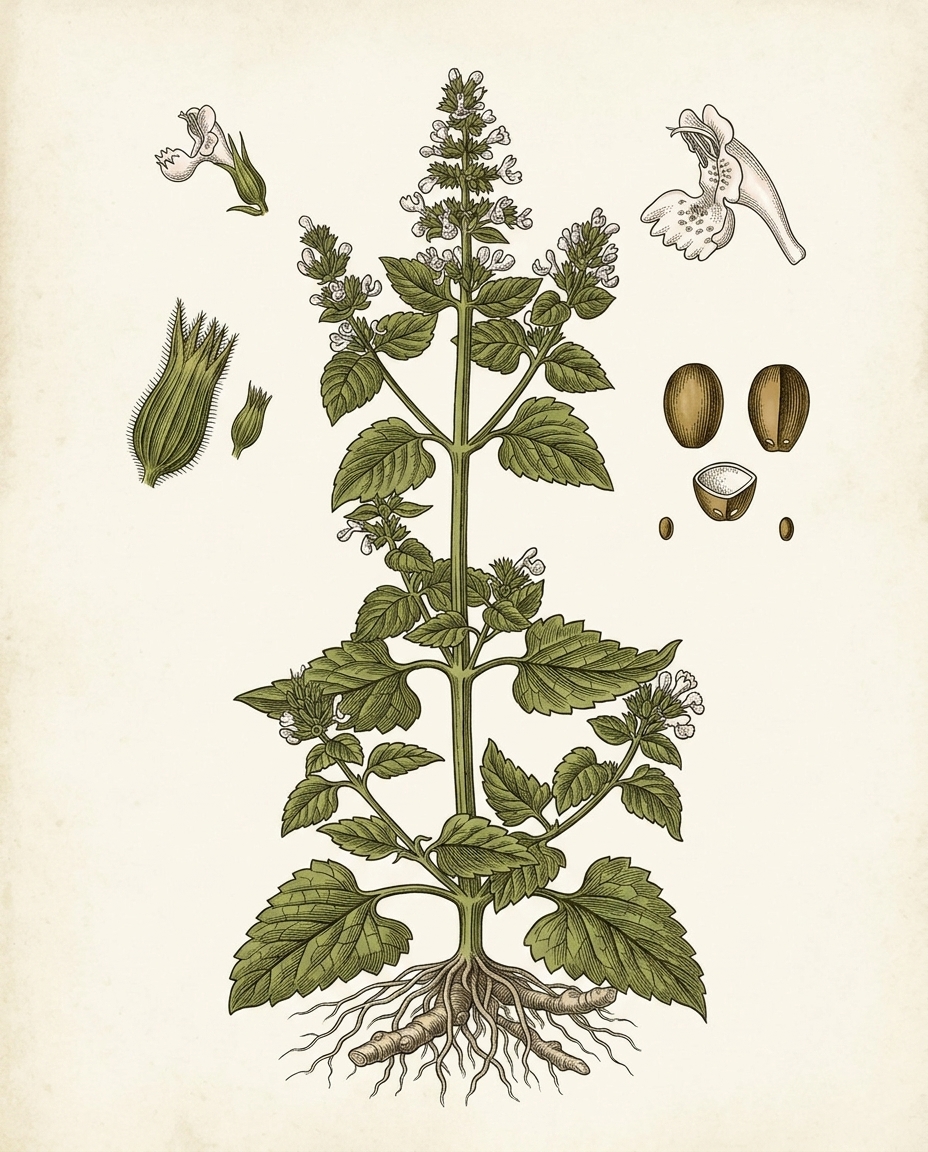
The mint family (Lamiaceae) is mixed for cats. Basil and English thyme join rosemary on the ASPCA non-toxic list — three classic kitchen herbs you can grow without rethinking the kitchen. Catnip is the headline Lamiaceae for cats — actively enjoyed rather than tolerated.
The trap is lavender — also Lamiaceae but ASPCA toxic — and "Spanish thyme" or "Indian Borage" (Coleus amboinicus), which despite the name is not a thyme at all and is on the ASPCA toxic list. Onions, chives, garlic, and leeks are Allium, not Lamiaceae, and are toxic to cats at lower doses than most plants.
Growing rosemary indoors
Rosemary wants Mediterranean conditions — bright light, free-draining soil, and a real dry-down between waterings. The most common way it dies indoors is overwatering, not the cat. A sunny south-facing windowsill, a gritty cactus-style soil mix, and patience between waterings will keep a kitchen rosemary productive for years.
Picking it for the kitchen
Strip needles from the stem in the opposite direction to growth — they come away cleanly. Regular harvesting also keeps the plant compact and bushy. A pinch of fresh rosemary is one of the few culinary additions you can chop on a worktop with a curious cat watching, without any safety question to think about.
What we have actually seen.
No toxicity
Rosemary contains nothing poisonous to cats per the ASPCA. A nibbled needle is entirely harmless.
Mild stomach upset
As with any plant, a cat that eats a large amount may vomit from the fibre — not from a toxin.
Indifference
The strong piney aroma puts most cats off. Rosemary is rarely a target for chewing.
Watch the essential oil
Concentrated rosemary essential oil is a different matter. Like most essential oils, it can be harmful to cats; keep diffusers and undiluted oil away from your cat.
Four common varieties.
Tuscan Blue (upright kitchen rosemary)
The standard culinary upright — tall, productive, deep-blue flowers in spring.
Prostratus (trailing cascade)
A trailing rosemary for hanging baskets and wall pots. Same non-toxic status, different shape.
Arp (cold-hardy)
A hardier cultivar that survives winters down to about -10°C. Useful outdoors in temperate gardens.
Keeping the plant alive.
Bright, sunny
Rosemary needs at least six hours of direct light. A south-facing windowsill or sunny patio keeps it compact and aromatic.
Let it dry between
Mediterranean herb — let the top half of the soil dry between waterings. Soggy roots are the main way rosemary dies indoors.
Free-draining gritty mix
Use a cactus or herb mix with extra grit. Standard potting compost holds too much moisture for rosemary's liking.
Kitchen windowsill
Pick sprigs as you cook — regular pruning keeps the plant bushy. Cats usually ignore the resinous scent.
- ASPCA Animal Poison Control Center. Toxic and Non-Toxic Plants: Rosemary.Accessed June 2026 · aspca.org
- Pet Poison Helpline. Plants Non-Toxic to Cats.Reference list · 2024 ed.
If you liked this, also safe.