Thyme
Thymus vulgaris
Yes — English thyme is safe for cats. The ASPCA lists Thymus vulgaris as non-toxic. The trap is "Spanish thyme" (Coleus amboinicus), a different plant on the ASPCA toxic list.
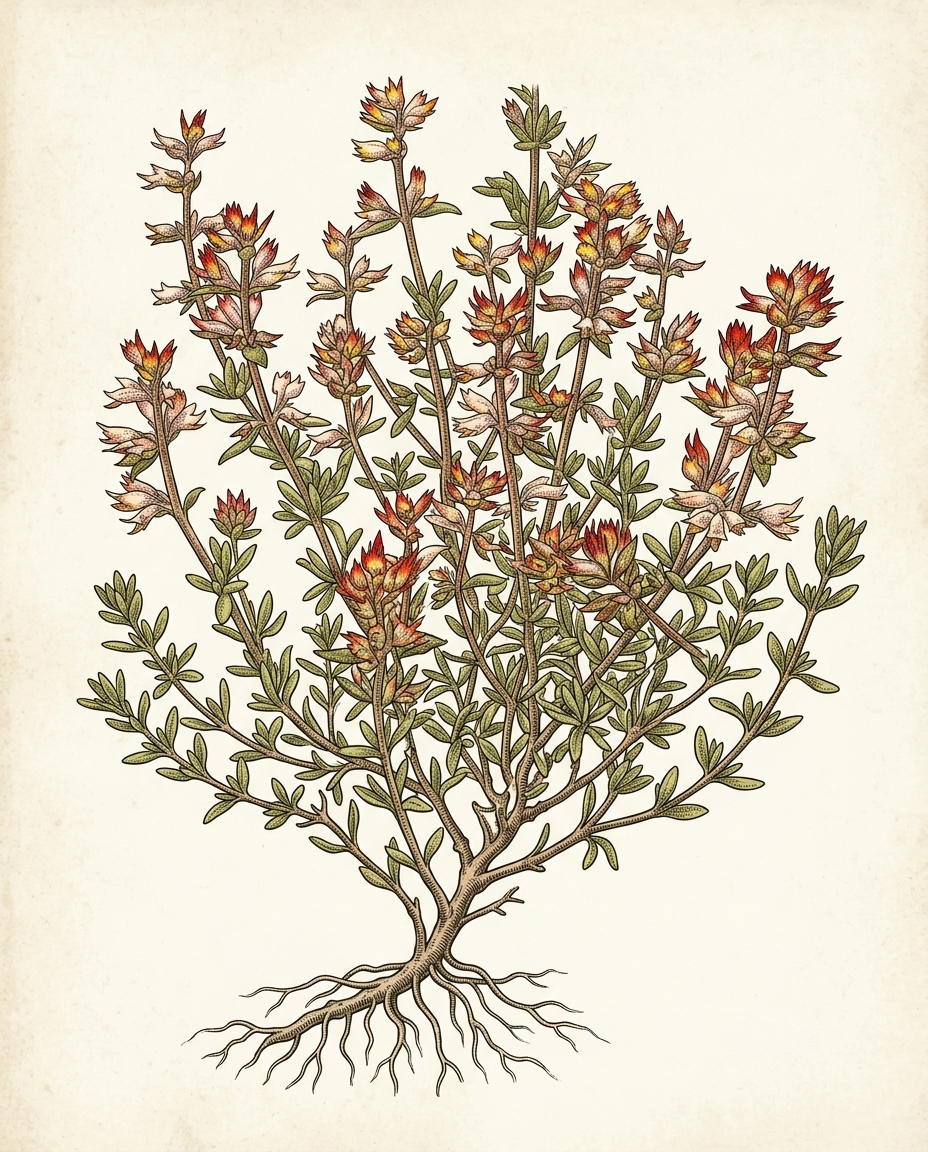
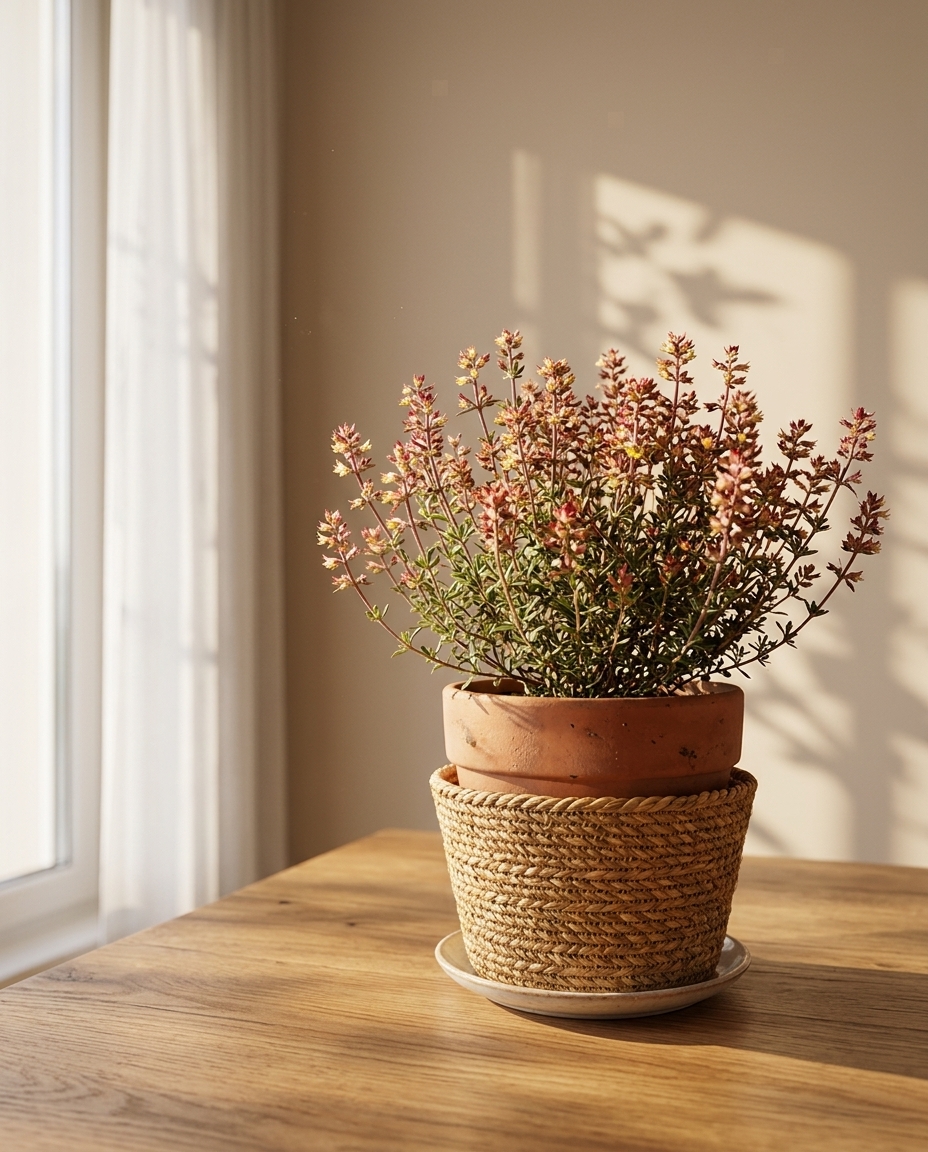
Plate IThymus vulgaris — common or English thyme. A non-toxic culinary herb of the Mediterranean kitchen, safe to grow on the windowsill with a cat in the house.
What happens if your cat eats it.
Yes — English thyme is safe for cats. The ASPCA lists Thymus vulgaris as non-toxic to cats, dogs, and horses. You can grow it on a windowsill or in a sunny border without any safety question. A cat that nibbles a sprig will be fine; most cats find the strong aroma off-putting and ignore it entirely.
The one important caveat is the name. "Thyme" gets attached to a few different plants in garden centres and grocery aisles, and not all of them are Thymus.
Spanish thyme is not the same plant
"Spanish thyme" — also sold as Indian Borage, East Indian Thyme, Country Borage, or Cuban Oregano — is Coleus amboinicus, and the ASPCA lists it as toxic to cats. Its toxic principles are described as essential oils; ingestion causes oral irritation, vomiting, and diarrhea. The leaves are large, soft, and slightly succulent — nothing like the tiny needle-leaves of real thyme — but the herb is sometimes mis-labelled or used interchangeably in recipes. Always check the Latin name on the plant label when buying.
The cat-safe and cat-toxic herbs at a glance
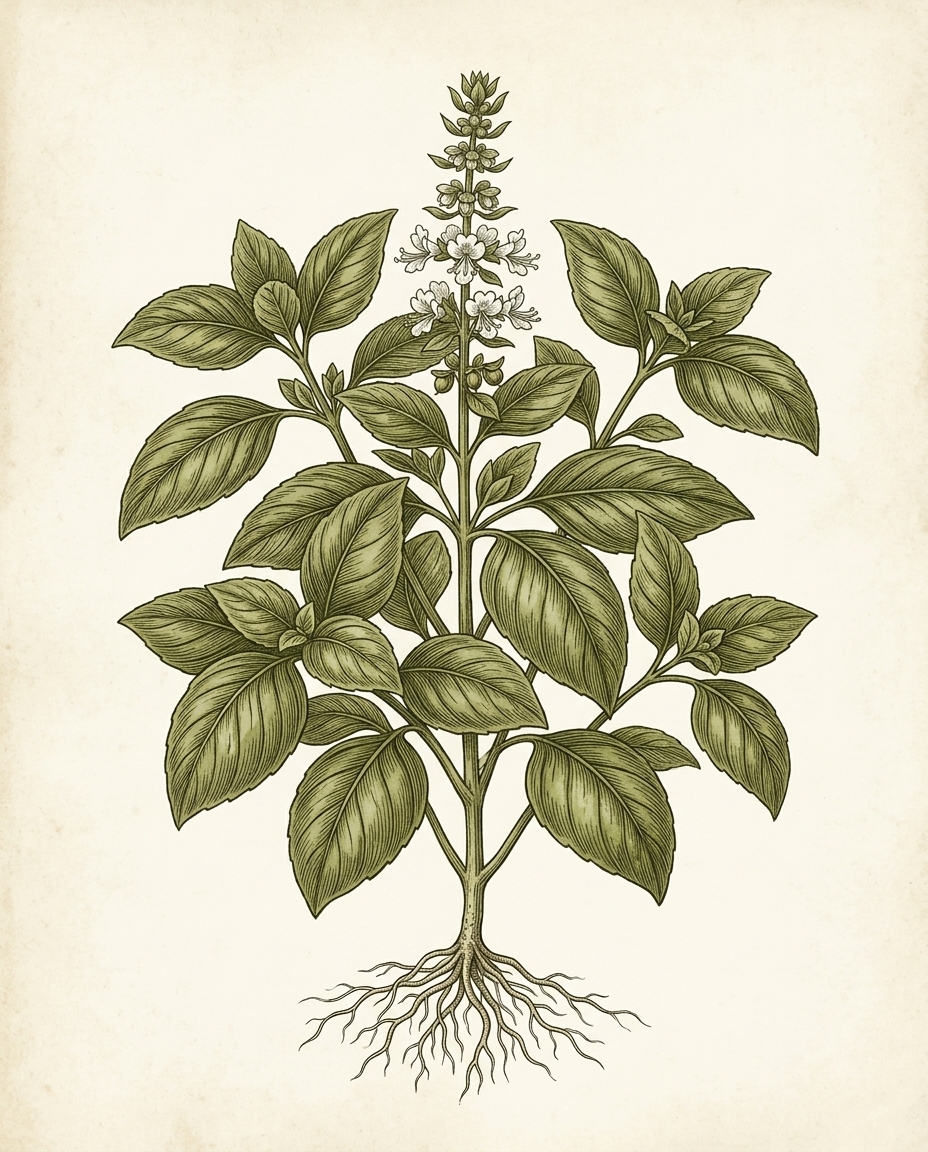
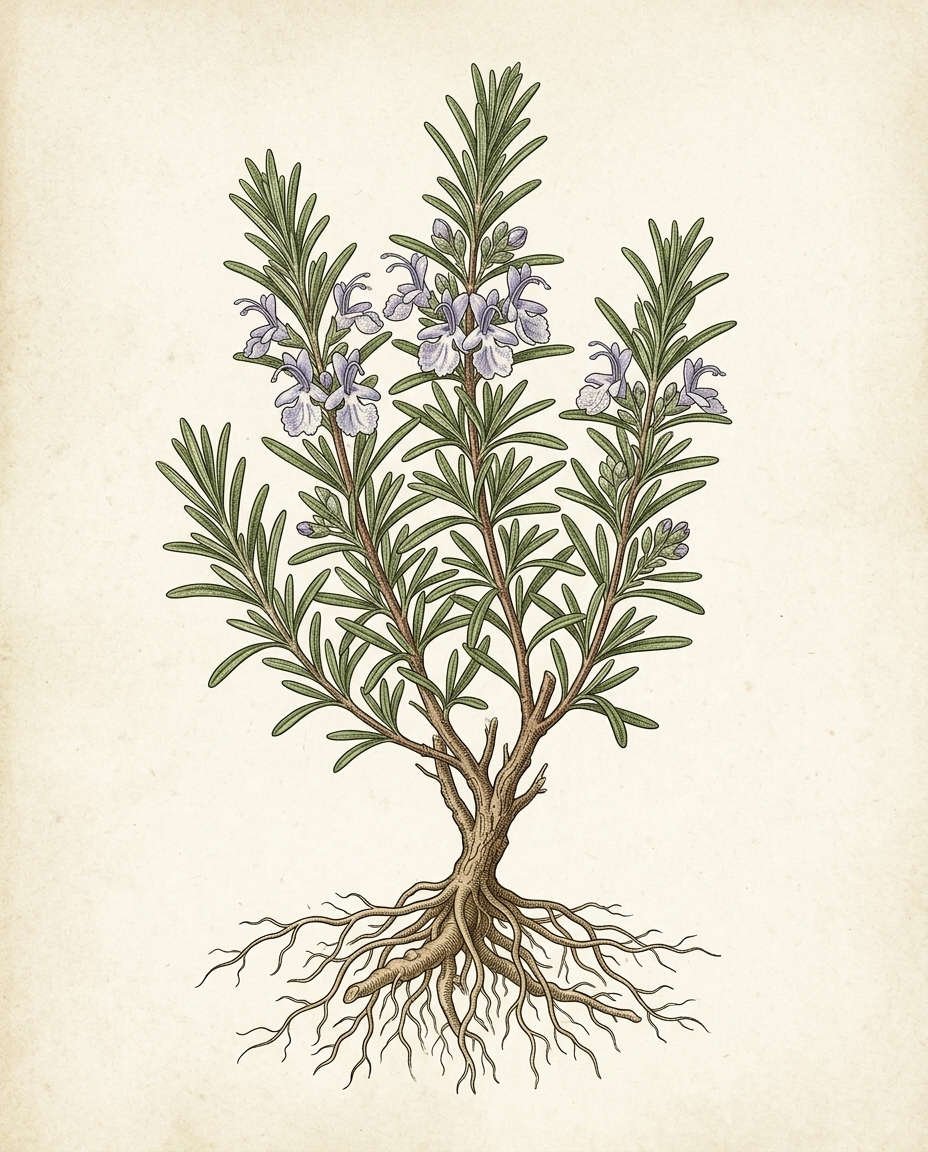
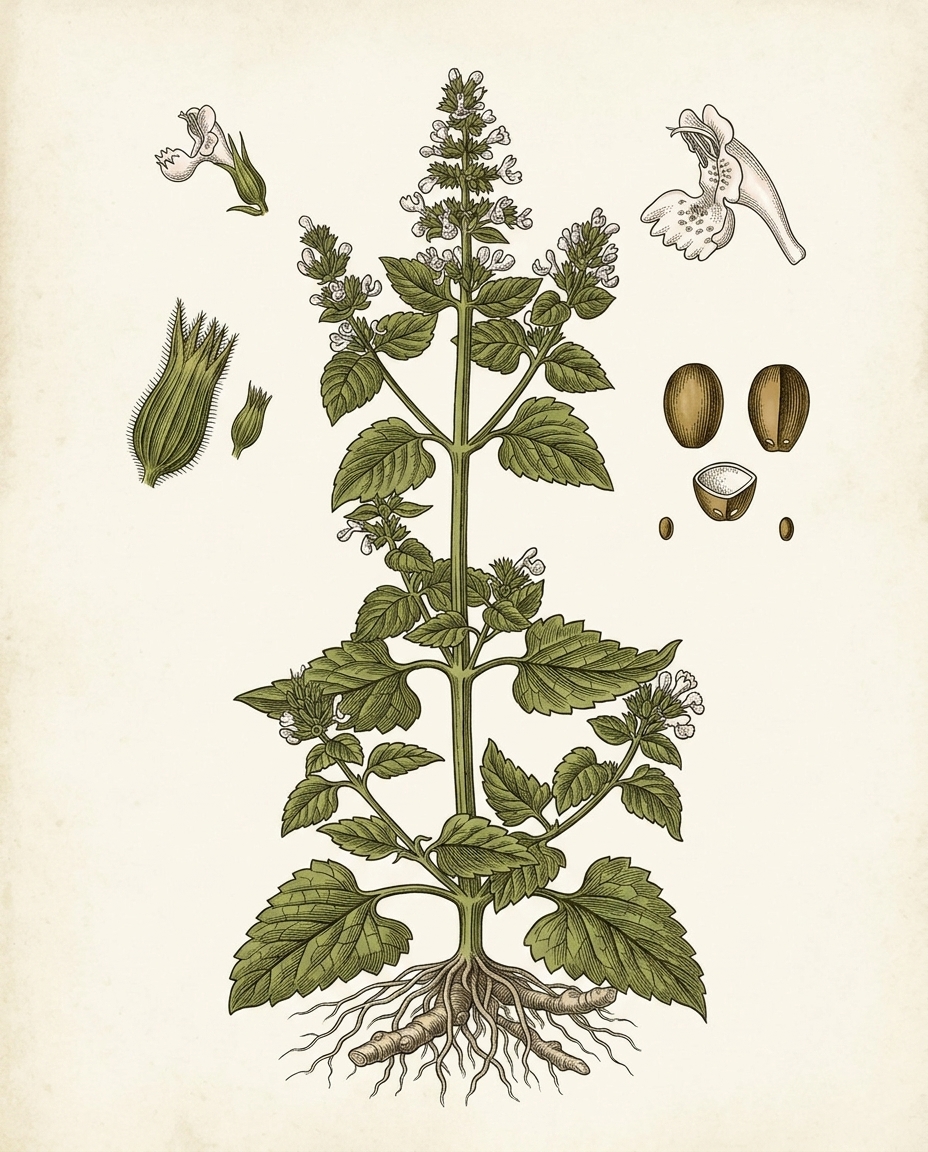
The mint family (Lamiaceae) is a mixed bag for cats. Basil, rosemary, and English thyme are all on the ASPCA non-toxic list — the three classic kitchen herbs are safe. Catnip is more than safe; it's the headline cat-attractant Lamiaceae.
The plant to avoid in the same family is lavender, which is ASPCA toxic. And of course onions, chives, garlic, and leeks are Allium — a different family entirely — and are toxic to cats at much lower doses than most plants.
One distinction worth making
The growing or fresh herb is safe. Concentrated thyme essential oil is not. Cats lack some of the liver enzymes that metabolise phenolic compounds in essential oils, which is why diffusers and undiluted oils are a real hazard. Keep them well out of reach, even when the parent herb is on the safe list.
Growing thyme indoors
Thyme is the easiest of the Mediterranean herbs to keep alive indoors, as long as you remember it wants the opposite of standard houseplant care: poor, gritty, free-draining soil; bright direct sun; and a real dry-down between waterings. A sunny south-facing windowsill is ideal. Pick sprigs as you cook to keep the plant bushy; left alone, thyme gets woody and lanky.
A creeping thyme variety (Thymus serpyllum) is a fine choice for an outdoor cat household, too — a mat-forming ground-cover that cats can walk over safely, releasing aromatic oils as they pass.
What we have actually seen.
No toxicity (English thyme)
Thymus vulgaris contains nothing poisonous to cats per the ASPCA. A nibbled sprig is entirely harmless.
Mild stomach upset
As with any plant, a cat that eats a large amount may vomit from the fibre — not from a toxin.
Indifference
The aromatic compounds in thyme are pleasant to humans but most cats sniff once and walk away.
Spanish thyme is different
Spanish thyme (Coleus amboinicus, also called Indian Borage, East Indian Thyme, Country Borage) is not a true thyme and is on the ASPCA toxic list. Symptoms include GI upset and oral irritation from its essential oils.
Four common varieties.
Common Thyme (classic culinary)
The standard kitchen thyme — tiny grey-green leaves, woody stems, the workhorse of the herb garden.
Lemon Thyme (lemon-scented)
A citrus-scented cultivar that doubles as a fragrant ground-cover. Same non-toxic status as common thyme.
Creeping Thyme (ground-cover)
A mat-forming thyme for paths and rockeries. Also non-toxic; safe for outdoor cats to walk across.
Keeping the plant alive.
Bright, sunny
At least six hours of direct light. A south-facing windowsill or a sunny patio bed keeps thyme compact and flavourful.
Let it dry out
Like rosemary, thyme is a Mediterranean herb. Let the top half of the soil dry between waterings; soggy roots rot fast.
Free-draining gritty mix
Use a cactus or herb mix with extra grit. Thyme thrives in poor, well-drained soil and resents rich potting compost.
Kitchen windowsill
Snip sprigs as you cook to keep the plant bushy. Most cats ignore the scent entirely.
- ASPCA Animal Poison Control Center. Toxic and Non-Toxic Plants: Thyme.Accessed June 2026 · aspca.org
- Pet Poison Helpline. Plants Non-Toxic to Cats.Reference list · 2024 ed.
If you liked this, also safe.