Parsley
Petroselinum crispum
Parsley is toxic to cats per the ASPCA. Furanocoumarins cause photosensitization (sunburn, dermatitis) at large doses. Trace culinary doses are low practical risk — live-plant chewing isn't.
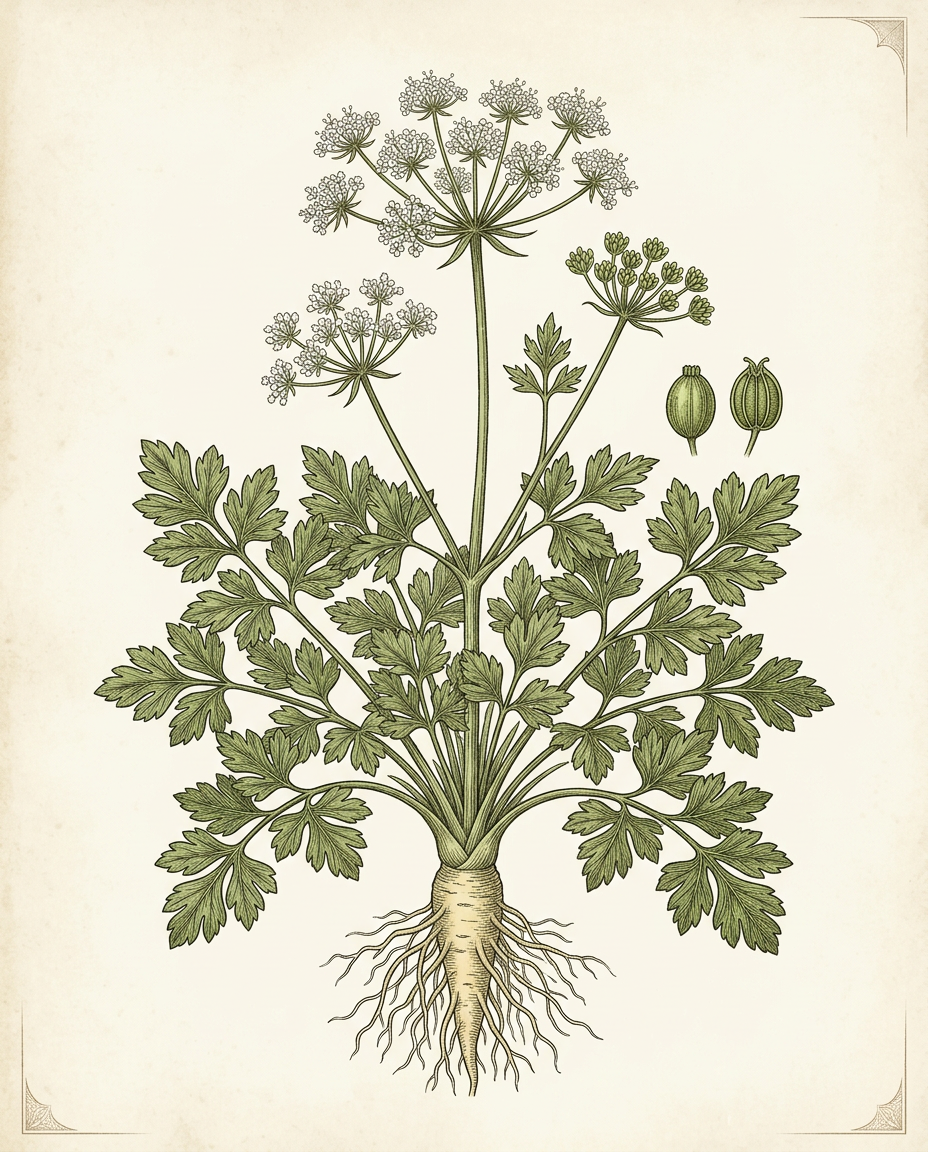
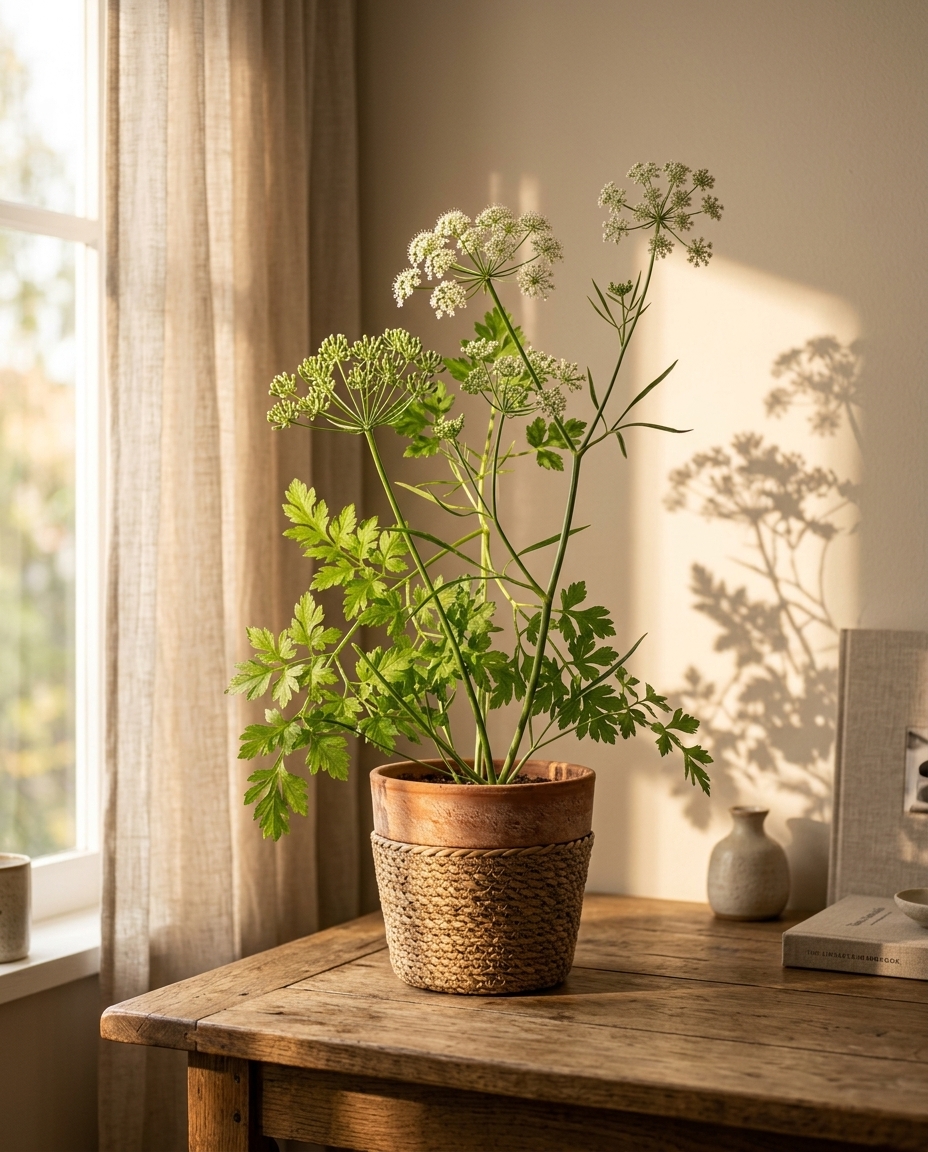
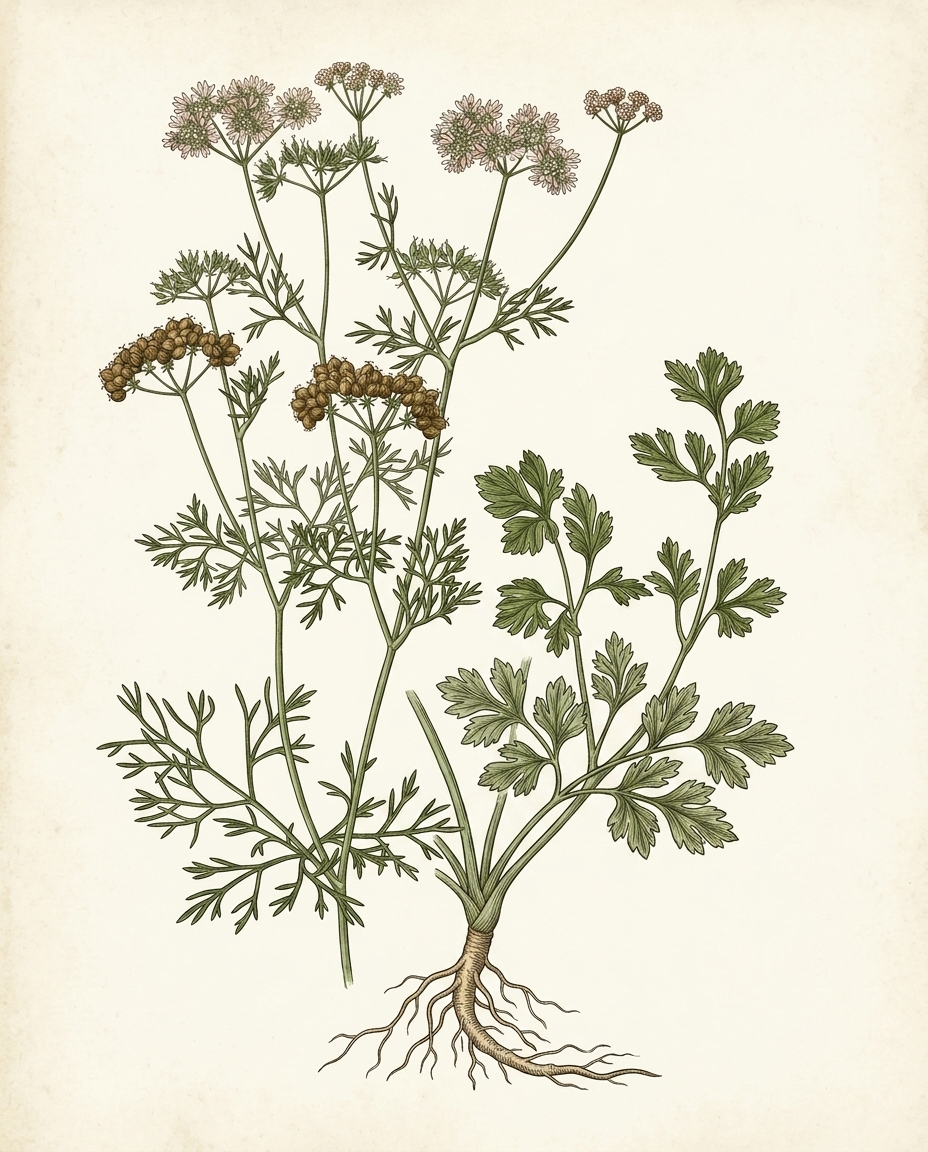
Plate IPetroselinum crispum — curly parsley. Dense rosette of triangular curled green leaves on hollow stems. ASPCA toxic — furanocoumarins, photosensitization at large doses.
Three plants that look the part, without the risk.
Same fresh-green culinary herb role without the furanocoumarin load — these substitutes give the parsley flavour or garnish function at ASPCA non-toxic.
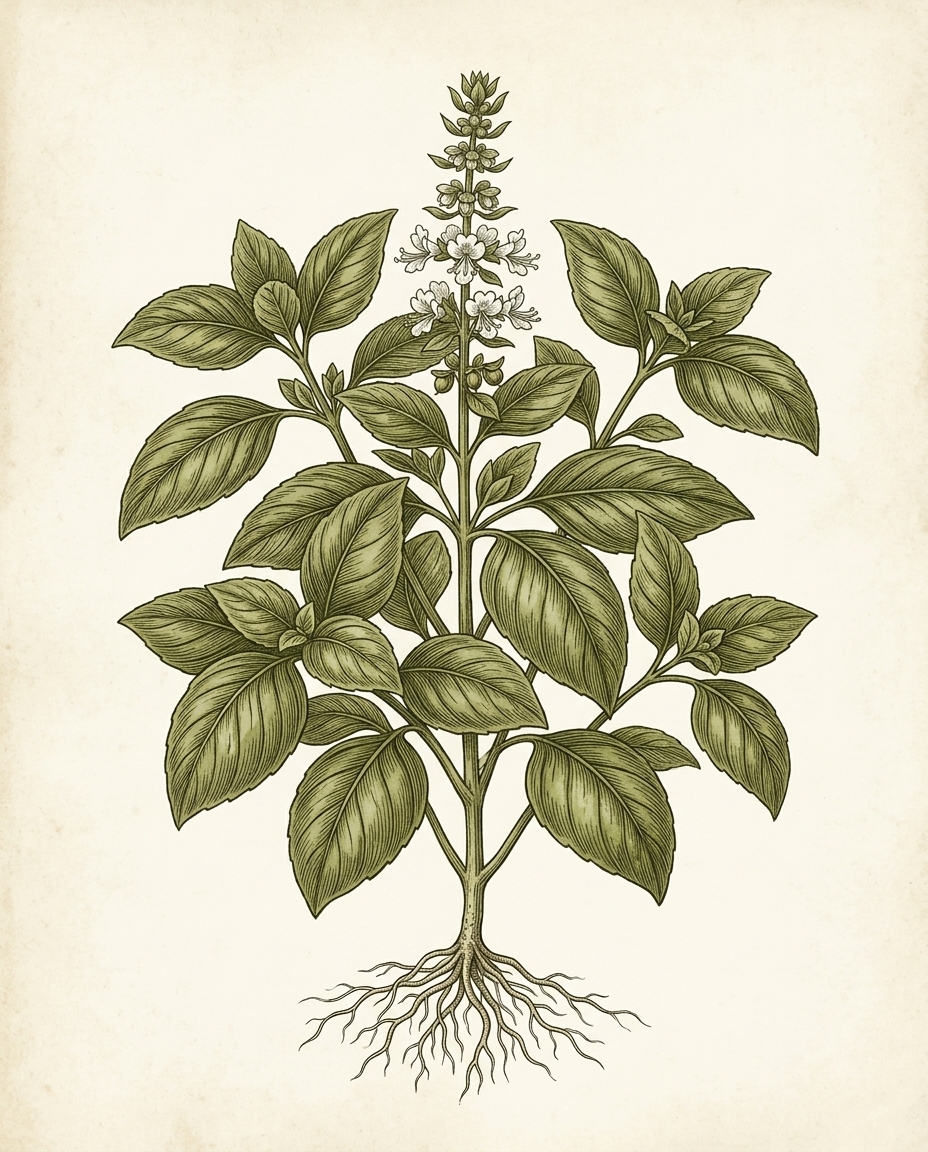
Basil
For fresh green Mediterranean culinary herbs at ASPCA non-toxic. Different flavour, similar role in pasta and salads.
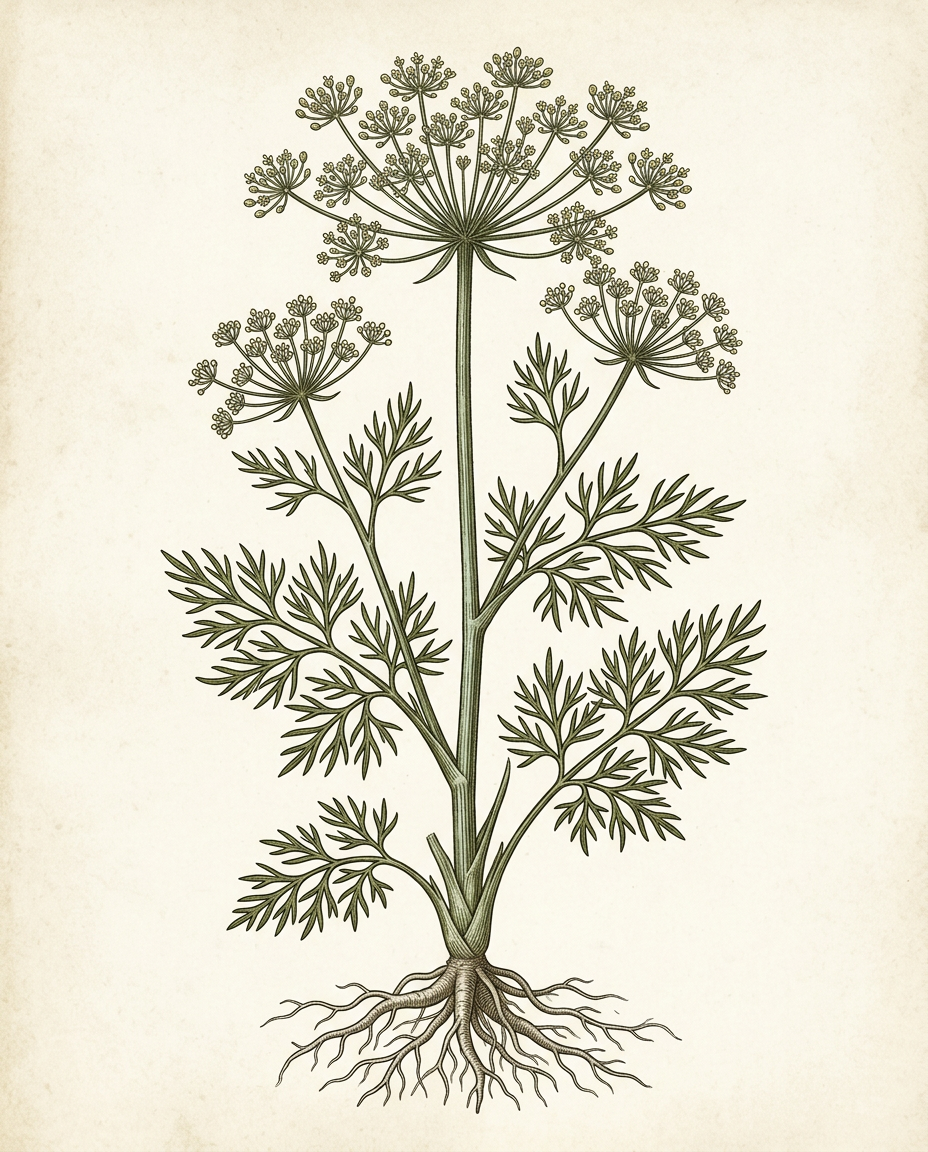
Dill
For a fresh aromatic Apiaceae at ASPCA non-toxic. Same family as parsley, different chemistry; safer and equally versatile.
Cilantro
For a fresh herb garnish at ASPCA non-toxic. Same parsley-like leaf shape (flat-leaf form), totally different chemistry.
What it does to a cat — at what dose.
Yes — parsley is toxic to cats per the ASPCA, but the toxicity is dose-dependent in a way that matters for everyday use. The ASPCA lists Petroselinum crispum (parsley, Italian Parsley, Hamburg Parsley, Turnip-rooted Parsley) as toxic to cats, dogs, and horses, with furanocoumarins as the toxic principle. The clinical sign is photosensitization — a sunburn-like dermatitis triggered when ingested furanocoumarins reach the skin and react with UV light.
The ASPCA verdict, verbatim — and the key clause is the last sentence: Toxicity: Toxic to Dogs, Toxic to Cats, Toxic to Horses · Toxic Principles: Furanocoumarins · Clinical Signs: Photosensitization (sunburn, dermatitis), large amounts are needed to cause this effect.
The dose-response makes this a calibrated risk
ASPCA's own listing flags the dose threshold. This isn't lily-toxicity ("any ingestion is a vet emergency") or Allium-toxicity ("cooked, dried, fresh all matter"). It's a dose-dependent photosensitization that requires meaningful ingestion to produce signs.
In practice that means:
- A sprig of parsley garnish on your dinner plate that your cat licks? Trivial dose. ASPCA's own threshold language puts this below the level of concern. Expect nothing.
- A teaspoon of chopped parsley in tonight's pasta sauce? Same — sub-threshold.
- A pinch of dried parsley shaken on the cat's food (some "parsley breath" cat treats include it)? Generally fine. The dried form is more concentrated per gram but the quantity is small.
- A cat that finds a potted parsley plant and strips half the leaves? Now we're at a meaningful dose. Watch for GI signs and photosensitization, call the vet.
- An outdoor cat grazing on garden parsley regularly? Real cumulative risk. The chronic dose plus sun exposure is the textbook scenario for the toxicity to actually develop.
The realistic protective move in a cat household is: keep potted live parsley plants out of cat reach. Garnish use in human cooking is essentially a non-issue.
What furanocoumarins actually do
Furanocoumarins are a family of plant compounds — parsley's main ones are 5-methoxypsoralen and 8-methoxypsoralen — that are inert in the dark and chemically active when hit by UV light. They cross-link DNA in skin cells, producing inflammation, redness, and a sunburn-like reaction on lightly-furred or thinly-haired areas (ears, muzzle, belly, paw pads). The same psoralens are used medically in PUVA therapy for psoriasis — chemistry that's harmless in a dark room and reactive under UV light is what makes it useful.
For a cat, that means signs appear over the 1 to 3 days following ingestion of a meaningful dose, and they're worse if the cat has access to sunlight in that window.
Same family as dill — opposite verdict
This is the Apiaceae lesson again. The parsley family includes:
- Parsley (Petroselinum crispum) — toxic, furanocoumarins. ASPCA-listed.
- Dill (Anethum graveolens) — non-toxic. ASPCA non-toxic, despite same family.
- Cilantro (Coriandrum sativum) — non-toxic.
- Celery — non-toxic.
- Carrots — generally safe.
- Poison hemlock (Conium maculatum) — deadly, the lethal end of the family.
Family membership doesn't predict toxicity in Apiaceae. Check each species. The reason parsley is on the toxic list and dill isn't is that parsley specifically accumulates furanocoumarins; dill doesn't.
What to do if your cat ate a meaningful amount
- Estimate the dose. Garnish-sized ingestions are not a vet call. Whole-plant stripping is.
- For larger ingestions, call your vet or the ASPCA Animal Poison Control Center at 888-426-4435 — $95 consultation fee.
- Keep the cat indoors and out of direct sunlight for 1 to 3 days while furanocoumarins clear. This is the simple, effective protective measure for photosensitization.
- Treatment is supportive. Anti-emetics for GI upset, monitoring for skin signs, supportive skin care if dermatitis develops. Most cases recover fully.
Where it fits in a kitchen herb garden
If you grow herbs and want to keep parsley around for cooking, the practical layout: potted parsley up high or behind a barrier, ASPCA-safe alternatives at cat level. The safe-herb cluster: basil, rosemary, thyme, sage, dill — all non-toxic and all usable in the same dishes parsley shows up in. The cat-attractive option is catnip. Herbs to skip alongside parsley: chives and the rest of Allium (organosulfur anemia, much more serious), oregano (essential oils), and calibrated mint. For the full list, see toxic plants for cats.
What we have actually seen.
Photosensitization (large doses)
The defining toxicity — furanocoumarins react with UV light in skin to cause sunburn-like dermatitis. Manifests as inflamed pink or reddened skin on light-coloured or thinly-furred areas (ears, muzzle, belly) after sun exposure. Requires substantial ingestion of the live plant.
Mild GI upset
A cat that binges on fresh parsley may produce vomiting or loose stool within hours. Self-limiting once the plant material is expelled.
Trace culinary doses
A garnish-scale exposure (a sprig left on a plate, a sprinkle of dried parsley in a treat) is almost certainly harmless. ASPCA explicitly notes 'large amounts are needed to cause this effect.'
Heavy live-plant chewing
A cat that strips leaves off a potted parsley plant can ingest enough to matter. This is the realistic risk scenario for the toxicity to actually develop.
- ASPCA Animal Poison Control Center. Toxic and Non-Toxic Plants: Parsley.Accessed June 2026 · aspca.org · Petroselinum crispum · Toxic to cats, dogs, horses · Toxic Principles: Furanocoumarins · Clinical Signs: Photosensitization (sunburn, dermatitis), large amounts are needed to cause this effect
- Pet Poison Helpline. Furanocoumarin ingestion in companion animals.Clinical reference · 2024 · photosensitization dose-response
- Merck Veterinary Manual. Plant photosensitization in cats.Standard veterinary toxicology reference