Dill
Anethum graveolens
Dill (Anethum graveolens) is non-toxic to cats per the ASPCA. Same Apiaceae family as parsley — but without the furanocoumarins that make parsley toxic. Culinary trace doses are fine.
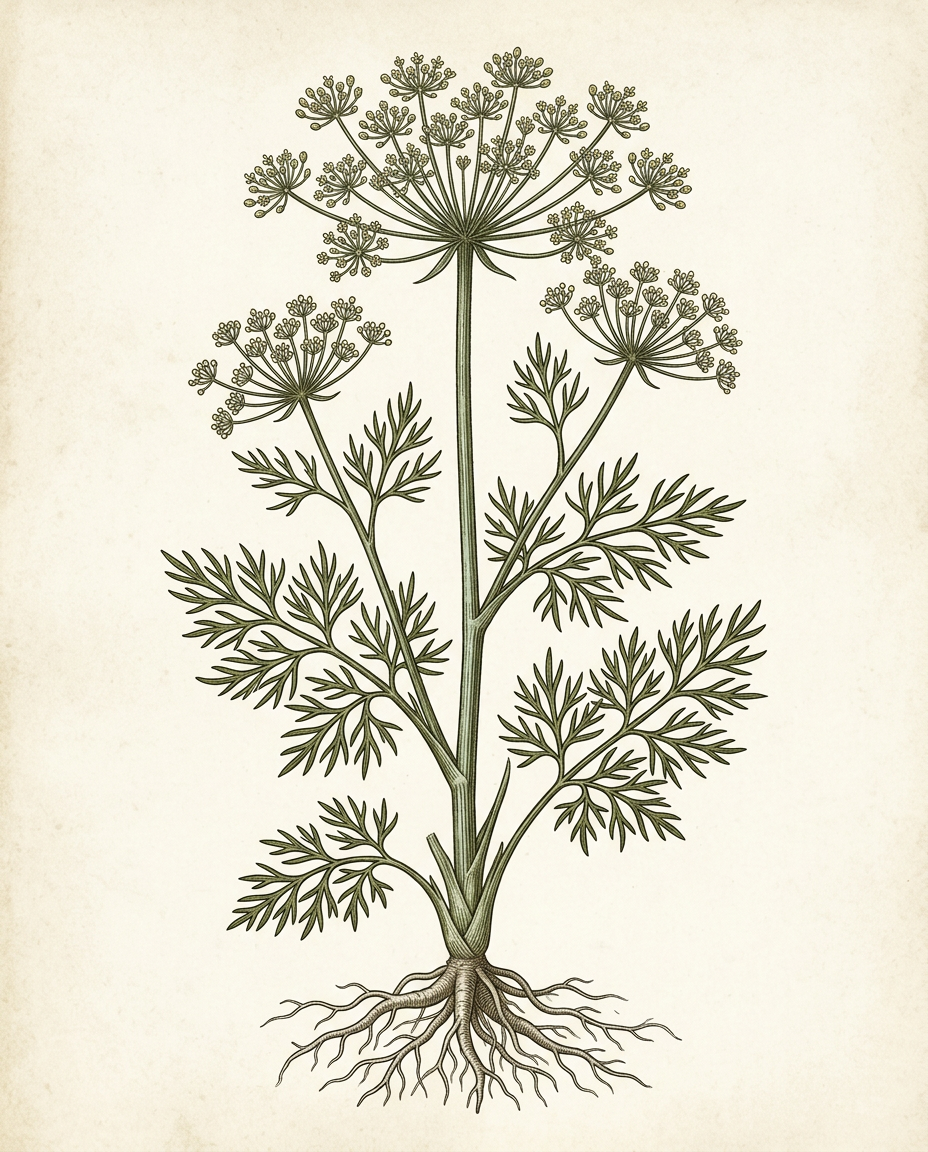
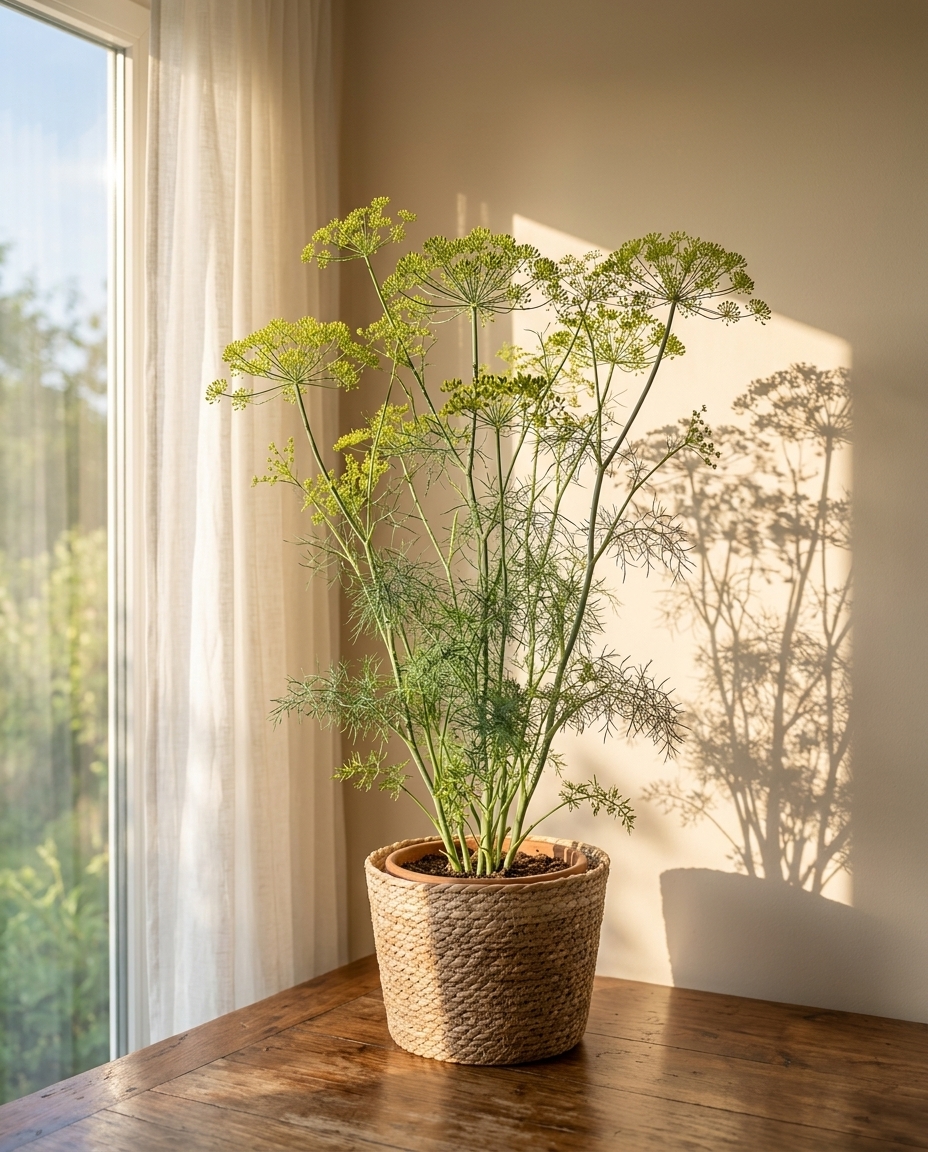
Plate IAnethum graveolens — common dill. Feathery blue-green foliage and a flat yellow umbel of tiny flowers on a tall hollow stem. ASPCA non-toxic, same Apiaceae family as parsley but different chemistry.
How to grow dill around cats.
Yes — dill is safe for cats. The ASPCA lists Anethum graveolens (common dill) as non-toxic to cats, dogs, and horses. The Toxic Principles field on the ASPCA entry says "Essential oils" — that names the chemistry, not the verdict. The classification is non-toxic.
The ASPCA verdict, verbatim: Scientific Name: Anethum graveolens · Family: Apiaceae · Toxicity: Non-Toxic to Dogs, Non-Toxic to Cats, Non-Toxic to Horses · Toxic Principles: Essential oils.
The Apiaceae family is mixed — check by species
Dill is in Apiaceae (the parsley/carrot family). This family is mixed on cat toxicity, so don't generalise from one species to another:
- Dill — safe. ASPCA non-toxic.
- Parsley — toxic. ASPCA-listed; furanocoumarins cause photosensitization. (Calibrated risk — trace culinary doses are low practical risk, but the plant is officially on the toxic list.)
- Carrots — generally safe (the root is fine; the foliage is a different question depending on source).
- Cilantro / coriander — non-toxic (separate ASPCA entry).
- Celery — non-toxic.
- Poison hemlock (Conium maculatum) — deadly, the lethal end of the family.
The Apiaceae family includes species across the full toxicity spectrum from "safe culinary herb" to "kills humans." Always check the species you actually have.
Why "essential oils" on the entry doesn't mean dangerous
A note on ASPCA's listing convention. ASPCA's "Toxic Principles" field describes the active chemistry of a plant whether or not that chemistry is actually dangerous at chew-leaf doses. Dill's essential oils — carvone, limonene, alpha-phellandrene — are real and are what give dill its smell and flavour. At the concentration a cat gets from biting a live frond, they don't produce toxicity. The classification "Non-Toxic" is the answer to "is this dangerous?"; the "Essential oils" entry just tells the chemist what's in there.
This is different from how ASPCA lists genuinely toxic herbs. On the oregano entry, for example, the same family of essential-oil compounds (carvacrol, thymol) is listed AND the toxicity classification is "Toxic." The combination is what matters.
What about concentrated dill essential oil?
This is a separate question and the answer is different. Concentrated essential oils of any plant are NOT safe for cats — cats lack the liver enzymes (UGT1A6 glucuronidation) to metabolise concentrated terpenes, so even small topical or diffused exposures can produce toxicity over time. The ASPCA non-toxic classification for dill covers the live plant and trace culinary use, not distilled or undiluted essential oils.
If you diffuse essential oils at home, dill oil should be in the same "skip it around cats" category as tea tree, peppermint, eucalyptus, cinnamon, and clove — regardless of whether the source plant is safe in living form.
What it does to a cat
In practice, very little. A cat that chews dill foliage gets a mouthful of fragrant leaf and no toxic exposure. Some cats are mildly attracted to the smell (like catnip but much weaker — no behavioural buzz, just curiosity). Most cats ignore it.
The worst likely outcome of a big chew is mild vomiting from plant material in the stomach — generic and self-limiting.
Growing dill in a cat household
Dill is a hardy annual from southern European / west Asian dry country. It wants:
- Full sun, 6+ hours.
- Even moisture — bolts to flower under drought stress.
- Light, slightly alkaline loam. Doesn't like rich nitrogen-heavy soil (lots of leaf, little flavour).
- Direct seed — dill doesn't transplant well. Sow where you want it.
It self-seeds readily, so a single sowing often returns for years. Tall (60–90 cm) when it bolts, so plant at the back of a herb border.
Where it fits in a safe-herb cluster
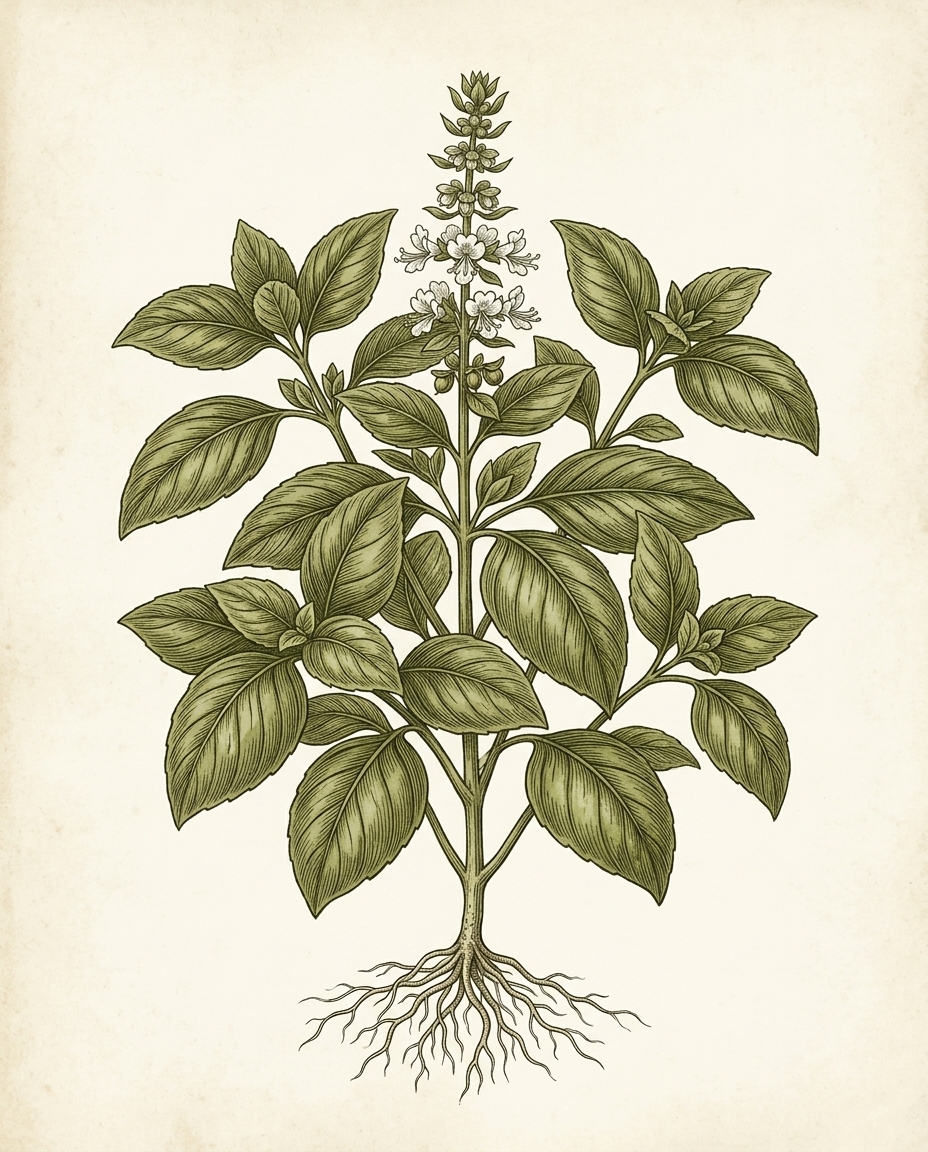
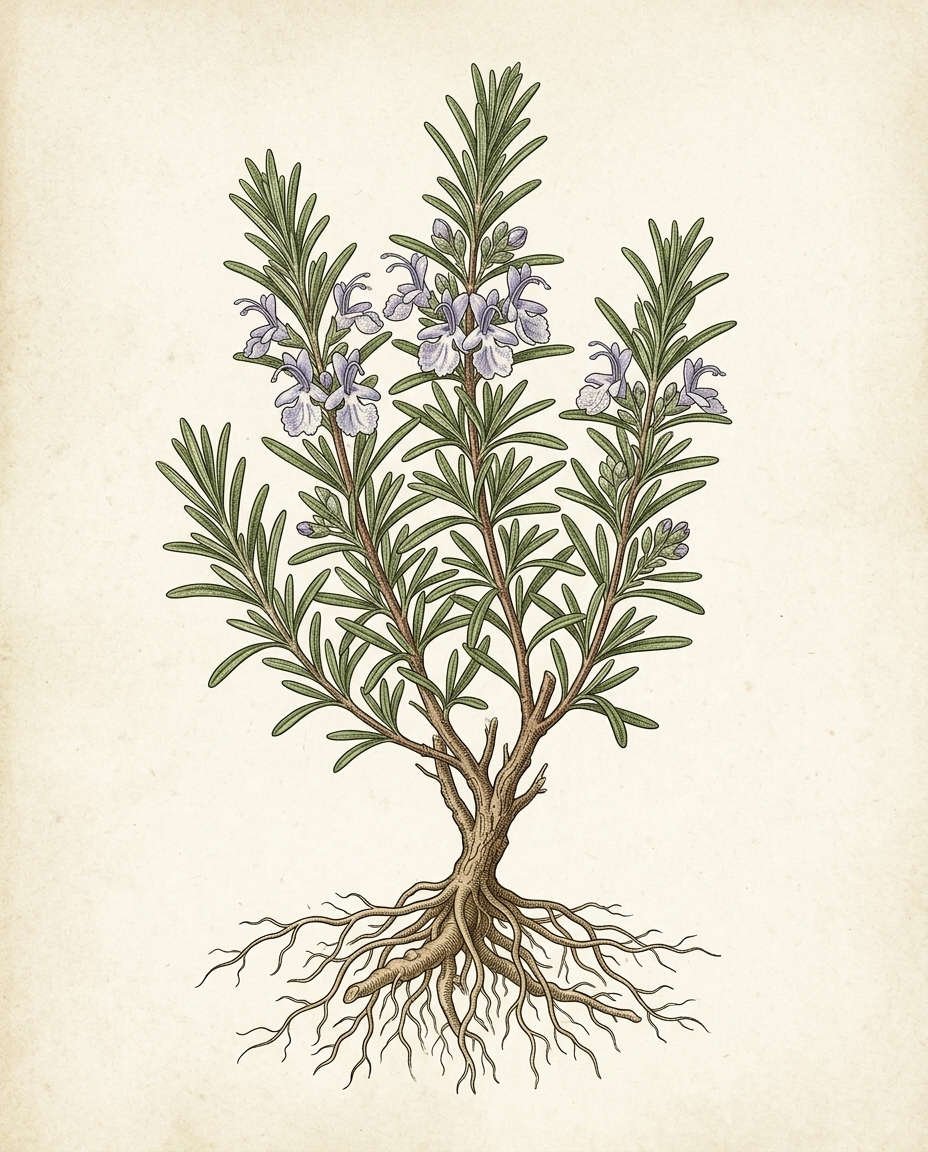
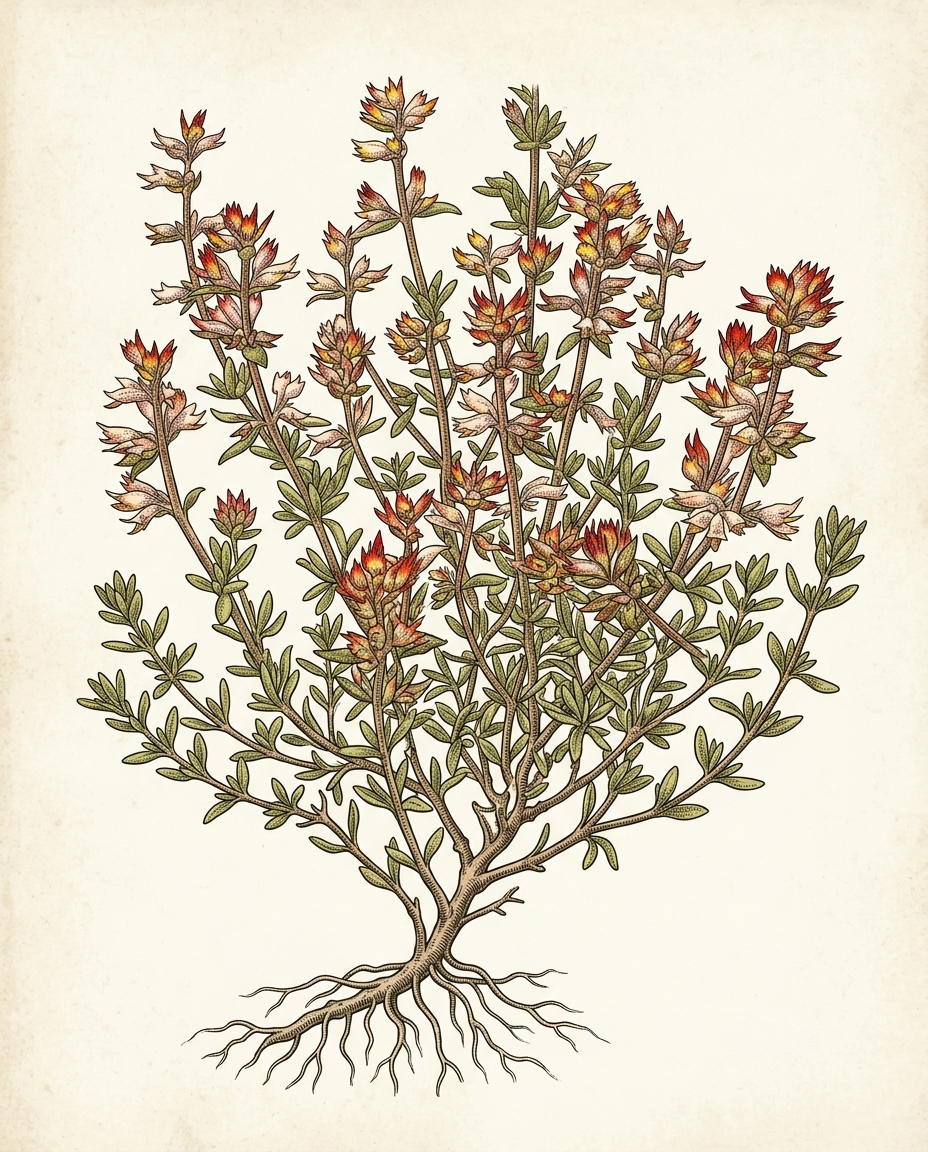
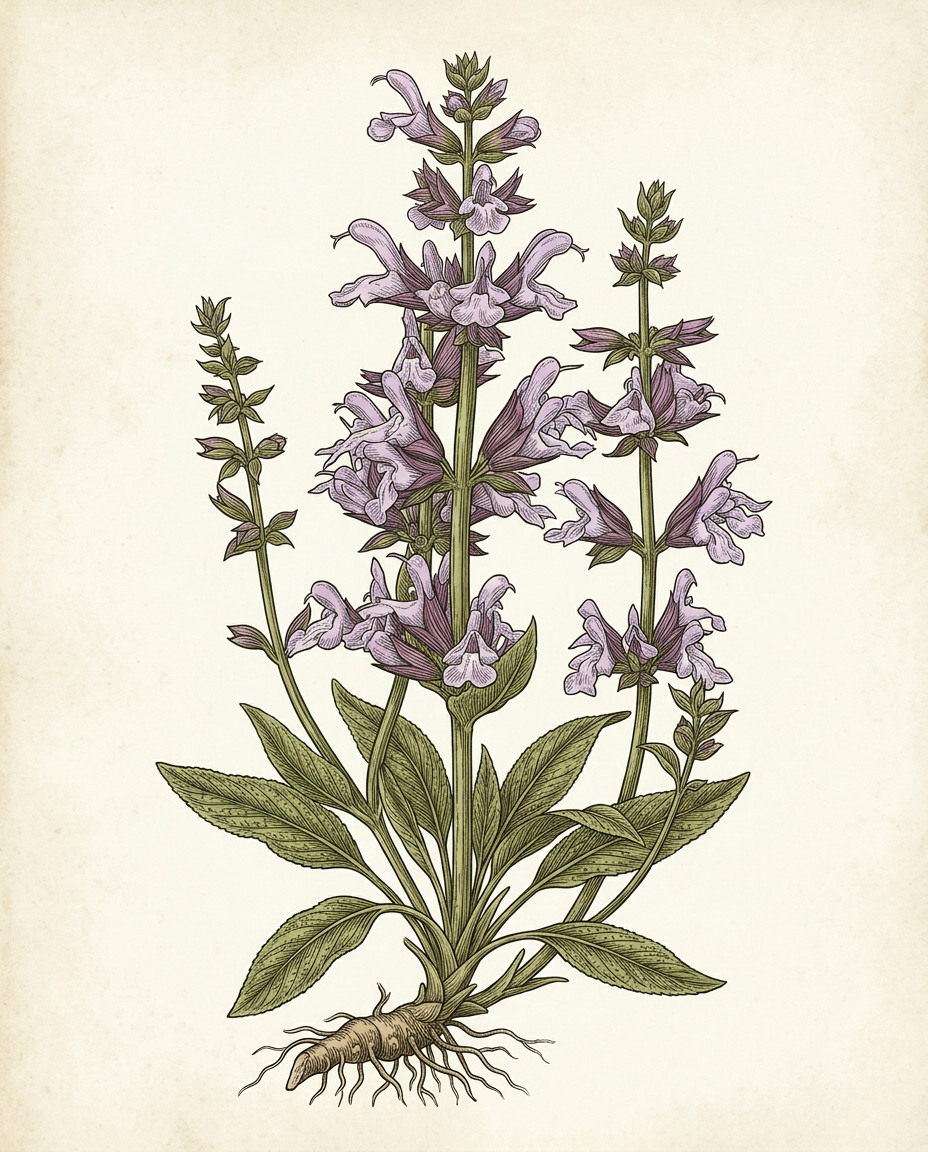
Dill rounds out the cat-safe culinary herb collection alongside basil, rosemary, thyme, and sage — all ASPCA non-toxic. The cat-irresistible specialty is of course catnip. The toxic herbs to skip in the same garden bed are parsley, oregano, chives (and other Allium species), and mint (calibrated). See safe plants for cats for the full reference.
Disclosure
We include Amazon affiliate links on safe-plant pages. As an Amazon Associate, we earn from qualifying purchases. We never affiliate-link a plant we have not ASPCA-verified.
What we have actually seen.
Casual chewing
Cats sometimes bite at the feathery dill leaves. ASPCA classifies the plant non-toxic — expect nothing more than mild GI on a large ingestion.
Aromatic appeal
Like catnip and other aromatic herbs, dill's essential oils can mildly attract some cats. Most cats are indifferent; a few enjoy the smell. No behavioural effect like catnip.
Mild GI upset
A large chew can produce vomiting on big binges. Generic plant-material baseline, not dill-specific. The essential oils are mildly irritating at high concentration but harmless at chew-leaf doses.
Four common varieties.
Bouquet (classic culinary)
The standard culinary cultivar. Tall, productive, big yellow umbels for pickling. The supermarket fresh-dill default.
Fernleaf (dwarf bedding)
Dwarf cultivar — 45 cm rather than 90 cm — slow to bolt. Good in containers and tight herb gardens. Same chemistry, same ASPCA profile.
Mammoth (heavy seed producer)
Large-flowered cultivar grown specifically for pickling seed. Same family, same non-toxic verdict.
Keeping the plant alive.
Full sun
Six or more hours of direct sun produces the strongest essential-oil content (flavour) and the most foliage. Light shade is tolerated; deep shade gives leggy plants and weak leaves.
Moderate
Even moisture throughout the growing season. Dries out fast in containers — daily watering in hot weather. Stressed plants bolt to flower early.
Light, free draining
Light loam or sandy soil suits dill. Doesn't like rich heavy ground (over-fertilised dill is leafy but flavourless). Likes a slightly alkaline pH.
Annual herb
Hardy annual; sow direct in spring after frost. Doesn't transplant well — best from direct seed. Self-seeds readily; a single planted batch often returns for years.
- ASPCA Animal Poison Control Center. Toxic and Non-Toxic Plants: Dill.Accessed June 2026 · aspca.org · Anethum graveolens · Non-Toxic to cats, dogs, horses · Toxic Principles: Essential oils (listed but classification non-toxic)
- Royal Horticultural Society. Anethum graveolens growing guide.Horticultural reference for culinary herb culture
If you liked this, also safe.