Mint
Mentha spp.
Garden mint is toxic to cats per the ASPCA. The same essential oils that give it the kitchen aroma cause vomiting and diarrhea in cats. Catnip is the safe relative; pennyroyal is the deadly one.
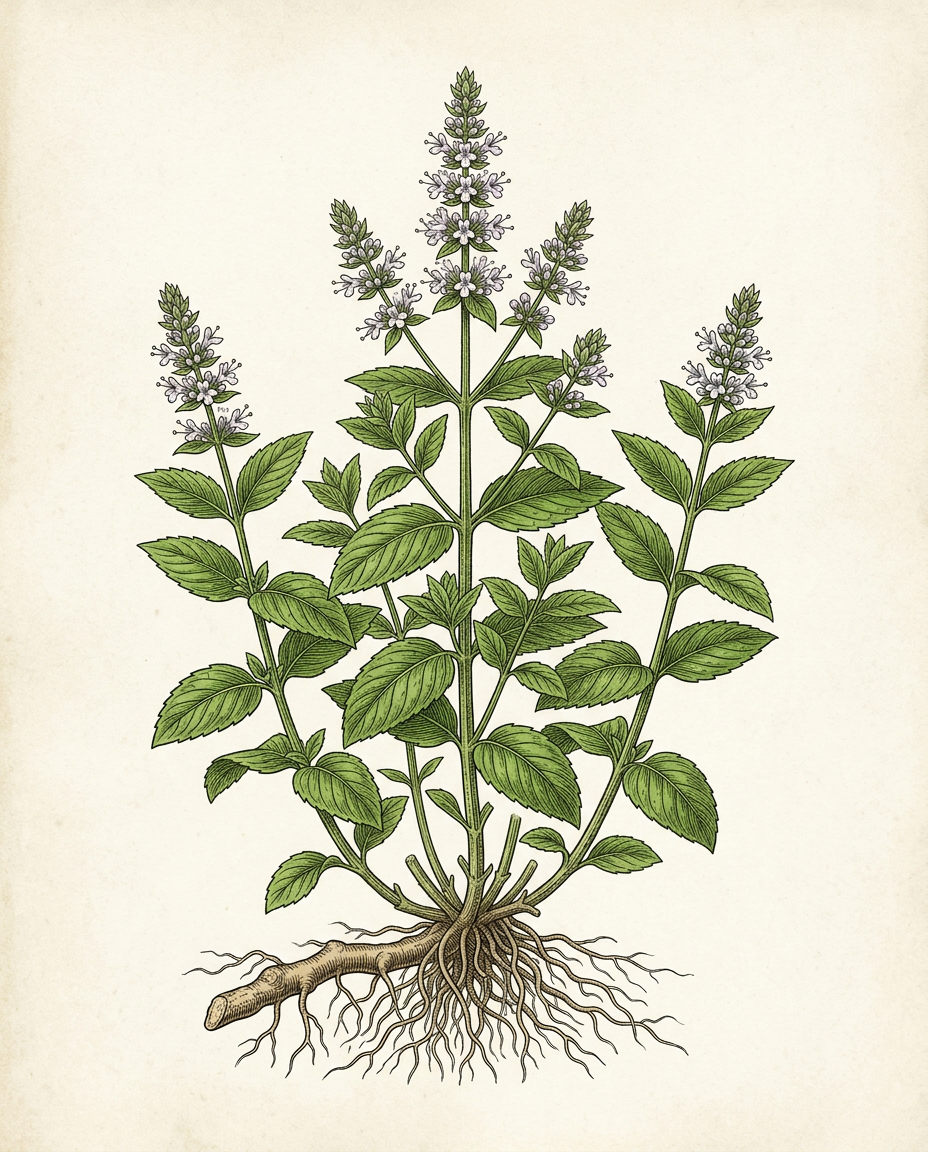
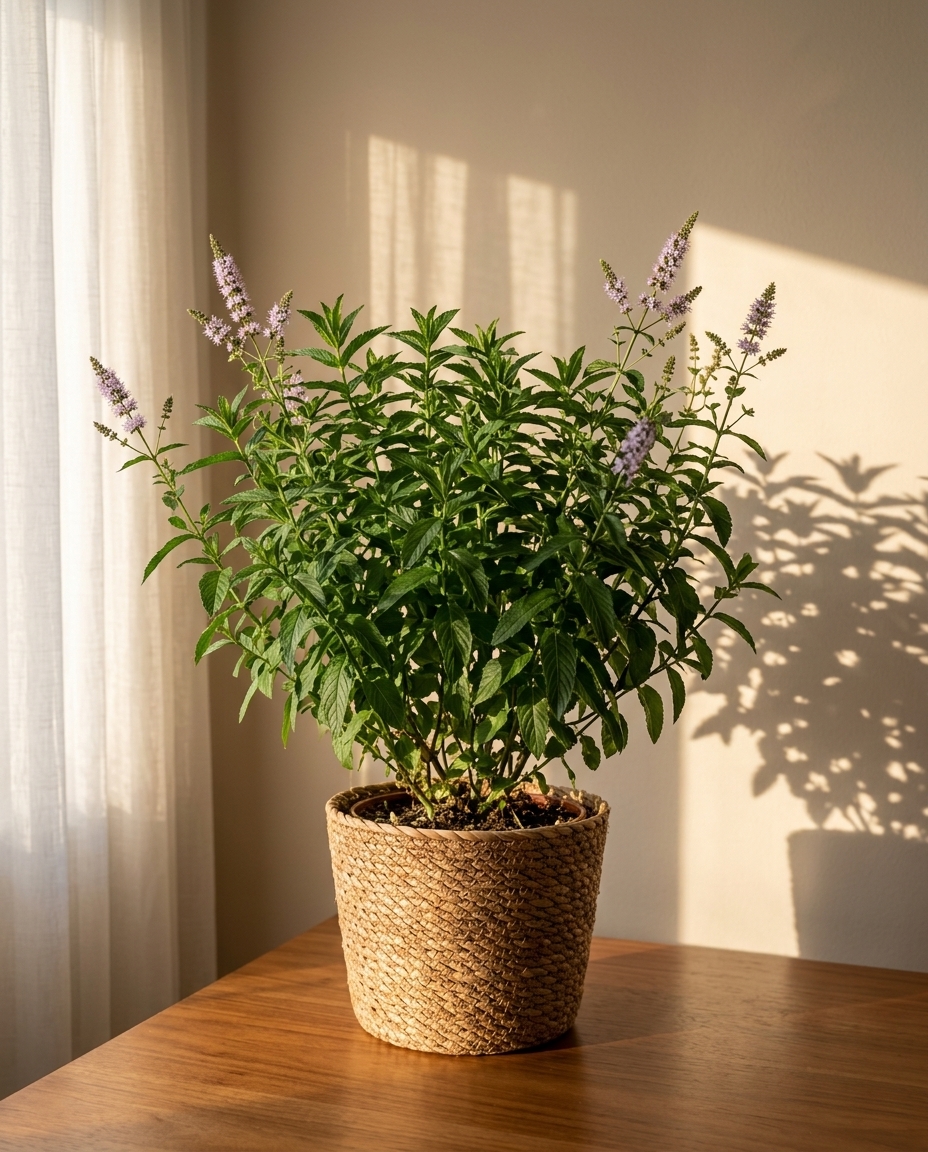
Plate IMentha species — the kitchen mint that ASPCA lists as toxic to cats. Spearmint, peppermint, and garden mint all share the essential-oil chemistry that defines the genus.
Three plants that look the part, without the risk.
Aromatic kitchen herbs without the mint essential oils — these three are ASPCA non-toxic and fill the same windowsill role.
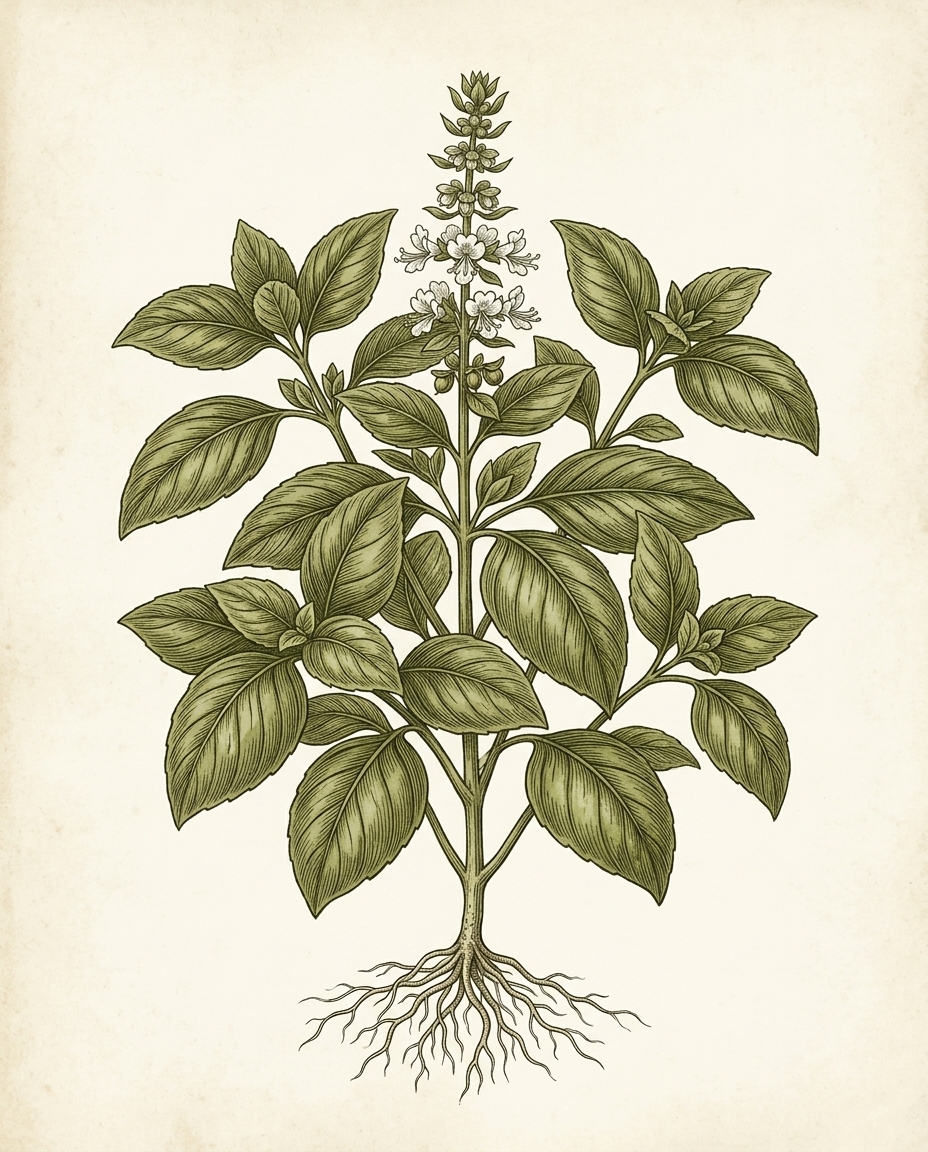
Basil
The classic Italian herb. ASPCA non-toxic; grows in the same conditions as mint.
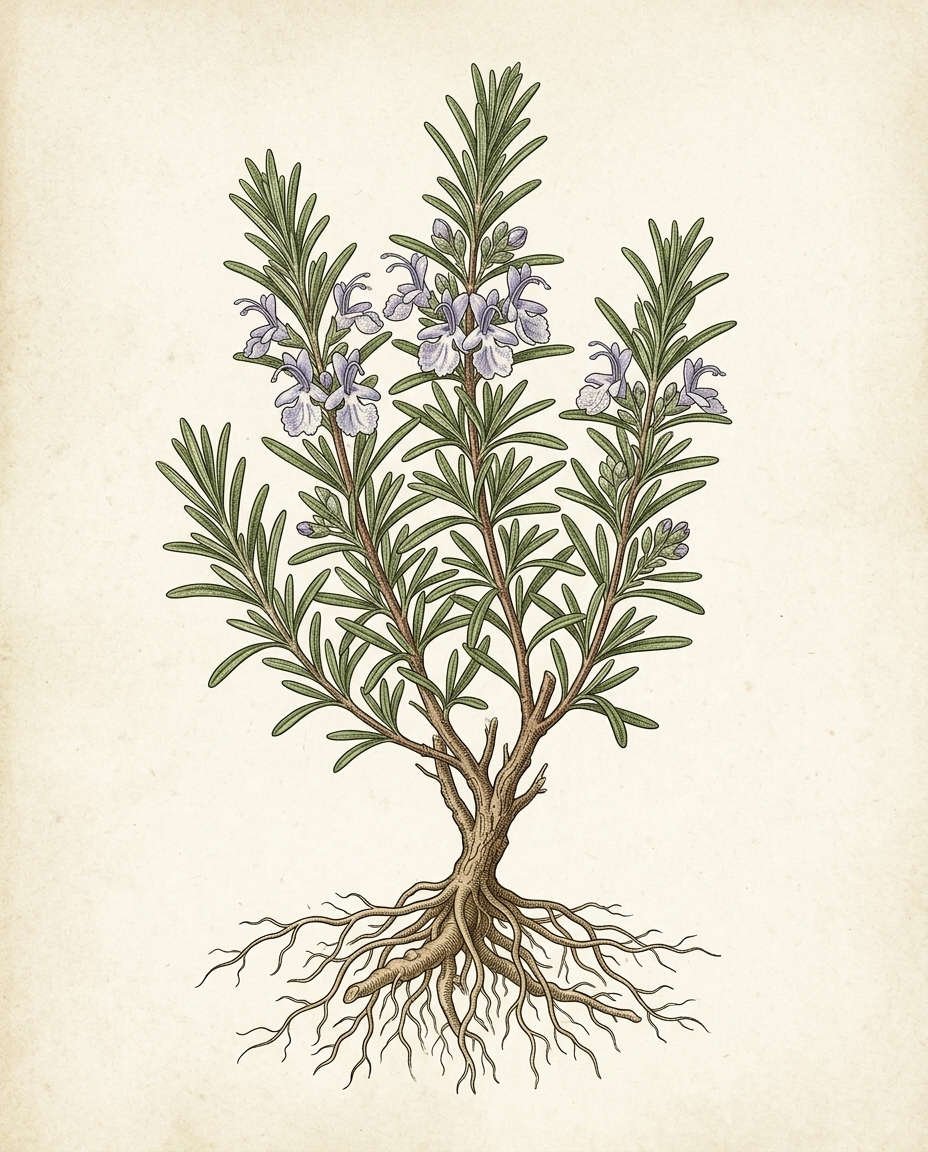
Rosemary
Aromatic, woody, drought-tolerant. ASPCA non-toxic.
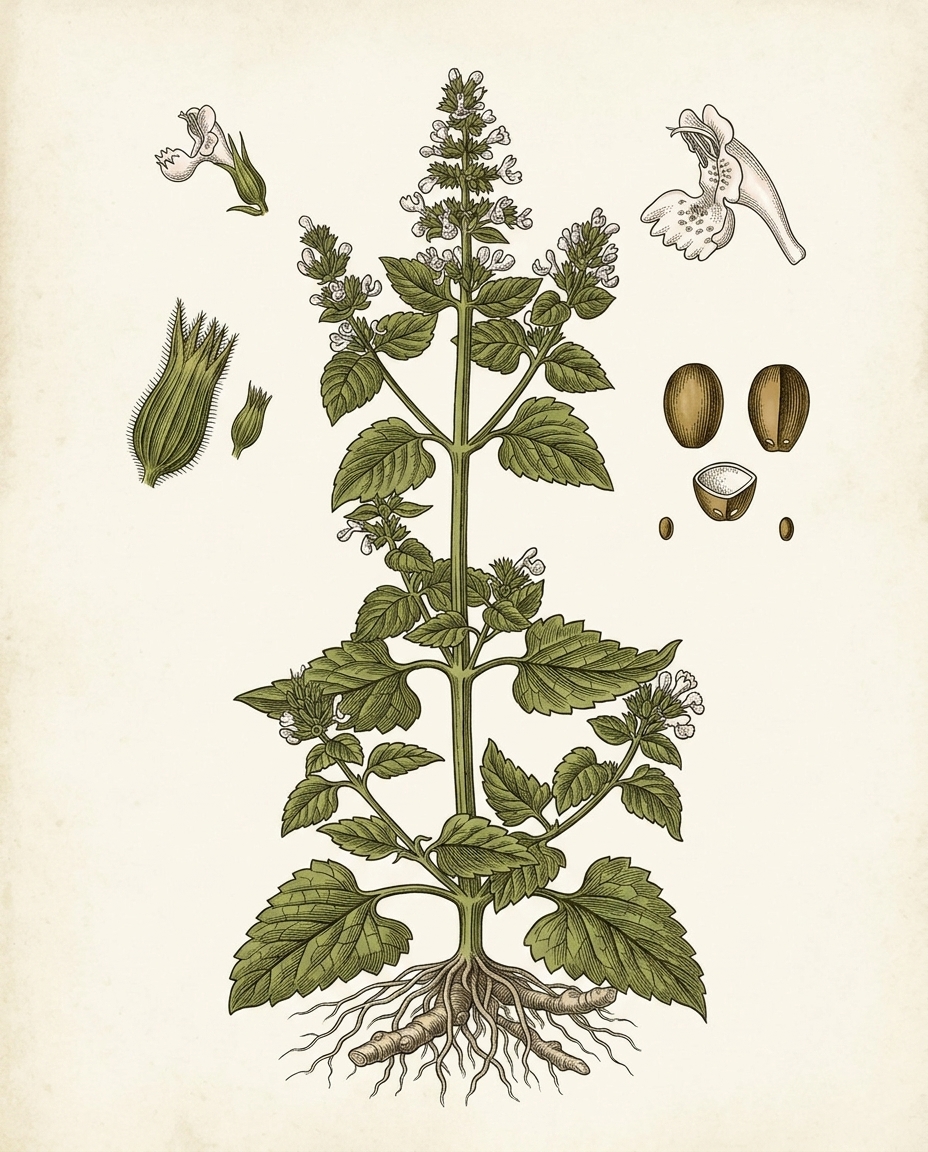
Catnip
Cousin of mint and actively cat-safe — most cats love it. The redirection plant for cats that chew herbs.
What it does to a cat.
No — most kitchen mints are mildly toxic to cats per the ASPCA. The ASPCA lists Mentha species (garden mint) as toxic to cats, dogs, and horses. The toxic principle is essential oils — menthol, carvone, and related terpenes — which irritate the GI lining and produce vomiting and diarrhea.
A live-plant nibble usually causes brief, mild GI upset. Concentrated mint essential oils are much more dangerous. And one specific species — pennyroyal (Mentha pulegium) — is severely hepatotoxic and can kill a cat.
This is one of the trickier plant pages on the site because the genus has three very different cat verdicts: most mints are mildly toxic, pennyroyal is fatal, and the close relative catnip is actively safe.
The mint genus, three verdicts
- Garden mint, peppermint, spearmint (Mentha spicata, Mentha × piperita, Mentha sp.) — ASPCA toxic. Mild GI signs from leaf chewing. Avoid the plant in cat households; the herb pots beside the kitchen window are the typical exposure.
- Pennyroyal (Mentha pulegium) — severely toxic, can be fatal. Pulegone causes acute liver injury. Sometimes marketed as a "natural" flea repellent — particularly dangerous in that form. Never use anything containing pennyroyal in a cat household.
- Catnip (Nepeta cataria) — different genus, same family. ASPCA non-toxic. Most cats actively enjoy it. Covered on our catnip page.
If you want a mint-adjacent plant in a cat household, catnip is the answer.
Why the essential oil matters more than the plant
Cats lack the liver enzyme glucuronyl transferase that other mammals use to clear many essential oils. Terpenes accumulate. A cat that nibbles a fresh mint leaf gets a sore stomach for a day. A cat that licks a counter where peppermint essential oil was applied — or one that lives in a house with a diffuser running mint oil — can develop serious neurological signs.
Pennyroyal oil sits in a category of its own. It is one of the most reliably fatal essential oils for cats. Treat any product labelled pennyroyal as off-limits in a cat household.
What to do if your cat ate mint
For a live-plant leaf or stem nibble, monitor for vomiting and lethargy — most cases resolve in 24 to 48 hours. For any essential-oil exposure, or any pennyroyal contact, call a vet immediately. ASPCA Animal Poison Control is available 24/7 at (888) 426-4435.
Cat-safe substitutes
For the windowsill herb-pot role, basil, rosemary, and (English) thyme are all ASPCA non-toxic and live in the same conditions. The thyme page covers an important caveat — Spanish thyme is actually a Plectranthus species and is ASPCA toxic, like coleus. Buy English thyme (Thymus vulgaris) specifically.
For cats that love the texture of greenery itself, catnip is the obvious redirect — the cousin of mint, on the safe list, and actively enjoyed.
What we have actually seen.
Vomiting and drooling
First and most common signs within hours. Essential oils are intensely aromatic; many cats salivate before vomiting.
Diarrhea
Follows vomiting in significant exposures. Usually self-limiting within a day or two.
Depression and reduced appetite
Brief lethargy and inappetence. Most cats return to baseline within 24 to 48 hours.
Severe — only with pennyroyal
Pennyroyal (Mentha pulegium) is a different mint species also in the Mentha genus and is severely hepatotoxic. Pennyroyal essential oil exposure can be fatal. Do not assume all mints are mild.
- ASPCA Animal Poison Control Center. Toxic and Non-Toxic Plants: Mint.Accessed June 2026 · aspca.org · Mentha sp · Toxic Principles essential oils · Common name Garden Mint
- Pet Poison Helpline. Pennyroyal (Mentha pulegium) toxicity in cats and dogs.Clinical reference · 2024
- Merck Veterinary Manual. Essential oil and aromatic plant toxicosis in companion animals.Standard small-animal toxicology reference