Chives
Allium schoenoprasum
Chives are TOXIC to cats per the ASPCA — and meaningfully so. N-propyl disulfide causes oxidative damage to red blood cells (Heinz body anemia). Cooked, dried, and powdered forms equally dangerous.
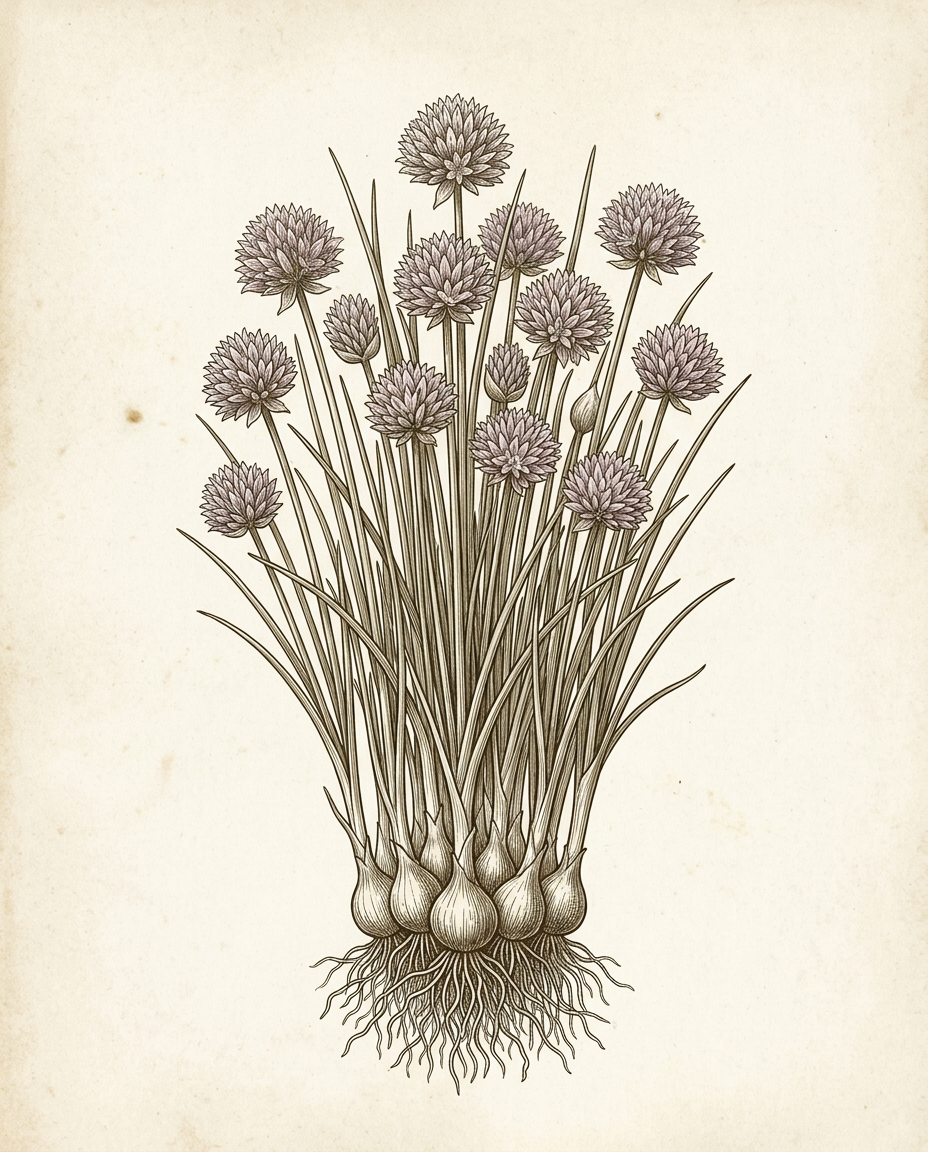
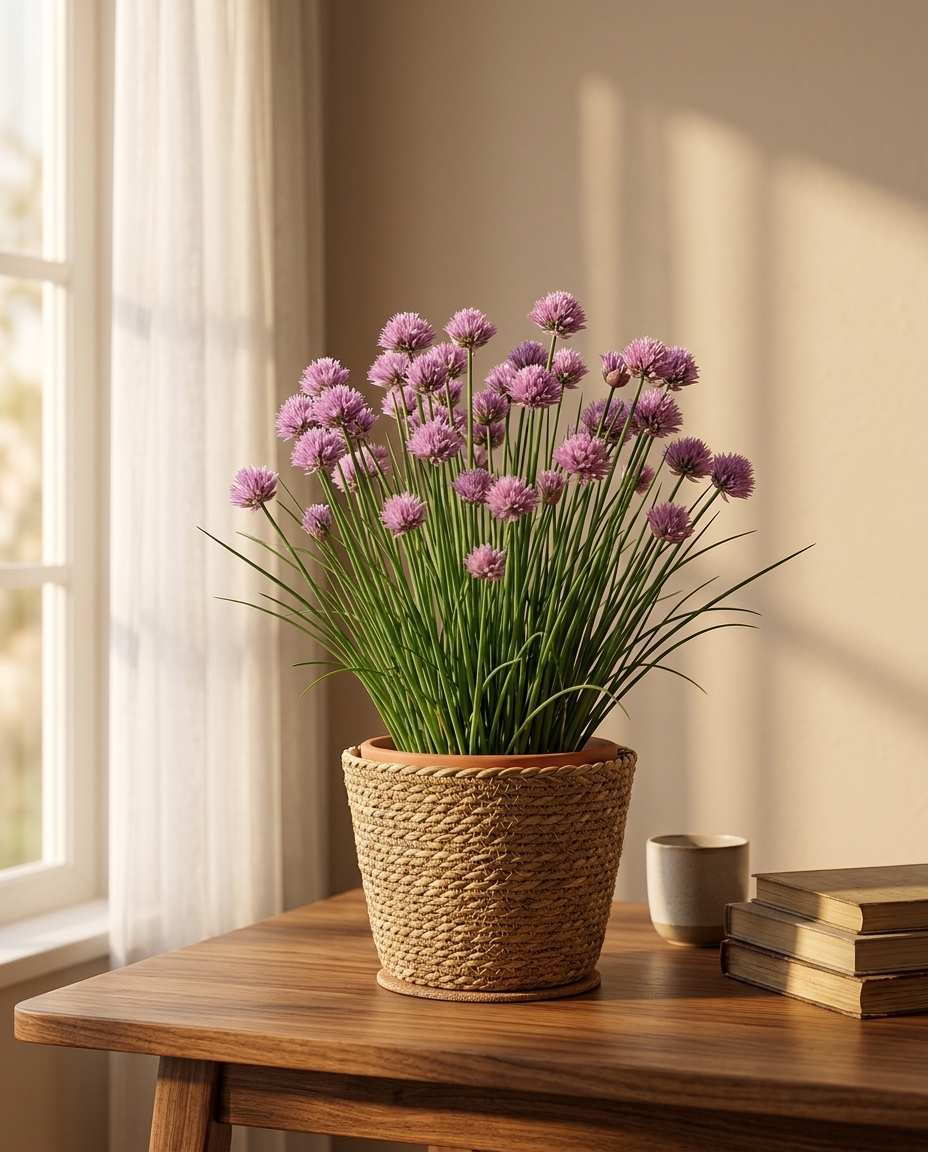
Plate IAllium schoenoprasum — chives. Slender hollow tubular leaves in a clump with mauve pom-pom flower heads in early summer. ASPCA TOXIC — same N-propyl disulfide that makes onion and garlic dangerous.
Three plants that look the part, without the risk.
Same delicate-tube clumping herb aesthetic without the Allium chemistry — these substitutes give a chive-like look or culinary role at ASPCA non-toxic.
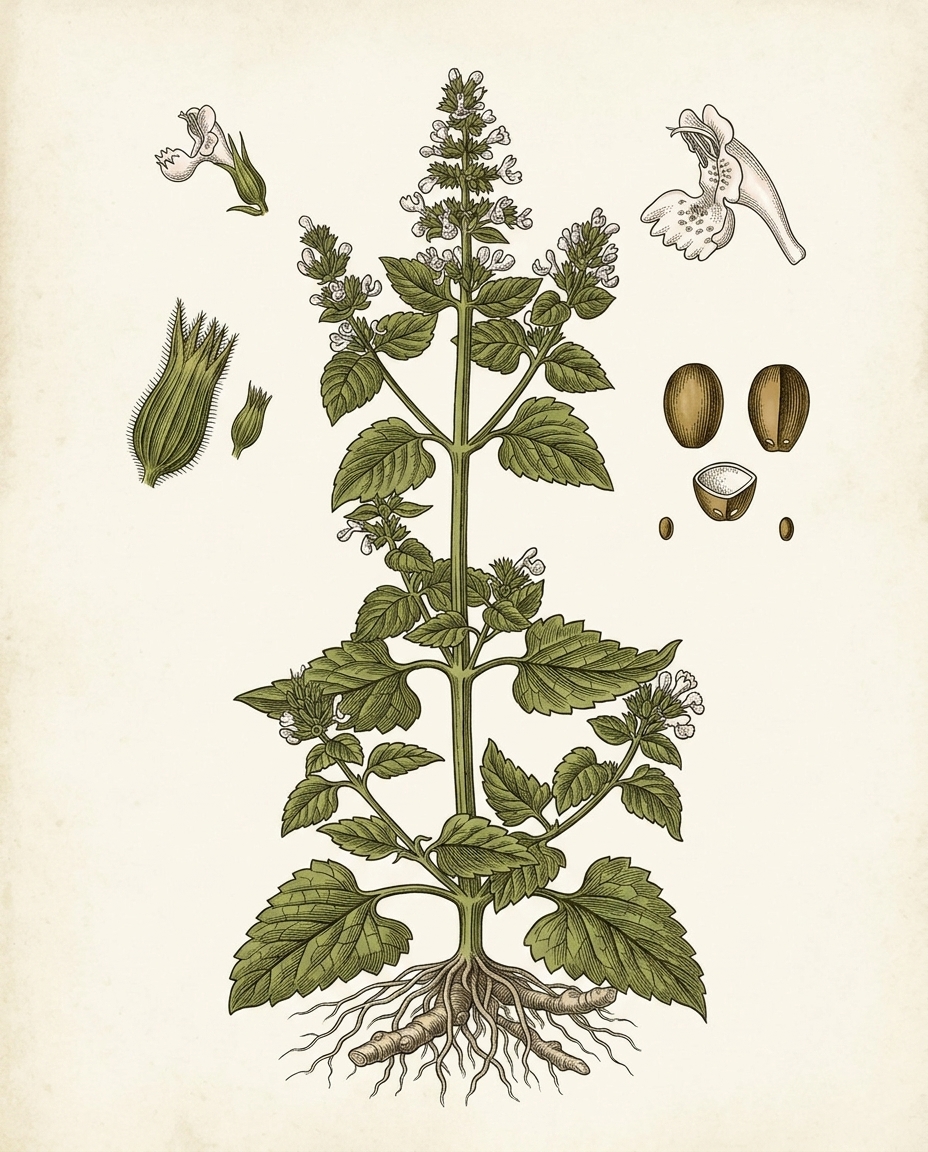
Catnip
For a clumping herb that's actively good for cats, catnip is the obvious swap. ASPCA non-toxic, cat-attractive (briefly), low maintenance.
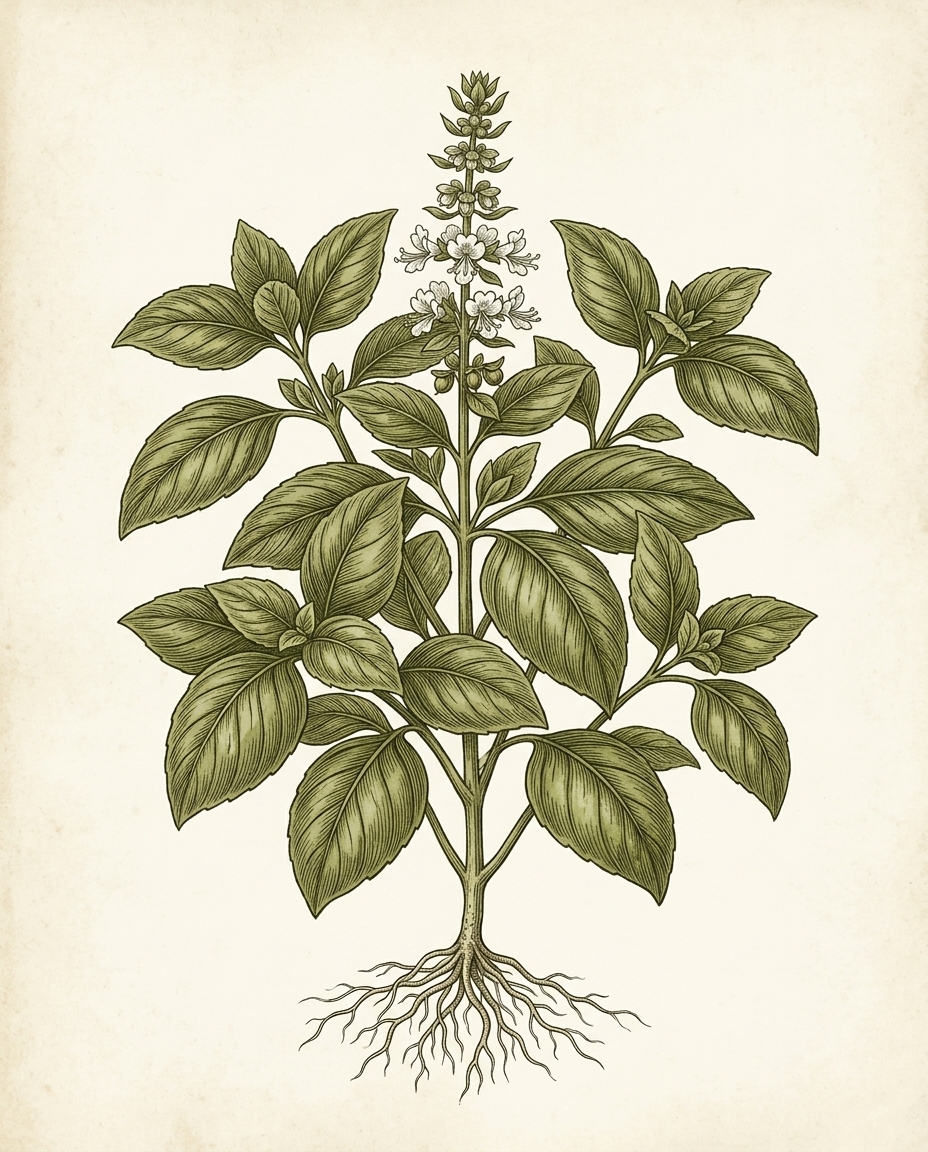
Basil
For a culinary herb in a kitchen pot at ASPCA non-toxic. Wider flavour range than chives in salads and pasta.
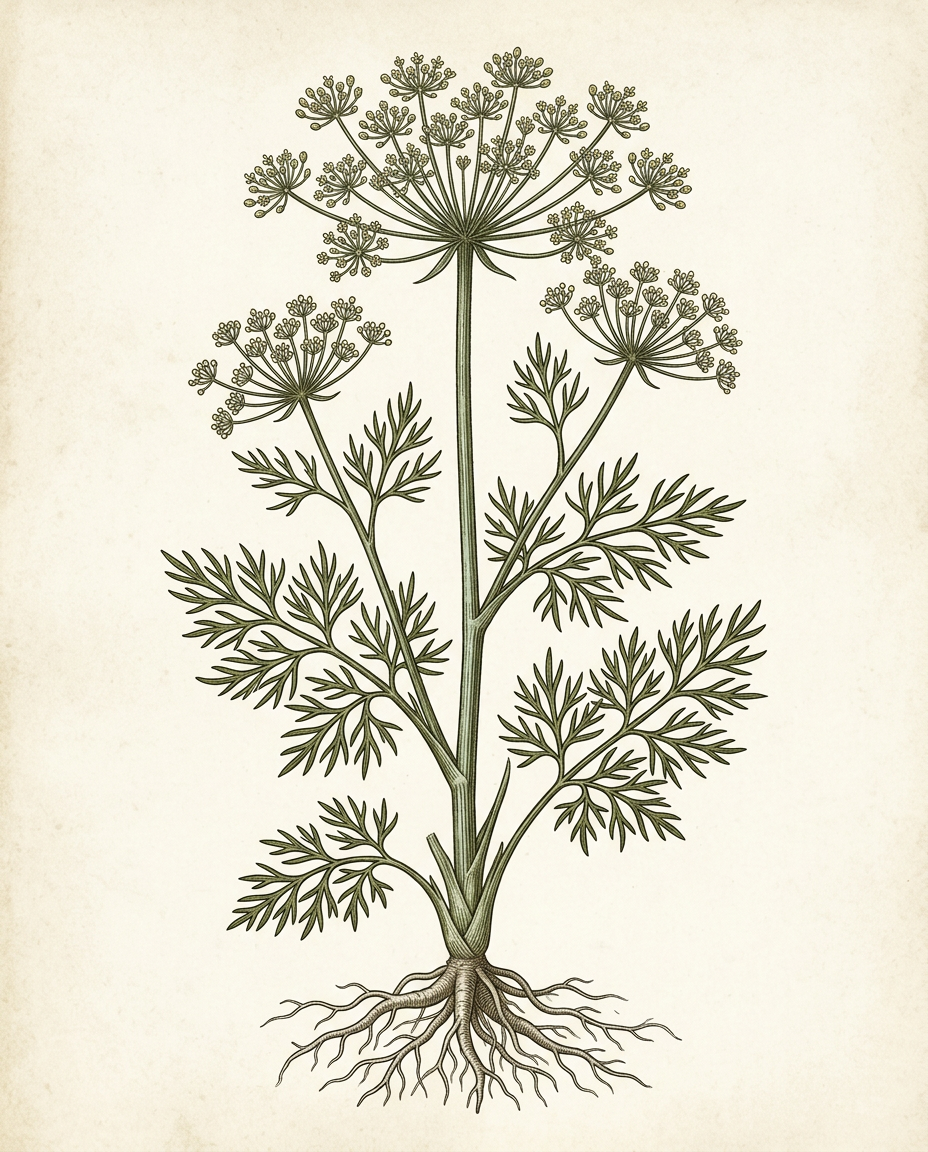
Dill
For a fresh-onion-adjacent culinary herb at ASPCA non-toxic. Feathery foliage, different role but a cleaner safety profile.
What it does to a cat.
Yes — chives are toxic to cats, and the toxicity is more serious than people often realise. The ASPCA lists Allium schoenoprasum (chives) as toxic to cats, dogs, and horses, with N-propyl disulfide as the toxic principle. The mechanism is oxidative damage to red blood cells — hemolytic anemia, not just GI upset. Cats are more sensitive to Allium toxicity than dogs, and cooked, dried, and powdered forms are equally dangerous as the fresh plant.
The ASPCA verdict, verbatim: Scientific Name: Allium schoenoprasum · Family: Amaryllidaceae · Toxicity: Toxic to Dogs, Toxic to Cats, Toxic to Horses · Toxic Principles: N-propyl disulfide.
Why Allium is different from most "toxic" herbs
Most plants on the ASPCA toxic list cause local irritation or mild GI upset that resolves on its own — uncomfortable but rarely a real problem. Allium toxicity is in a different category. The mechanism is systemic, delayed, and cumulative.
Here's what happens after a cat eats chives:
- N-propyl disulfide and related organosulfur compounds enter the bloodstream.
- They oxidatively attack hemoglobin inside the cat's red blood cells.
- Damaged hemoglobin precipitates inside the cell, forming visible inclusions called Heinz bodies on a microscope slide.
- The damaged cells are recognised as defective and destroyed by the spleen.
- Hemolytic anemia — too few functioning red blood cells — develops over the next 1 to 5 days.
The cat may seem fine the day after eating the chives (or may have mild GI upset that resolves). The actual damage shows up days later: pale or yellow gums, weakness, fast breathing, possibly dark or red urine. By then, the owner has often forgotten the chive incident.
Cooked, dried, powdered — same problem
This is the critical operational detail in a cat household. The organosulfur compounds responsible for Allium toxicity are not destroyed by cooking, drying, or processing. A cat that:
- Licks a chive-and-cream-cheese smear off a plate
- Eats a few crumbs of sour cream and chive dip
- Walks across a counter dusted with dried chive flakes
- Investigates chive butter or garlic-and-herb cheese spread
...gets a meaningful Allium exposure. Many owners think "they only had a taste of the cooked version, it's fine." Veterinary toxicology says: it's the same toxin.
The whole Allium genus
Chives are one species in a genus that contains every culinary onion plant. All of them are toxic to cats by the same mechanism:
- Garlic (Allium sativum) — the most concentrated. About 5× the per-gram toxicity of onion.
- Onion (Allium cepa) — the classic Allium toxicity case.
- Leek (Allium ampeloprasum) — same mechanism.
- Shallot, scallion (green onion), ramps (wild leek) — same mechanism.
- Ornamental allium garden bulbs (the big purple pom-pom flowers) — same mechanism.
- Chives (this page) — same mechanism, lower per-gram concentration than garlic but plenty enough to harm a cat.
What to do if your cat ate chives (or anything else Allium)
- Call your vet or the ASPCA Animal Poison Control Center at 888-426-4435. They charge a $95 consultation fee and will work with your vet.
- Note the amount and the time. Even a rough estimate matters.
- If ingestion is recent (under 2 hours), the vet may induce vomiting to reduce the absorbed dose.
- The longer-term plan is monitoring. A complete blood count at days 3 and 5–7 to look for Heinz bodies and falling red cell counts. Supportive care (IV fluids, anti-emetics) as needed. Severe cases occasionally need transfusion; most cases recover with monitoring alone.
- Don't wait for symptoms. The GI phase passes; the anemia phase is silent until it's serious.
Cat-safe alternatives in a kitchen herb garden
If you want fresh herbs in pots without the Allium risk, the ASPCA non-toxic choices: basil, rosemary, thyme, sage, dill, catnip. The herbs to skip alongside chives are anything Allium, plus oregano (essential-oil toxicity) and parsley (furanocoumarins, calibrated risk). For the broader toxic reference, toxic plants for cats. For emergency-tone parallel coverage of a deadly true-lily exposure, emergency: cat ate a lily.
What we have actually seen.
GI signs first (hours)
Onset 4–24 hours — vomiting, diarrhea, drooling, abdominal pain, reduced appetite. Owners often dismiss this as a routine upset; the cat seems to recover within a day. The real damage is just starting.
Heinz body anemia (days)
The defining hazard. N-propyl disulfide oxidatively damages cat red blood cells, forming visible Heinz bodies and causing hemolytic anemia. Develops over 1–5 days post-ingestion. Pale or yellow gums, weakness, rapid breathing, dark or red urine.
Weakness and lethargy
From anemia. The cat is winded, sleeps more, refuses food. By this point the exposure may be days old and the owner has forgotten the chive incident.
Severe cases
Heavy or repeated exposure can produce anemia requiring transfusion. Rarely fatal with prompt care; potentially fatal with delayed recognition.
- ASPCA Animal Poison Control Center. Toxic and Non-Toxic Plants: Chives.Accessed June 2026 · aspca.org · Allium schoenoprasum · Toxic to cats, dogs, horses · Toxic Principles: N-propyl disulfide
- Pet Poison Helpline. Allium toxicosis in cats.Clinical reference · 2024 · cats more sensitive than dogs · cooked/dried equally toxic
- Merck Veterinary Manual. Onion and garlic toxicity in companion animals.Standard veterinary toxicology reference