Gladiolus
Gladiolus species
Gladiolus is toxic to cats per the ASPCA. Toxicity concentrates in the corm (bulb), with salivation, vomiting, drooling, lethargy, and diarrhea on ingestion. Stems and flowers are lower risk.
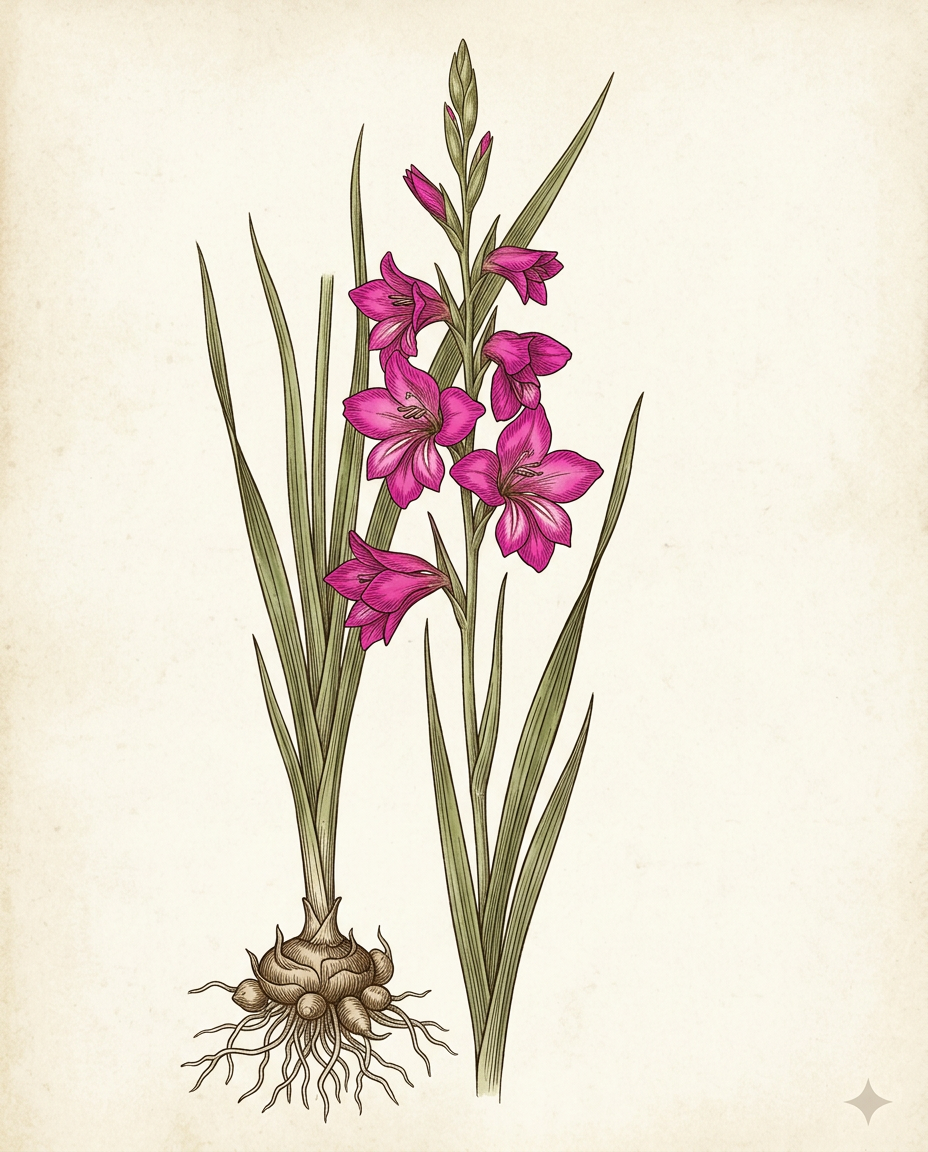
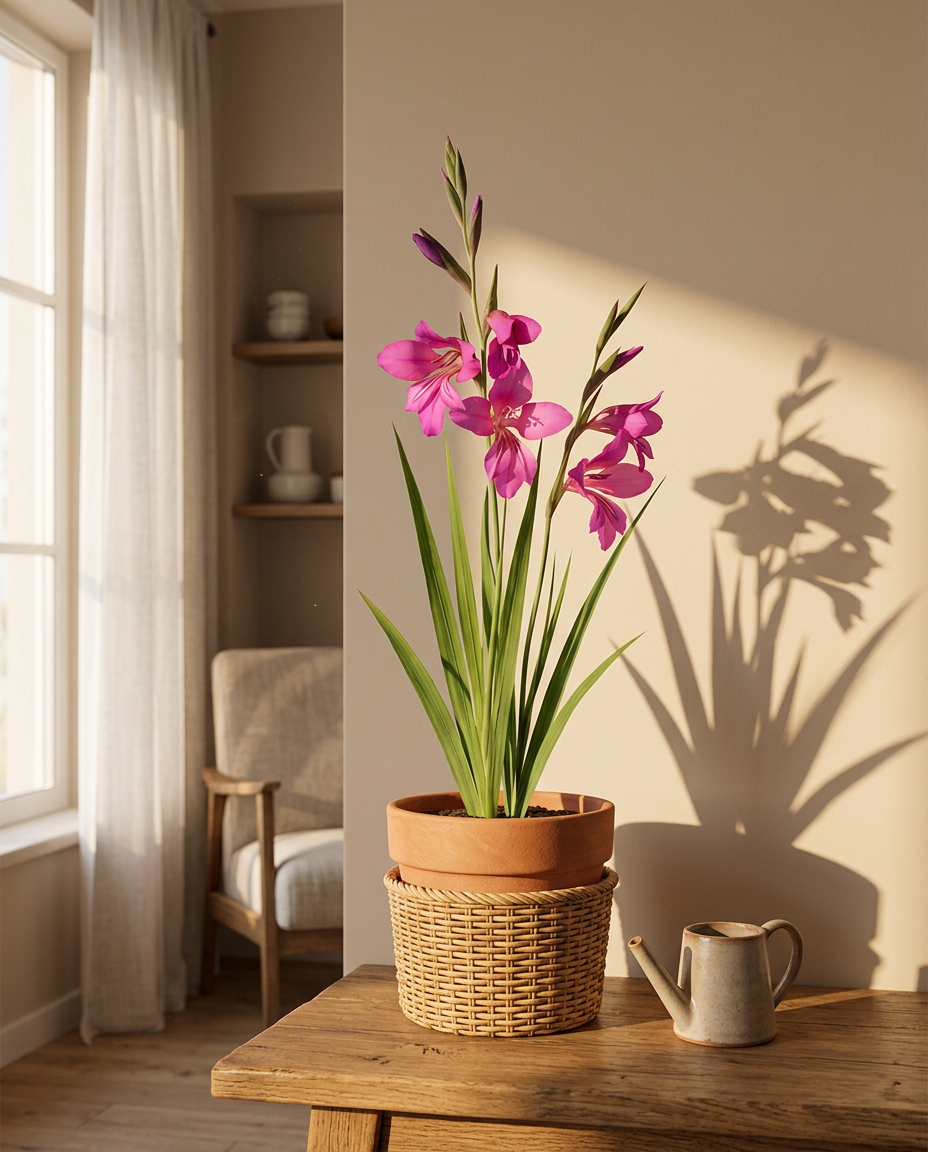
Plate IGladiolus species — the sword lily. Tall flowering spike of funnel flowers above sword-shaped leaves, rising from a flattened corm. ASPCA toxic — concentrated in the corm.
Three plants that look the part, without the risk.
Same tall-spike summer-garden silhouette without the corm toxicity — these substitutes give the gladiolus look at ASPCA non-toxic.
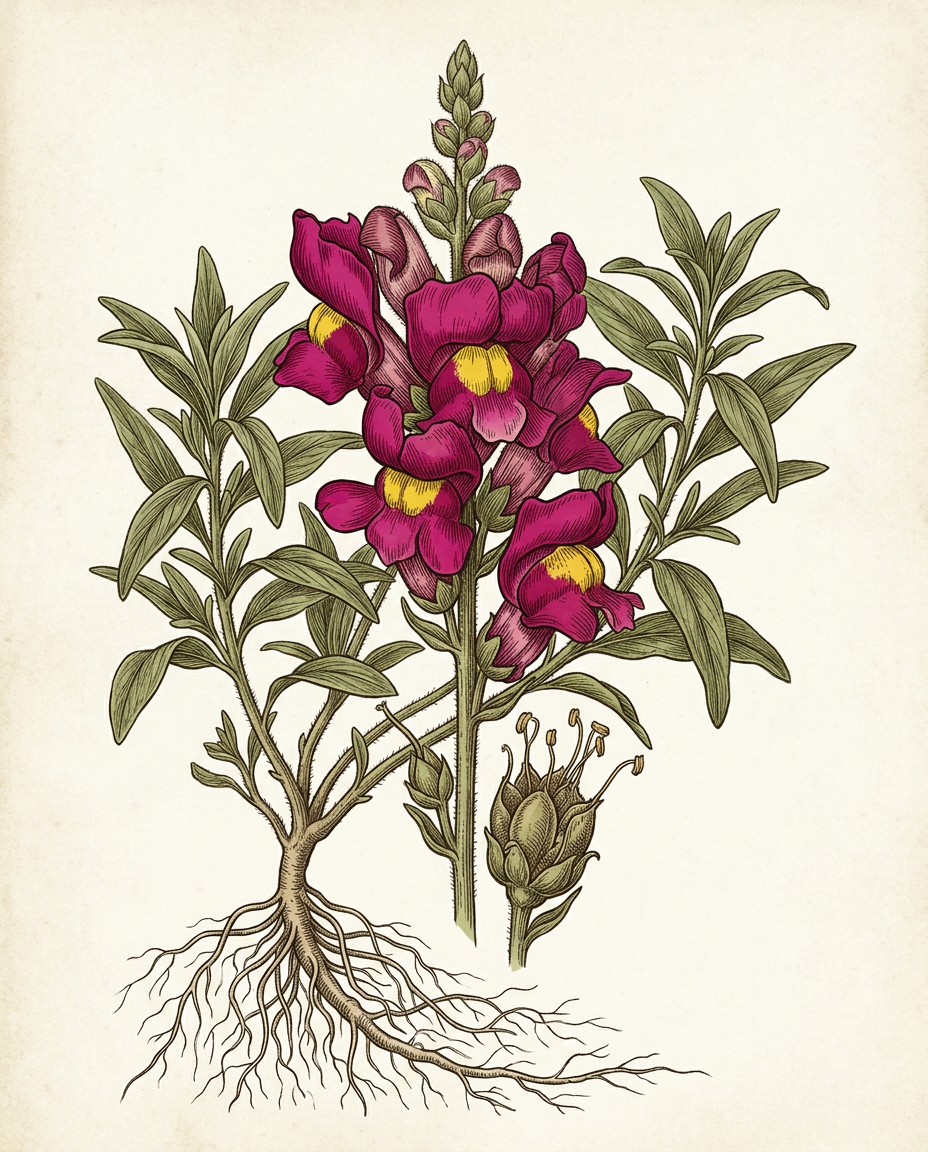
Snapdragon
For tall flowering spikes in mixed colours, snapdragon is the ASPCA non-toxic alternative. Cottage-garden look, cut-flower-friendly.
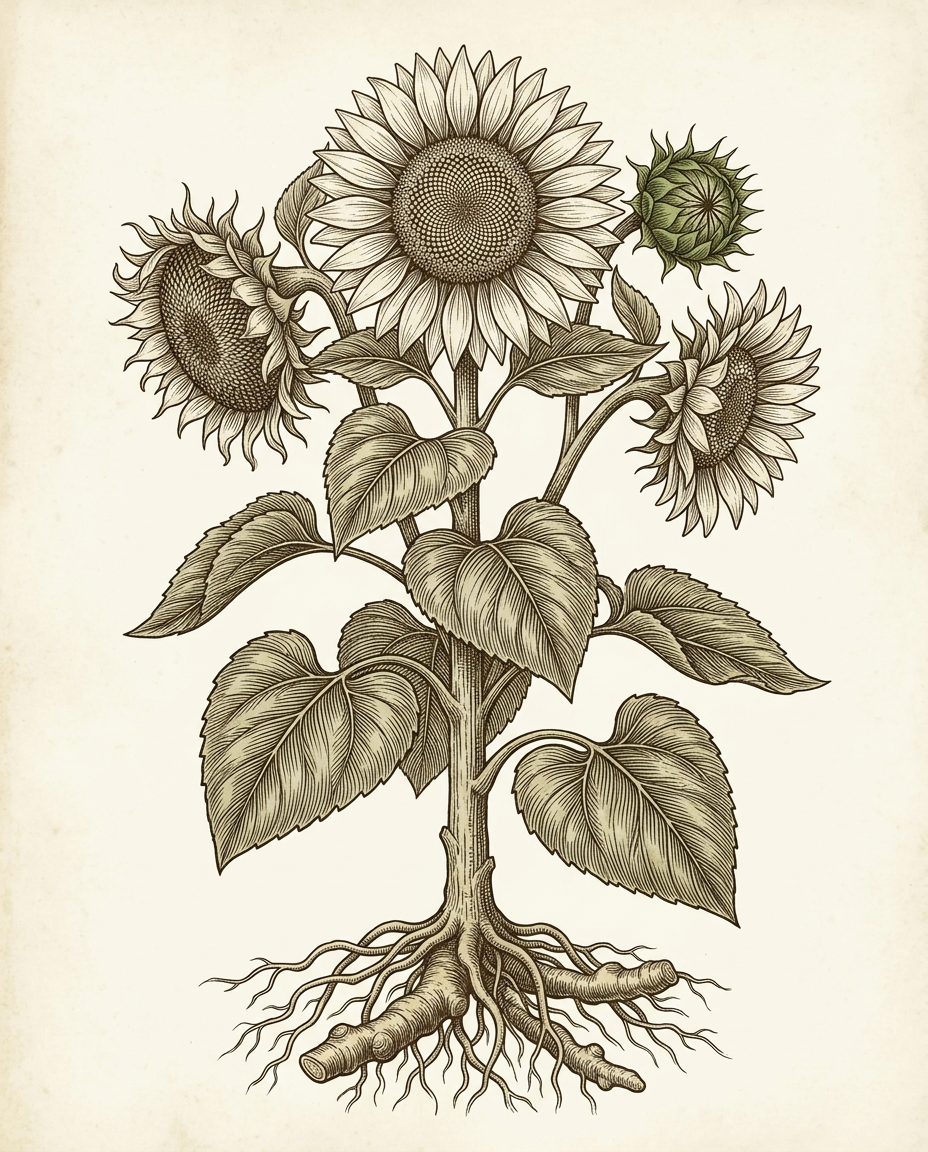
Sunflower
For dramatic vertical garden impact, sunflowers reach gladiolus-scale heights at ASPCA non-toxic. Bigger blooms, easier care.
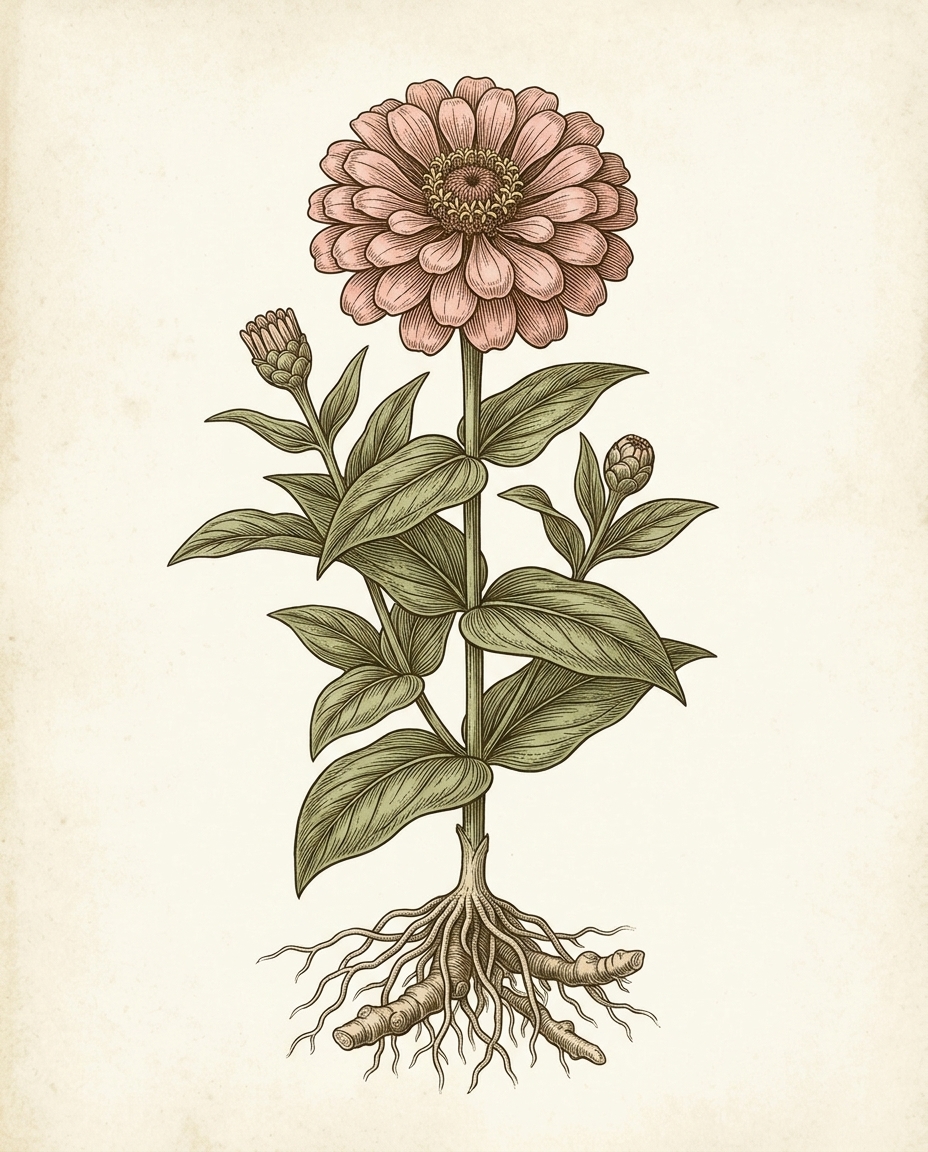
Zinnia
For long-stem cutting garden colour, tall zinnias (Benary's Giant, State Fair) hit florist-grade lengths at ASPCA non-toxic.
What it does to a cat.
Yes — gladiolus is toxic to cats. The ASPCA lists Gladiolus species as toxic to cats, dogs, and horses, with the highest concentration of toxin in the corm — the buried storage bulb. Clinical signs include salivation, vomiting, drooling, lethargy, and diarrhea. (Note: the ASPCA URL slug uses the singular /gladiola — same plant.)
The ASPCA verdict, verbatim: Additional Common Names: Many cultivars · Scientific Name: Gladiolus species · Family: Iridaceae · Toxicity: Toxic to Dogs, Toxic to Cats, Toxic to Horses · Toxic Principles: Unknown · Clinical Signs: Salivation, vomiting, drooling, lethargy, diarrhea · Highest concentration in corms.
The corm is the real risk
Most cat encounters with gladiolus are bouquet encounters — a cat chews a stem or a flower from a vase. Those exposures tend to be mild: some drool, maybe vomiting, resolution in a day. The dangerous exposure is the buried corm — the flattened bulb that gardeners plant in spring and lift in autumn. A digging indoor cat, an outdoor cat with access to a planted bed, or a curious cat near a stored bulb sack will get a much heavier dose.
If you grow gladiolus, the practical defences are:
- Plant out of paw-reach. Beds far from cat-accessible paths, fenced borders, or containers cats can't dig.
- Store lifted corms behind a door. Garages and sheds are typical winter storage; a chewed paper sack is not.
- Use the cut-flower stem instead. A vase on a counter is much lower risk than a planted bulb a cat can excavate.
Not a true lily — but related to iris
The "sword lily" common name is misleading. Gladiolus is in Iridaceae (the iris family), not Liliaceae. The good news: gladiolus is not on the deadly-lily list (no acute renal failure). The bad news: the family includes iris — also toxic, with a similar drool/vomiting/lethargy profile from irritant terpenoid glycosides. If a cat household keeps neither iris nor gladiolus, you've handled both at once.
What it does to a cat
- Salivation and drooling (first signs): onset 1 to 6 hours after corm ingestion. Cats with mouth contact may produce visible drool before any GI signs.
- Vomiting and diarrhea: standard GI signs over the following 12 to 24 hours. Heavier from corm ingestion, milder from stem or flower exposure.
- Lethargy: sleepiness, reduced activity, and reluctance to eat. The defining "this cat is unwell" sign for owners watching the pattern.
- Heavy exposures: prolonged vomiting can produce dehydration warranting subcutaneous or IV fluids. Rarely deadly, but worth a vet check for any large bulb ingestion.
Get to a vet — what to do
If your cat has dug up and chewed a corm, or eaten more than a token mouthful of a stem or flower:
- Call the ASPCA Animal Poison Control Center at 888-426-4435. They charge a $95 consultation fee and will work with your vet.
- Bring a sample or photo of the plant — confirms the identification and the toxin family.
- Note the time and approximate amount of ingestion. Anti-emetic timing depends on the window.
- Treatment is supportive: anti-emetics, fluids for hydration, monitoring. Outcomes are good with prompt care; severe cases are uncommon.
Cat-safe alternatives
For the gladiolus garden role — tall, dramatic, summer-blooming vertical spikes — the ASPCA non-toxic options:
- Snapdragon — for tall flowering spikes in mixed colours. Cottage-garden classic, ASPCA non-toxic.
- Sunflower — for back-of-border height and dramatic single-stem blooms. ASPCA non-toxic.
- Zinnia — for cut-flower garden colour at all scales. Tall cultivars like Benary's Giant reach florist-stem lengths at ASPCA non-toxic.
For the full toxic list, see the toxic plants for cats reference. For the bulb-toxin cluster — tulip, daffodil, hyacinth, amaryllis, autumn crocus — all carry similar bulb-concentrated risk and similar guidance: keep planted bulbs and stored bulbs out of cat reach.
What we have actually seen.
Salivation and drooling
First signs — onset 1–6 hours after corm ingestion. Cats with mouth contact may produce visible drool before any GI signs.
Vomiting and diarrhea
Standard GI signs following ingestion. Heavier exposures (chewing a planted corm or a stored bulb) produce heavier vomiting; cut-flower-stem exposures are milder.
Lethargy
Reduced activity, sleepiness, and reluctance to eat over the 12–24 hours after a meaningful exposure.
Severe cases
Heavy corm ingestion can produce more pronounced GI distress and dehydration warranting fluids. Rarely deadly, but worth a vet check for any large bulb ingestion.
- ASPCA Animal Poison Control Center. Toxic and Non-Toxic Plants: Gladiola.Accessed June 2026 · aspca.org · Gladiolus species · Toxic to Cats, Dogs, Horses · Toxic Principles: Unknown · Clinical Signs: Salivation, vomiting, drooling, lethargy, diarrhea · highest concentration in corms · URL slug: /gladiola
- Pet Poison Helpline. Iridaceae ingestion in companion animals.Clinical reference · 2024
- Merck Veterinary Manual. Bulb toxicoses in cats.Standard veterinary toxicology reference