Hyacinth
Hyacinthus orientalis
Hyacinths are toxic to cats per the ASPCA. The bulbs concentrate the alkaloids and cause severe vomiting, drooling, and depression. The spring-bouquet trap that arrives alongside daffodils and tulips.
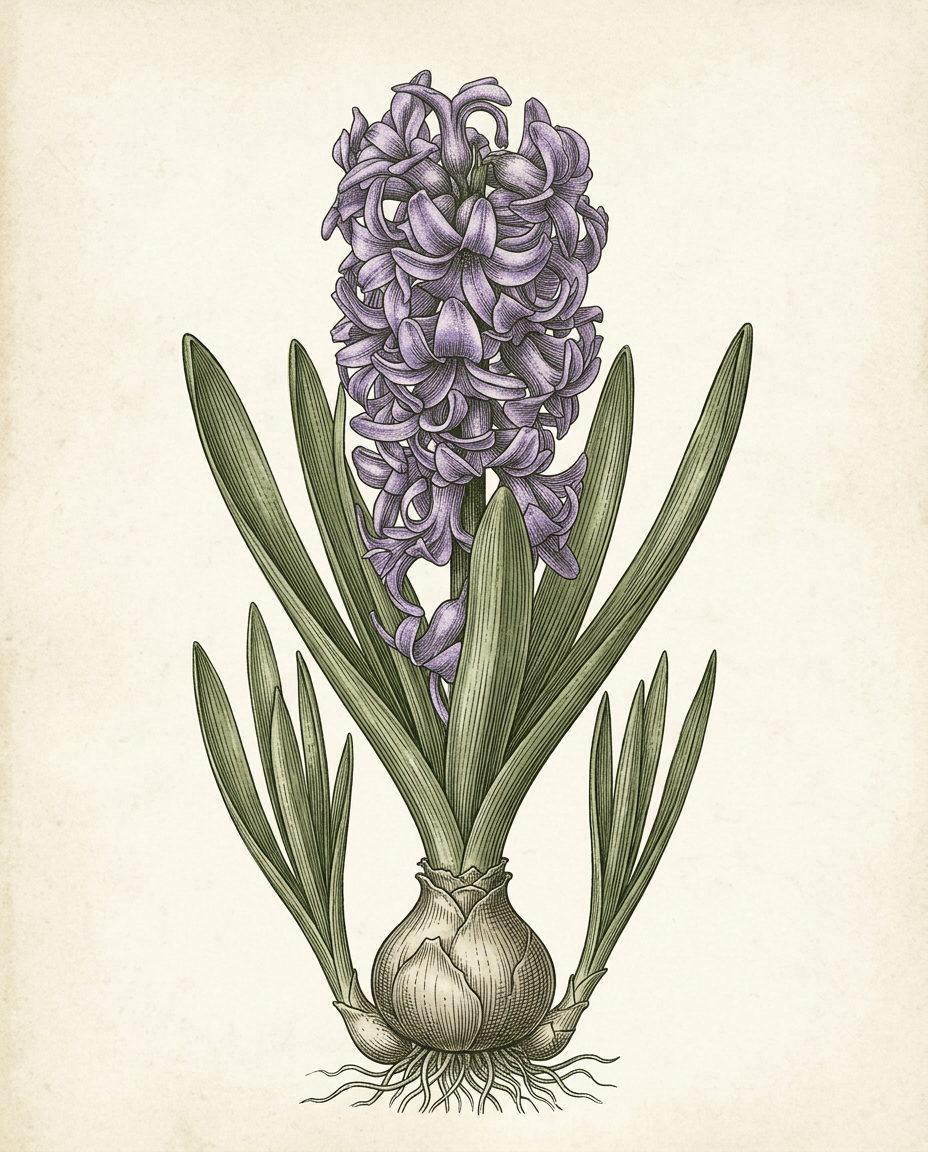
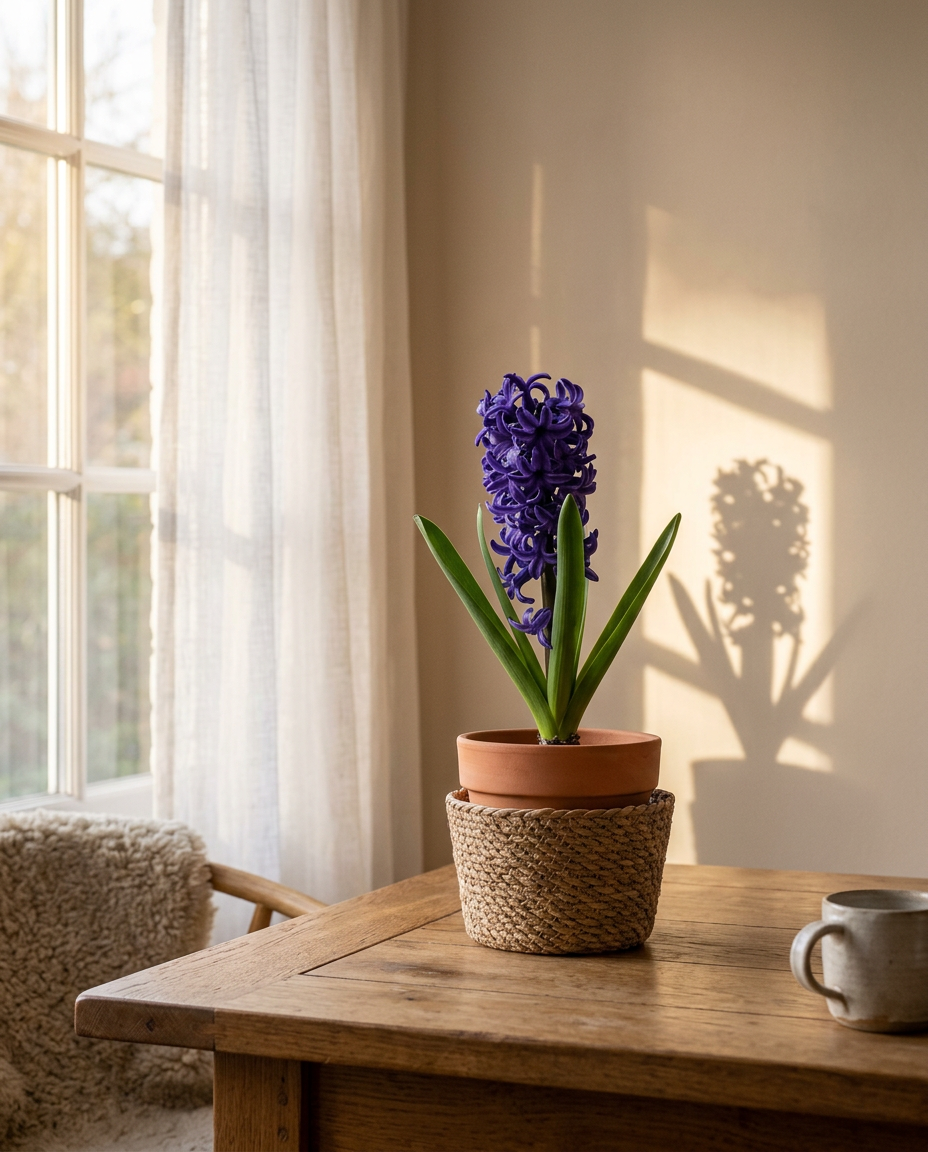
Plate IHyacinthus orientalis — the garden hyacinth. A spring bulb that arrives in florist bouquets, supermarket pots, and Easter arrangements. The bulb carries the toxin in the highest dose.
Three plants that look the part, without the risk.
Spring colour without the alkaloids — these three give the same fresh seasonal feel for a cat-safe windowsill or vase.
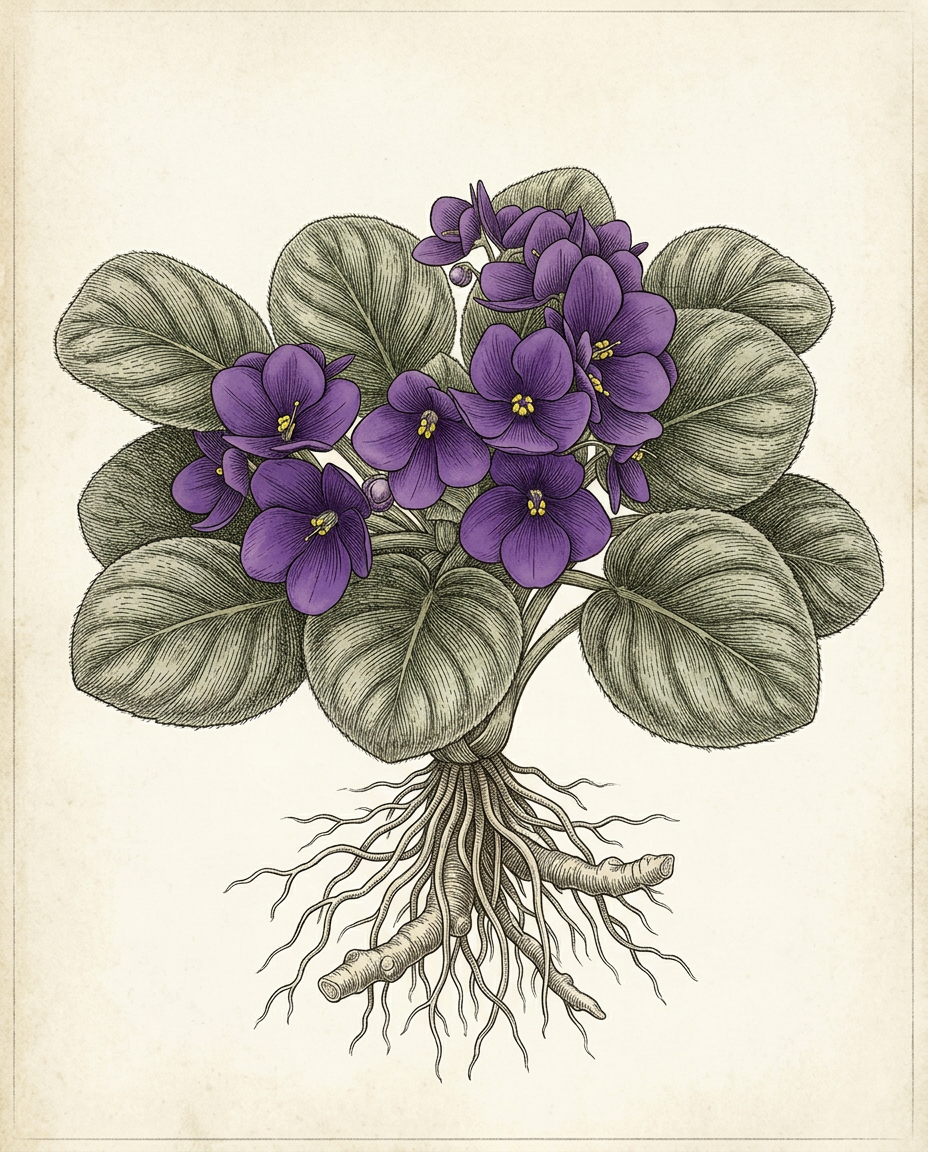
African Violet
Compact spring blooms in purple, pink, and blue — same palette, no alkaloids. ASPCA non-toxic.
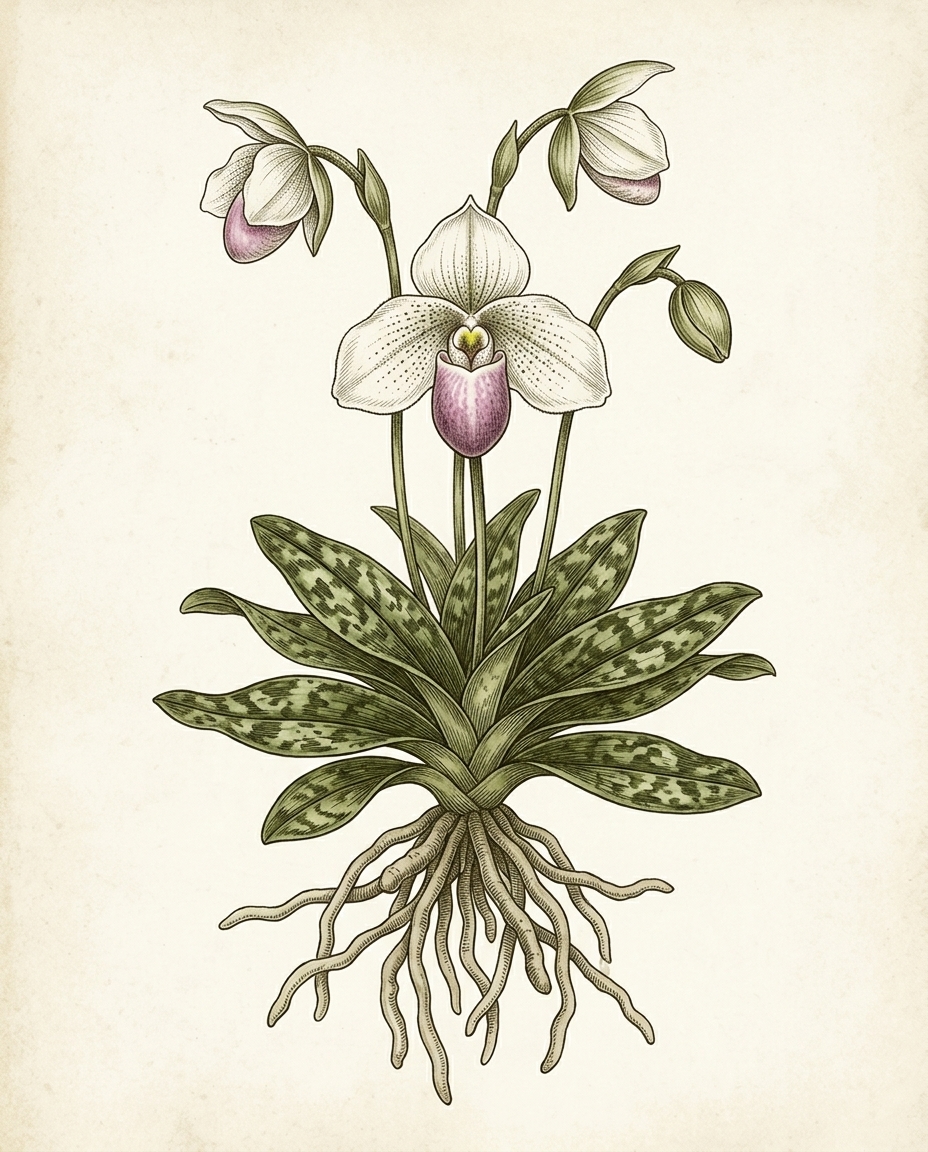
Orchid
Long-lasting spring stems with the same vertical bloom architecture. ASPCA non-toxic.
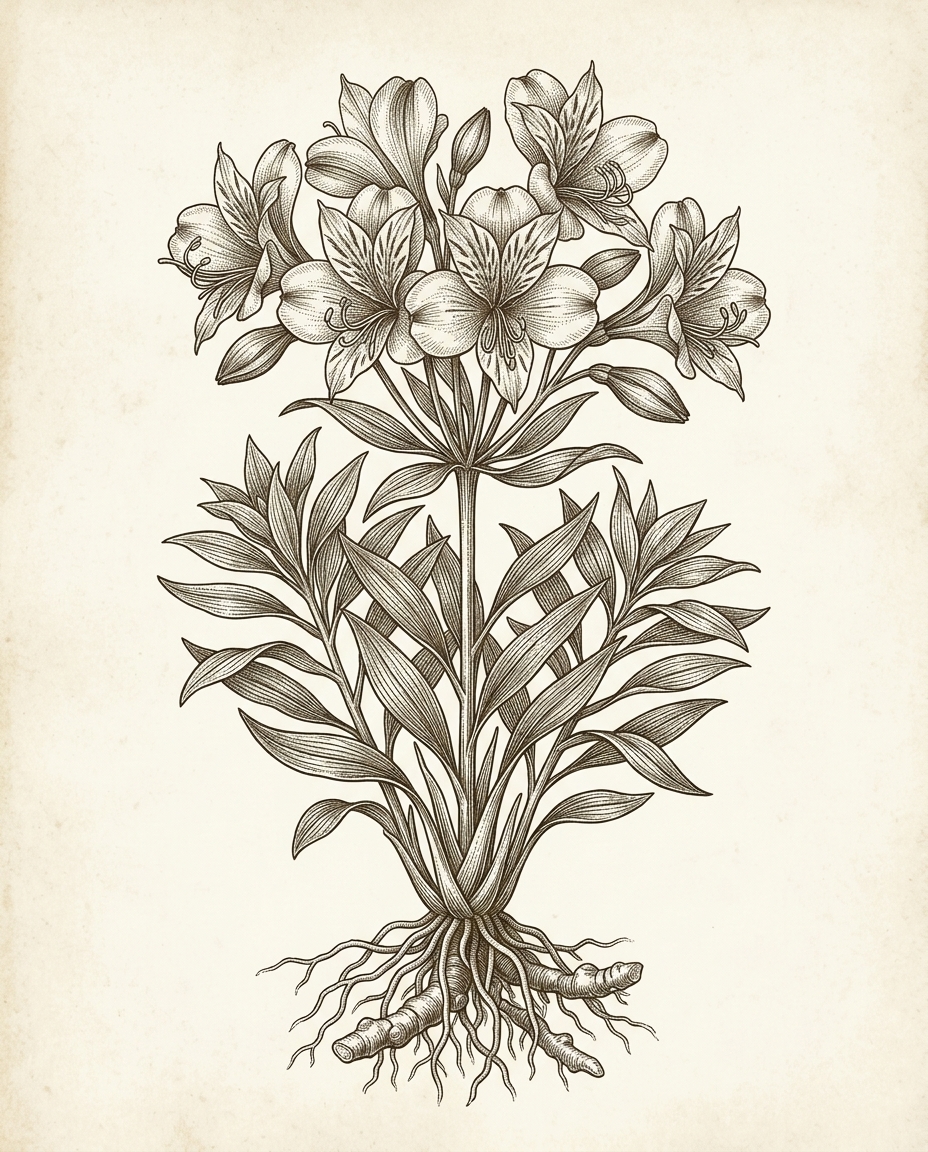
Peruvian Lily
Spring bouquet filler that holds in the vase for two weeks. ASPCA non-toxic — the safe lily-shaped flower.
What it does to a cat.
Yes — hyacinths are toxic to cats. The ASPCA lists Hyacinthus orientalis (garden hyacinth) as toxic to cats, dogs, and horses. The toxic principles are Narcissus-like alkaloids — the same family of compounds that makes daffodils dangerous — plus oxalates that contribute to the GI and contact-irritation picture.
The bulb is by far the most concentrated source. A cat digging in a planted pot or autumn flower bed gets a much higher dose than one that nibbles a leaf or a flower.
Why hyacinth shows up alongside daffodils and tulips
Hyacinths arrive in households in three waves: as cut stems in spring bouquets, as forced-bulb pots at Easter, and as garden bulbs planted in autumn for next spring. The same three windows bring daffodils and tulips — and all three are on the ASPCA toxic list, by three different mechanisms. The supermarket spring bouquet is, in poison-control terms, one of the riskier household objects of the year for cats.
What the alkaloids do
The Narcissus-like alkaloids irritate the GI lining and produce vomiting, drooling, and diarrhea within hours. At higher doses — and particularly when a bulb is involved — depression and lethargy follow. Contact dermatitis is well documented; ASPCA explicitly notes allergic reactions from bulb sap, so cats that paw at planted bulbs may show paw or muzzle redness.
What to do if your cat ate hyacinth
For leaf or flower ingestion, monitor at home: most cases resolve within 24 to 48 hours. Call a vet if vomiting persists, if the cat refuses food, or if you saw the cat eat any part of a bulb. Bulb ingestion is the scenario that warrants a vet call regardless of how the cat looks. ASPCA Animal Poison Control is available 24/7 at (888) 426-4435.
Cat-safe substitutes
For the same spring purple-blue-pink palette, African violets live happily on a sill year-round. Orchids cover the long-vertical bloom architecture. Peruvian lily (Alstroemeria) is the safe lily-shaped bouquet filler — ASPCA non-toxic and lasts two weeks in a vase.
For the other spring bulbs we cover, see our daffodil and tulip pages. For lily exposure specifically, follow the emergency action page.
What we have actually seen.
Drooling and vomiting
First and most common sign. The alkaloids irritate the GI lining; many cats salivate before swallowing.
Diarrhea
Follows the vomiting in serious exposures. May persist for a day or two.
Depression and lethargy
Reduced activity, hiding, refusal to eat. Brief in mild cases; longer with bulb ingestion.
Dermatitis and allergic reaction
ASPCA notes contact dermatitis from the bulbs and sap, particularly on paws and mouth. Bulb-handling gloves are worth wearing during planting.
- ASPCA Animal Poison Control Center. Toxic and Non-Toxic Plants: Garden Hyacinth.Accessed June 2026 · aspca.org · Hyacinthus orientalis · Toxic Principles Narcissus-like alkaloids
- Pet Poison Helpline. Hyacinth toxicity in cats and dogs.Clinical reference · 2024
- Merck Veterinary Manual. Alkaloid-containing spring bulbs in companion animals.Standard small-animal toxicology reference