Kentia
Palm.
Howea forsteriana
Kentia palm (Howea forsteriana) is non-toxic to cats per the ASPCA — the Victorian-era hotel-lobby palm with no saponins, no raphides, and no sago-style cycasin. Completes the cat-safe indoor palm cluster with parlor, areca, ponytail, and bamboo.
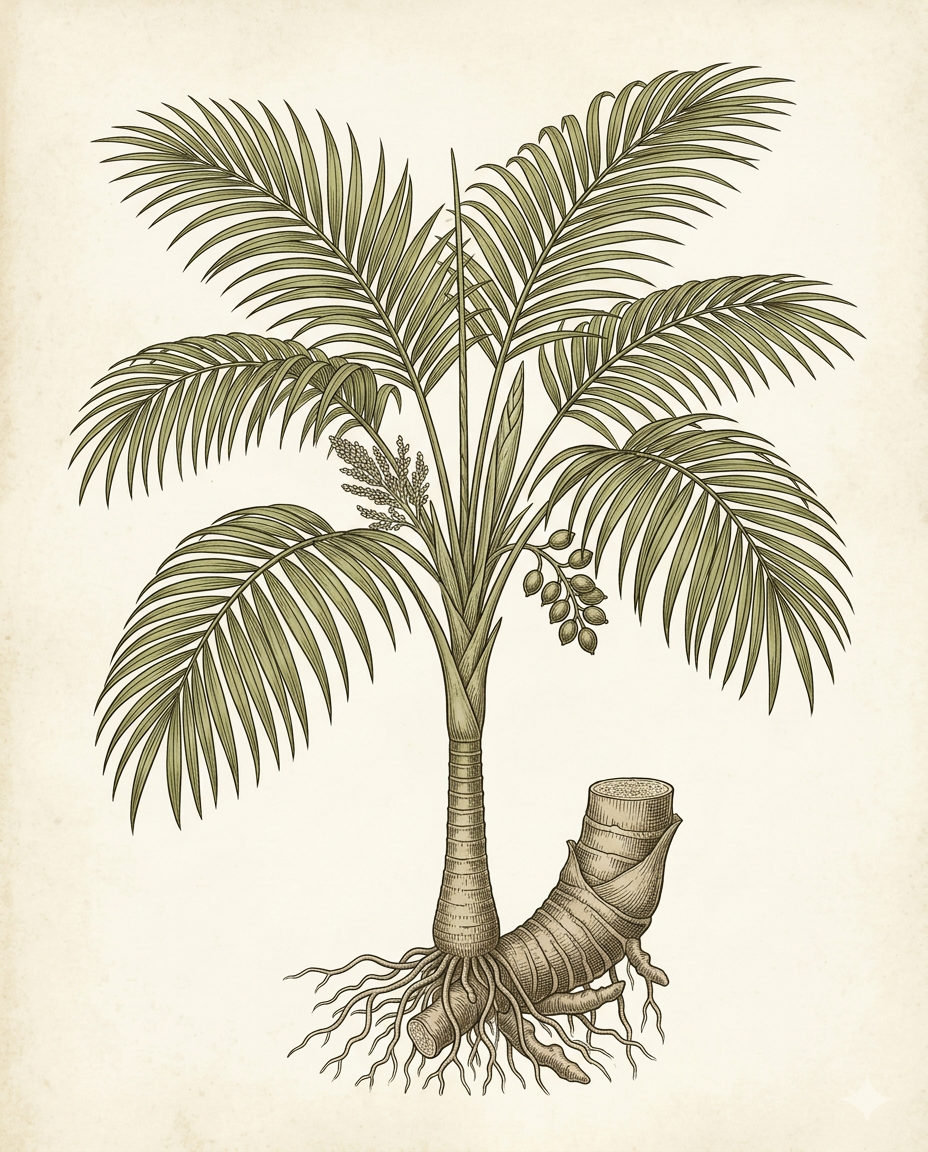
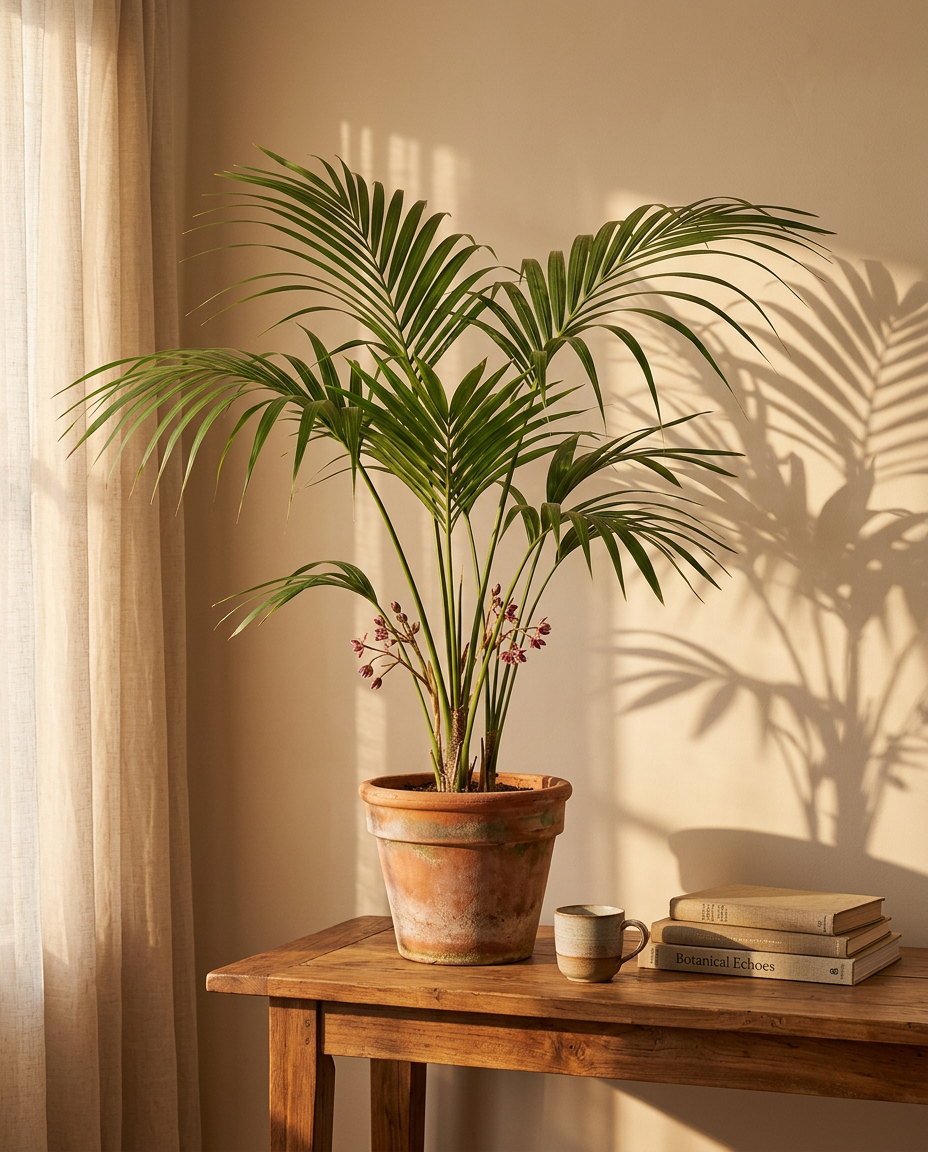
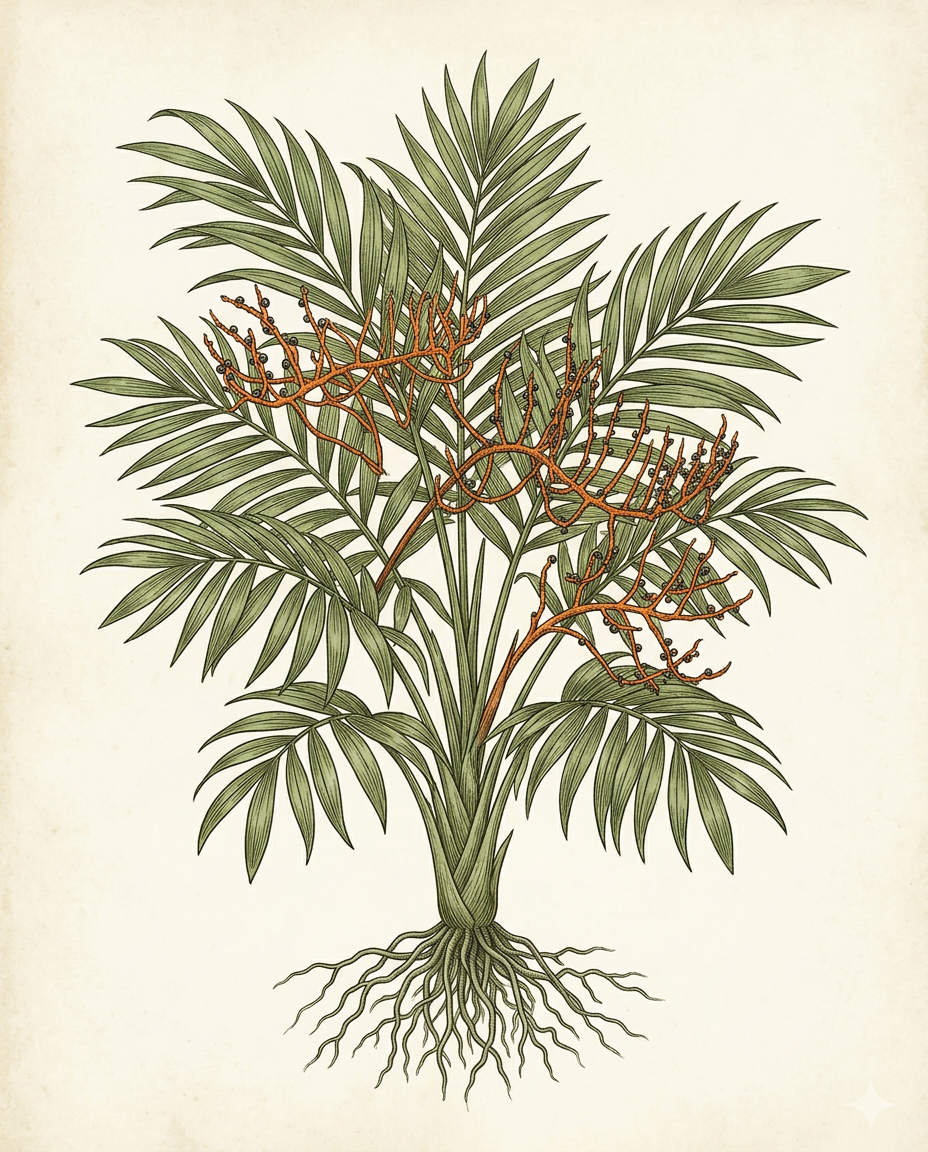
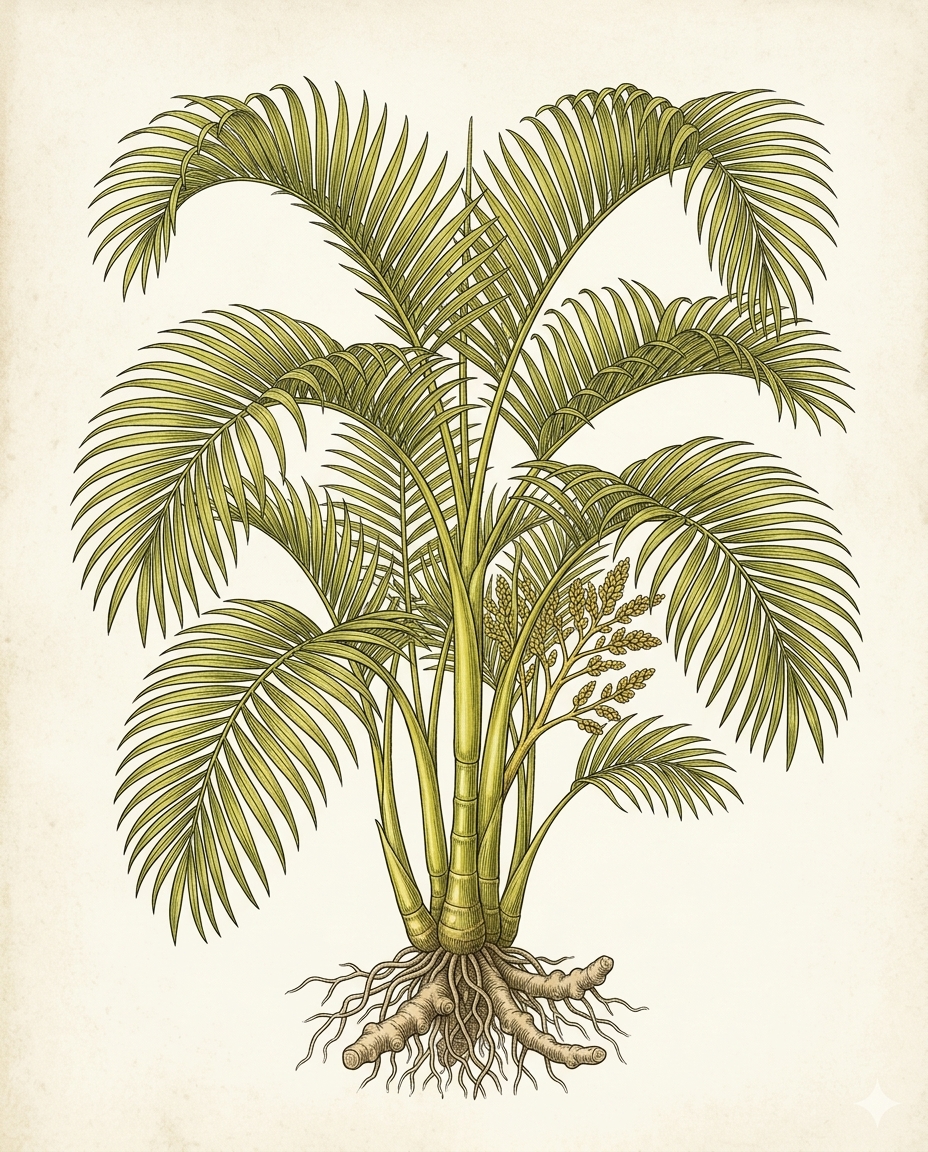
Plate IHowea forsteriana — kentia palm. Long arching pinnate fronds on a slender ringed trunk. Endemic to Lord Howe Island. ASPCA non-toxic — the cat-safe Victorian parlor palm.
Why the kentia is the safest tall indoor palm.
Yes — kentia palm is safe for cats. The ASPCA lists Howea forsteriana as non-toxic to dogs and non-toxic to cats. Toxic principles: non-toxic. The same Victorian-era hotel-lobby palm that has lived alongside cats for a century and a half — no saponins, no raphides, no cycasin.
The ASPCA verdict, verbatim: Toxicity: Non-Toxic to Dogs, Non-Toxic to Cats · Additional Common Names: Forster Senty Palm · Scientific Name: Howea forsteriana · Toxic Principles: Non-toxic. (One housekeeping note: the ASPCA's Family field on this entry is broken and lists the scientific name — the actual botanical family is Arecaceae, the palm family.)
Why the kentia is the safest tall indoor palm
Kentia closes out the cat-safe indoor palm cluster. The full safe-palm sweep:
- Kentia palm (Howea forsteriana) — this page. Tall, slow, shade-tolerant, ASPCA non-toxic.
- Parlor palm (parlor-palm, Chamaedorea elegans) — compact, low-light, ASPCA non-toxic.
- Areca palm (areca-palm, Dypsis lutescens) — feathery, sun-loving, ASPCA non-toxic.
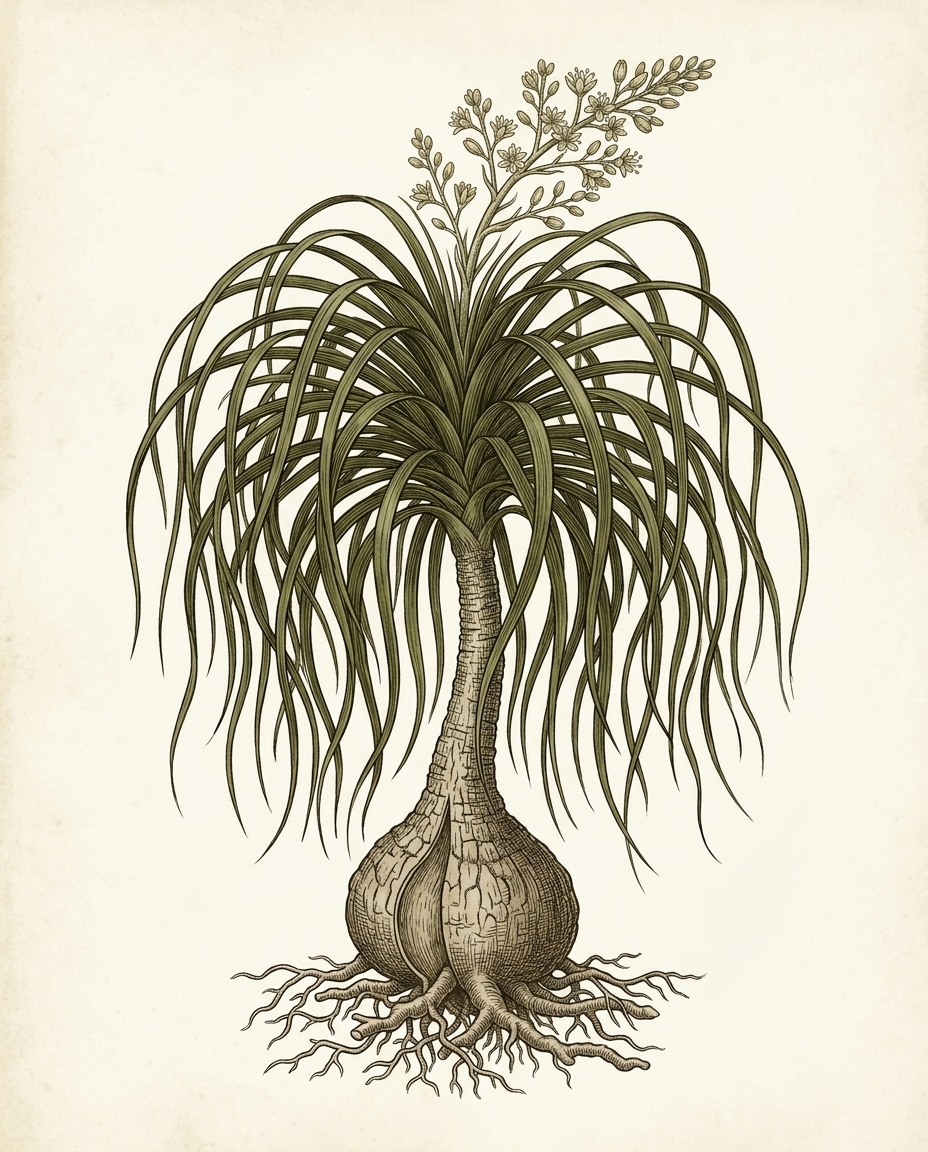
- Ponytail palm (ponytail-palm, Beaucarnea recurvata) — not a true palm, a Nolinaceae succulent, but ASPCA non-toxic.
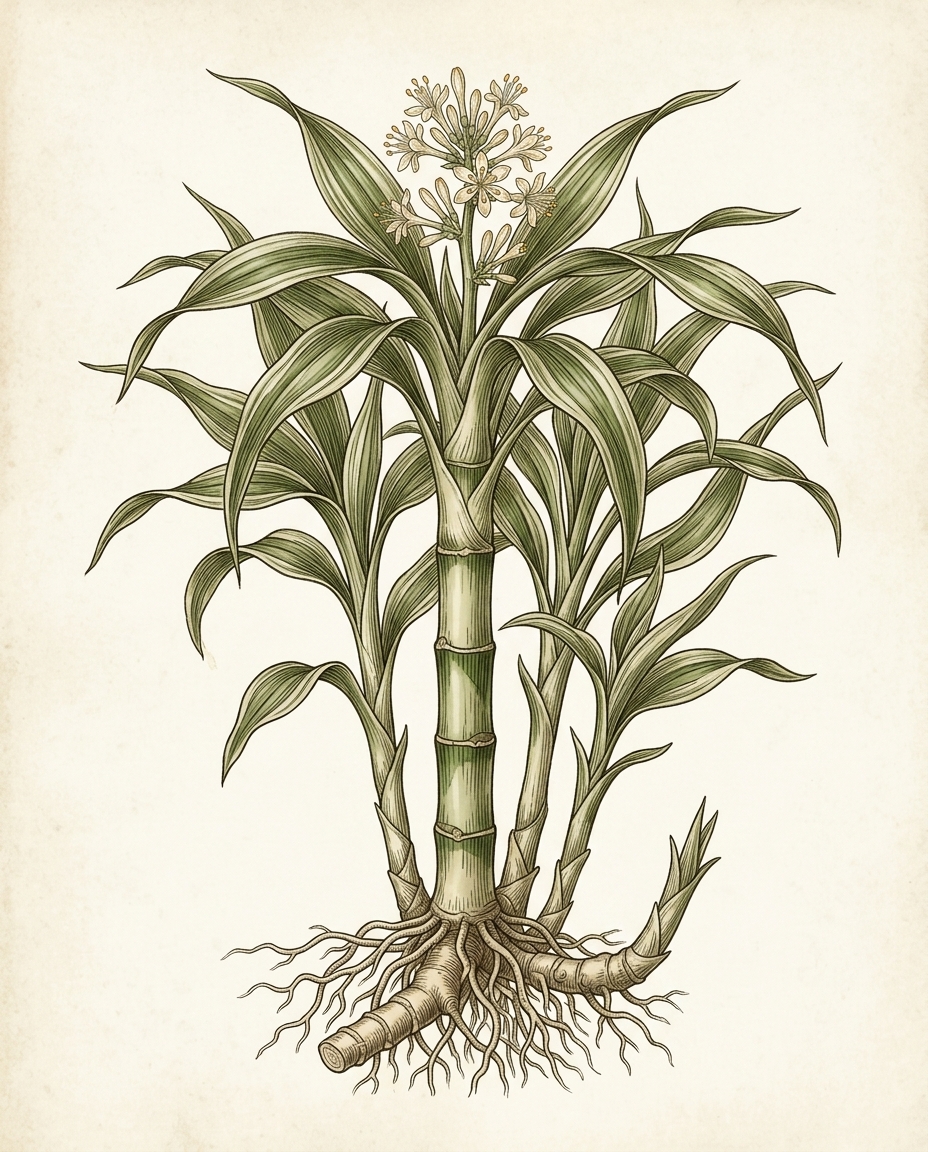
- Bamboo palm / lucky bamboo confusion (bamboo) — true bamboo (Bambusoideae) is non-toxic; lucky bamboo (Dracaena sanderiana) is toxic, so verify.
What kentia adds to the cluster is height with patience. Kentia tolerates lower light than most palms (the reason it furnished every Victorian drawing room and hotel lobby of the 1880s) and it grows so slowly that one specimen lasts a decade. For a cat household that wants the tall-corner-palm look without the sago risk, kentia is the answer.
The sago palm warning — read this part
The single most important fact on this page is that kentia is not sago, and sago is the most dangerous plant a "looks like a palm" purchase can land in a cat household.
- Kentia palm = Howea forsteriana, family Arecaceae (true palm). ASPCA non-toxic.
- Sago palm = Cycas revoluta, family Cycadaceae (a cycad — gymnosperm, NOT a palm). ASPCA toxic — among the deadliest plants for cats.
Sago contains cycasin, a glycoside metabolised in the gut to methylazoxymethanol, which produces acute hepatic failure. ASPCA's sago entry lists vomiting, diarrhea, depression, seizures, and liver failure with mortality in untreated cases. The two plants share a vaguely-palm-like silhouette in a garden centre and the common name "palm" makes the confusion routine. Whenever you buy a tall indoor palm, verify the botanical tag: Howea, Chamaedorea, Dypsis, Beaucarnea, Phoenix roebelenii (pygmy date palm — non-toxic) all check out. Cycas does not.
Care that suits a cat household
Kentia's needs map cleanly onto a cat-friendly layout:
- Bright indirect light, away from harsh afternoon sun. Most cat-occupied corners of a sitting room or bedroom suit it.
- Water when the top inch of soil dries — moist in summer, drier in winter. Yellow fronds usually mean overwatering, not underwatering; this is the most common kentia-keeping mistake.
- Heavy, stable floor planter. Cats climb fronds. A wide, weighted base pot prevents tipping. Lord Howe Island origin means it appreciates the humidity of a kitchen or bathroom corner more than a dry hallway.
- Slow growth is normal. A frond or two per year indoors is typical and healthy.
Pairing kentia in a cat-safe layout
Pair kentia with:
- Boston fern for layered low-level texture under the palm.
- Cast iron plant in the shadier spot behind it — both tolerant of dim corners and ASPCA non-toxic.
- Calathea for floor-level colour at the kentia's base.
- Spider plant on a nearby shelf — different silhouette, same cat clearance.
Avoid placing kentia next to sago palm, pothos, dracaena, or dieffenbachia without barriers — those are the common toxic-palm-adjacent purchases that get mixed into the same room. For the full toxic landscape see toxic plants for cats, and for more safe-palm context cat-safe plants.
What we have actually seen.
Frond chewing
Cats sometimes nibble or bat the long pinnate leaflets. Non-toxic — fronds may fray cosmetically but the cat is fine.
Floor-planter scale
Kentia tolerates the corner-of-the-living-room job better than most palms — the classic Victorian lobby placement. Same scale as a sago without the cycasin.
Sago palm confusion
Sago palm (Cycas revoluta) is NOT a true palm and is highly toxic — cycasin causes acute liver failure in cats. Kentia is Howea, ASPCA non-toxic. Always check the botanical name on the nursery tag.
Slow growth
Indoor kentias grow a frond or two per year. Compact, manageable, and forgiving of cat-investigation at base level.
Four common varieties.
Forsteriana (classic)
The standard kentia palm — long arching pinnate fronds, slender ringed trunk, the form that filled Victorian hotel lobbies. ASPCA non-toxic.
Belmoreana (curly palm)
Sister species (Howea belmoreana) from the same Lord Howe Island endemic genus. More upright arching fronds. Same non-toxic status.
Multi-stem (full)
Nursery-grown clumps of three to five kentias planted together for a fuller floor-planter form. Same species, same safety.
Keeping the plant alive.
Bright indirect
Tolerates lower light better than most palms — the reason it survived Victorian drawing rooms. Avoid harsh direct sun on the fronds.
When top inch dries
Keep evenly moist in growing season, drier in winter. Yellow fronds usually mean overwatering, not underwatering.
Well-draining palm mix
Standard houseplant blend with extra perlite or sand. Kentia roots dislike soggy conditions.
Floor corner
Stable heavy planter — cats may climb fronds. Lord Howe Island origin means it likes a humid corner over a dry hallway.
- ASPCA Animal Poison Control Center. Toxic and Non-Toxic Plants: Kentia Palm.Accessed June 2026 · aspca.org · Howea forsteriana · Non-Toxic to Dogs, Non-Toxic to Cats · Additional Common Names: Forster Senty Palm · Toxic Principles: Non-toxic · (ASPCA Family field is broken on this entry — it lists the scientific name instead; correct family is Arecaceae.)
- ASPCA Animal Poison Control Center. Toxic and Non-Toxic Plants: Sago Palm.Critical contrast reference — sago is Cycas revoluta, NOT a true palm, highly toxic to cats (cycasin → acute liver failure)
If you liked this, also safe.