Yarrow
Achillea millefolium
Yarrow (Achillea millefolium) is toxic to cats per the ASPCA — three distinct toxin classes (glycoalkaloids, monoterpenes, sesquiterpene lactones). Widely miscategorised as a "safe calming herb" by holistic-pet sites. ASPCA disagrees explicitly.
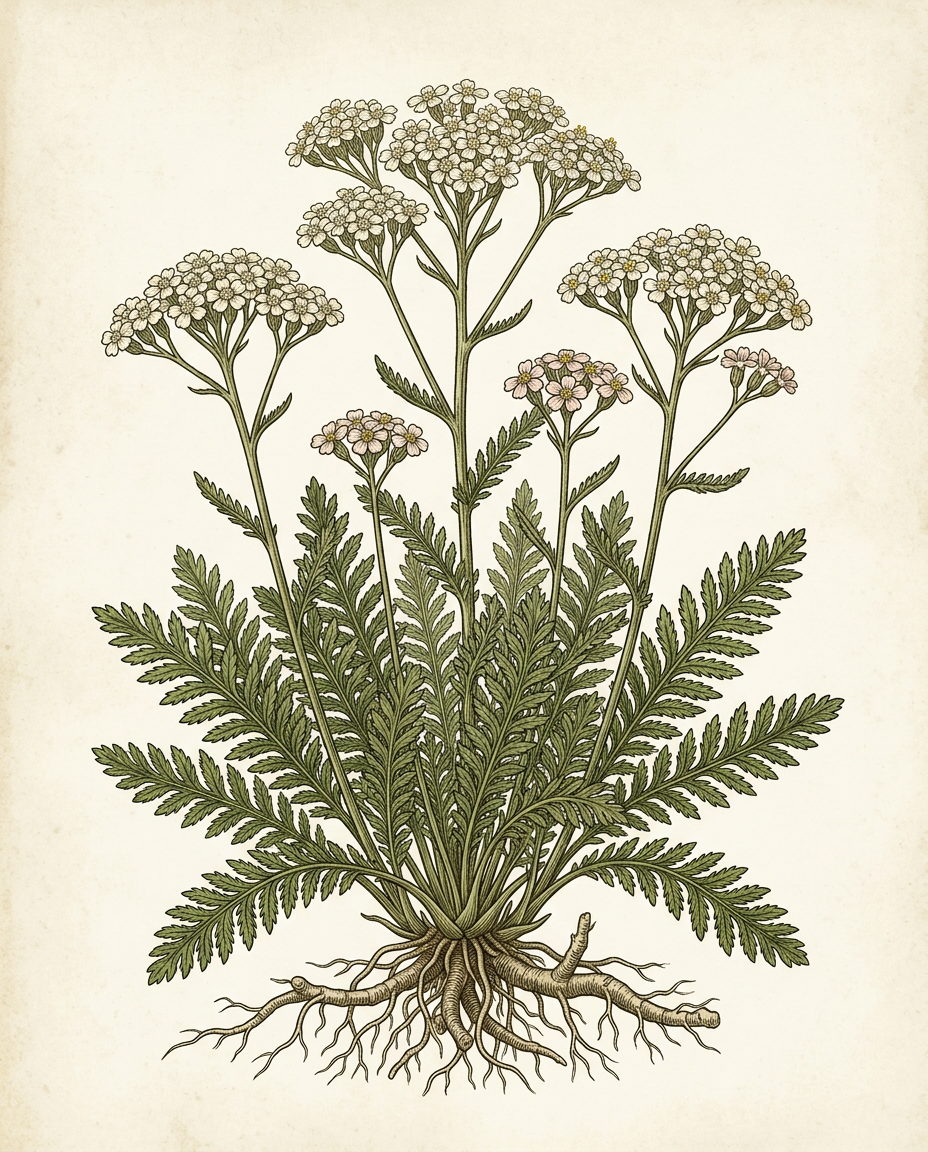
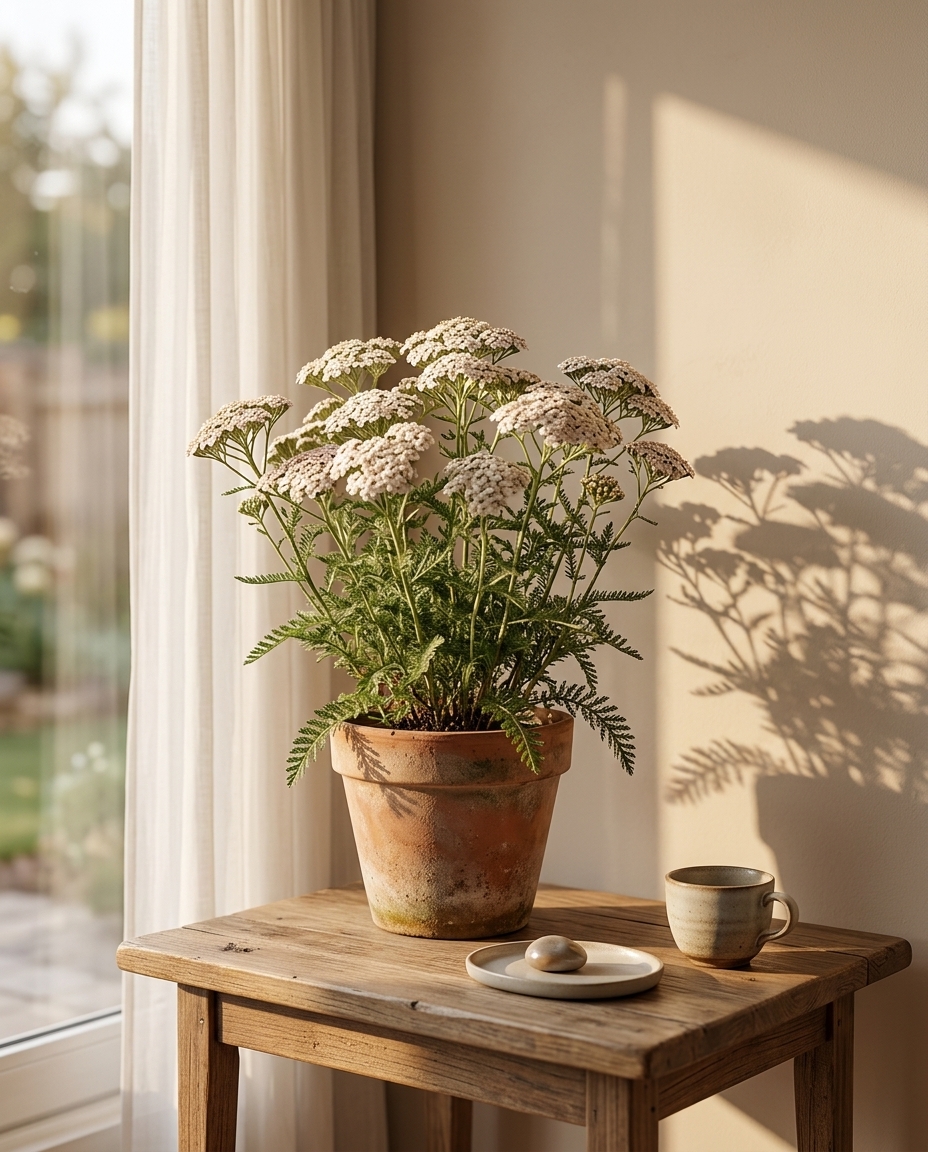
Plate IAchillea millefolium — yarrow, milfoil, soldier's woundwort. Feathery leaves and flat-topped white corymbs. Asteraceae. ASPCA toxic — three toxin classes. NOT a safe herb.
Three plants that look the part, without the risk.
Garden herbs and meadow flowers that are ASPCA-safe — the cat-friendly alternatives if you wanted the yarrow look or the calming-herb role without the three-class toxin profile.
Catnip
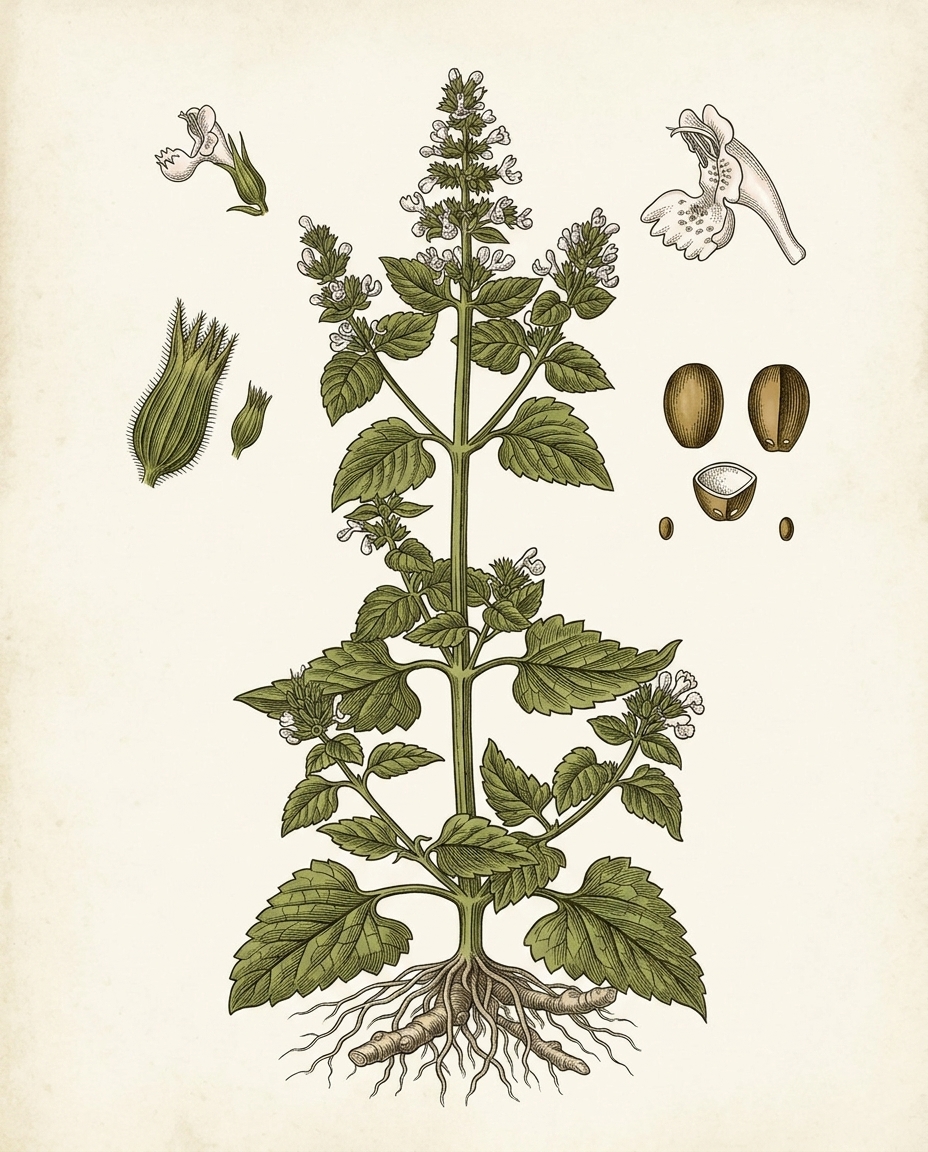
For the actual cat-positive calming herb at ASPCA non-toxic. This is the herb yarrow is wrongly substituted for in holistic-pet contexts.
Chamomile
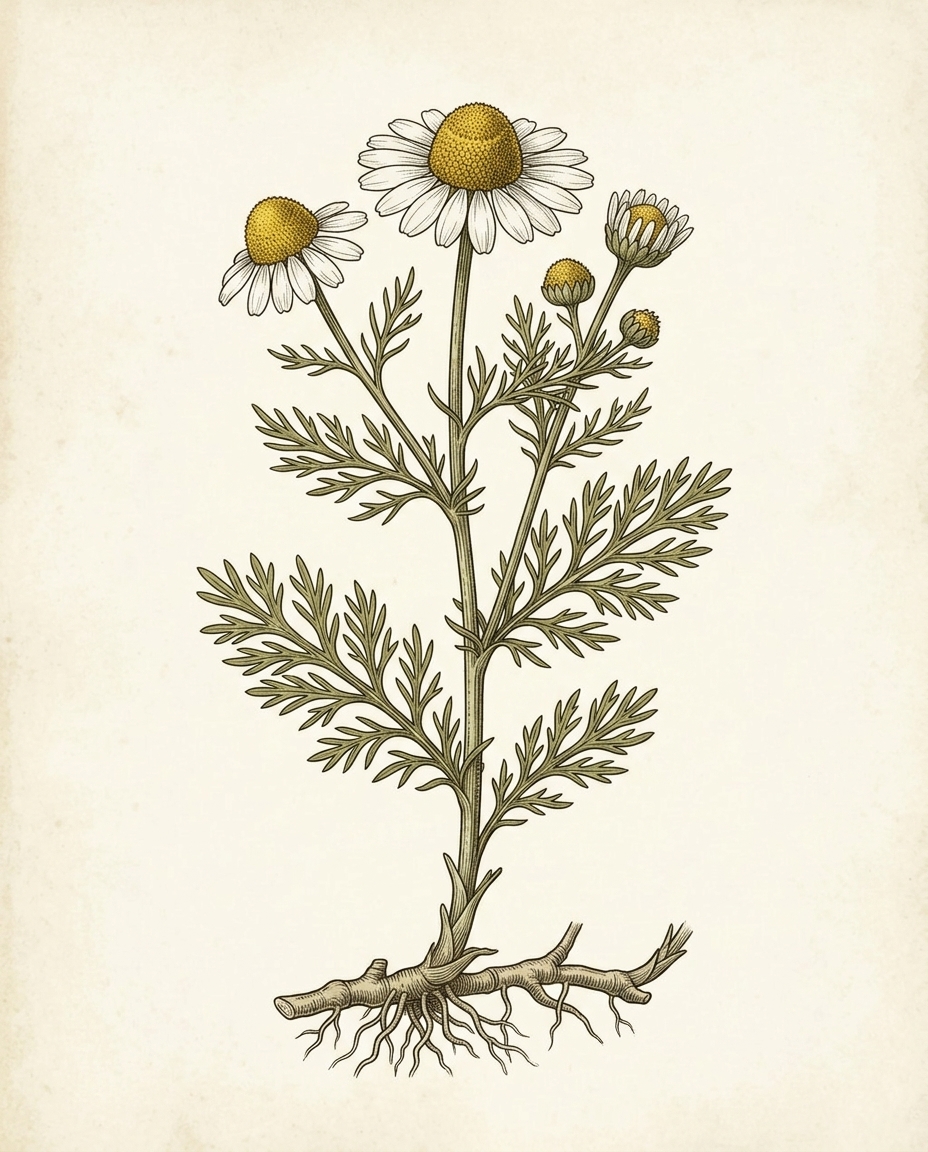
For a meadow daisy with calming-herb associations at ASPCA non-toxic. Same family (Asteraceae) but very different toxicology — chamomile is genuinely safe in live-plant form.
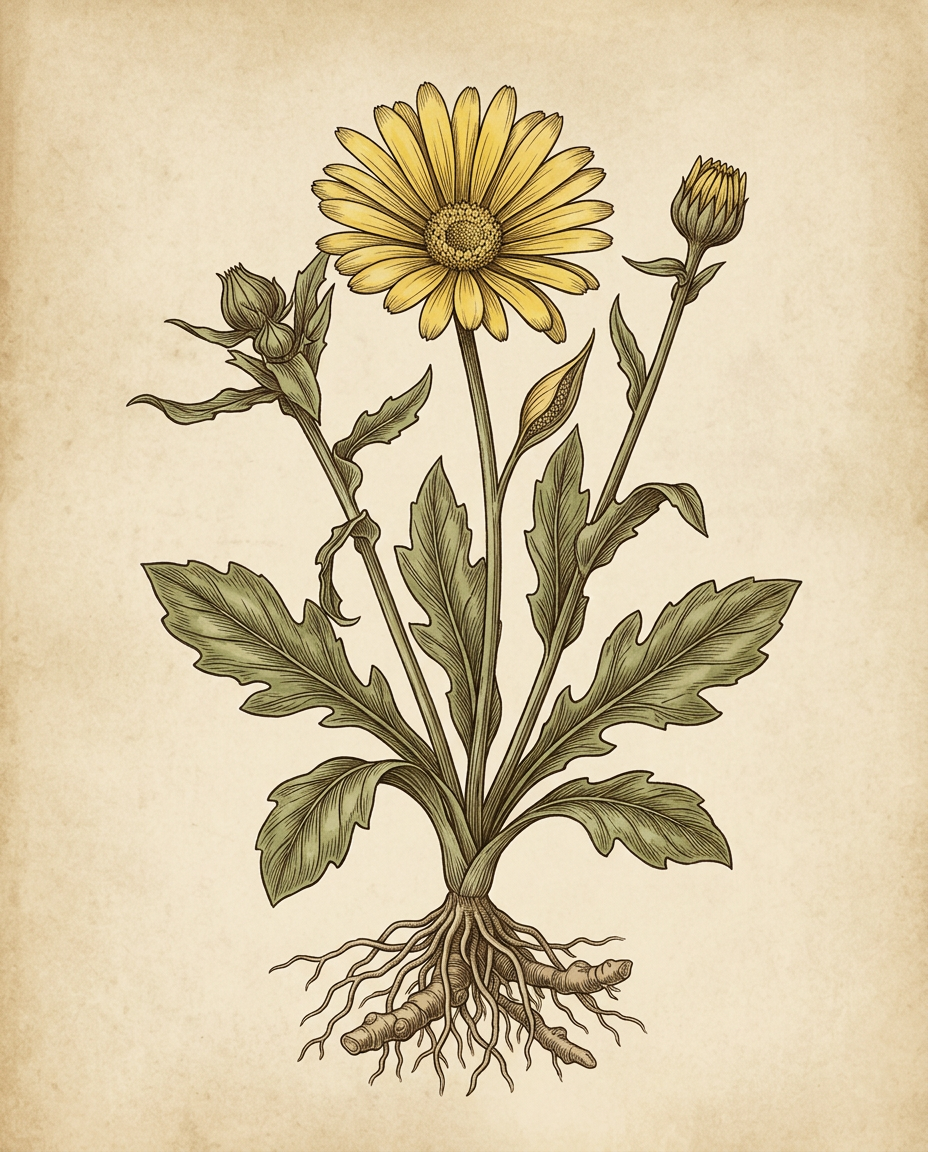
Marigold
For a flat-topped bright-flowered Asteraceae substitute at ASPCA non-toxic. Different colour palette but same garden role.
Why yarrow is the correction page.
No — yarrow is not safe for cats. The ASPCA lists Achillea millefolium (yarrow, milfoil, soldier's woundwort, dog daisy, thousand seal, devil's nettle, old man's pepper) as toxic to dogs, toxic to cats, and toxic to horses. The toxic principles are unusually well-characterised — three distinct chemistry classes: glycoalkaloids (achillein), monoterpenes, and sesquiterpene lactones (achillin).
The ASPCA verdict, verbatim: Toxicity: Toxic to Dogs, Toxic to Cats, Toxic to Horses · Family: Asteraceae · Additional Common Names: Milfoil, Soldier's Woundwort, Dog Daisy, Thousand Seal, Devil's Nettle, Old Man's Pepper · Scientific Name: Achillea millefolium · Toxic Principles: glycoalkaloids (achillein), monoterpenes, sesquiterpene lactones (achillin) · Clinical Signs: Vomiting, diarrhea, colic, drooling, anorexia, dermatitis, depression.
Why this is a correction page
The single most useful thing this entry can do is contradict a common but wrong claim. Holistic-pet sites widely list yarrow as a "safe calming herb" for cats — sometimes alongside catnip and chamomile, sometimes as a digestive-support tincture, occasionally as a topical wound wash. ASPCA's Animal Poison Control Center disagrees explicitly, and ASPCA is the authority for cat-toxicity decisions in companion-animal medicine.
The conflict is real and worth naming. Herbal-tradition reference texts catalogued yarrow as a human first-aid herb for centuries (one of the common names is soldier's woundwort because it was packed on battlefield wounds). That human-medicine pedigree leaked into pet-herbalism literature. But cats are not humans, and the three-class toxin profile ASPCA flags is real:
- Glycoalkaloids (achillein) drive the GI signs — vomiting, diarrhea, colic, drooling. The autonomic GI tract reacts to the alkaloid load.
- Monoterpenes hit the cat-specific metabolic gap. Cats lack the UGT1A6 glucuronidation enzyme that humans use to clear concentrated plant terpenes. Yarrow's monoterpene content is meaningful in fresh foliage and severe in essential oil.
- Sesquiterpene lactones (achillin) cause contact dermatitis. This is the distinctive sign — yarrow can cause skin irritation just from a cat brushing through it, without any ingestion at all.
The combination puts yarrow in the same toxicology bracket as tobacco in alkaloid load and aromatic herbs like rosemary in terpene load, plus a dermatitis vector that most plants don't have.
What is actually safe for the "calming herb" role
If you have been using yarrow because herbalism literature called it calming, the right swaps are unambiguous:
- Catnip (Nepeta cataria) — ASPCA non-toxic, the actual cat-positive herb. Gentle behavioural effect via nepetalactone. This is the safe calming herb yarrow gets confused with.
- Chamomile (Matricaria chamomilla) — ASPCA non-toxic in live-plant form, also Asteraceae like yarrow but with very different toxicology. Used widely in pet-friendly tea preparations.
- Lavender — ASPCA non-toxic as a live plant (with the standard live-plant-vs-essential-oil caveat that applies to all aromatic herbs).
- Silver vine (Actinidia polygama) — non-toxic alternative to catnip for cats that don't respond to nepetalactone.
Realistic exposure scenarios
Two yarrow vectors matter for cat households:
- Intentional use — owners offering yarrow as a calming herb based on holistic-pet advice. This is the high-dose scenario and the one this page exists to prevent. If you read "yarrow is safe for cats" on a pet blog, that blog is wrong and ASPCA is right.
- Lawn and meadow grazing — yarrow is a common roadside weed and turf-edge species. Indoor-outdoor cats brushing through or nibbling at lawn yarrow is a routine exposure vector. The dermatitis flag makes even contact relevant.
Severity framing — when to call the vet
- Single nibble or brush past — watch the cat for GI signs and any skin irritation. Mild exposure usually self-limits.
- Larger ingestion or symptomatic cat — call the ASPCA Animal Poison Control Center at 888-426-4435 ($95 consultation). The multi-system clinical signs list means worth a phone consult before the symptoms compound.
- Yarrow essential oil exposure — emergency. Concentrated terpene exposure amplifies the cat-specific UGT1A6 deficiency into the severe range.
- Yarrow in any homeopathic or herbal pet product — discontinue. ASPCA's toxic listing is the regulatory answer. Discuss with your vet if the product was prescribed.
For the full toxic landscape see toxic plants for cats, and for genuinely cat-safe herbal options cat-safe plants.
What we have actually seen.
GI signs
ASPCA's clinical-signs list leads with vomiting, diarrhea, colic, and drooling. Hours-after pattern from meaningful ingestion. Standard plant-GI presentation but amplified by the three-class toxin load.
Dermatitis from contact
Yarrow is unusual — the sesquiterpene lactones cause contact dermatitis, not just ingestion symptoms. A cat that brushes through yarrow can develop skin irritation without ever eating it. This is uncommon in plant-toxicity profiles.
Anorexia and depression
ASPCA flags loss of appetite and depression (lethargy, withdrawn behaviour) as expected clinical signs. Combined with GI signs, the picture is a moderately sick cat over hours to a day.
Cats grazing in lawns or hay
Yarrow is a common roadside weed and meadow plant. Indoor-outdoor cats brushing through or nibbling at lawn yarrow is a realistic exposure vector — not just intentional herbal use.
- ASPCA Animal Poison Control Center. Toxic and Non-Toxic Plants: Yarrow.Accessed June 2026 · aspca.org · Achillea millefolium · Toxic to Dogs, Toxic to Cats, Toxic to Horses · Family Asteraceae · Additional Common Names: Milfoil, Soldier's Woundwort, Dog Daisy, Thousand Seal, Devil's Nettle, Old Man's Pepper · Toxic Principles: glycoalkaloids (achillein), monoterpenes, sesquiterpene lactones (achillin) · Clinical Signs: Vomiting, diarrhea, colic, drooling, anorexia, dermatitis, depression
- Pet Poison Helpline. Achillea millefolium in companion animals.Clinical reference — corroborates ASPCA's toxicity verdict over the holistic-herbalism "safe calming herb" claim