Tradescantia
Tradescantia fluminensis
Yes — tradescantia (wandering jew, inch plant) is toxic to cats. The ASPCA lists it as toxic, with dermatitis as the main sign. The sap irritates skin on contact and the gut if eaten.
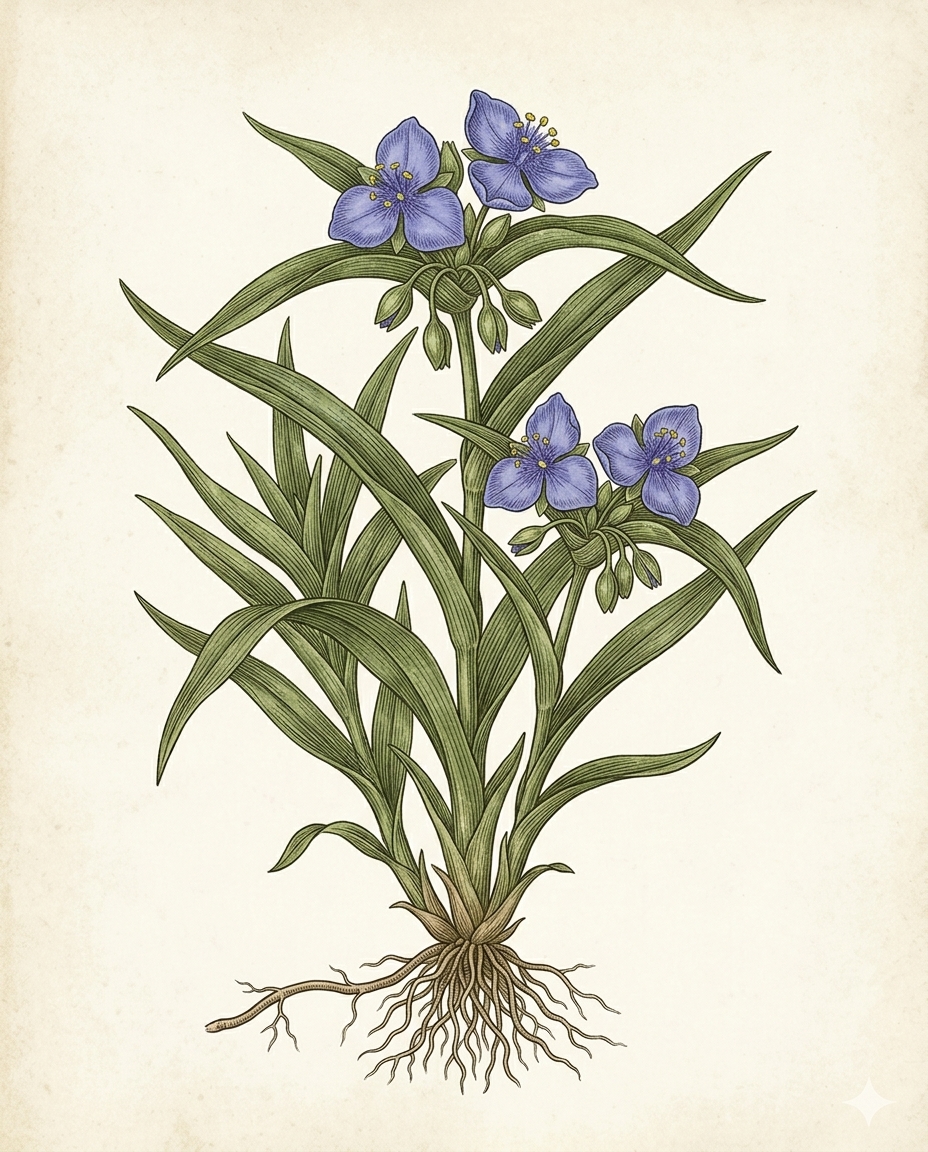
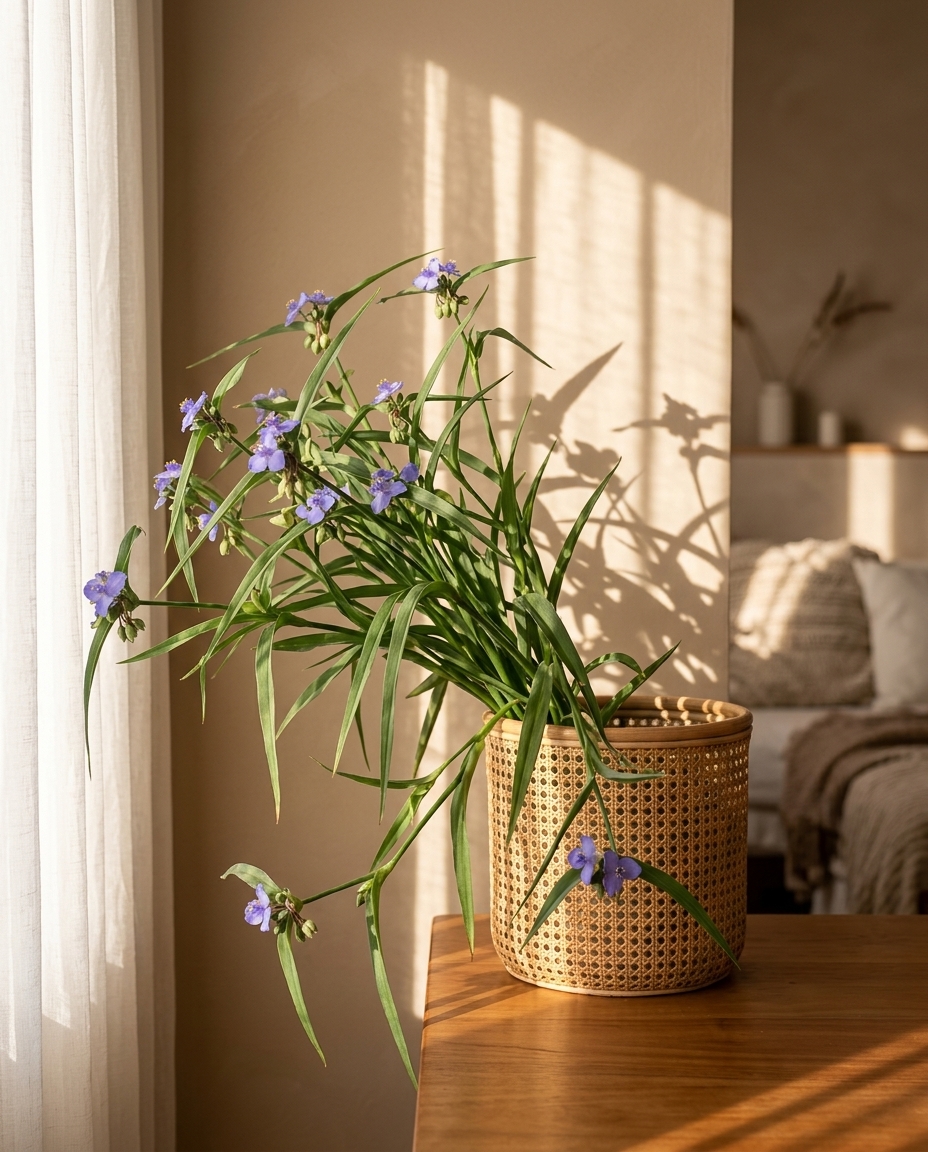
Plate ITradescantia fluminensis — wandering jew or inch plant. A fast trailing vine whose sap causes skin and gut irritation in cats.
Three plants that look the part, without the risk.
Fast, colourful trailing plants without the irritant sap — all ASPCA non-toxic.
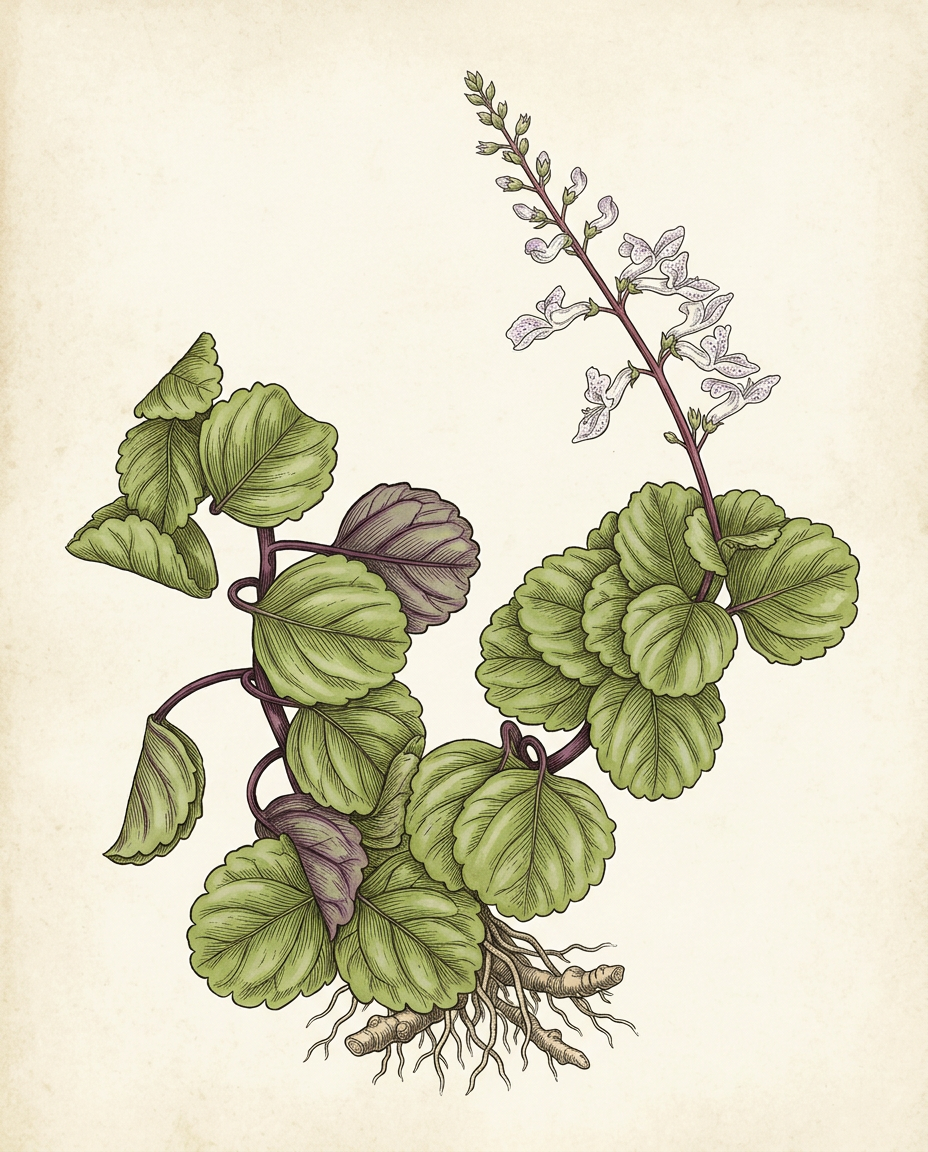
Swedish Ivy
The closest cascading match — quick-growing soft stems, no irritant sap. Safe for cats.
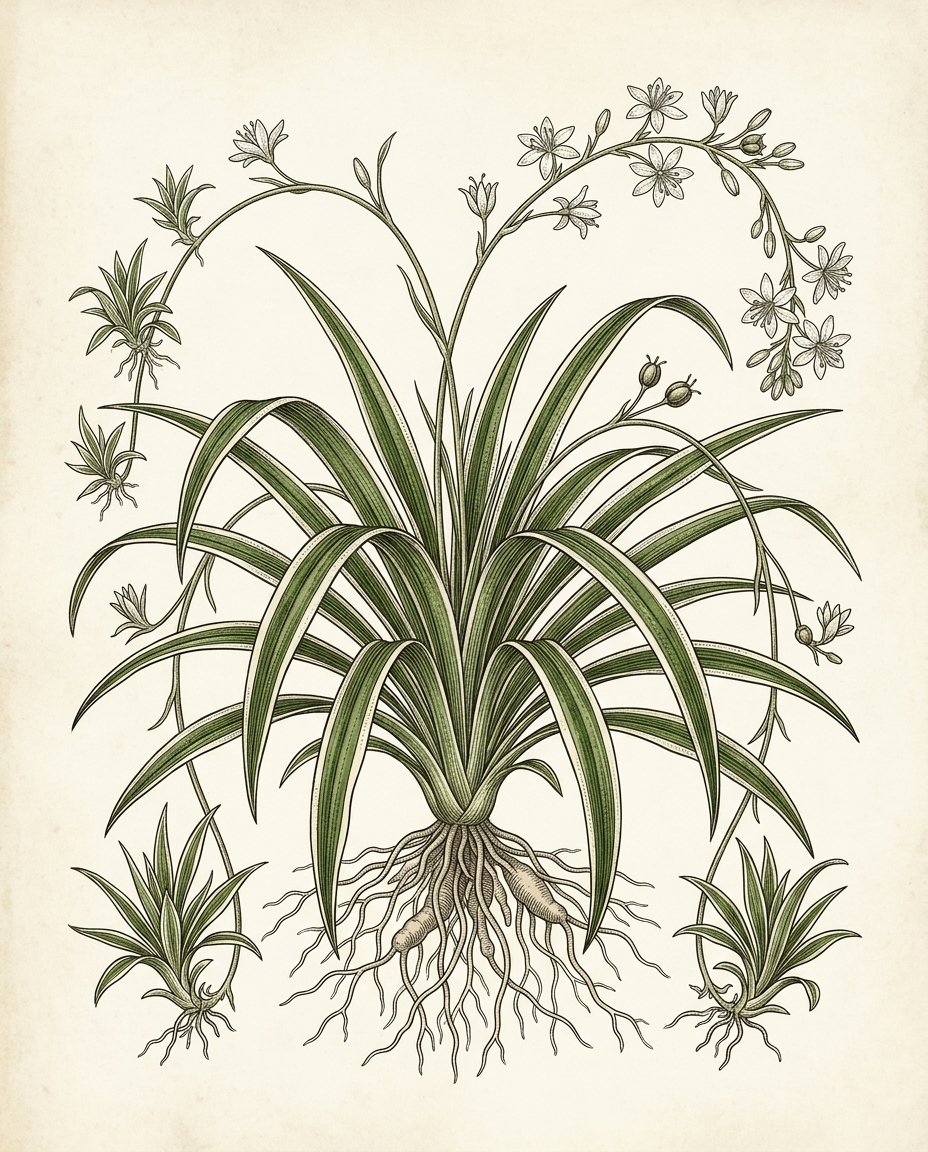
Spider Plant
Arching, pup-bearing greenery for a hanging pot. Nearly indestructible and non-toxic.
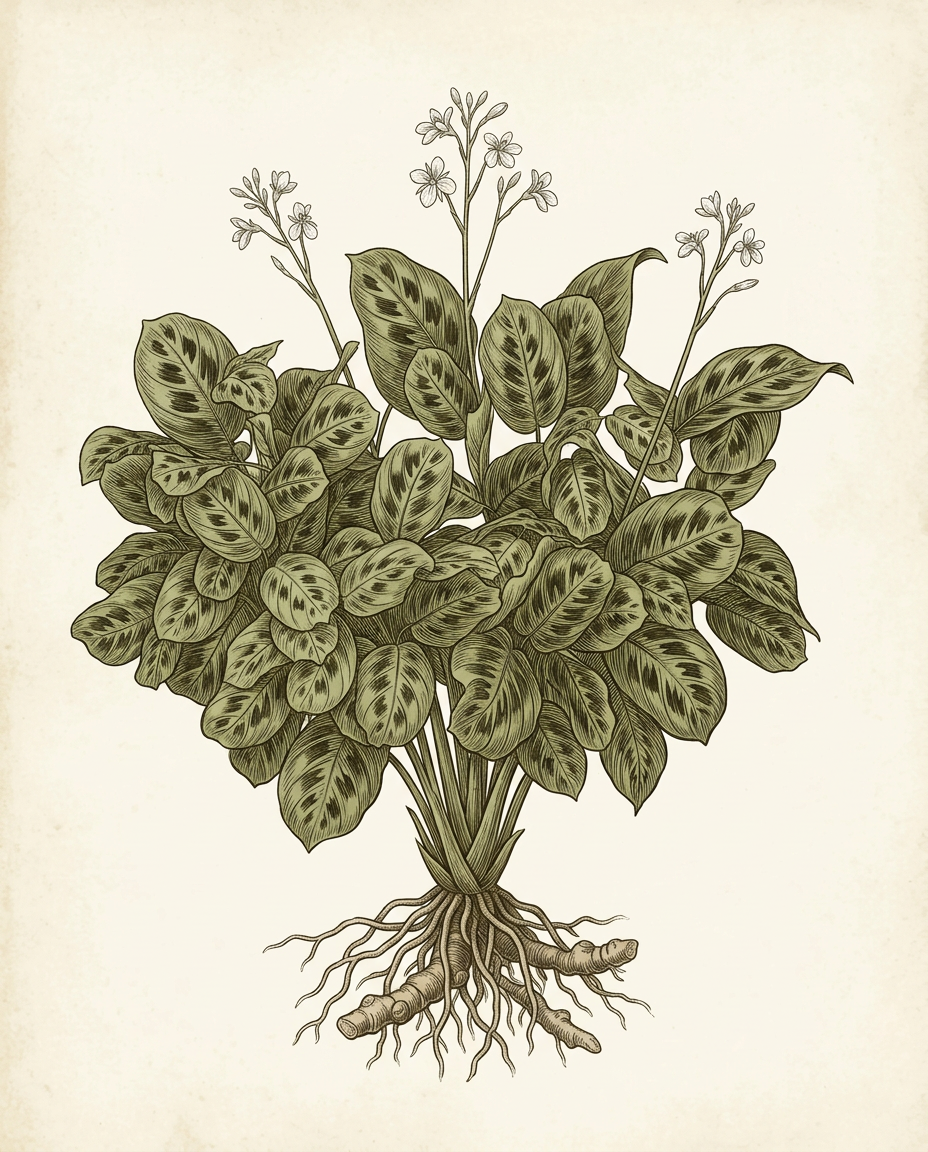
Prayer Plant
Vivid patterned leaves for a trailing pot, with the same lush colour. ASPCA non-toxic.
What it does to a cat.
Yes — tradescantia is toxic to cats. The ASPCA lists it (as the inch plant, also known as wandering jew) as toxic, and unusually the headline symptom is dermatitis — skin irritation. The plant's sap irritates skin on contact, raising a red, itchy rash where a cat has brushed against broken stems, and causes drooling and mild stomach upset if the stems are chewed.
That makes tradescantia a slightly different problem from most houseplants. The first sign is often not vomiting but a cat scratching at its chin, belly, or paws — the places that touch a low, trailing plant. Repeated grooming and scratching can make the rash worse.
A fast, low-hanging vine
Tradescantia grows quickly and spills over pot rims and shelf edges almost faster than you can prune it, which keeps fresh sappy stems within easy reach. Like English ivy and pothos, it is a trailing plant that simply doesn't suit a cat home.
Safe swaps
Swedish ivy gives the same quick cascade without the irritant sap, spider plant trails from a hanging pot and shrugs off neglect, and prayer plant brings vivid patterned colour — all ASPCA non-toxic.
What we have actually seen.
Contact dermatitis
The signature sign — red, itchy skin on the chin, belly, or paws after brushing against broken stems and sap.
Drooling & vomiting
Chewing the sappy stems irritates the mouth and gut; salivation and vomiting can follow.
Itching & overgrooming
An irritated cat may scratch or groom the affected area repeatedly, worsening the rash.
Trailing temptation
Vigorous vines spill quickly over pot edges and shelves into a cat's reach.
- ASPCA Animal Poison Control Center. Toxic and Non-Toxic Plants: Inch Plant (Tradescantia).Accessed May 2026 · aspca.org
- Pet Poison Helpline. Wandering Jew (Tradescantia).Reference list · 2024 ed.