Plum
Prunus domestica
Yes — plum trees are toxic to cats. The ASPCA lists Prunus domestica as toxic to cats, dogs, and horses. Cyanogenic glycosides in the stems, leaves, and seeds release cyanide — particularly toxic when the plant is wilting.
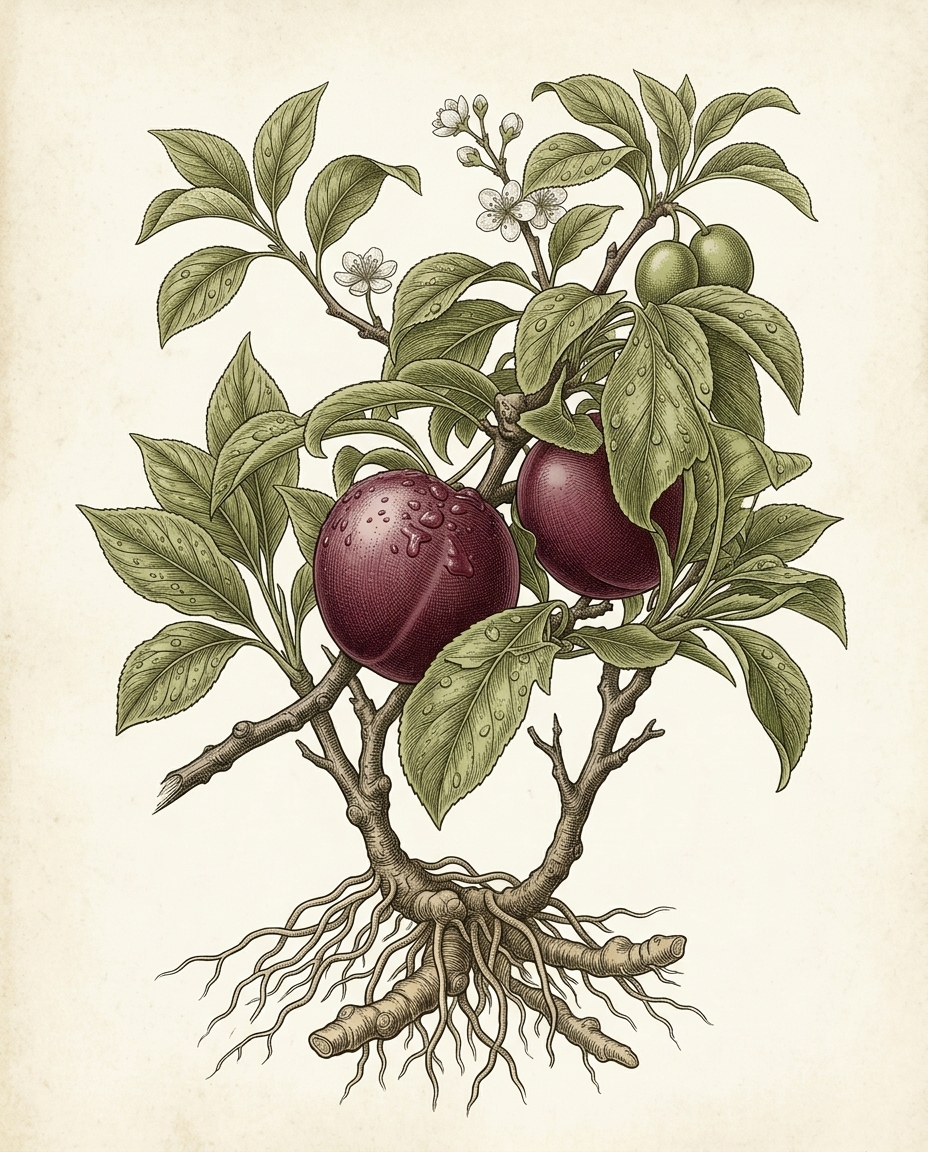
Plate IPrunus domestica — plum. Toxic to cats per the ASPCA: cyanogenic glycosides in stems, leaves, and seeds release cyanide, particularly toxic in the process of wilting. The fruit flesh is generally safe.
Three plants that look the part, without the risk.
If you want a cat-safe fruiting or flowering plant for the garden, these ASPCA non-toxic plants are good alternatives to a plum tree.
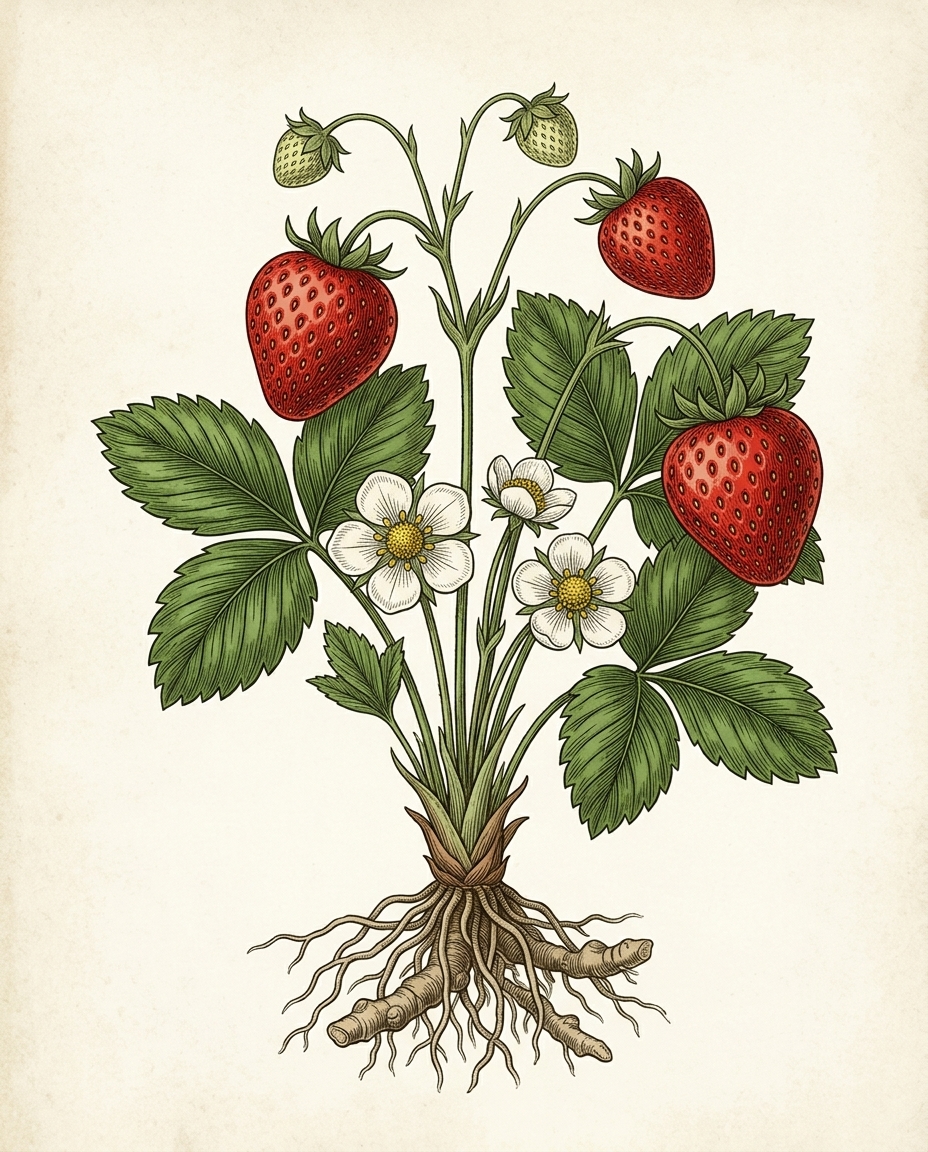
Strawberry
A non-toxic fruiting plant that cats can safely be around. The fruit, leaves, and stems are all ASPCA-listed non-toxic — a garden edible without the cyanogenic risk.
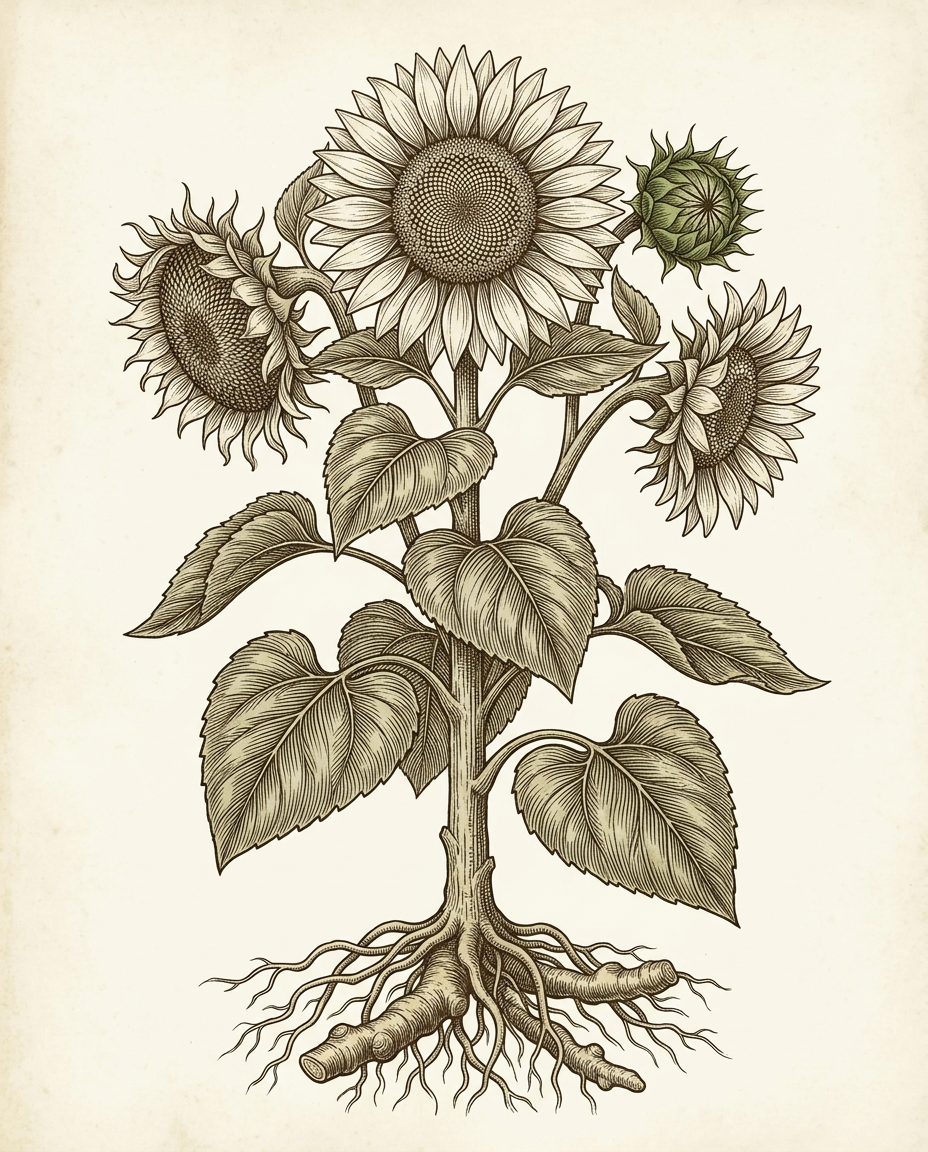
Sunflower
A non-toxic garden flower that is safe around cats. Tall, cheerful, and entirely ASPCA-listed non-toxic — a bright substitute for a flowering Prunus tree.
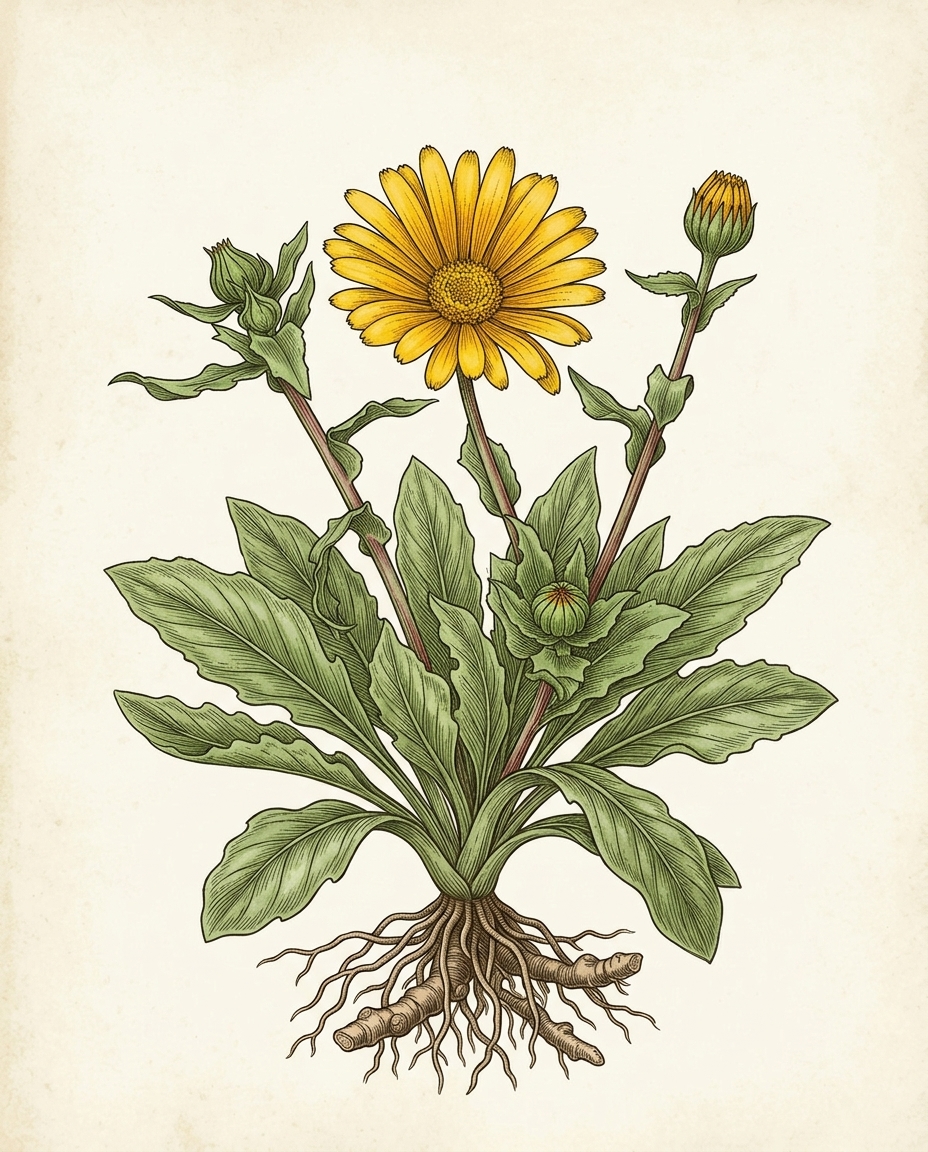
Calendula
A non-toxic flowering herb that is safe for cats. The edible petals are ASPCA-listed non-toxic and the plant is easy to grow in the same garden spot.
What plum trees do to a cat.
Yes — plum trees are toxic to cats. The ASPCA lists Prunus domestica as Toxic to Dogs, Toxic to Cats, Toxic to Horses. The stems, leaves, and seeds contain cyanogenic glycosides that release cyanide — particularly toxic in the process of wilting. Clinical signs include brick red mucous membranes, dilated pupils, difficulty breathing, panting, and shock.
Plum (Prunus domestica, family Rosaceae) belongs to the same cyanogenic family as apple, cherry, apricot, and peach — all ASPCA-listed toxic to cats by the same mechanism.
The ASPCA data, verbatim
The ASPCA listing for plum states:
Scientific Name: Prunus domestica · Family: Rosaceae · Toxicity: Toxic to Dogs, Toxic to Cats, Toxic to Horses · Toxic Principles: Cyanogenic glycosides found in some species · Clinical Signs: Stems, leaves, seeds contain cyanide, particularly toxic in the process of wilting: brick red mucous membranes, dilated pupils, difficulty breathing, panting, shock.
Why wilting is the worst-case scenario
The ASPCA specifically notes that cyanide release is "particularly toxic in the process of wilting." This is critical for cat owners because the most common exposure scenario is a pruned branch left on the ground. When plum leaves wilt:
- The plant cells break down naturally.
- An enzyme is released that accelerates the conversion of cyanogenic glycosides to free cyanide.
- The cyanide concentration in wilted leaves is far higher than in fresh leaves.
A cat that chews on wilted plum leaves from a pruned branch is getting a concentrated dose of cyanide. If you prune your plum tree, remove and dispose of the cuttings the same day — do not leave them where a cat can reach them.
Cyanide toxicity: what the clinical signs mean
The ASPCA clinical signs describe classic cyanide poisoning:
- Brick red mucous membranes — cyanide prevents cells from using oxygen, so oxygen-rich blood backs up in the veins, giving the gums a bright red colour.
- Dilated pupils — a neurological response to cellular oxygen deprivation.
- Difficulty breathing and panting — the body attempts to compensate for the oxygen blockade.
- Shock — the cardiovascular system fails as cells suffocate.
This is a medical emergency. Cyanide acts fast — call your vet or ASPCA Animal Poison Control at (888) 426-4435 immediately if your cat has chewed plum stems, leaves, or seeds.
Fruit flesh vs stems, leaves, and seeds
The cyanogenic glycosides are concentrated in the stems, leaves, and seeds — not the flesh of the fruit. A cat that eats plum flesh is not exposed to the toxin. The danger is in chewing on stems, leaves, or seeds, especially wilted material.
The ASPCA listing covers the entire plant, so the safe approach is to treat the whole tree as off-limits. Clear windfall fruit (which exposes the seeds), remove pruned branches promptly, and keep cats away from the tree after storms that drop branches.
The Prunus family
Plum belongs to the Rosaceae family alongside apple, cherry, apricot, and peach, which all share the same cyanogenic glycoside mechanism. All are ASPCA-listed toxic to cats. If you are cautious about one Prunus tree, the same caution applies to the others — the family is consistent.
Safe garden alternatives
If you want a cat-safe fruiting or flowering plant, strawberry, sunflower, and calendula are all ASPCA-listed non-toxic to cats.
The bottom line
Plum (Prunus domestica) is toxic to cats per the ASPCA. The cyanogenic glycosides in the stems, leaves, and seeds release cyanide — especially when wilting. The same mechanism applies to apple, cherry, apricot, and peach. The fruit flesh is generally safe, but with a cat in the garden, keep the whole tree off-limits and clear pruned branches immediately.
What we have actually seen.
Cyanogenic glycosides in stems, leaves, and seeds
The ASPCA lists the toxic principles as cyanogenic glycosides found in some species. The stems, leaves, and seeds of plum trees contain these compounds, which release cyanide when the plant tissue is damaged or digested. Cyanide blocks cellular respiration, preventing cells from using oxygen.
Wilting dramatically increases toxicity
The ASPCA notes that cyanide release is particularly toxic in the process of wilting. Wilted plum leaves — from a pruned branch left on the ground, or a fallen branch after a storm — are significantly more dangerous than fresh leaves. The wilting process breaks down plant cells and accelerates cyanide release.
Brick red mucous membranes, dilated pupils, difficulty breathing
The ASPCA clinical signs include brick red mucous membranes, dilated pupils, difficulty breathing, panting, and shock. These are the classic signs of cyanide toxicity — cyanide prevents cells from using oxygen, and the body's attempt to compensate produces these distinctive symptoms.
Fruit flesh is generally safe
The cyanogenic glycosides are concentrated in the stems, leaves, and seeds — not the flesh of the fruit. A cat that eats plum flesh is not exposed to the toxin. The danger is in chewing on stems, leaves, or seeds, especially wilted material.
- ASPCA Animal Poison Control Center. Toxic and Non-Toxic Plants: Plum.Accessed June 2026 · aspca.org · Prunus domestica · Toxic Principles: Cyanogenic glycosides found in some species · Clinical Signs: Stems, leaves, seeds contain cyanide, particularly toxic in the process of wilting: brick red mucous membranes, dilated pupils, difficulty breathing, panting, shock.