Jerusalem
Cherry.
Solanum pseudocapsicum
Jerusalem cherry (Solanum pseudocapsicum — Natal Cherry, Winter Cherry) is toxic to cats per the ASPCA. Solanine alkaloid in leaves and berries. The orange-red holiday berries are the most dangerous part — they look like cherry tomatoes.
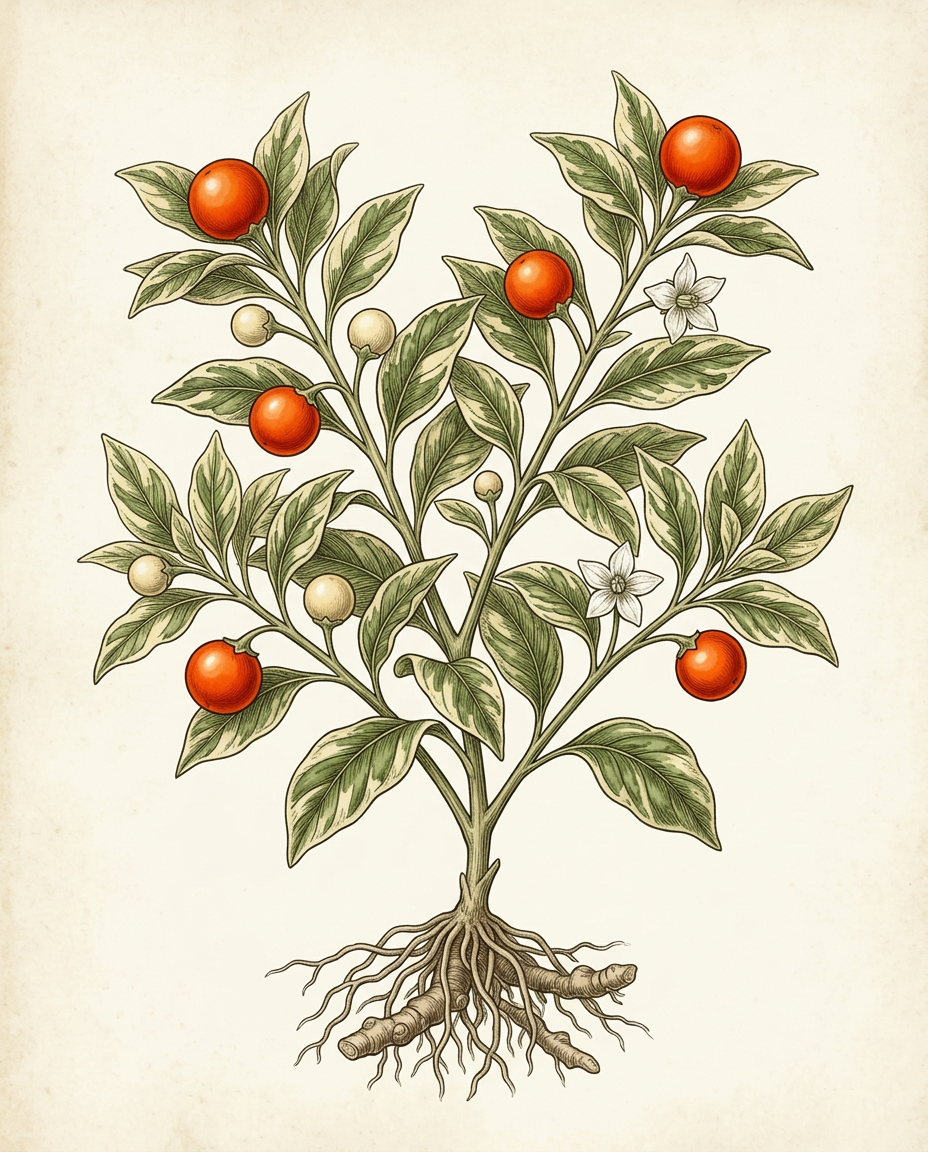
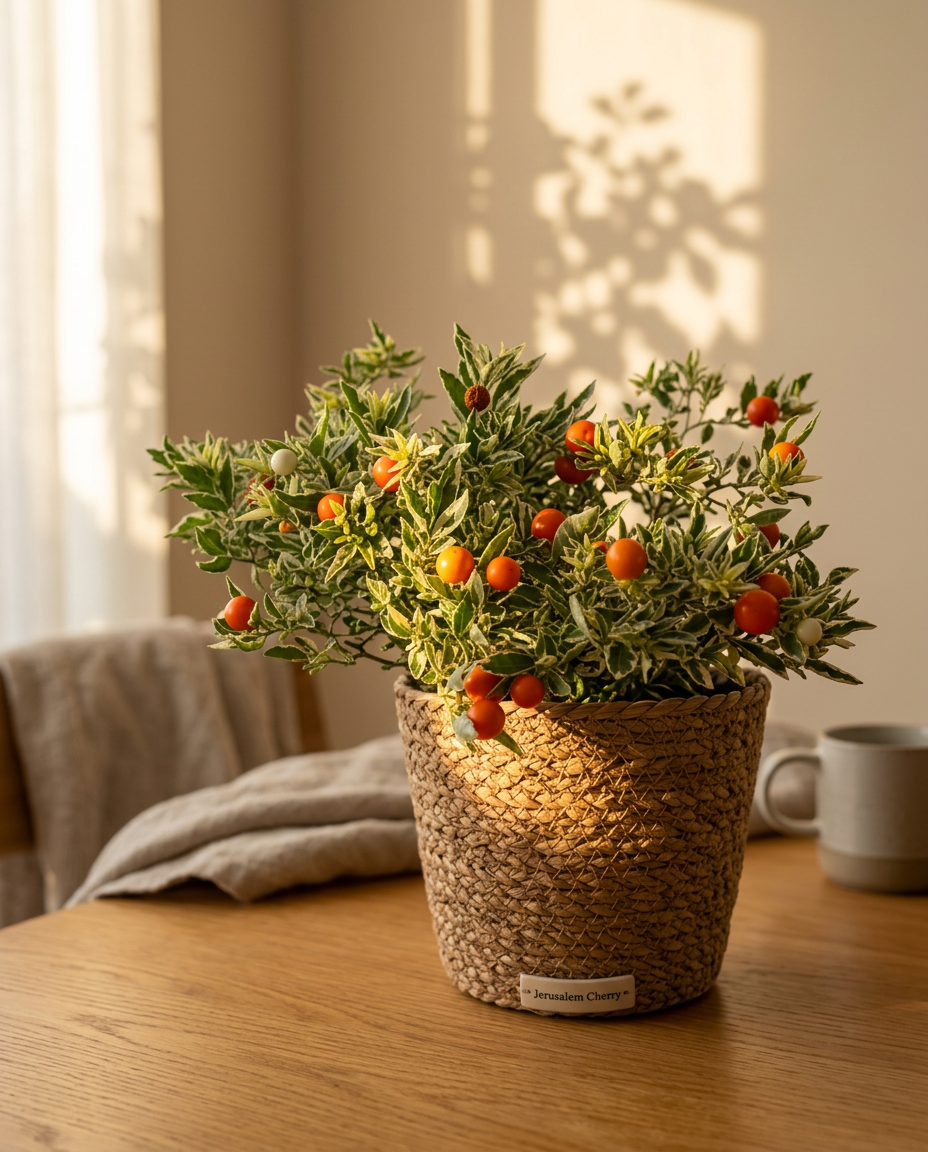
Plate ISolanum pseudocapsicum — Jerusalem cherry. Glossy green leaves and clusters of orange-red berries. Solanaceae. ASPCA toxic — solanine, the festive berry trap.
Three plants that look the part, without the risk.
Festive winter plants that are ASPCA non-toxic — the cat-safe holiday-decoration alternatives without the solanine berries.
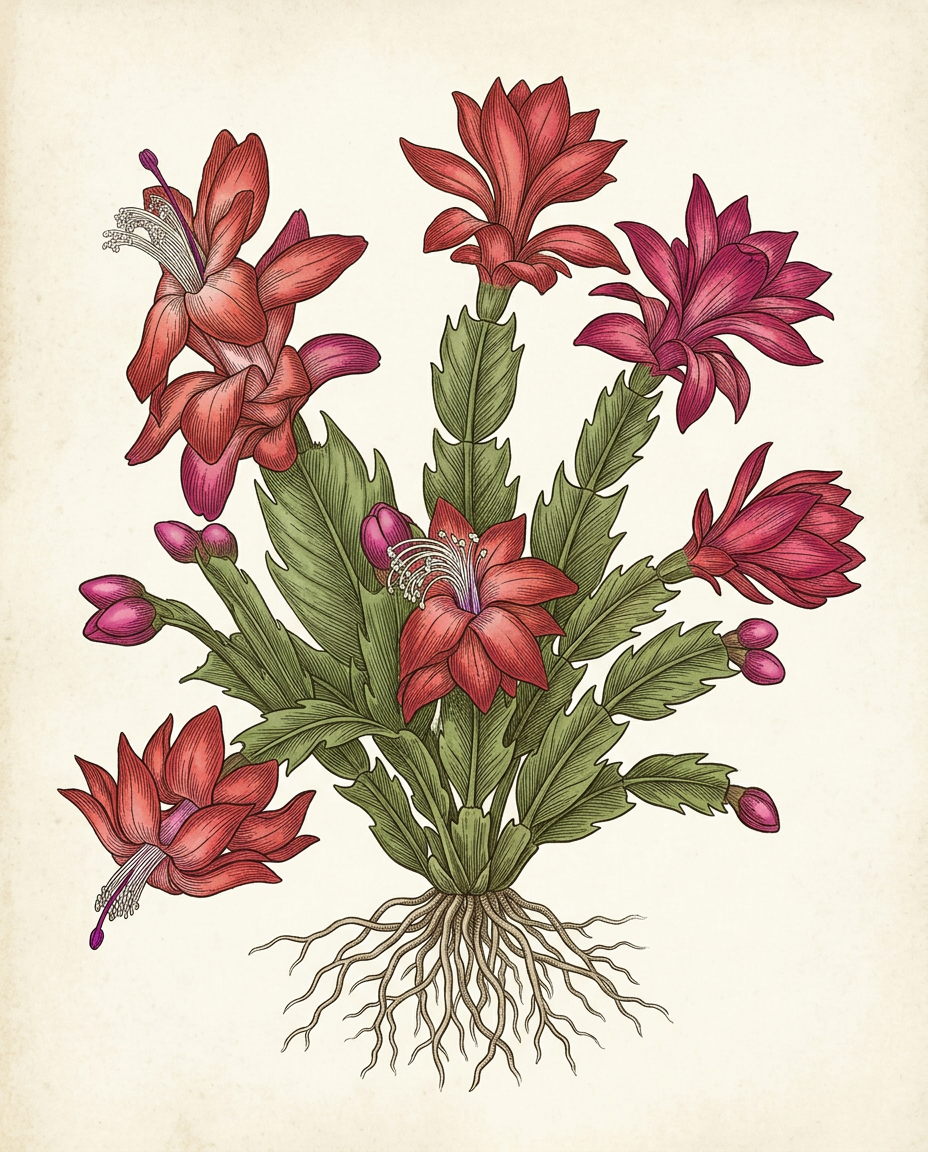
Christmas Cactus
The classic safe Christmas houseplant — bright pink, red, or white flowers in December. ASPCA non-toxic and a much better festive choice for cat households.
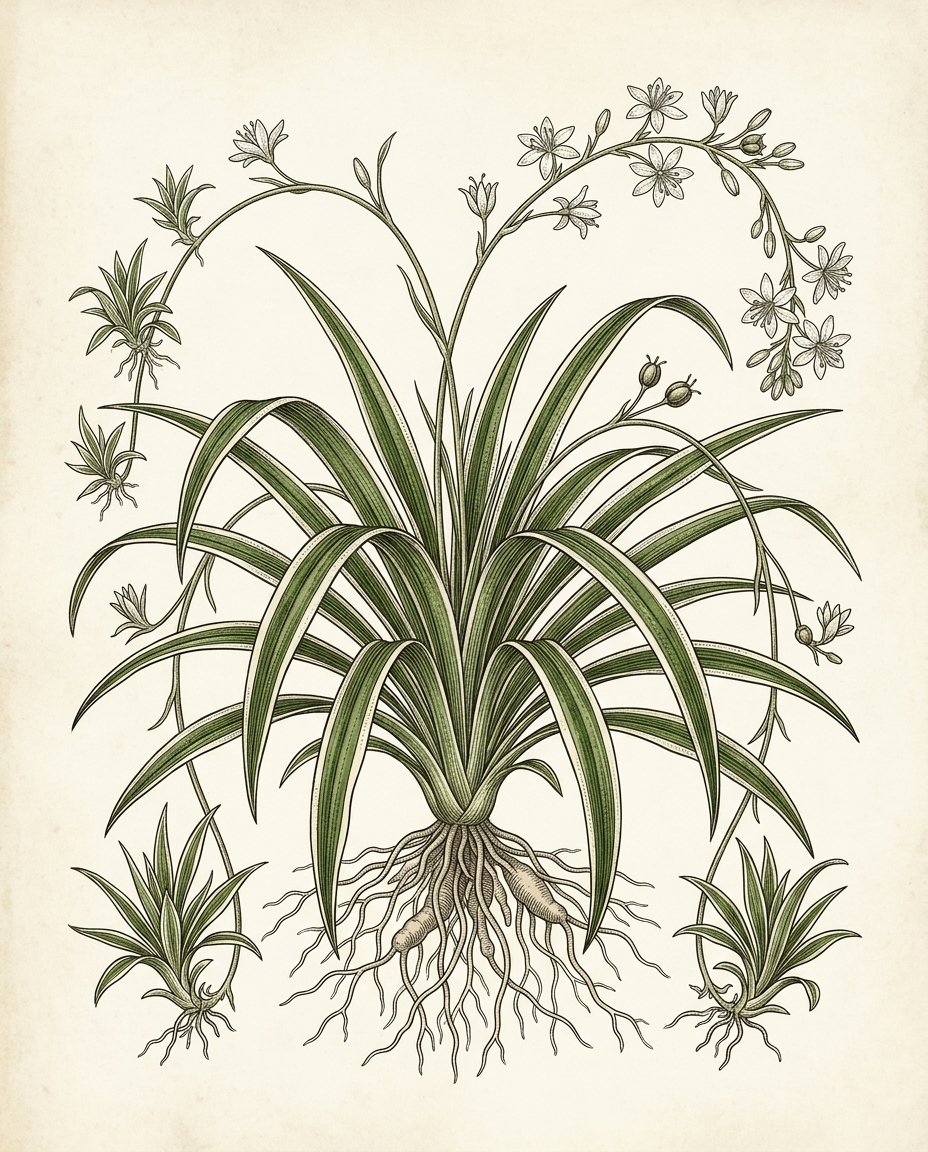
Spider Plant
Easy non-toxic green houseplant for the same windowsill. ASPCA non-toxic.
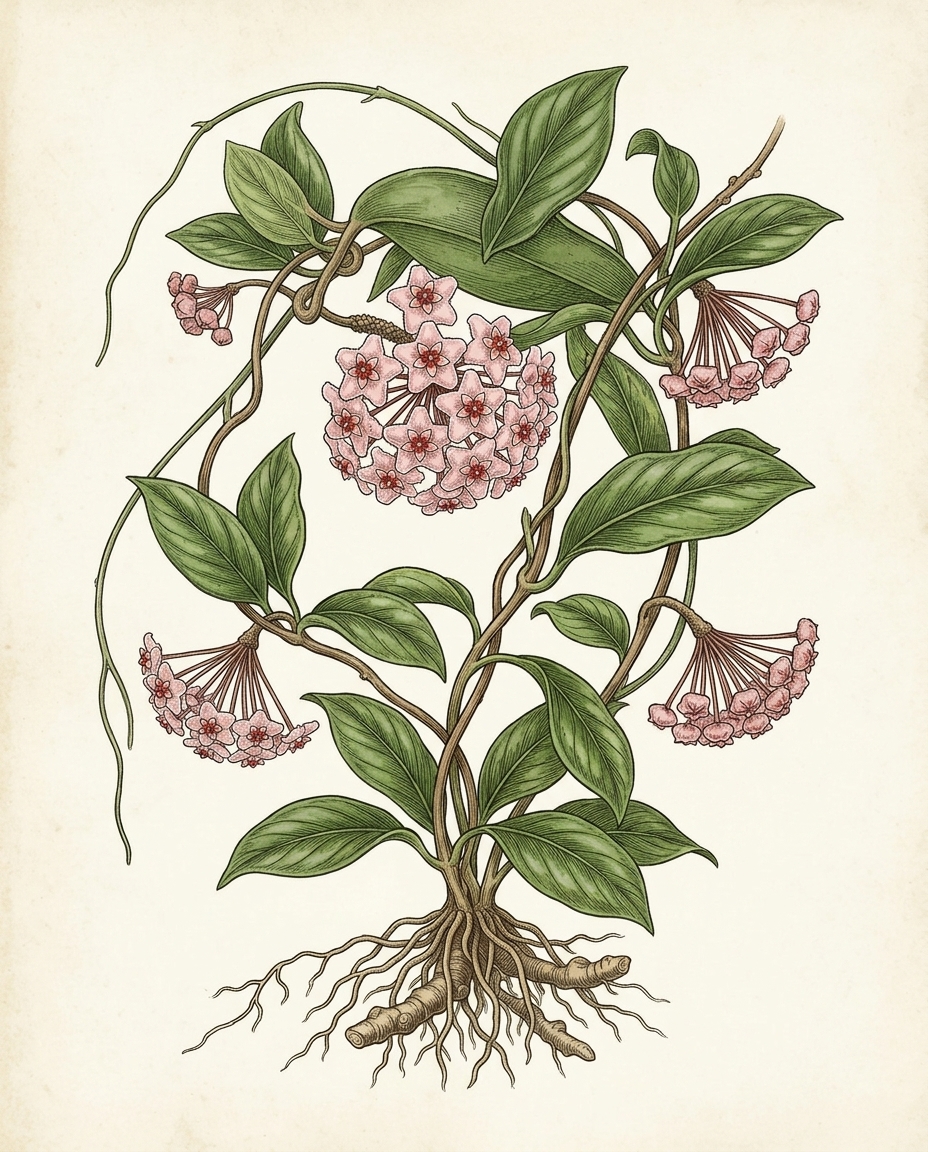
Wax Plant
Glossy green trailing leaves and porcelain flowers. ASPCA non-toxic. A safe alternative to fruit-bearing winter houseplants.
What it does to a cat.
Yes — Jerusalem cherry is toxic to cats. The ASPCA lists Solanum pseudocapsicum (also called Natal Cherry and Winter Cherry) as toxic to dogs, cats, and horses. The toxic principle is solanine, a glycoalkaloid in the nightshade family. The bright orange-red berries — the plant's signature festive feature — are the most concentrated source.
The ASPCA verdict, verbatim: Toxic to Dogs, Toxic to Cats, Toxic to Horses · Family: Solanaceae · Additional Common Names: Natal cherry, Winter cherry · Scientific Name: Solanum pseudocapsicum · Toxic Principles: Solanine · Clinical Signs: Gastrointestinal disturbances, possible ulceration of the gastrointestinal system, seizures, depression, respiratory depression, and shock.
The festive-berry trap
Jerusalem cherry shows up in garden centres from November onwards as a holiday houseplant — bright orange-red round berries against glossy green foliage, sold as a festive table or windowsill display. The berries last for weeks indoors and are at exactly the right size and colour to look like cherry tomatoes to a curious cat. That visual mistake is the single biggest reason for emergency-vet visits involving this plant.
Some garden-centre tags warn "decorative — not edible." Many do not. Either way, a cat that knocks a berry to the floor will sample it.
Same toxin family as tomato plant
Jerusalem cherry is in Solanum, the same genus as tomato (Solanum lycopersicum) and potato (Solanum tuberosum). All three contain solanine glycoalkaloids in their leaves and unripe fruit — see our tomato plant page for the green-tomato variant. The crucial difference is that ripe red tomatoes are essentially solanine-free, while Jerusalem cherry berries retain solanine even at the ripe orange-red stage. That is why ASPCA lists Jerusalem cherry as broadly toxic while tomato plant's listing focuses on the green parts.
Clinical picture is GI-led, with a CNS tail
Solanine causes gastrointestinal irritation as its first effect — vomiting, diarrhea, abdominal pain, sometimes ulceration of the gut lining at larger doses. At higher exposures it crosses into the central nervous system and can cause depression, seizures, respiratory depression, and shock. ASPCA flags all of these in the clinical signs.
Single-berry ingestions rarely reach the CNS tier. Multiple-berry ingestions or a determined leaf-chewer cat can. The threshold is dose-dependent, and "dose" is hard to estimate from a knocked-over plant. Call the vet.
Safer festive houseplants
For the same November-to-January houseplant role without the solanine berries:
- Christmas cactus — ASPCA non-toxic, blooms pink/red/white in December. The single best safe festive houseplant.
- Spider plant — ASPCA non-toxic green for the same windowsill.
- Wax plant — porcelain flowers, glossy leaves, slow-growing and non-toxic.
Avoid also: poinsettia (mildly irritating — overrated but unwelcome with cats), holly (real toxicity, similar red berries to Jerusalem cherry's orange-red), and mistletoe (toxic). The festive-decoration aisle is a minefield of cat-toxic plants — Christmas cactus and a couple of safe greens make a cleaner kit.
What we have actually seen.
Berries are the main route
The plant's signature orange-red round berries look like cherry tomatoes — about the same size, similar gloss. Cats batting at the bright fruit risk knocking them onto the floor where they get chewed. Berries contain the highest solanine concentration.
GI signs first
ASPCA clinical signs lead with gastrointestinal disturbances — vomiting, diarrhea, abdominal pain — within hours of ingestion. Standard solanine presentation.
GI ulceration
ASPCA explicitly flags possible ulceration of the gastrointestinal tract. More serious than routine vomiting. Persistent vomiting (especially with blood) warrants vet contact.
Seizures and depression
Solanine has central nervous system effects at higher doses. ASPCA lists seizures, depression, respiratory depression, and shock for severe cases. Emergency if any neurological sign appears.
- ASPCA Animal Poison Control Center. Toxic and Non-Toxic Plants: Jerusalem Cherry.Accessed June 2026 · aspca.org · Solanum pseudocapsicum · Toxic to Dogs, Toxic to Cats, Toxic to Horses · Family Solanaceae · Additional Common Names: Natal cherry, Winter cherry · Toxic Principles: Solanine · Clinical Signs: Gastrointestinal disturbances, possible ulceration of the gastrointestinal system, seizures, depression, respiratory depression, and shock
- ASPCA Animal Poison Control Center. Toxic and Non-Toxic Plants: Tomato Plant.For the cross-link — same solanine glycoalkaloid family in tomato leaves and green fruit