Gloriosa
Lily.
Gloriosa superba
Gloriosa lily (Gloriosa superba — Glory Lily, Flame Lily, Climbing Lily) is deadly to cats per the ASPCA. Colchicine alkaloids cause bloody vomiting and diarrhea, kidney and liver failure, and bone marrow suppression. Treat any ingestion as an emergency.
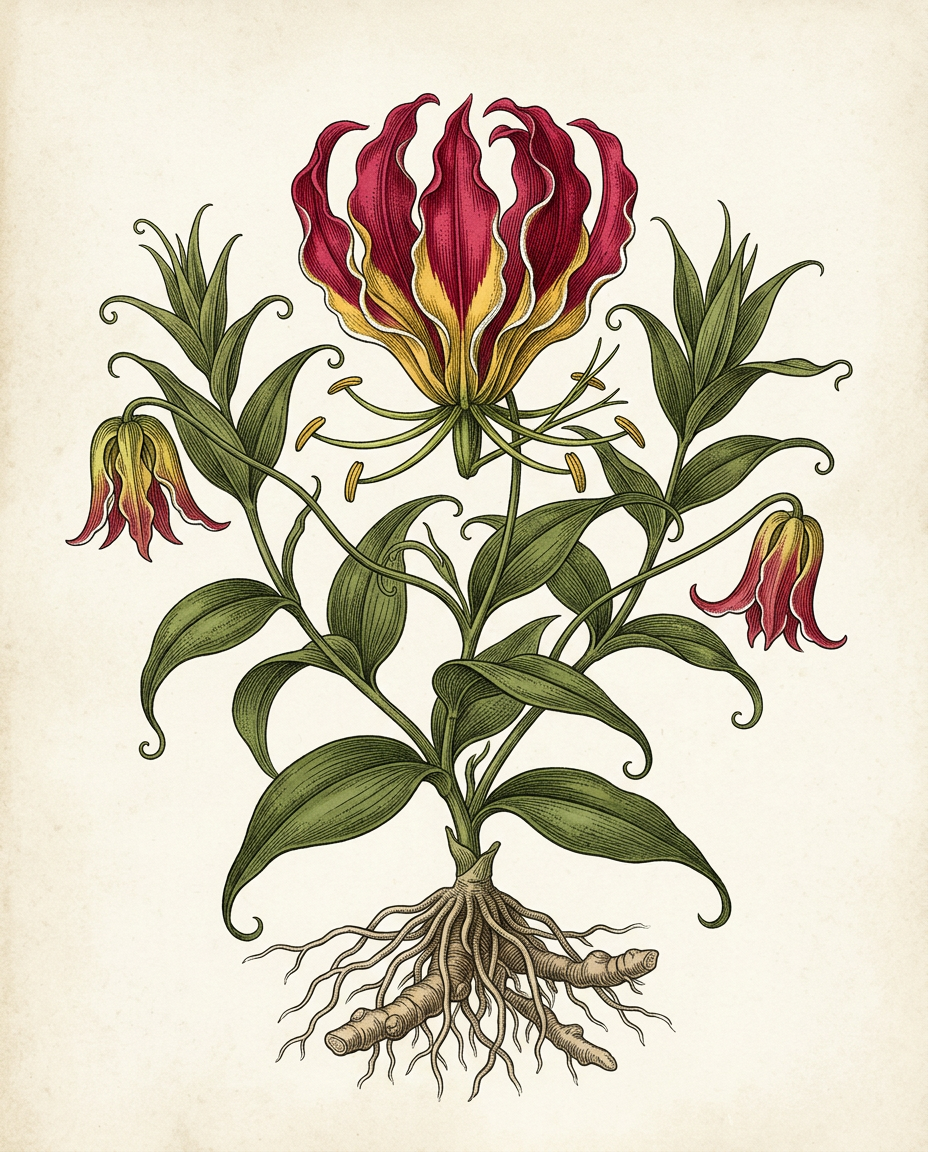
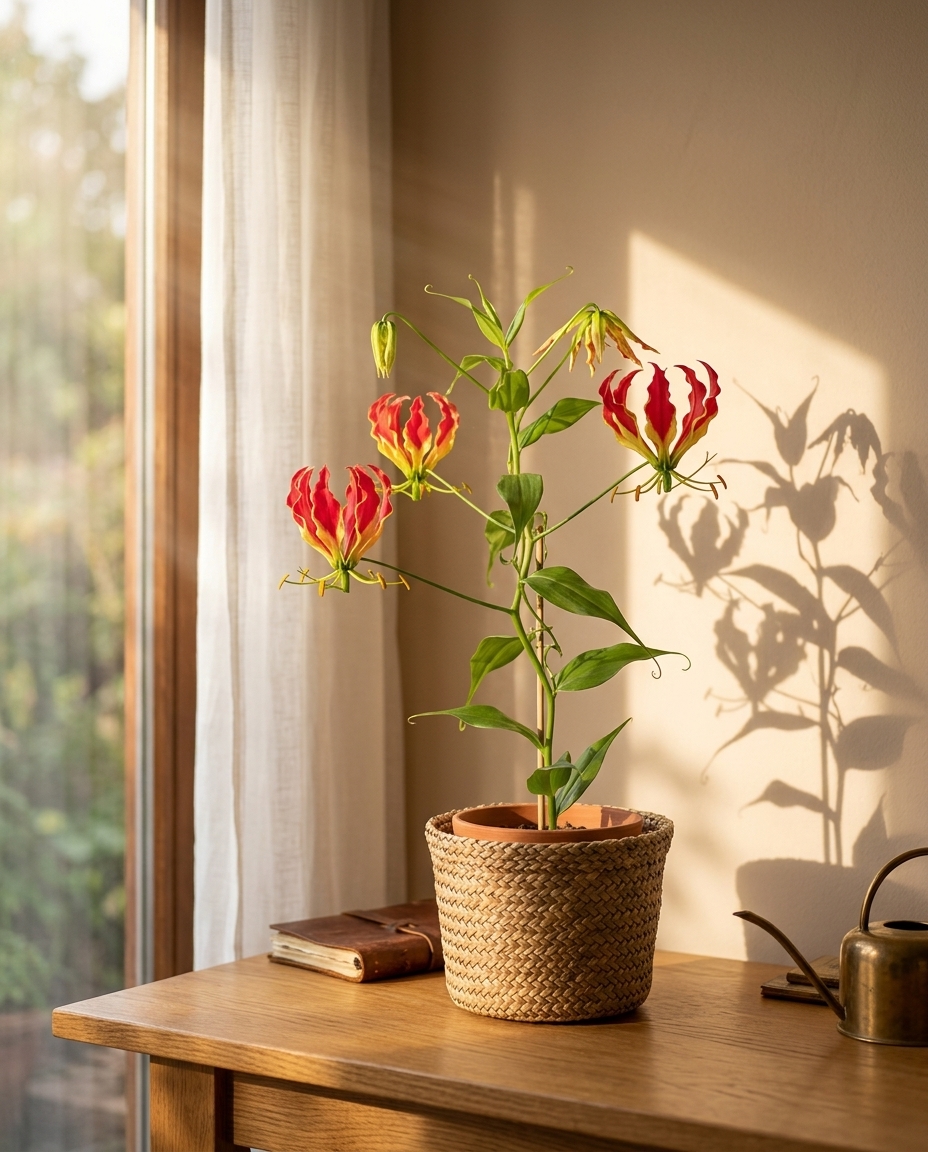
Plate IGloriosa superba — Flame Lily. Reflexed flame-red and yellow tepals on a climbing tendril-tipped leaf. ASPCA toxic — colchicine alkaloid, multi-organ failure.
Three plants that look the part, without the risk.
Bright orange and red flowers that are ASPCA non-toxic — the cat-safe alternatives for the flame-coloured garden role.
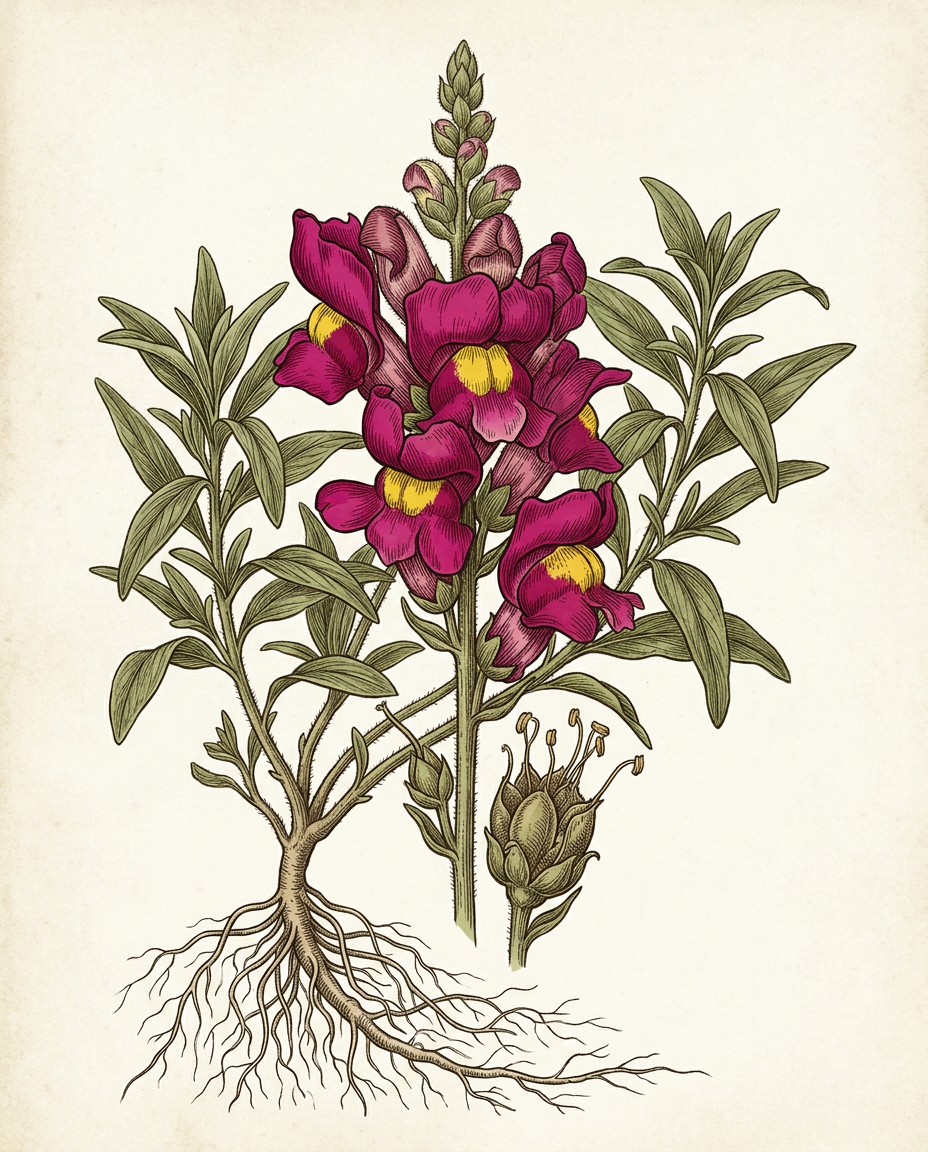
Snapdragon
Bright flame-orange and red cultivars, ASPCA non-toxic. Vertical garden anchor like Gloriosa but without the colchicine.
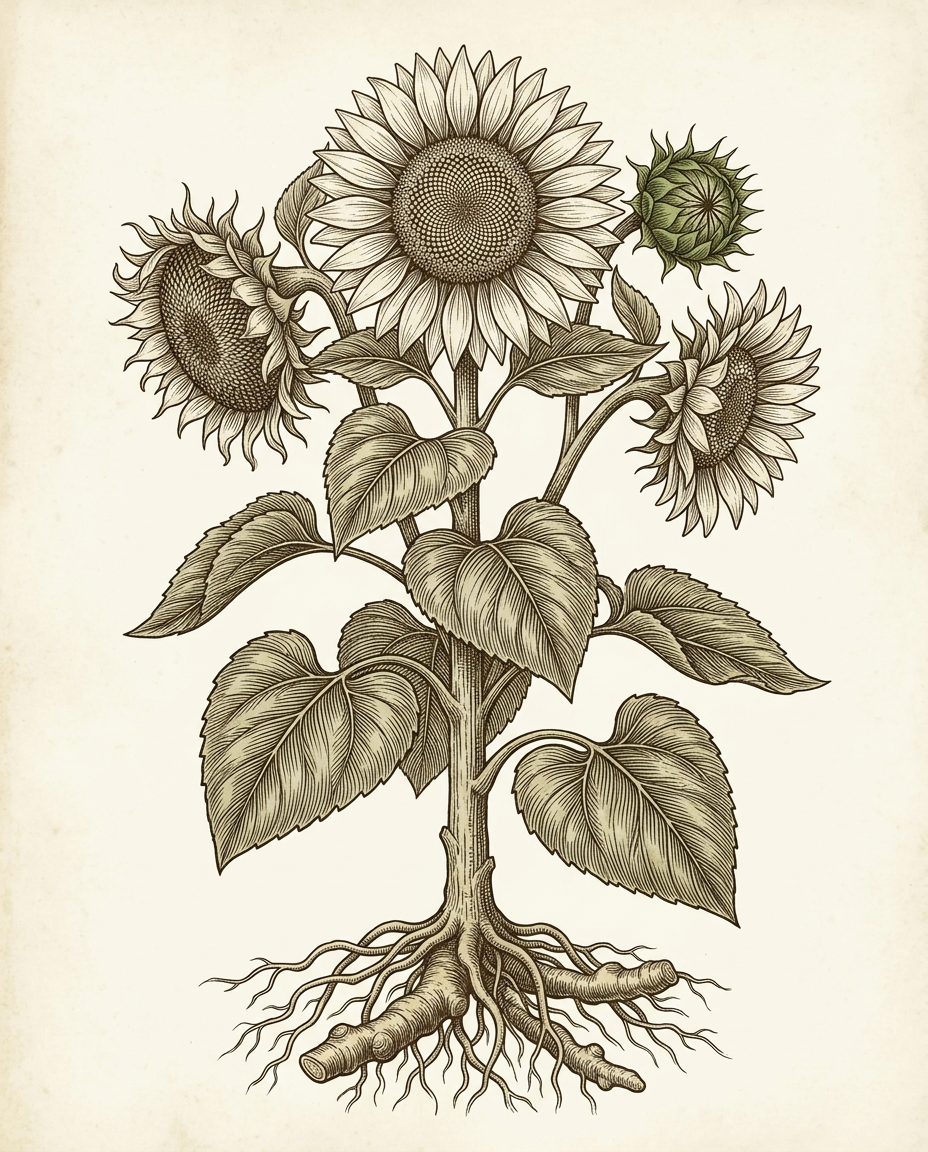
Sunflower
Hot-colour summer bloom at ASPCA non-toxic — orange and red sunflower cultivars deliver the flame palette safely.
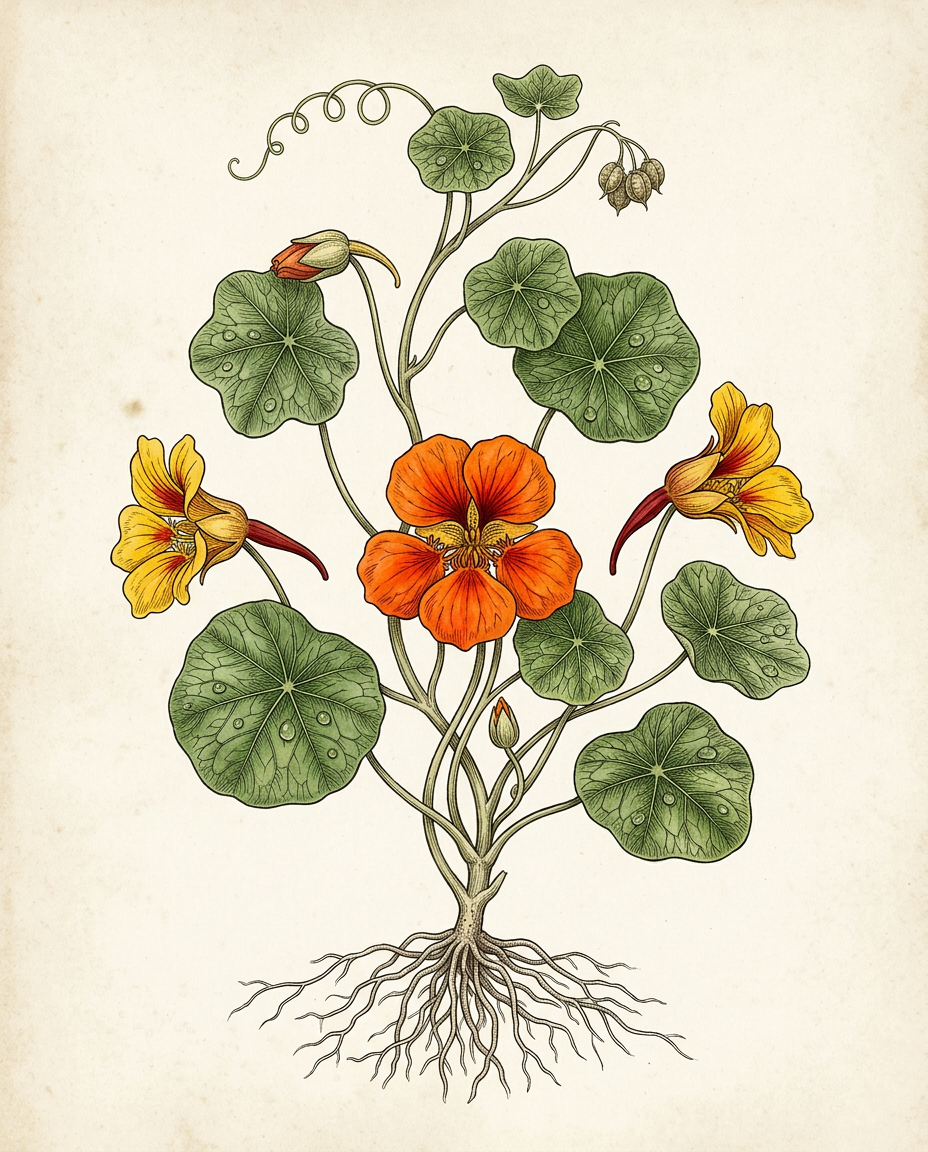
Nasturtium
Cottage-flower flame orange and red, ASPCA non-toxic, with peppery self-deterrent flavour for cats.
What it does to a cat.
Yes — Gloriosa lily is deadly to cats. The ASPCA lists Gloriosa superba (also called Glory Lily, Climbing Lily, Flame Lily, or Superb Lily) as toxic to dogs, cats, and horses, with a clinical-sign profile that is among the worst on the entire ASPCA database: salivation, bloody vomiting, bloody diarrhea, shock, kidney failure, liver damage, bone marrow suppression. The toxic principle is colchicine, the same alkaloid that makes autumn crocus deadly. If your cat has eaten any part of this plant, treat it as an emergency.
The ASPCA verdict, verbatim: Toxic to Dogs, Toxic to Cats, Toxic to Horses · Family: Liliaceae · Additional Common Names: Glory Lily, Climbing Lily, Superb Lily · Scientific Name: Gloriosa superba · Toxic Principles: Colchicine related alkaloids · Clinical Signs: Salivation, vomiting (bloody), diarrhea (bloody), shock, kidney failure, liver damage, bone marrow suppression.
Gloriosa is not a true lily — but it is just as deadly
This is the single most important point on this page. "Lily" toxicity in cats has two completely different mechanisms depending on which botanical lily you mean:
- True lilies (Lilium species — Easter lily, tiger lily, oriental lily) and daylilies (Hemerocallis) kill cats by acute kidney failure. The mechanism is unknown. Renal damage starts within hours of ingestion and is often irreversible by 18–24 hours. See our lily page and the cat ate a lily emergency guide.
- Gloriosa lily is not a true Lilium — it is Gloriosa superba, a separate genus in the broader Liliaceae family. It kills cats by colchicine poisoning. The mechanism is well-characterised — colchicine arrests cell division. The clinical picture includes kidney failure but also bone marrow suppression, liver failure, bloody GI, and shock.
Both are deadly. The practical advice is identical: any plant called "lily" near a cat is an emergency if eaten. Do not get drawn into a genus-distinction debate with yourself while waiting to call the vet.
Same poison as autumn crocus
The plant Gloriosa is most toxicologically similar to is not Easter lily — it is autumn crocus (Colchicum autumnale), which contains the same colchicine alkaloid. Same clinical picture: bloody vomiting first, multi-organ failure across 24–48 hours, late-stage bone marrow suppression. If you have read the autumn crocus page, you already know how Gloriosa kills.
Colchicine has no antidote
Colchicine binds to tubulin and stops every rapidly-dividing cell in the body from completing mitosis. The earliest casualties are the body's fastest-cycling tissues:
- Gut lining (epithelial cells divide every few days) — sloughs off, causing the bloody vomiting and diarrhea in the first hours.
- Kidney tubule cells — fail, causing the renal-failure signs ASPCA lists.
- Liver hepatocytes — fail, causing the liver-damage signs.
- Bone marrow stem cells — collapse over days, causing anaemia, immune suppression, and bleeding tendency at delayed time points.
There is no specific antidote. Treatment is aggressive supportive care: IV fluids, anti-emetics, GI protectants, transfusions if needed. The earlier care begins, the better the survival odds.
Anything called "Lily" is an emergency
Gloriosa joins a list of deadly cat-plants whose common name confuses readers:
- True lily (Lilium) — kidney failure, deadly. See lily, easter lily, tiger lily.
- Daylily (Hemerocallis) — same kidney failure mechanism as true lilies, equally deadly. See daylily.
- Gloriosa / Glory Lily (this page) — colchicine, multi-organ failure.
- Autumn crocus (Colchicum autumnale) — colchicine, multi-organ failure. See autumn crocus.
If a cat has chewed any flower with "lily" in the name, call the vet first and identify the species later. The decision tree at the vet office is the same regardless of which lily it turned out to be.
What we have actually seen.
Bloody vomiting and diarrhea — first hours
ASPCA clinical signs lead with salivation, vomiting (bloody), and diarrhea (bloody). Onset is within hours. Blood in the vomit or stool is the signal that this is colchicine and not a routine GI upset.
Shock
Fluid losses from bloody GI combined with direct vascular toxicity. Pale gums, weak pulse, low body temperature. Treat as an emergency the moment shock signs appear.
Kidney and liver failure
Colchicine attacks rapidly dividing cells — kidney tubule and liver hepatocyte populations are early targets. ASPCA explicitly lists kidney failure and liver damage in the clinical signs. May develop over 24–48 hours after exposure.
Bone marrow suppression
The signature colchicine clinical sign at later time points. Anaemia, low white-cell counts, increased infection risk. Develops days after exposure and may be the cause of delayed death.
- ASPCA Animal Poison Control Center. Toxic and Non-Toxic Plants: Gloriosa Lily.Accessed June 2026 · aspca.org · Gloriosa superba · Toxic to Dogs, Toxic to Cats, Toxic to Horses · Family Liliaceae · Additional Common Names: Glory Lily, Climbing Lily, Superb Lily · Toxic Principles: Colchicine related alkaloids · Clinical Signs: Salivation, vomiting (bloody), diarrhea (bloody), shock, kidney failure, liver damage, bone marrow suppression
- ASPCA Animal Poison Control Center. Toxic and Non-Toxic Plants: Autumn Crocus.For the colchicine cross-reference — same alkaloid, same multi-organ failure profile