Fiddle Leaf
Fig.
Ficus lyrata
Fiddle leaf figs are toxic to cats. The ASPCA lists the Ficus genus (Fig, Ficus benjamina) as toxic via ficin enzyme and psoralen in the milky sap; chewed leaves produce oral burn, drooling, and vomiting.


Plate IFicus lyrata — the violin-leafed houseplant of design magazines. The milky sap carries the ficin enzyme and psoralen that the ASPCA flags as the toxic principles of the genus.
Three plants that look the part, without the risk.
Tall, sculptural houseplants with statement foliage but no irritant sap — these three are ASPCA non-toxic alternatives for the same floor-pot design moment.
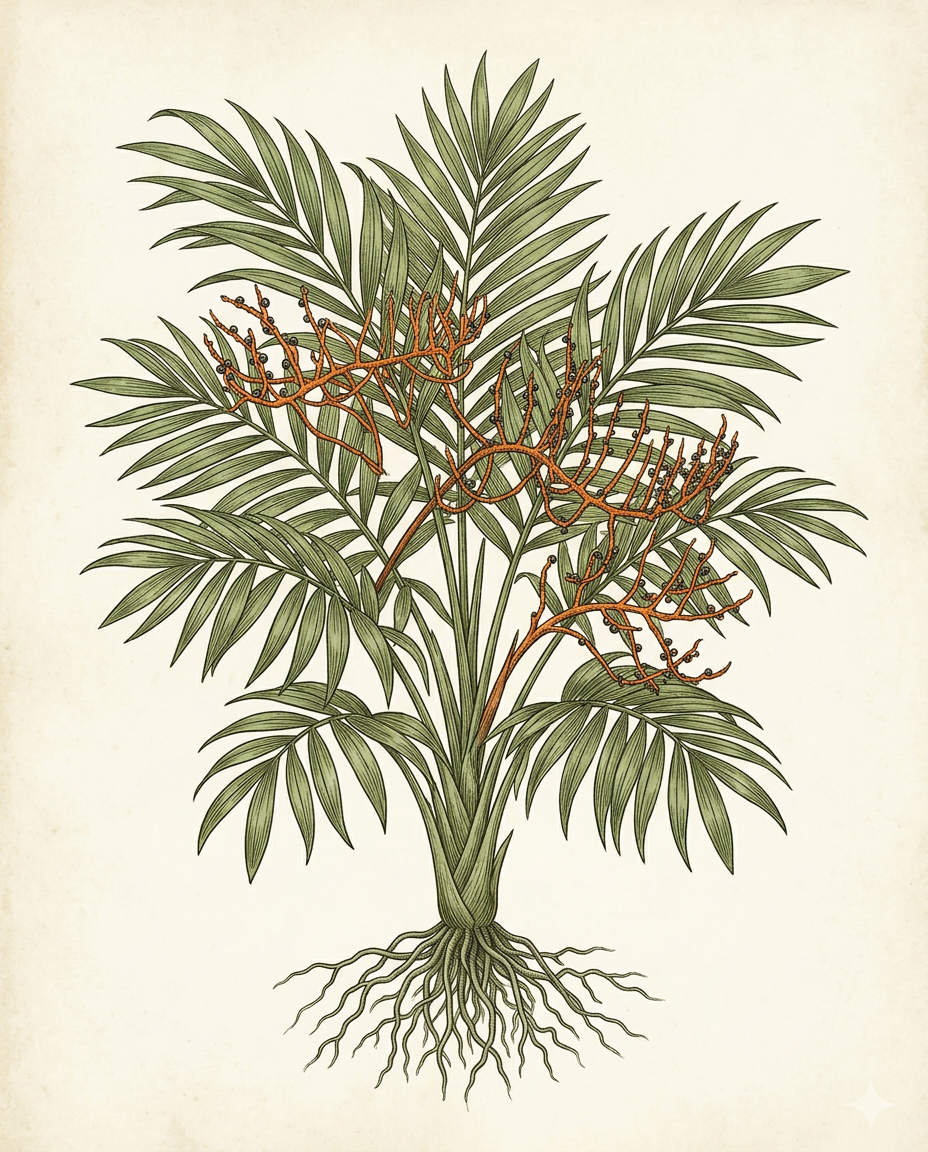
Parlor Palm
Tall arching fronds, the same architectural floor-pot presence. ASPCA non-toxic.

Areca Palm
A statement tropical with feathery foliage and floor-tree height. ASPCA non-toxic.

Ponytail Palm
Sculptural trunk and cascading leaves — the photogenic indoor tree without the irritant sap.
What it does to a cat.
Yes — fiddle leaf figs are toxic to cats. The ASPCA lists the genus Ficus — under the entry for "Fig" (Ficus benjamina) — as toxic to cats and dogs. The toxic principles are ficin, a proteolytic enzyme in the milky sap, and psoralen (ficusin), a photosensitising compound. Ficus lyrata is in the same genus and carries the same sap; North Carolina State Extension explicitly lists it as toxic to cats with the same clinical signs.
Symptoms typically start within minutes: drooling, lip-smacking, and pawing at the mouth as the ficin enzyme irritates the oral mucosa. Vomiting follows once sap reaches the stomach, sometimes with reduced appetite and mild diarrhea. Most cats recover within 24 hours with supportive care.
Where cats meet fiddle leaf figs
Fiddle leaf figs have been the design magazine houseplant for over a decade. They sit in floor pots — exactly at cat-mouth height — and the broad violin-shaped leaves are inviting to chew. Cats most often encounter the sap when they bite a leaf or knock one off; the milky exudate is sticky enough to transfer to fur and paws as well.
Why "ASPCA lists the genus" matters
The ASPCA's plant database uses one entry per species, with Ficus benjamina (weeping fig) as the named example for the whole genus. The toxic principles — ficin and psoralen — are properties of the milky sap that is common to every species in Ficus: weeping fig, rubber plant, climbing fig, and fiddle leaf fig included. Multiple authoritative sources, including NCSU Extension and Pet Poison Helpline, name Ficus lyrata specifically as toxic to cats with the same syndrome. We do not infer safety from related species, but we do treat the genus-level toxicity finding as applicable to the species the ASPCA does not call out separately.
Safer floor-pot statement plants
For tall, sculptural foliage without the irritant sap, the cat-safe alternatives are real palms. A parlor palm brings the same upright architectural presence, areca palm gives feathery height, and ponytail palm is the sculptural-trunk option. All three are ASPCA non-toxic. See our Ficus benjamina and rubber plant pages for the rest of the toxic Ficus family.
If exposure has happened
Rinse the cat's mouth with cool water if it tolerates it. Call your vet or ASPCA Animal Poison Control at (888) 426-4435 for guidance. Most cases need only supportive care — anti-nausea drugs and a quiet 24 hours. Escalate to an ER if vomiting persists beyond six hours or the cat refuses food for more than a day.
What we have actually seen.
Oral irritation and drooling
The ficin enzyme is proteolytic — it begins digesting protein in the cat's oral mucosa on contact. Excessive drooling, lip-smacking, and pawing at the mouth are the typical first signs.
Vomiting
Once sap reaches the stomach, vomiting follows within an hour or two. May be accompanied by abdominal pain and reduced appetite.
Diarrhea
Less common than vomiting but well documented. Often resolves within 24 hours of supportive care.
Dermal irritation
Sap on the cat's skin or paws can cause contact irritation and, in sunlit cases, a photosensitivity reaction from the psoralen component.
- Pet Poison Helpline. Ficus Toxicity in Cats and Dogs.Clinical brief · 2024 ed.