Ponytail
Palm.
Beaucarnea recurvata
Yes — the ponytail palm is safe for cats. The ASPCA lists Beaucarnea recurvata as non-toxic. The fountain of strappy leaves may tempt a chewer, but it poses no chemical risk.
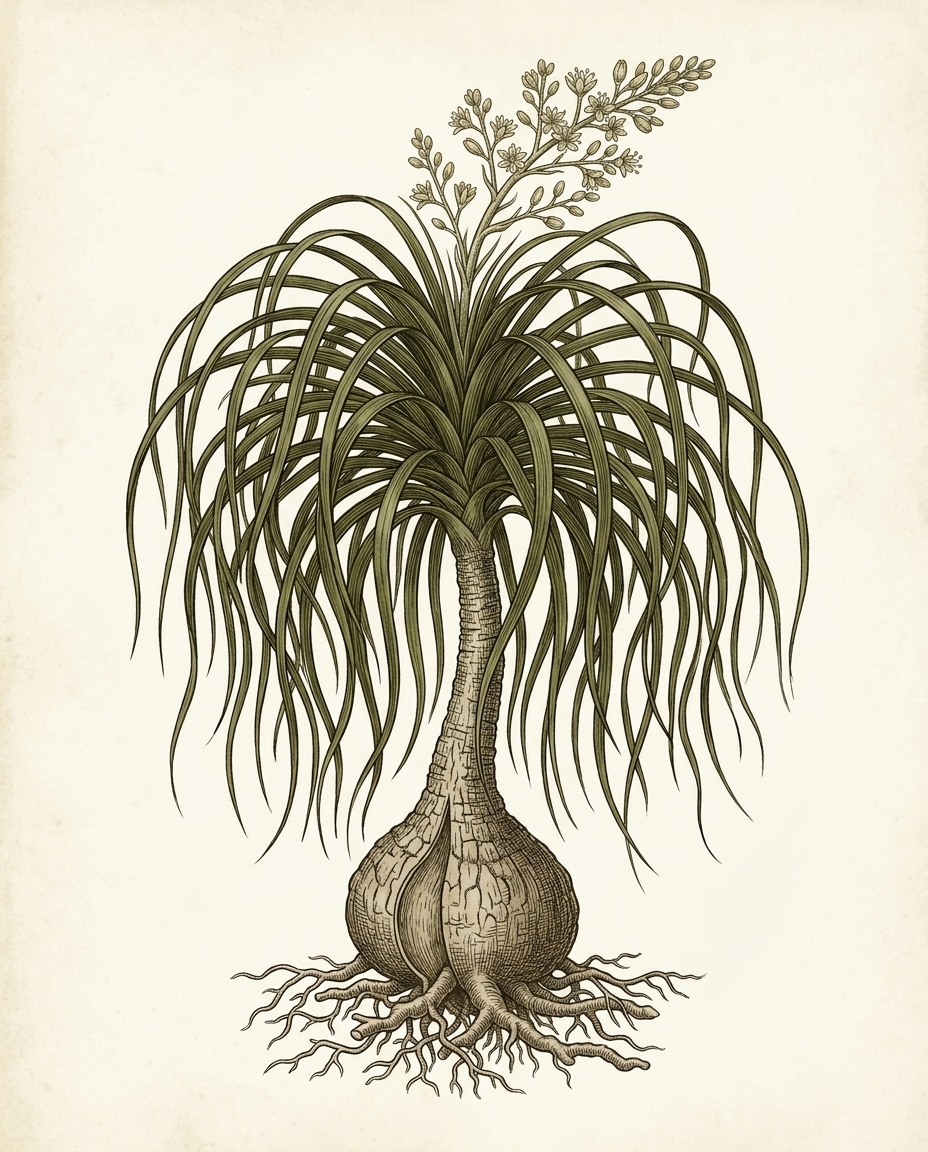
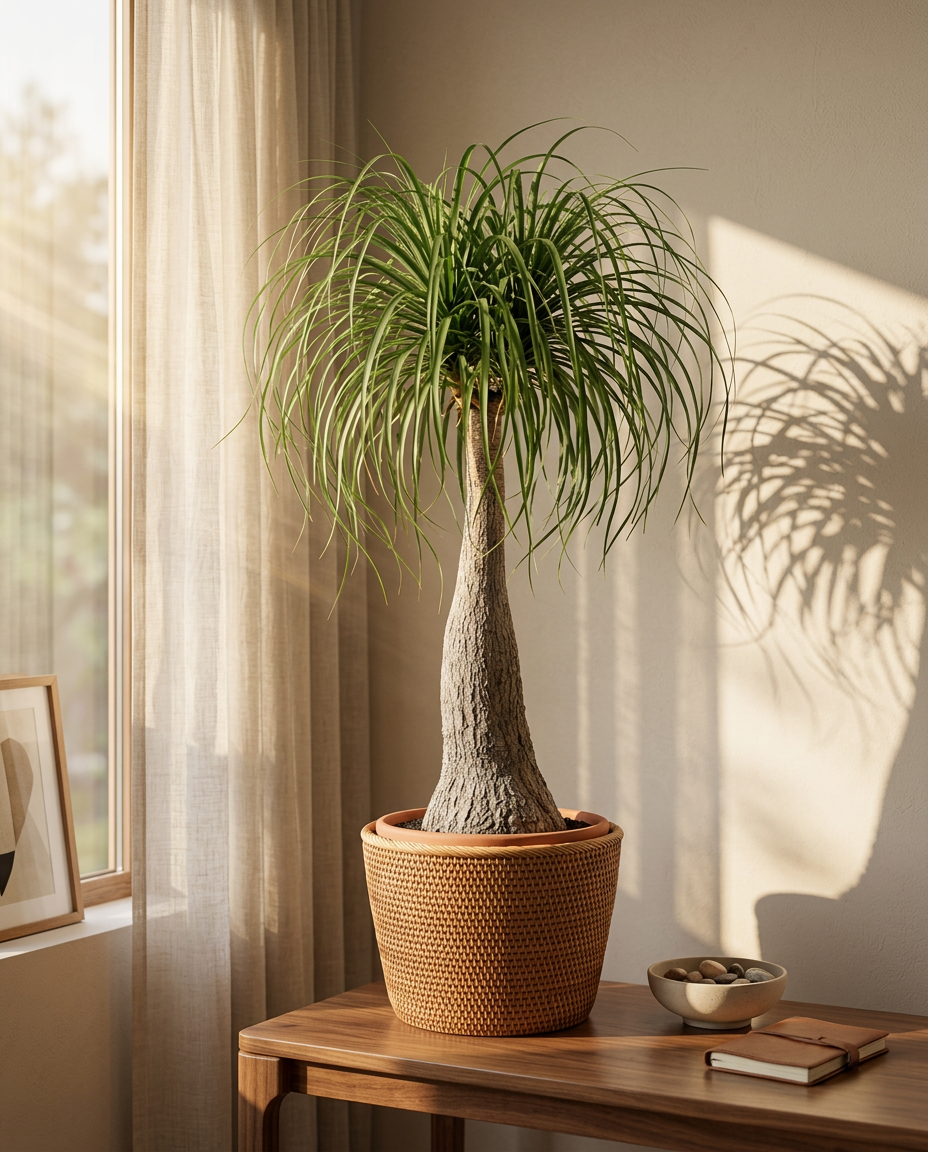
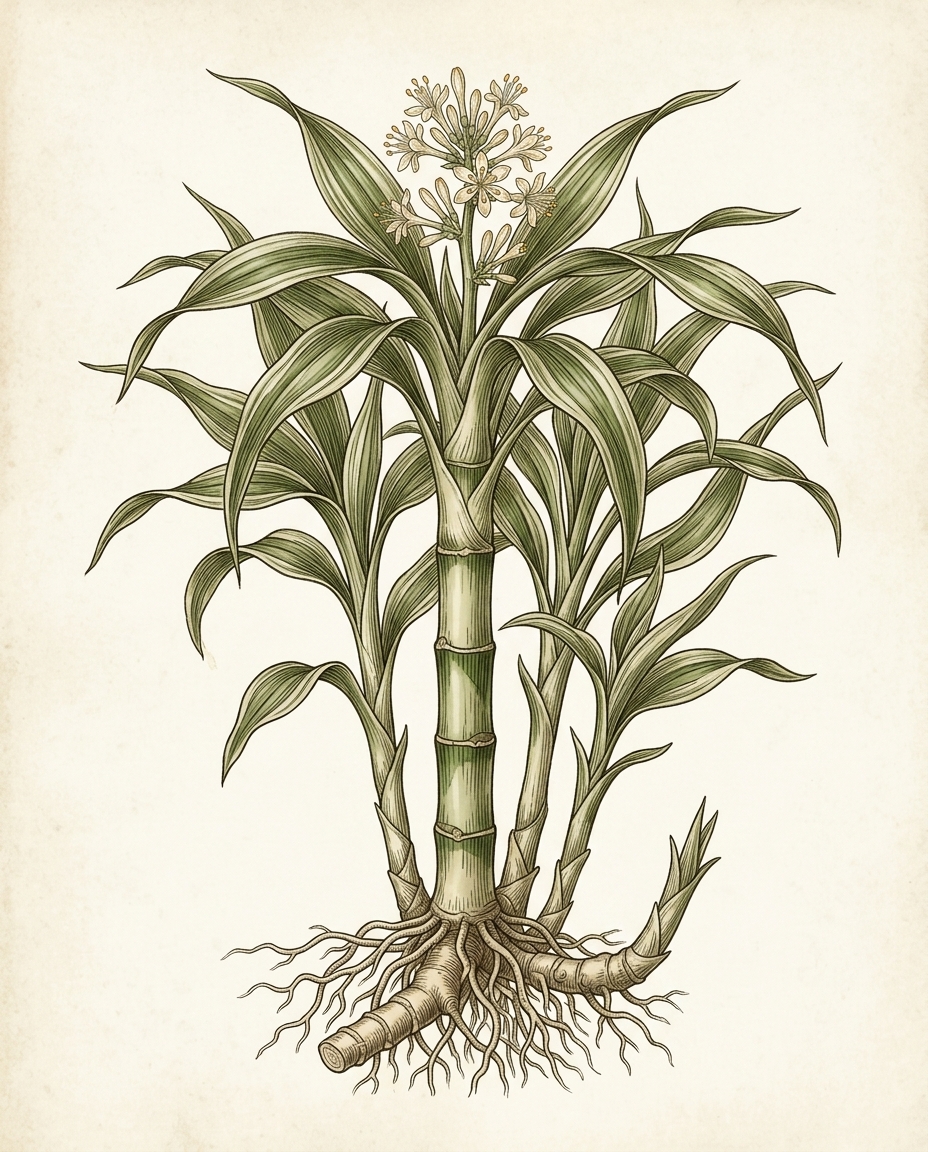
Plate IBeaucarnea recurvata — the ponytail palm or elephant-foot tree. A non-toxic, drought-tolerant succulent despite its palm-like look.
What happens if your cat eats it.
Nothing harmful. The ASPCA lists the ponytail palm (Beaucarnea recurvata) as non-toxic to cats. Its fountain of long, curling leaves is a near-perfect cat toy, so it will likely be batted and occasionally chewed — but there is no toxin involved, and the worst a cat risks is mild stomach upset from a fibrous mouthful.
The ponytail palm is not actually a palm. It is a drought-tolerant succulent, storing water in that distinctive swollen base (hence its other name, the elephant-foot tree). That makes it one of the easiest plants to keep alive: bright light and very occasional watering are the whole job.
A safe alternative to risky "palms"
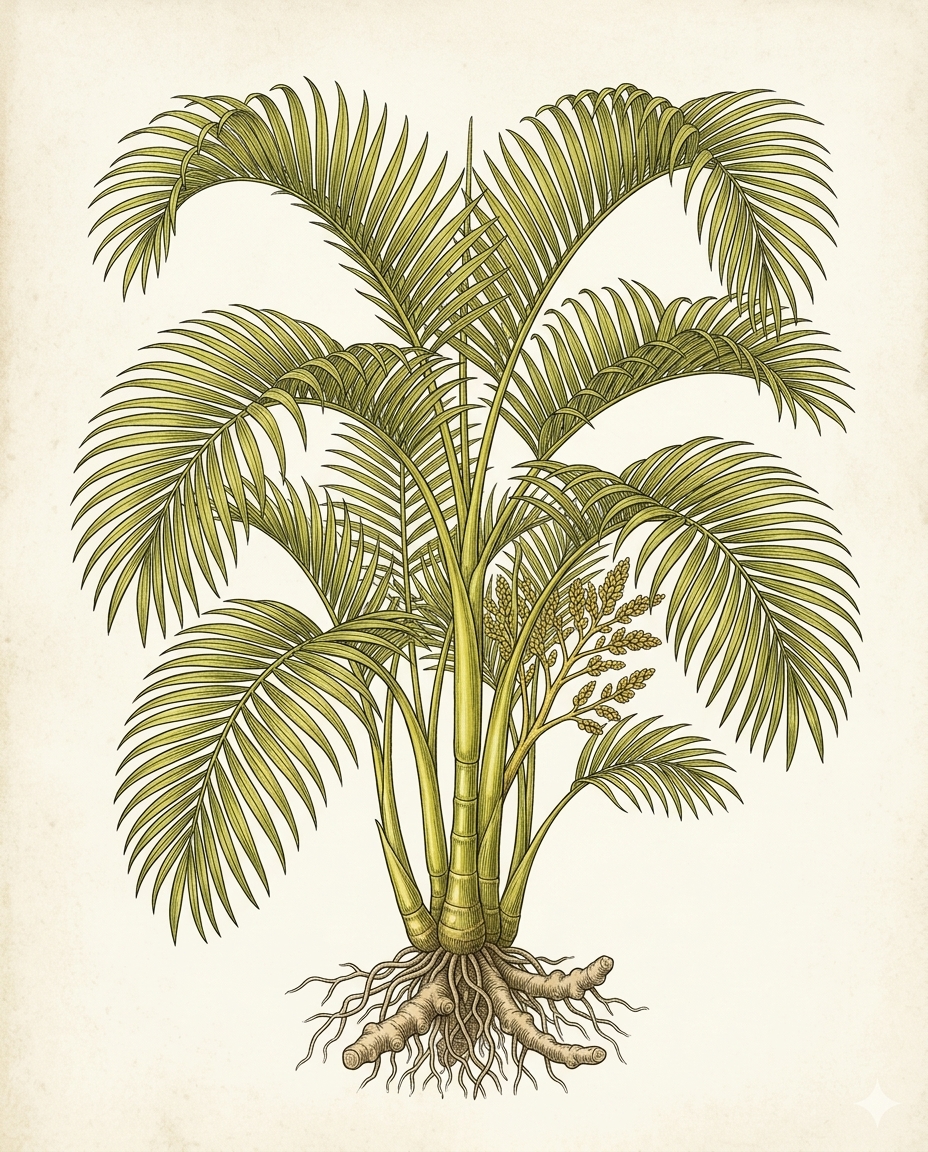
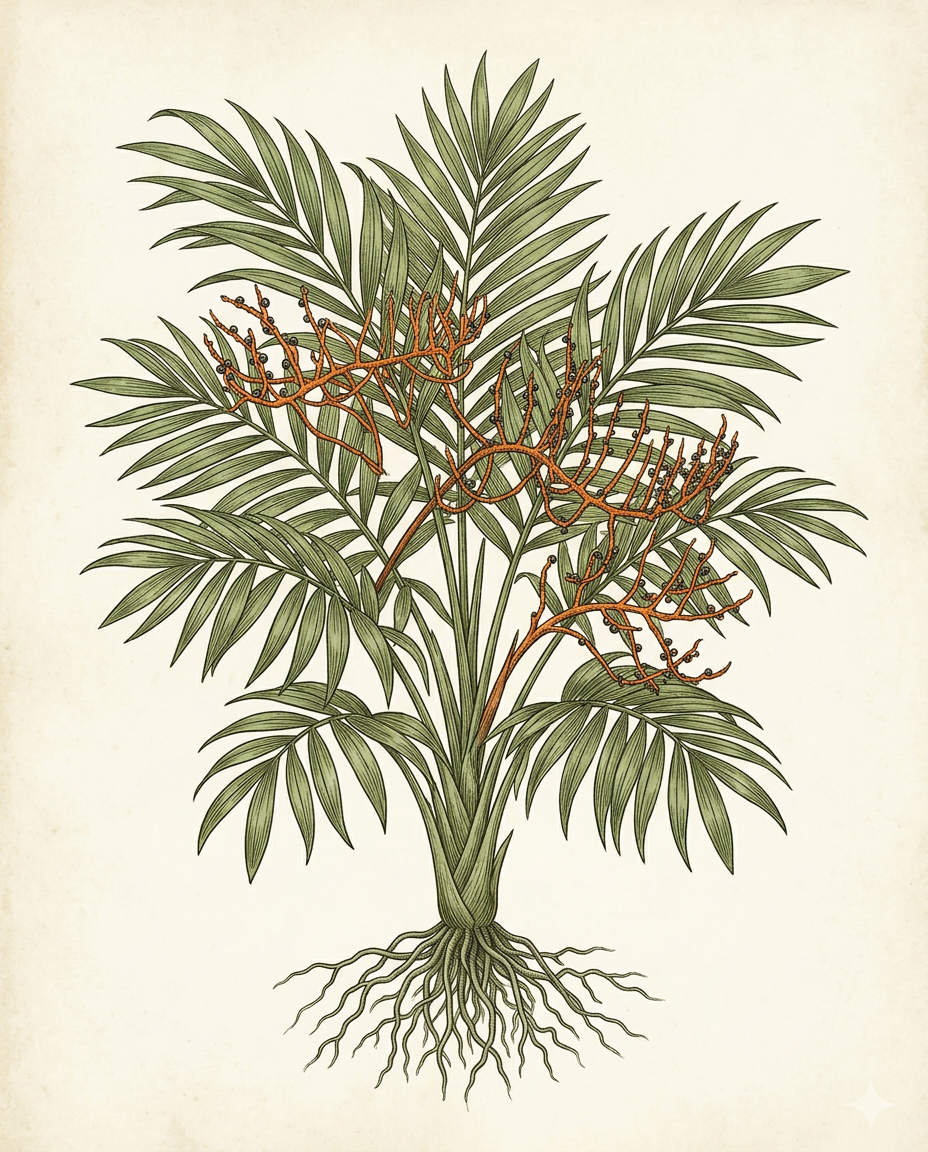
Reassuringly, the ponytail palm is unrelated to the genuinely deadly sago palm (Cycas), which is often confused for a true palm and causes liver failure in cats. The ponytail is safe; the sago is not. For more cat-safe palm-like greenery, the areca palm and parlor palm are both ASPCA non-toxic.
Siting it around a cat
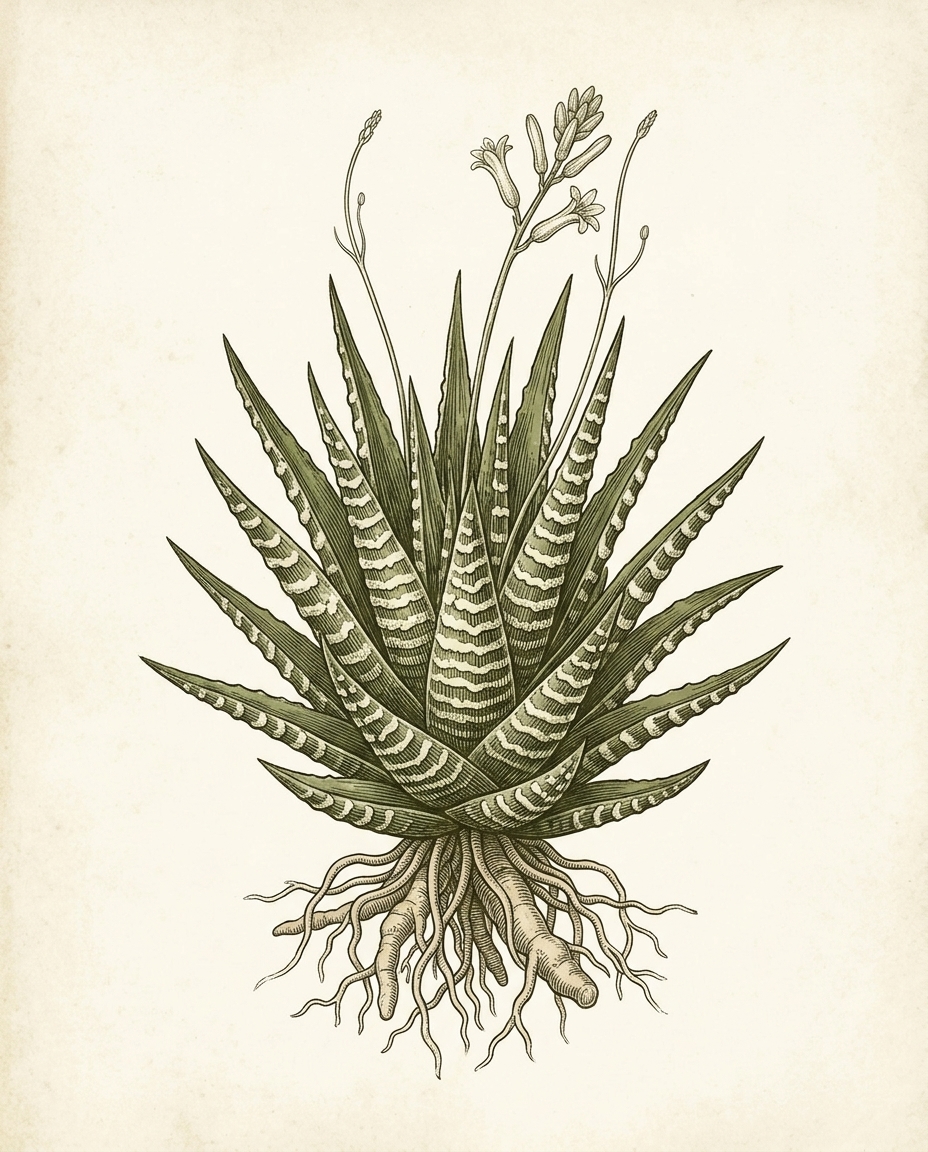
Because the leaves are so tempting, place the ponytail palm where constant batting won't shred the foliage — a high shelf or a spot slightly out of the way keeps both the plant and its looks intact. Pair it with a haworthia for a safe, sculptural succulent grouping.
What we have actually seen.
No toxicity
The ponytail palm contains nothing poisonous to cats. A chewed leaf is harmless.
Mild stomach upset
The tough, fibrous leaves can cause vomiting if a cat eats a large mouthful — mechanical, not chemical.
Irresistible leaves
The long, springy fountain of foliage is a natural cat toy. Expect batting and the odd nibble.
Tough leaf tips
The narrow leaves can be mildly abrasive; a cat may scratch its mouth on a vigorous chew.
Four common varieties.
Elephant-Foot Tree (classic)
The standard form, named for the bulbous water-storing base. Slow-growing and long-lived.
Multi-Head (sculptural)
Mature or pruned plants that branch into several leaf fountains — a living sculpture for a bright spot.
Keeping the plant alive.
Bright light
Loves the brightest spot you have, including some direct sun. Tolerates less, but grows slowly.
Let it dry out
The swollen base stores water — water sparingly and only when the soil is fully dry. Overwatering rots it.
Gritty, free-draining
A cactus or succulent mix. Sharp drainage is essential to protect the caudex from rot.
Bright shelf or floor
The long, draping leaves invite batting. Harmless to the cat, though chewed tips brown — site it thoughtfully.
- ASPCA Animal Poison Control Center. Toxic and Non-Toxic Plants: Pony Tail.Accessed May 2026 · aspca.org
- Pet Poison Helpline. Plants Non-Toxic to Cats.Reference list · 2024 ed.
If you liked this, also safe.