Rubber
Plant.
Ficus elastica
Yes — the rubber plant is toxic to cats. It is a Ficus, and the ASPCA lists figs (Ficus) as toxic. The milky sap irritates the mouth, gut, and skin on contact.
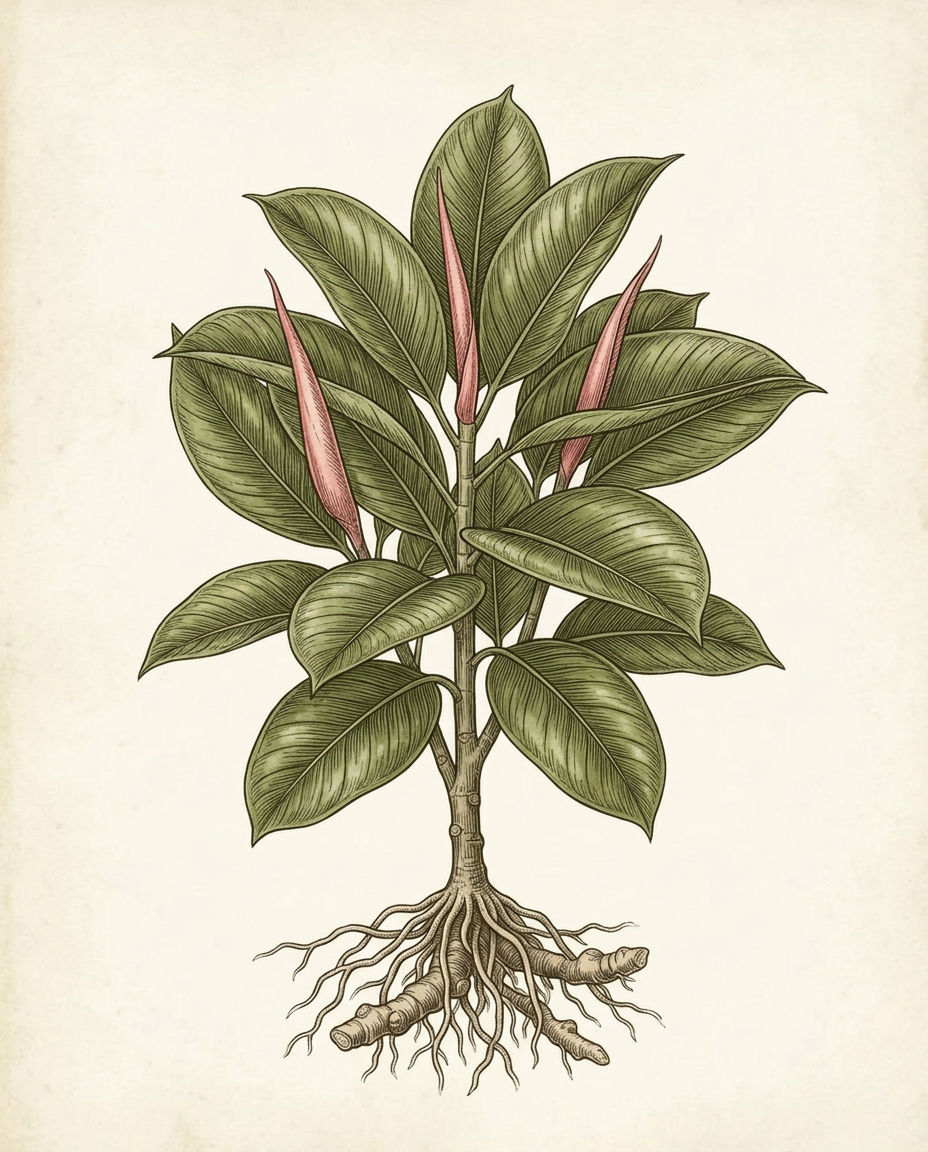
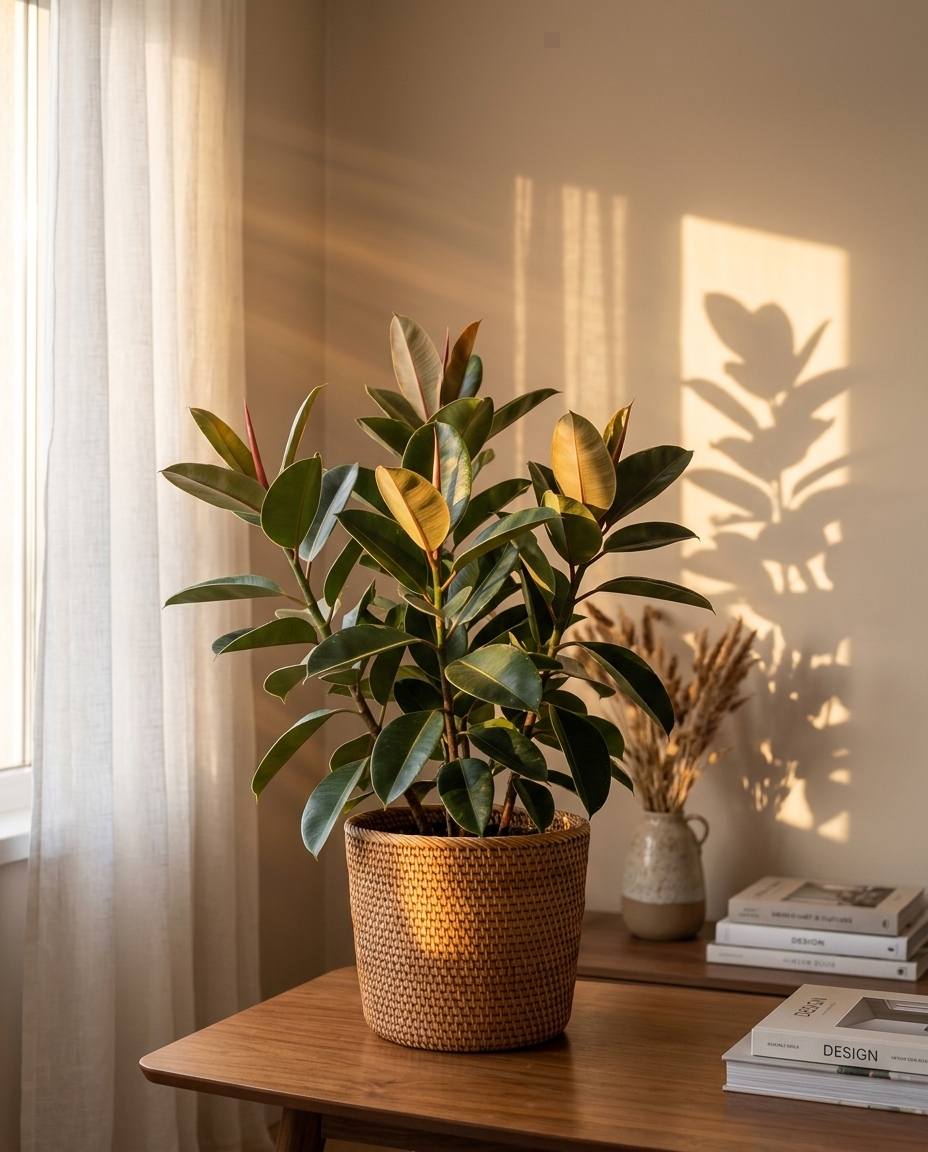
Plate IFicus elastica — the rubber plant. A fig with thick glossy leaves and a milky latex sap that irritates on contact.
Three plants that look the part, without the risk.
Big architectural foliage without the irritant sap — all ASPCA non-toxic.
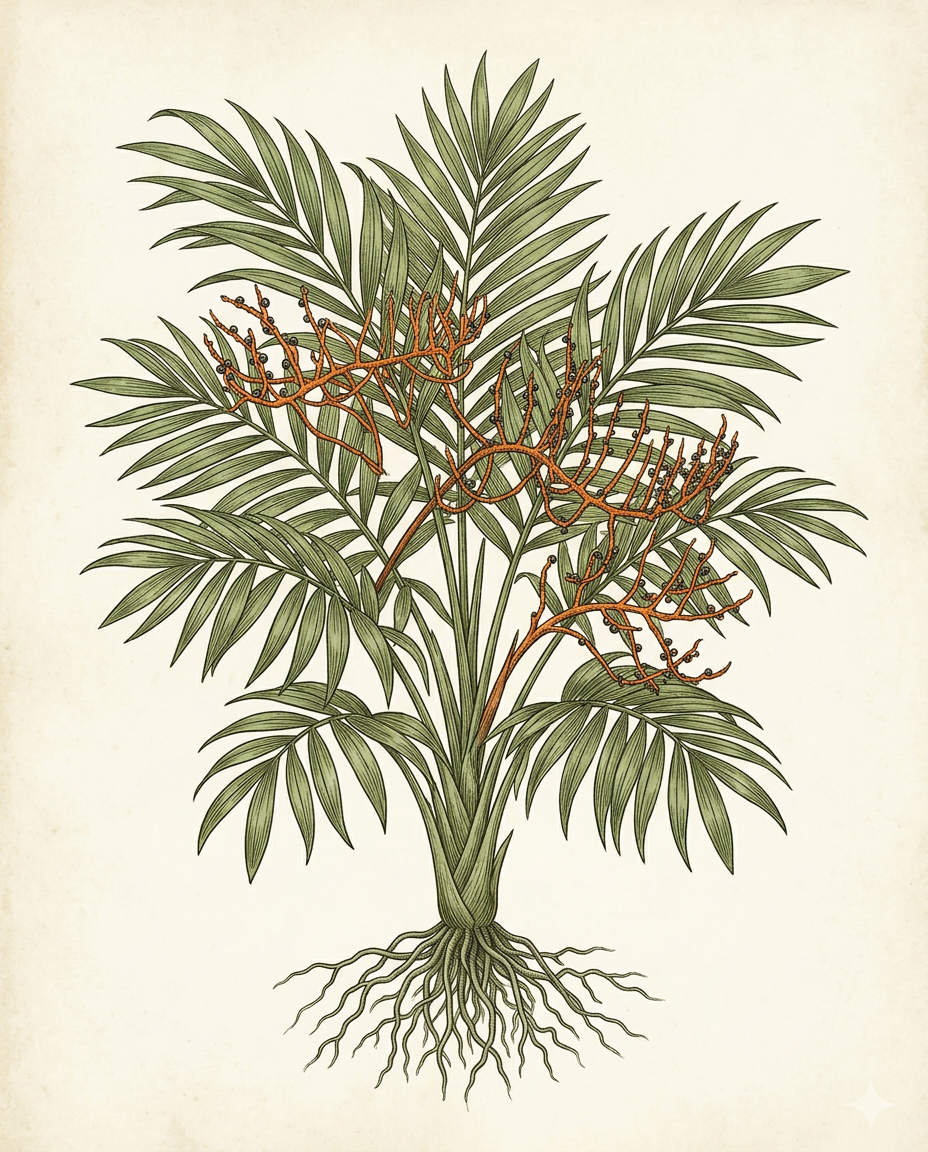
Parlor Palm
A statement floor plant with soft fronds and none of the fig sap. Safe for cats.
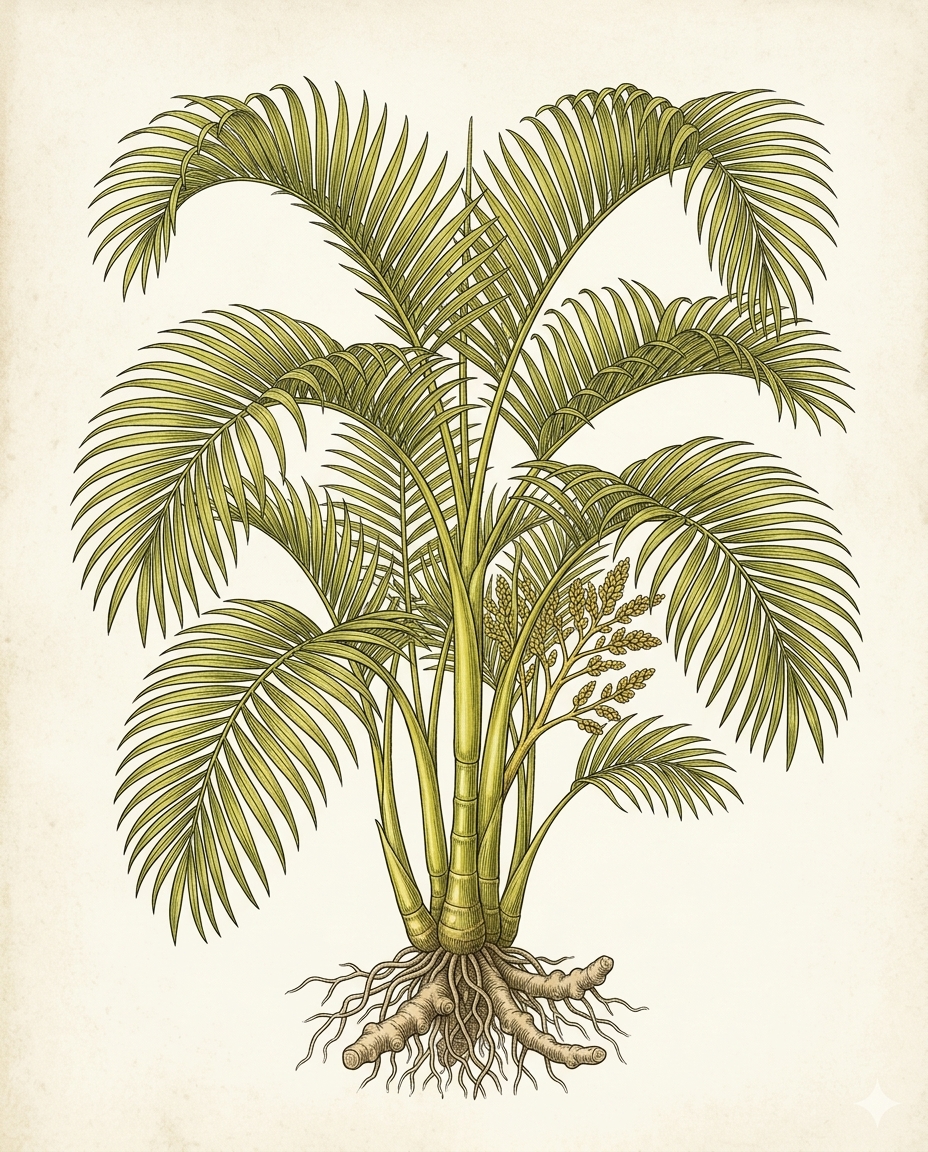
Areca Palm
Lush, full, and forgiving — fills the same corner as a rubber tree. Non-toxic.
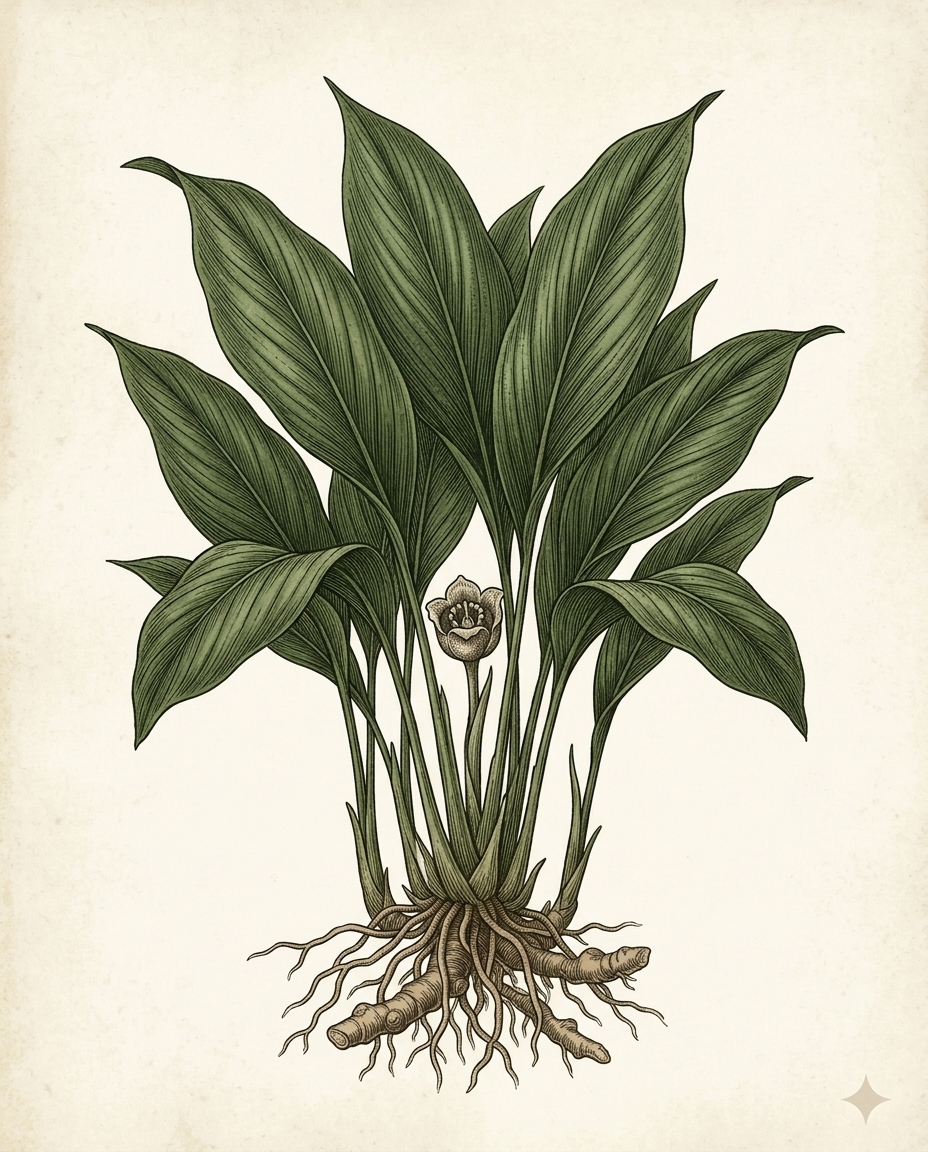
Cast-Iron Plant
Broad glossy leaves and near-indestructible. The closest cat-safe match for that bold leaf.
What it does to a cat.
Yes — the rubber plant is toxic to cats. Sold as a sleek modern houseplant, Ficus elastica is botanically a fig, and the ASPCA lists figs (Ficus) as toxic to cats. The trouble is the milky latex sap that weeps from any broken leaf or stem: it irritates the mouth and gut on chewing and can redden skin on contact.
The reaction is usually mild — drooling, a sore mouth, sometimes vomiting — and most cats stop quickly because the sap stings. But the sap is sticky, clings to fur, and gets re-ingested during grooming, so it is worth wiping off promptly.
Not the "baby rubber plant"
A common point of confusion: the baby rubber plant (Peperomia obtusifolia) is a completely different species and is ASPCA non-toxic. Only the true rubber plant, Ficus elastica, and its weeping fig cousins carry the irritant fig sap.
Safe swaps
For the same bold, glossy-leaved presence in a corner, a cast-iron plant is the closest cat-safe match, while a parlor palm or areca palm brings height and fullness without the sap.
What we have actually seen.
Oral & GI irritation
The latex sap irritates the mouth and stomach on chewing — drooling, vomiting, and reduced appetite are typical.
Contact dermatitis
Sap on skin or paws can cause redness and itching. The milky latex is sticky and clings to fur.
Pawing & lip-licking
The immediate sting of the sap usually makes a cat stop chewing quickly.
Repeat curiosity
Large, low leaves at tail height invite repeated investigation. Raise or relocate the plant.
- ASPCA Animal Poison Control Center. Toxic and Non-Toxic Plants: Fig (Ficus benjamina).Accessed May 2026 · aspca.org
- Pet Poison Helpline. Rubber Tree Plant (Ficus elastica).Reference list · 2024 ed.