Ficus
Ficus benjamina
Yes — ficus is toxic to cats. The ASPCA lists the fig (Ficus benjamina, the weeping fig) as toxic. Its milky sap irritates the mouth, gut, and skin, and shed leaves keep the hazard at floor level.
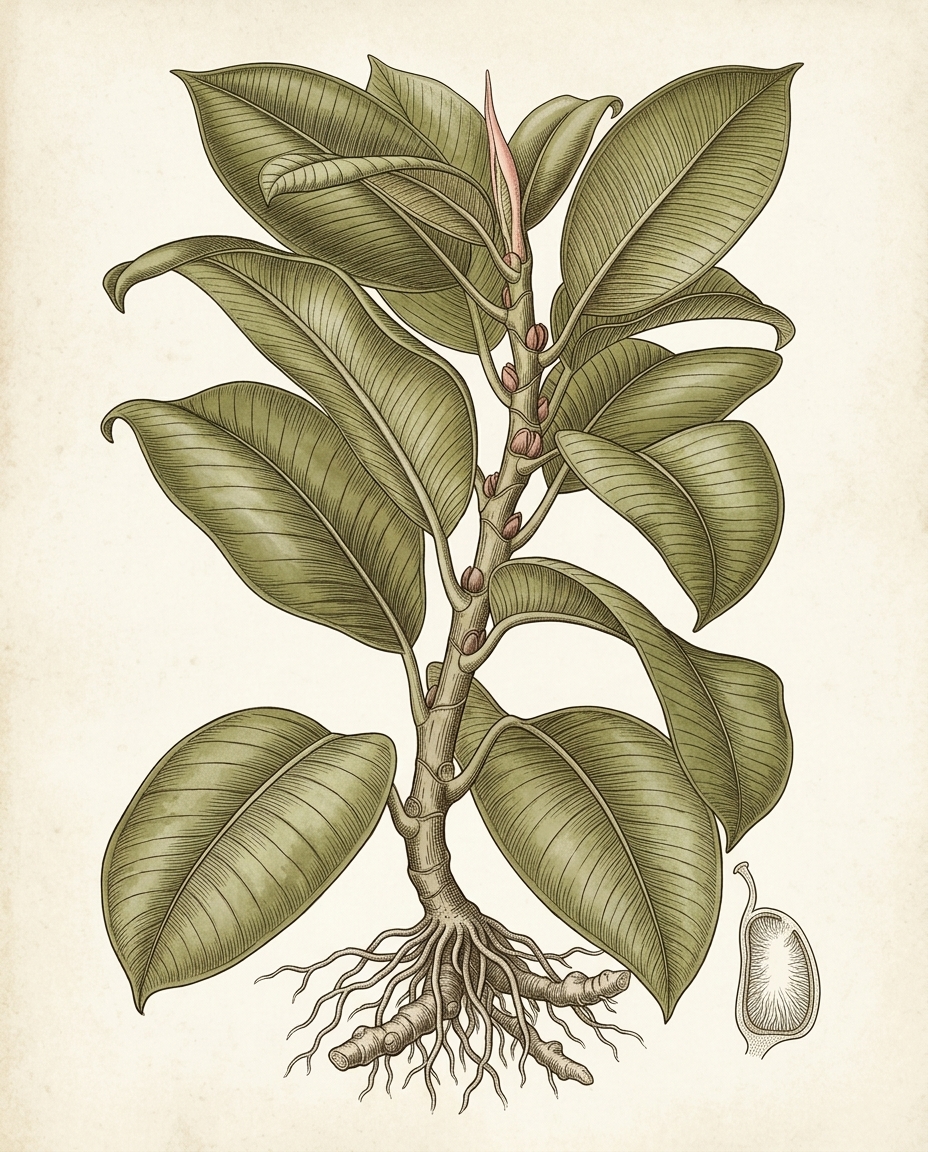
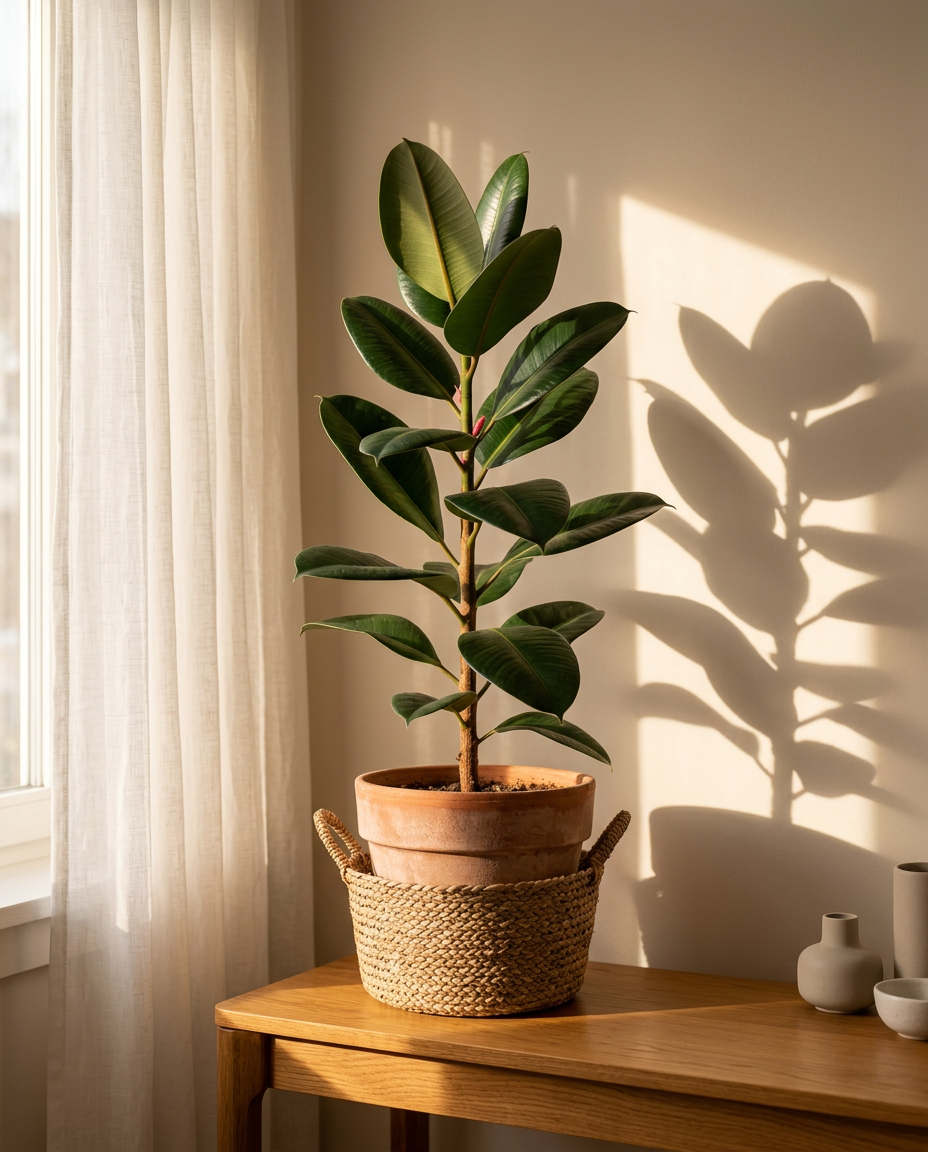
Plate IFicus benjamina — the weeping fig. A popular indoor tree whose milky latex sap is the toxic principle for cats.
Three plants that look the part, without the risk.
Indoor trees with the same height and softness, minus the sap — all ASPCA non-toxic.
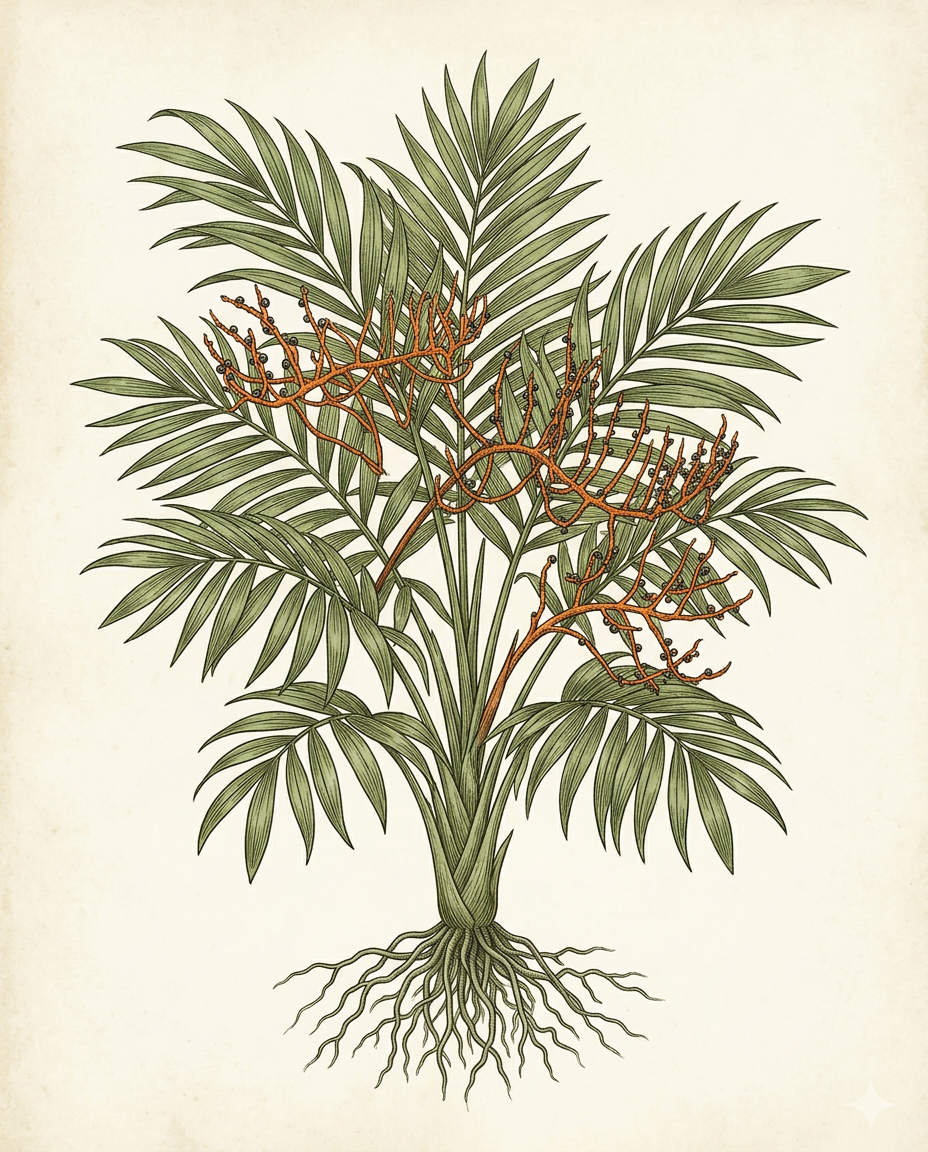
Parlor Palm
A graceful indoor tree-shape with soft fronds and no fig sap. Safe for cats.
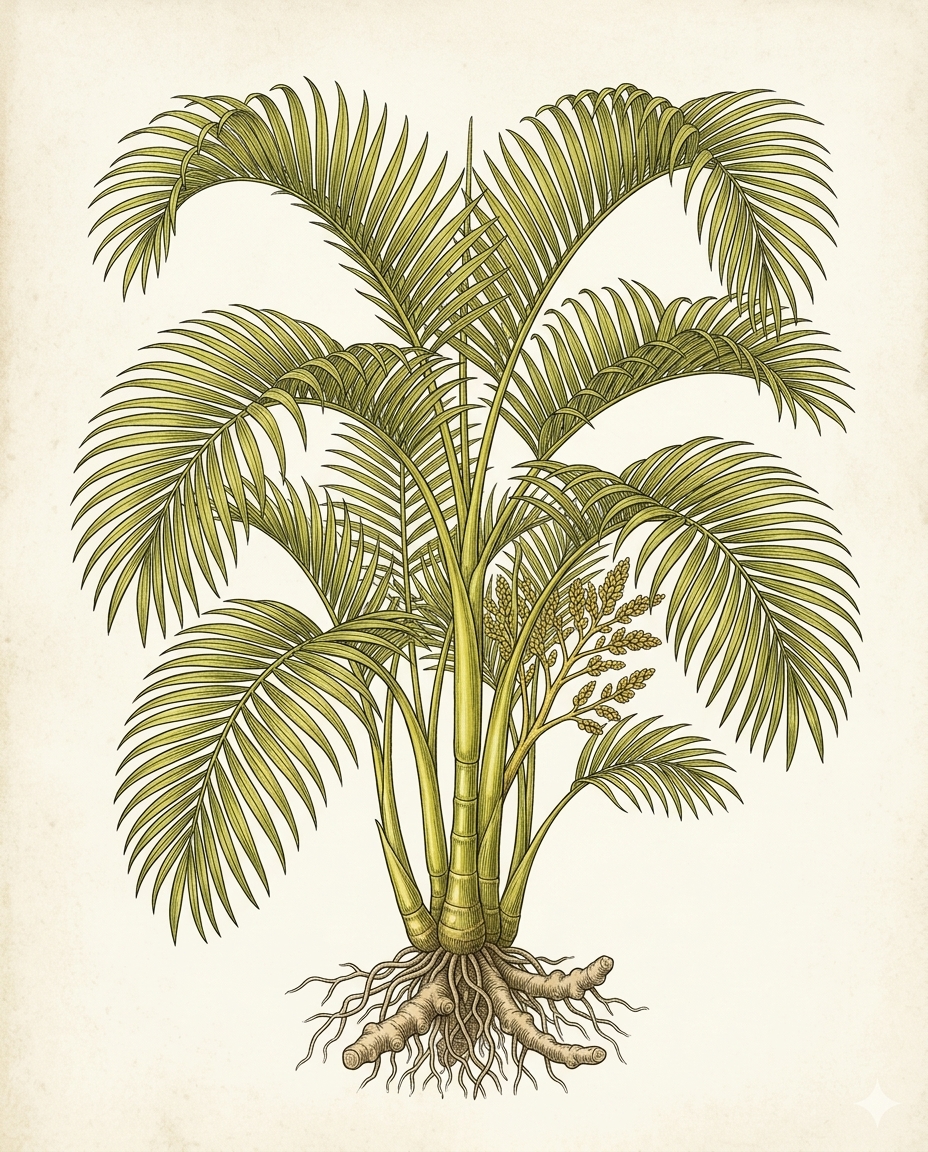
Areca Palm
Full, feathery, and forgiving — a cat-safe statement plant for a bright room.
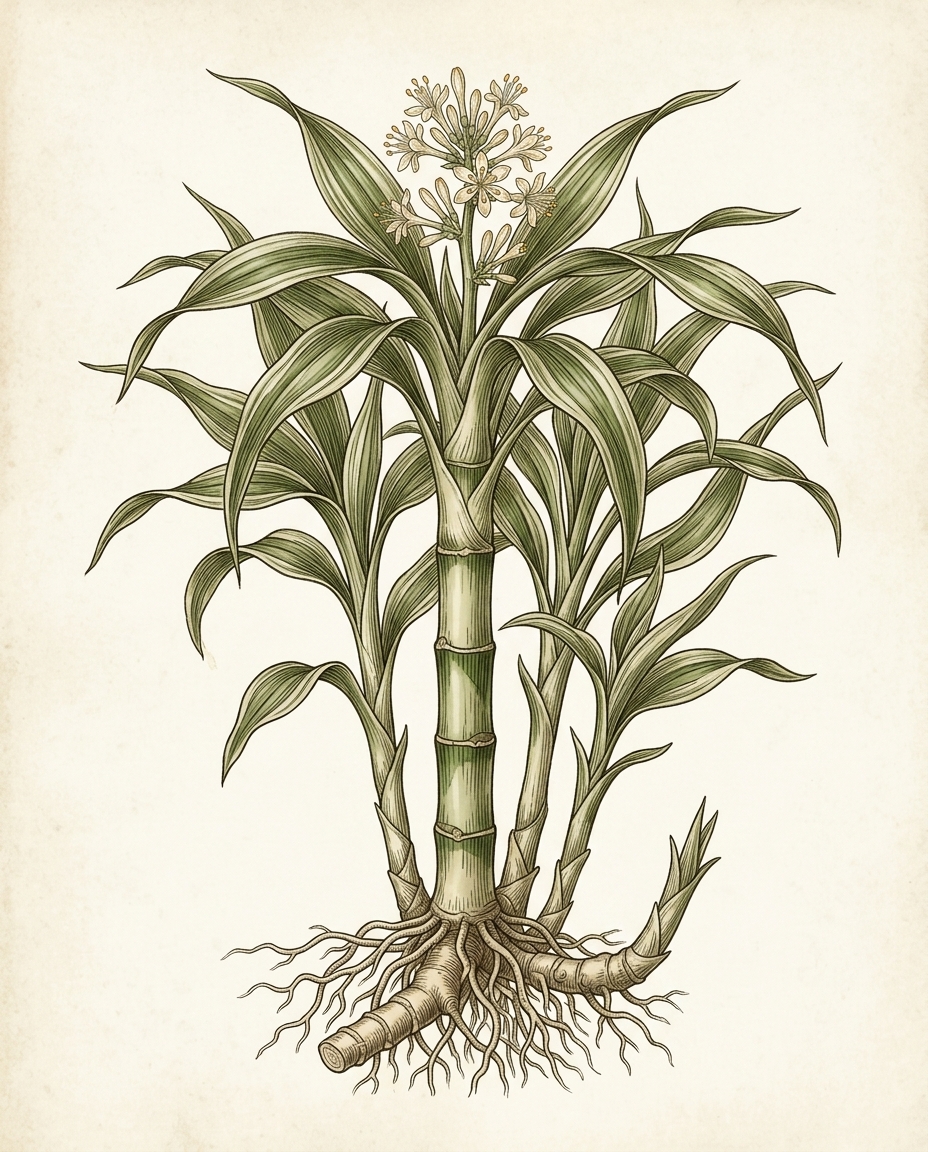
Bamboo
Slim, upright greenery for height in a corner, ASPCA non-toxic to cats.
What it does to a cat.
Yes — ficus is toxic to cats. The ASPCA lists the fig (Ficus benjamina, the weeping fig) as toxic, and the same applies across the genus. The hazard is the milky latex sap, which irritates the mouth and digestive tract on chewing and can redden skin on contact.
Weeping figs add a particular complication: they drop leaves at the slightest change in light, draught, or watering. Those shed leaves land at floor level, putting toxic foliage exactly where a curious cat will find it. Sweeping up promptly is half the battle.
The whole genus counts
If a plant is a Ficus, treat it as toxic. That includes the rubber plant (Ficus elastica) and the fiddle-leaf fig (Ficus lyrata) as well as the classic weeping fig. All share the same irritant sap.
Safe swaps
For an indoor tree of similar height and softness, a parlor palm or areca palm is a forgiving, cat-safe choice, and bamboo gives slim upright greenery for a corner — all ASPCA non-toxic.
What we have actually seen.
Oral & GI irritation
The latex sap irritates the mouth and stomach when chewed — drooling, vomiting, and reduced appetite.
Contact dermatitis
Sap on skin or paws causes redness and itching; the sticky latex clings to fur and gets groomed off.
Dropped-leaf access
Weeping figs shed leaves readily, leaving toxic foliage exactly where a cat can reach it.
Pawing & lip-licking
The immediate sting usually deters further chewing within seconds.
- ASPCA Animal Poison Control Center. Toxic and Non-Toxic Plants: Fig (Ficus benjamina).Accessed May 2026 · aspca.org
- Pet Poison Helpline. Fig / Ficus species.Reference list · 2024 ed.