Coleus
Plectranthus scutellarioides
Coleus is toxic to cats per the ASPCA. The essential oils in the brightly coloured foliage cause vomiting, diarrhea, and depression. The same genus listing covers Spanish Thyme — also toxic.
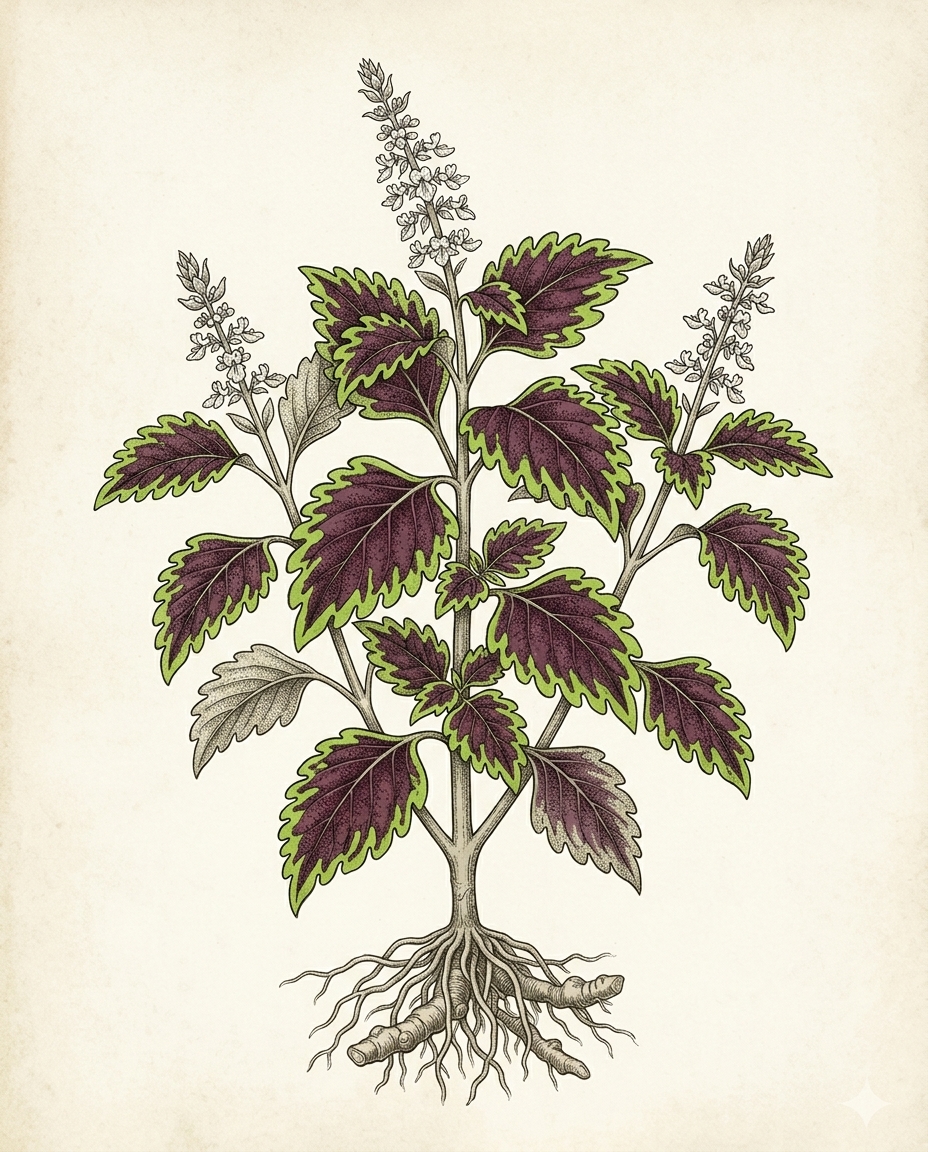
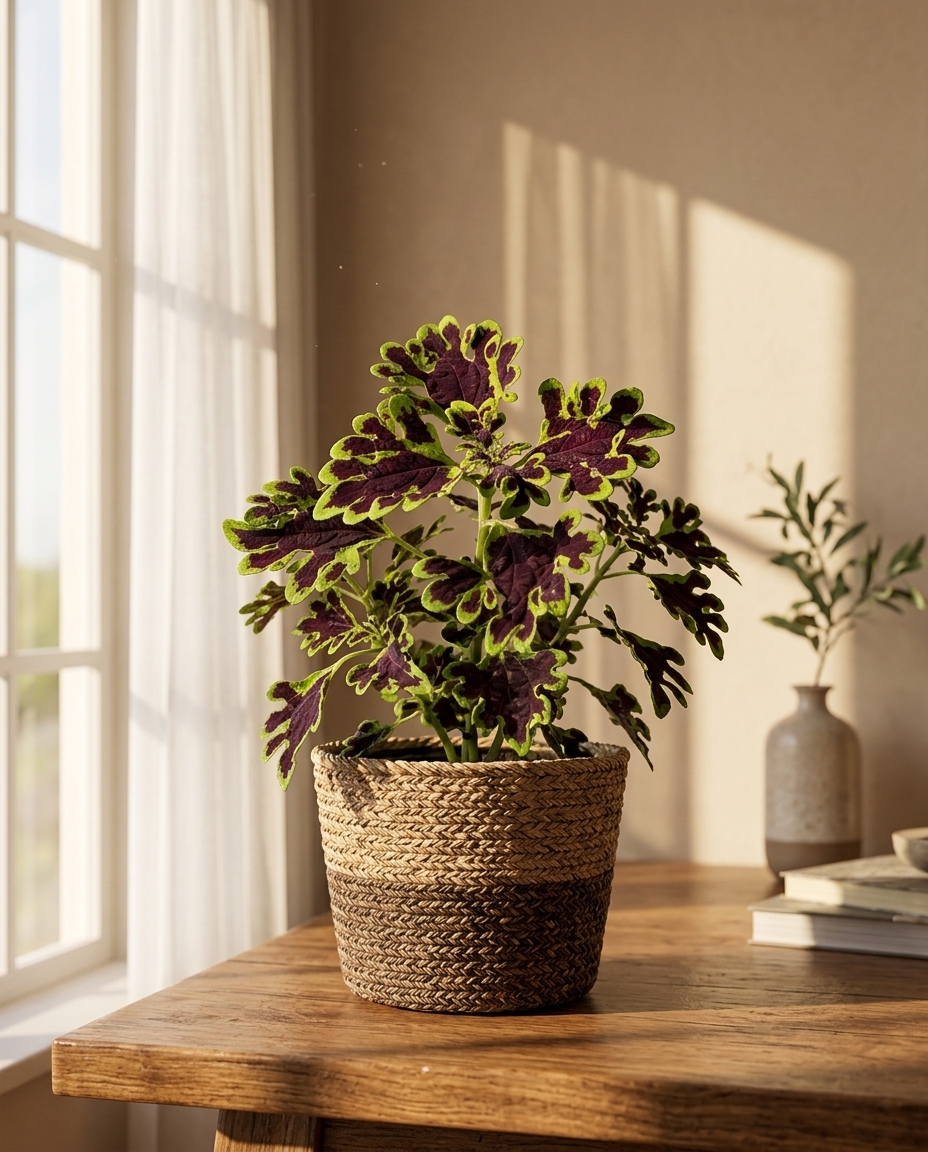
Plate IPlectranthus scutellarioides — once classified as Coleus blumei. The bedding and houseplant coleus with the painter's-palette foliage. The ASPCA listing also covers Spanish Thyme, a closely related species in the same genus.
Three plants that look the part, without the risk.
Bright variegated foliage without the essential oils — these three give the same painter's-palette look without irritating the cat.
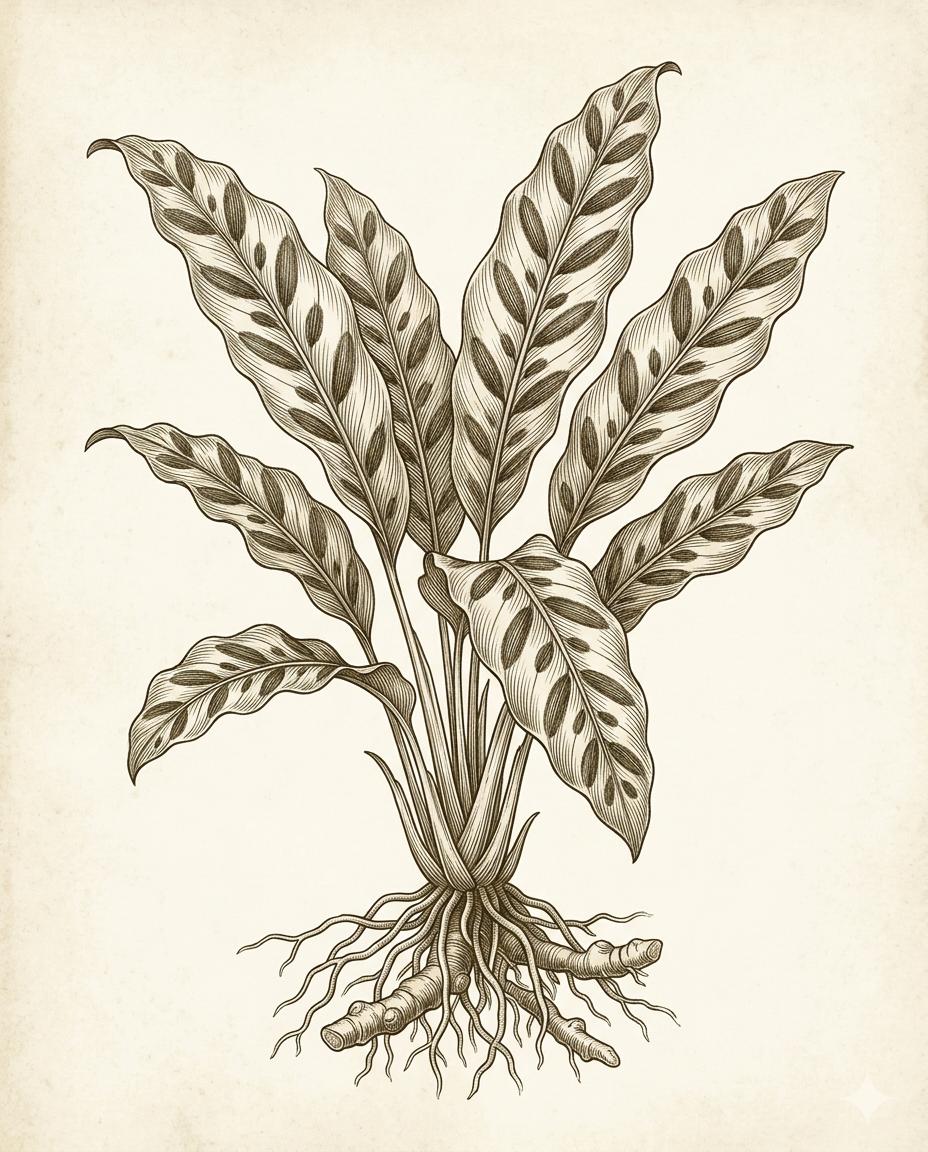
Calathea
The closest match for patterned, colourful foliage. ASPCA non-toxic and tolerates similar light.
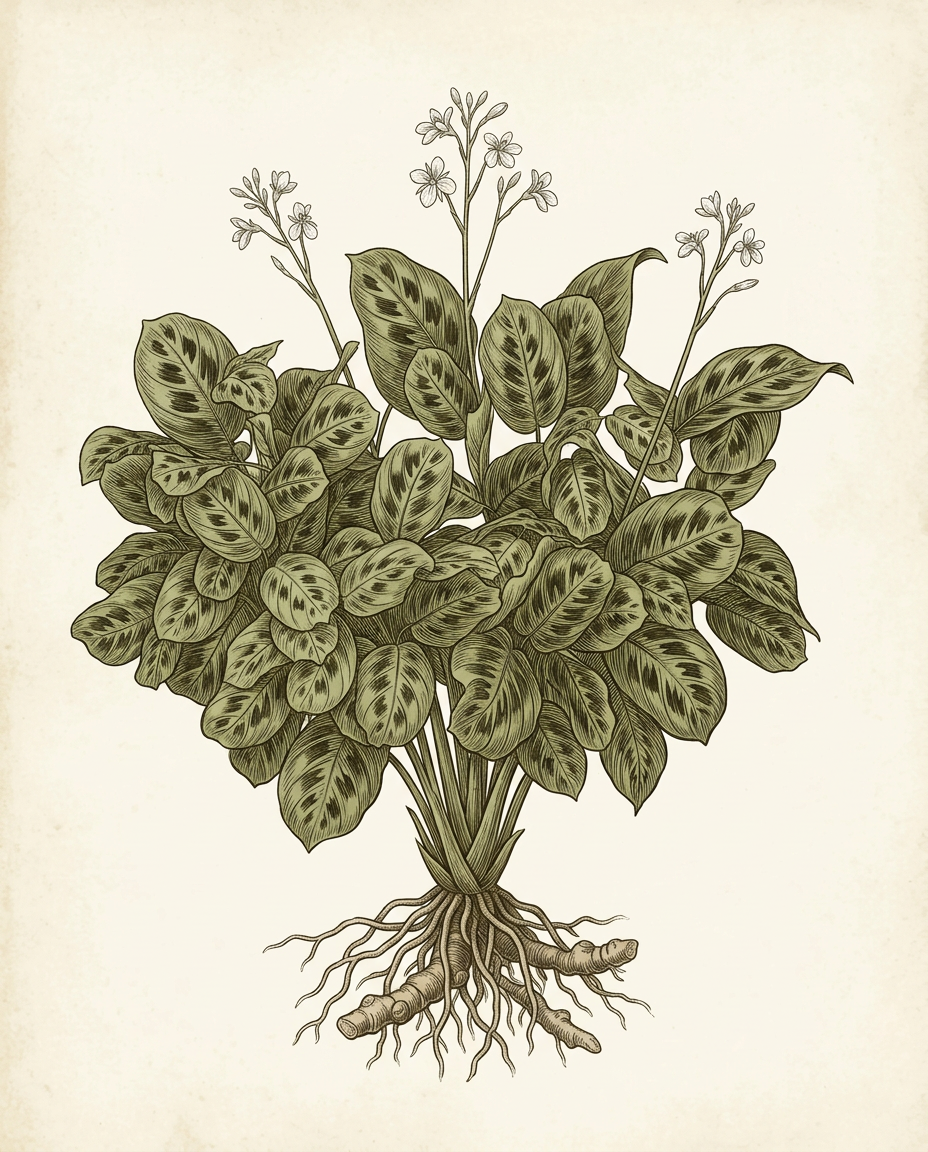
Prayer Plant
Vivid leaf patterns in red, green, and cream. ASPCA non-toxic.
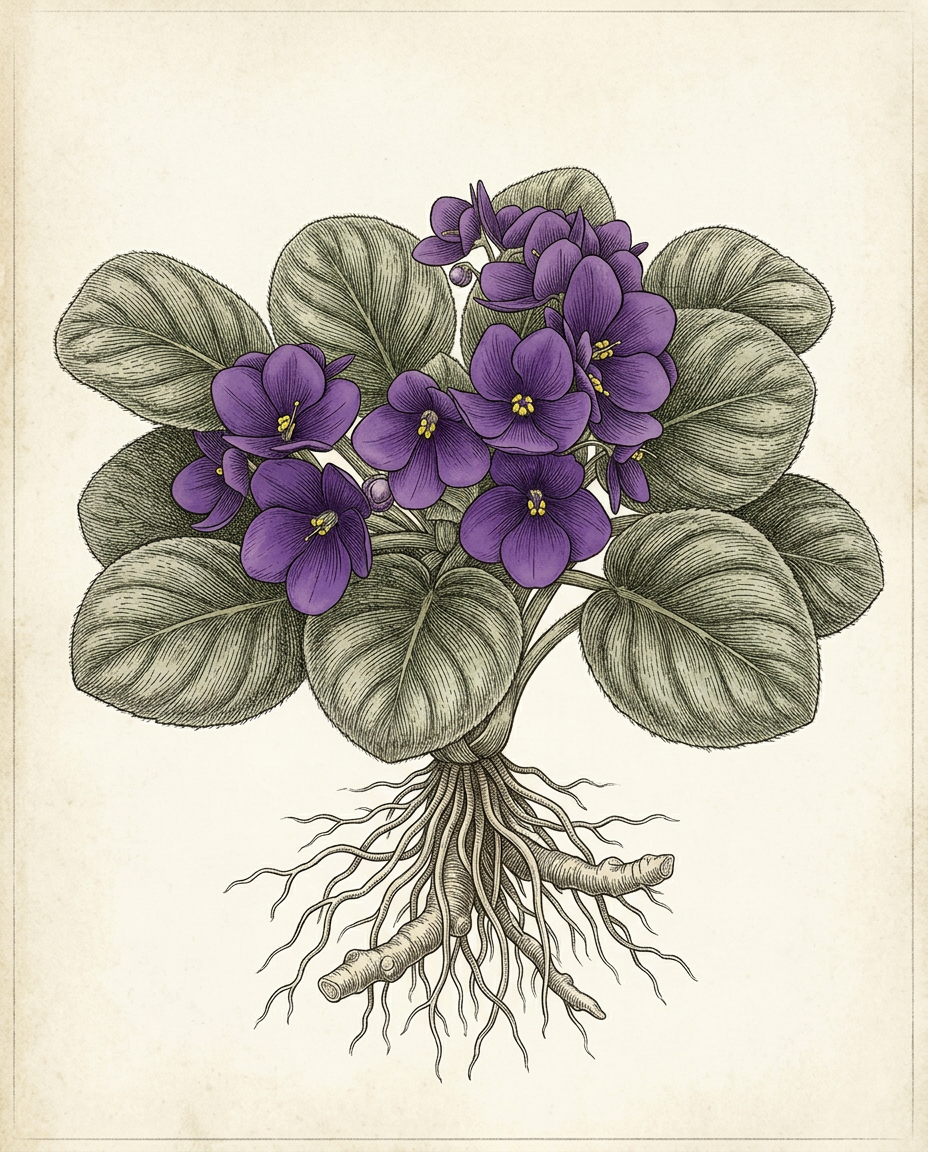
African Violet
Compact colour for the same windowsill role coleus fills. ASPCA non-toxic.
What it does to a cat.
Yes — coleus is toxic to cats. The ASPCA lists the Coleus genus (now classified as Plectranthus) as toxic to cats, dogs, and horses. The toxic principle is essential oils — the aromatic terpenes that give the plant its strong smell when a leaf is crushed. The clinical picture is mostly GI: vomiting, drooling, diarrhea, brief lethargy.
It is mildly toxic on its own. The bigger risk is the essential oils extracted from the genus, which are much more dangerous to cats than the live plant.
One ASPCA entry, two plants worth knowing about
ASPCA's "Coleus" entry uses the scientific name Coleus ampoinicus and lists Spanish Thyme, Indian Borage, and Cuban Oregano among the common names. The painter's-palette houseplant most people picture when they hear "coleus" is Plectranthus scutellarioides — once classified as Coleus blumei, now reassigned to Plectranthus. Spanish Thyme is Plectranthus amboinicus. Both species are in the same genus, share the same essential-oil chemistry, and fall under the same toxic listing.
If you keep an indoor coleus for the bright variegated foliage, or a "Spanish Thyme" for the kitchen, the same warning applies. Our thyme page covers Spanish Thyme specifically.
Why the essential oil matters more than the plant
A cat that chews a leaf gets a sore mouth and an upset stomach for a day. A cat exposed to concentrated coleus or Plectranthus essential oil — through a diffuser, a topical "natural" flea repellent, or aromatherapy products — can develop serious neurological signs. Cats lack the liver enzyme glucuronyl transferase that other mammals use to clear many essential oils, so terpenes accumulate. Weakness, tremors, and liver injury are reported with concentrated essential-oil exposures.
Treat the live coleus as mildly toxic. Treat anything labelled "coleus oil," "Plectranthus oil," or "Indian borage oil" as a much larger problem and keep it out of the house.
What to do if your cat ate coleus
Most cases self-resolve within 24 to 48 hours. Withhold food briefly, then offer water. Check paws and muzzle for redness. Call a vet if vomiting persists, if appetite does not return within a day, or if you saw a substantial amount eaten. ASPCA Animal Poison Control is available 24/7 at (888) 426-4435.
Cat-safe substitutes
For the same vivid patterned-foliage look without the essential oils, calathea and prayer plant are the closest matches — both ASPCA non-toxic. For compact windowsill colour, African violet covers the same role. Our Swedish ivy page covers the other Plectranthus species that is on the ASPCA non-toxic list — a useful counterpoint to coleus and Spanish Thyme.
For the related essential-oil hazard, see our lavender and geranium pages.
What we have actually seen.
Vomiting and drooling
First and most common signs within hours. Essential oils are intensely aromatic; many cats salivate before vomiting.
Diarrhea
Follows vomiting in significant exposures. Usually self-limiting within 24 to 48 hours.
Depression and reduced appetite
Brief lethargy and inappetence are common. Most cats return to baseline within a day or two.
Contact dermatitis
ASPCA lists occasional skin irritation from the sap. Rinse paws if you see redness after the cat brushed against the plant.
- ASPCA Animal Poison Control Center. Toxic and Non-Toxic Plants: Coleus.Accessed June 2026 · aspca.org · Plectranthus spp. · Toxic Principles Essential Oils · listing covers Spanish Thyme variant
- Pet Poison Helpline. Essential oil toxicity in cats.Clinical reference · 2024
- Merck Veterinary Manual. Aromatic plant and essential oil toxicosis in companion animals.Standard small-animal toxicology reference