Sweet
Pea.
Lathyrus odoratus
Yes — sweet peas are safe for cats. The ASPCA lists Lathyrus odoratus as non-toxic to cats and dogs. Many sources wrongly claim sweet pea is toxic. The ASPCA verdict says otherwise.
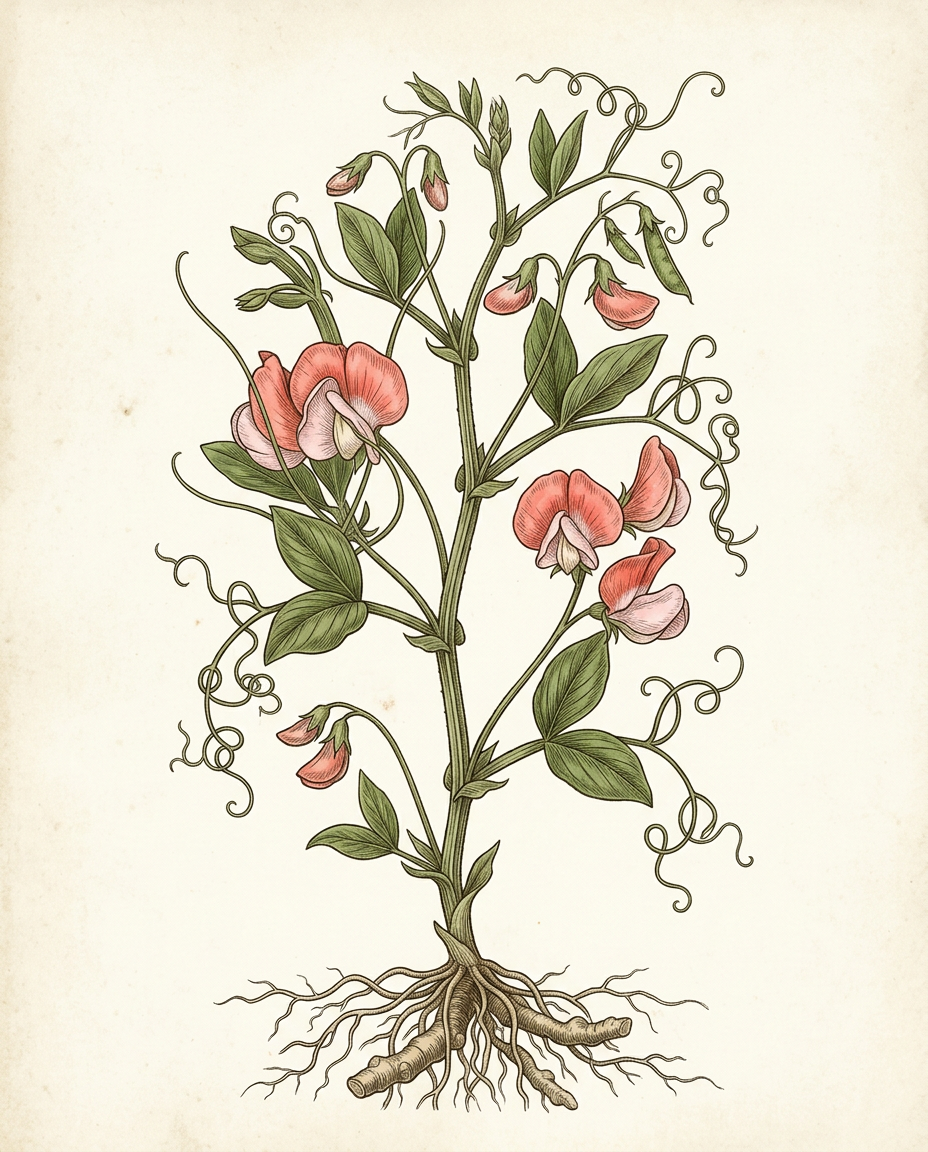
Plate ILathyrus odoratus — the sweet pea. Non-toxic to cats per the ASPCA. Winged stems, paired leaflets with tendrils, and intensely fragrant ruffled flowers in clusters. A correction page — many sources wrongly claim toxic.
What happens if your cat eats it.
Yes — sweet peas are safe for cats. The ASPCA lists Lathyrus odoratus as Non-Toxic to Dogs, Non-Toxic to Cats. This is a correction page: many third-party sources wrongly claim sweet pea is toxic to cats, but the ASPCA — the authoritative source — says otherwise.
The ASPCA page also lists Toxic to Horses as a separate entry. The cat verdict is non-toxic. Read the dual entries carefully: Non-Toxic to Cats is the ruling that matters for cat owners.
Why sweet pea is widely mislabelled
Sweet pea is one of the most commonly misreported plants in the cat-safety space. The confusion has three sources:
- Other Lathyrus species. Some Lathyrus species cause lathyrism — a neurological condition — in livestock that eat large amounts over time. This has been overgeneralised to all sweet peas, but the ASPCA's verdict for Lathyrus odoratus (the ornamental sweet pea) is non-toxic to cats.
- The general pea caution. Garden peas, snow peas, and sweet peas are sometimes grouped together in pet-safety lists with a blanket "caution" label that does not reflect species-specific ASPCA data.
- Copy-paste propagation. Once a website lists sweet pea as toxic, other sites copy the claim without checking the ASPCA. The error spreads faster than the correction.
The ASPCA is the source veterinary poison control centres use. When the ASPCA says non-toxic, that is the verdict.
What happens if a cat eats sweet pea
Nothing toxic. A cat that nibbles a sweet pea leaf or flower may have mild stomach upset from the fibre — the same response any cat has to eating plant material. There is no poison in the plant per the ASPCA listing.
If your sweet peas are cut flowers from a florist, the more realistic risk is pesticide residue on the petals, not the plant itself. Cut flowers are often treated with preservatives and pesticides that are not part of the plant's natural chemistry. If you have a chewing cat, rinse cut sweet peas before putting them in a vase.
Sweet pea in the garden
Sweet peas are climbing annuals that need full sun, rich soil, consistent moisture, and a trellis to climb. They are one of the most fragrant cut flowers you can grow — the scent fills a room. Plant seeds in early spring for summer blooms.
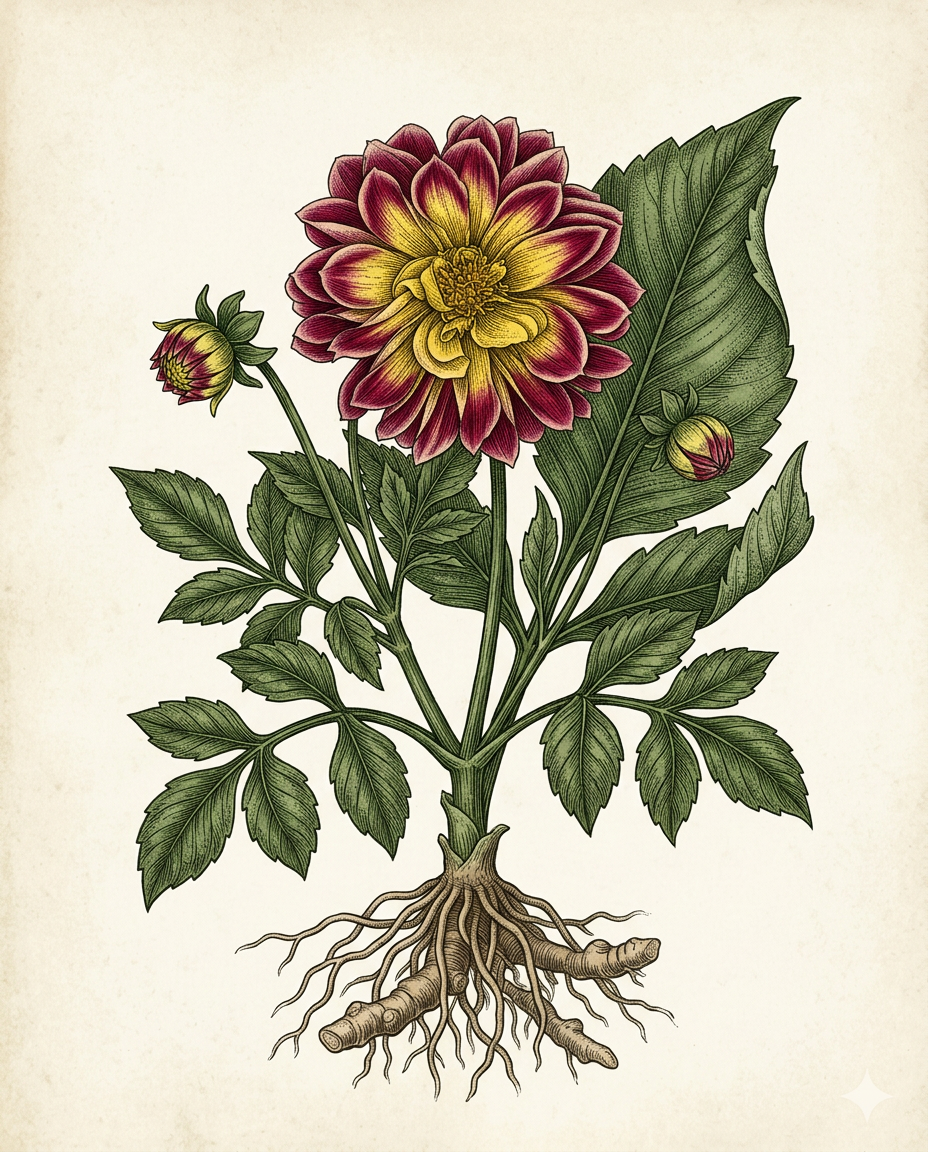
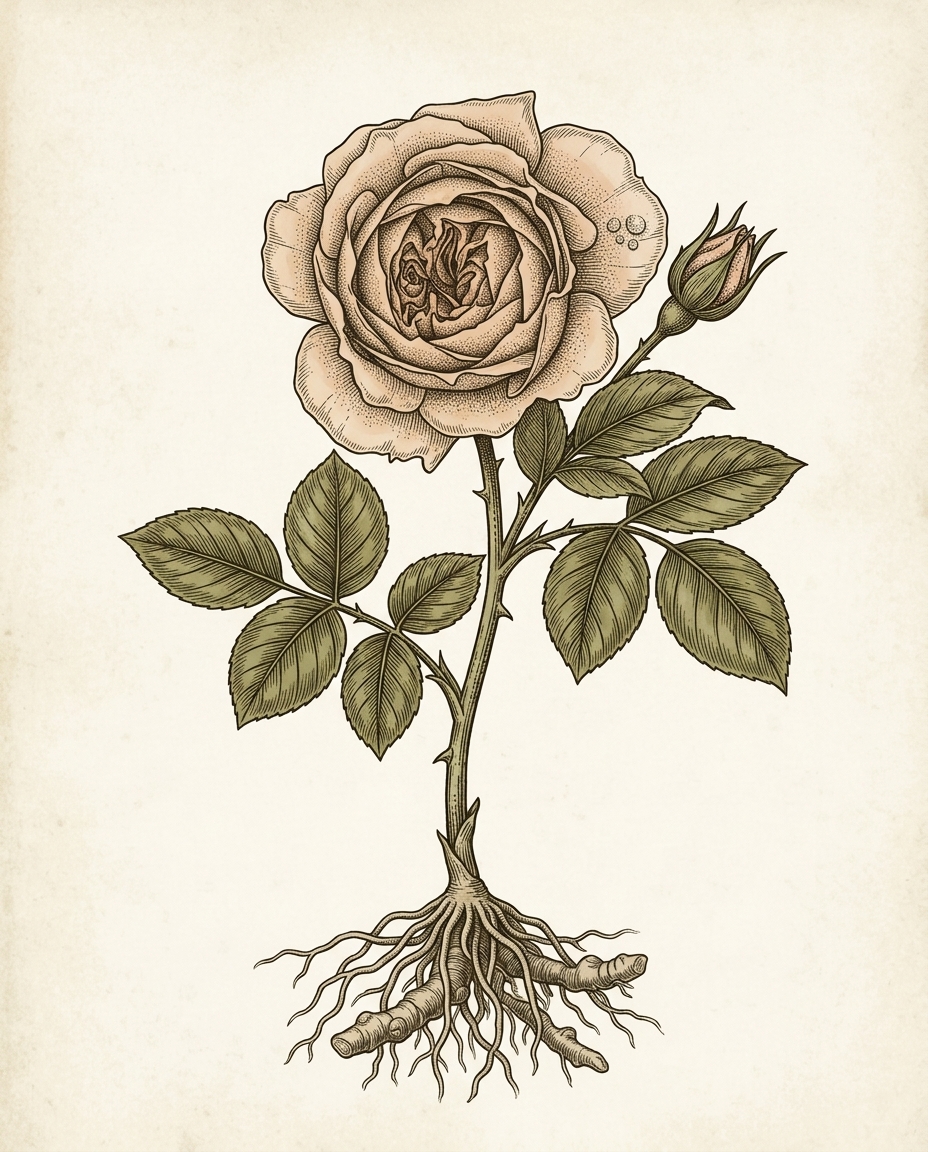
For a cat-safe cut-flower garden, sweet peas pair well with roses, peonies, and dahlias — all ASPCA-listed non-toxic to cats. The one cut flower to avoid is the carnation, which the ASPCA lists as toxic (mild irritant) despite being the most common supermarket bouquet filler.
The bottom line
Sweet pea (Lathyrus odoratus) is non-toxic to cats per the ASPCA. The widespread "toxic" label is wrong — it is based on overgeneralisation from other Lathyrus species and copy-paste propagation. Trust the ASPCA verdict, not the third-party summaries.
What we have actually seen.
No toxicity to cats
The ASPCA lists Lathyrus odoratus as non-toxic to cats and dogs. The flowers, leaves, and stems contain nothing poisonous to cats. This is a correction page — many third-party sources wrongly claim sweet pea is toxic.
Widely mislabelled as toxic
Many gardening and pet-safety websites list sweet pea as toxic to cats. The confusion likely stems from other Lathyrus species (some are toxic to livestock at high doses) and from the general caution applied to all peas. The ASPCA verdict for Lathyrus odoratus is non-toxic.
Mild stomach upset from fibre
A cat that chews on sweet pea foliage may have mild GI upset from the fibre — the same response any cat has to eating plant material. This is not a toxic reaction.
Perennial pea note
The ASPCA page also lists Perennial Pea (Everlasting Pea) as a related entry. Perennial pea (Lathyrus latifolius) is a different species but shares the same genus. Always check the specific ASPCA entry for each species.
Four common varieties.
Spencer Series (exhibition sweet pea)
The classic floristry sweet pea — large ruffled flowers on long stems, bred for show. Same non-toxic status.
Old Spice Mix (heirloom fragrance)
An heirloom mix selected for intense fragrance rather than flower size. Same Lathyrus odoratus species.
Mammoth Series (early flowering)
An early-flowering series for greenhouse or mild-winter production. Same non-toxic profile.
Keeping the plant alive.
Full sun
Sweet peas need full sun — at least six hours of direct light — for the best flower production and fragrance.
Consistent moisture
Keep soil consistently moist but not waterlogged. Sweet peas have shallow roots and wilt quickly in dry conditions. Mulch helps retain moisture.
Rich, well-drained
Sweet peas thrive in rich, well-drained soil with plenty of organic matter. Work compost into the bed before planting.
Trellis or support
Sweet peas are climbing vines that need a trellis, netting, or strings to climb. Plant near a support structure and tie in young stems until tendrils take hold.
- ASPCA Animal Poison Control Center. Toxic and Non-Toxic Plants: Sweet Pea.Accessed June 2026 · aspca.org · Lathyrus odoratus · Non-Toxic to Dogs, Non-Toxic to Cats
If you liked this, also safe.