Carnation
Dianthus caryophyllus
Carnations are toxic to cats per the ASPCA — mild irritant only, not deadly. The most common florist filler is a low-grade GI problem that catches owners off guard.
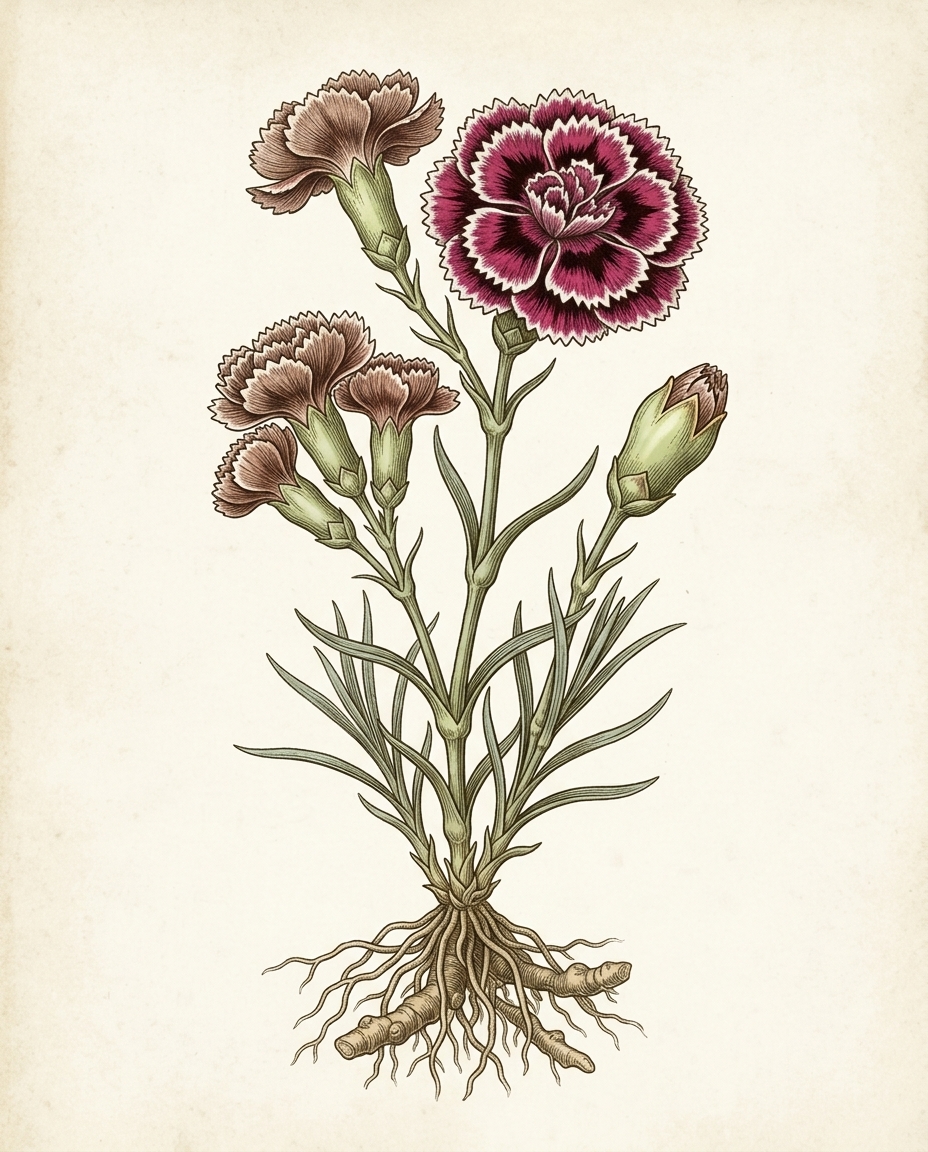
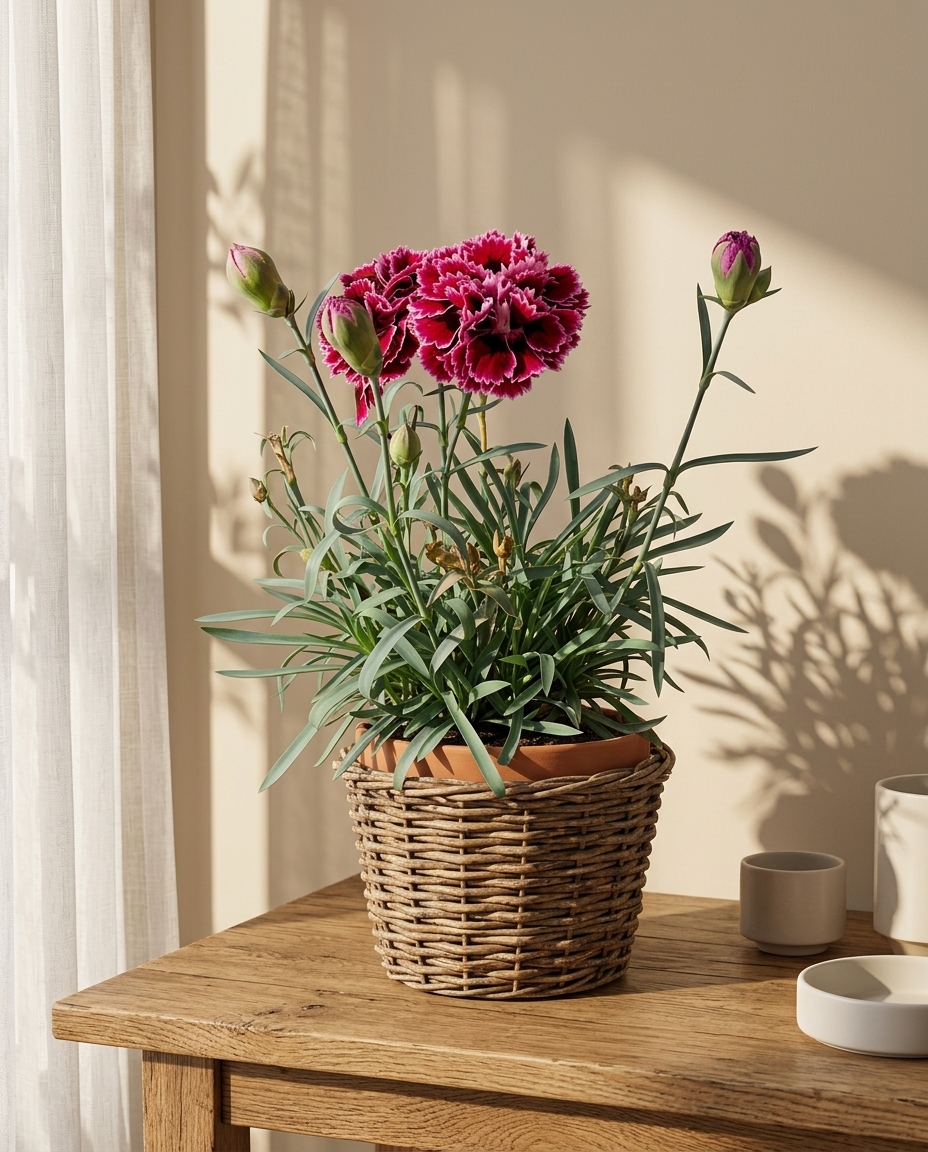
Plate IDianthus caryophyllus — the florist carnation. Fringed double flower head on a long stiff stem; narrow blue-grey leaves in opposite pairs. ASPCA toxic — mild irritant.
Three plants that look the part, without the risk.
Same ruffled-petal florist look without the irritant chemistry — these cut flowers cover the same bouquet role and carry an ASPCA non-toxic verdict.
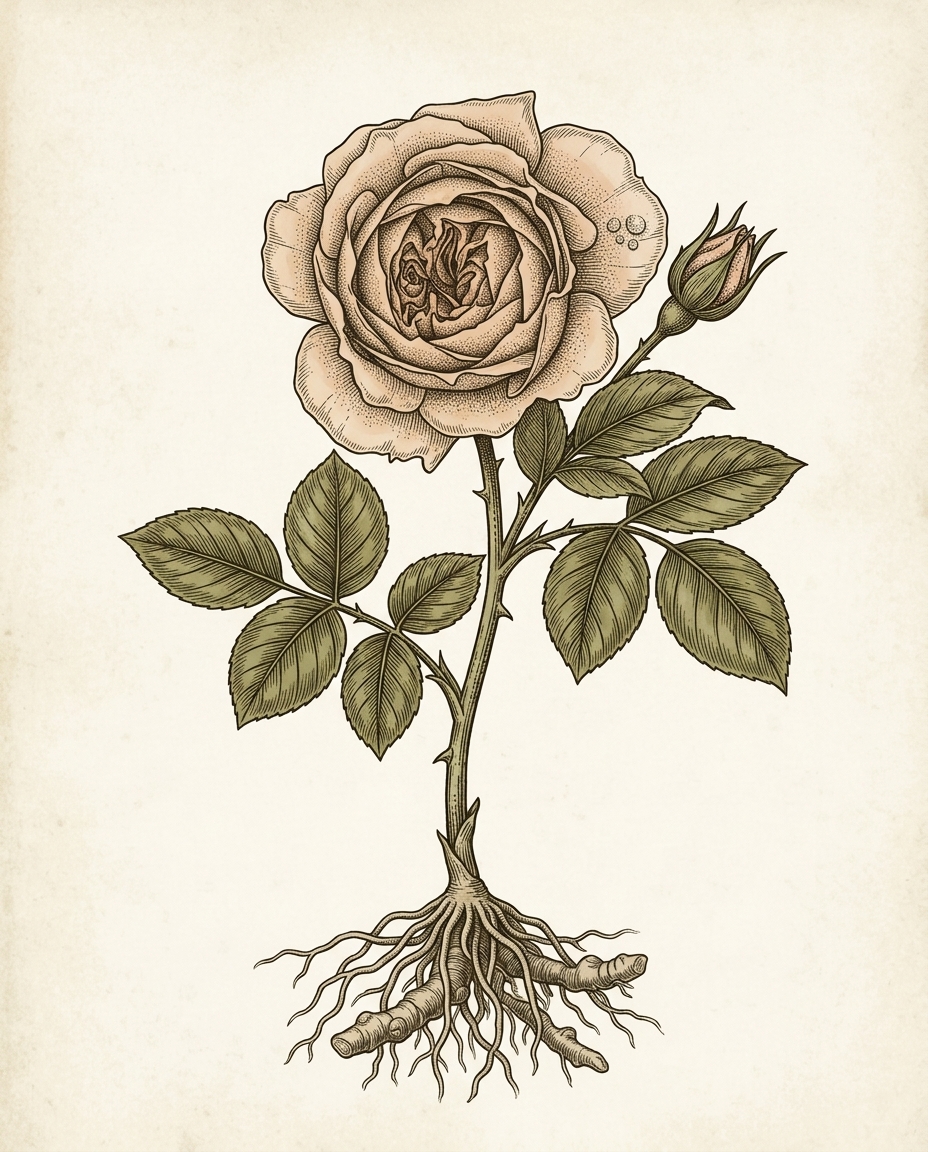
Rose
For ruffled-double-flower bouquet impact, roses are the ASPCA-safe alternative. Wider colour range, longer vase life.
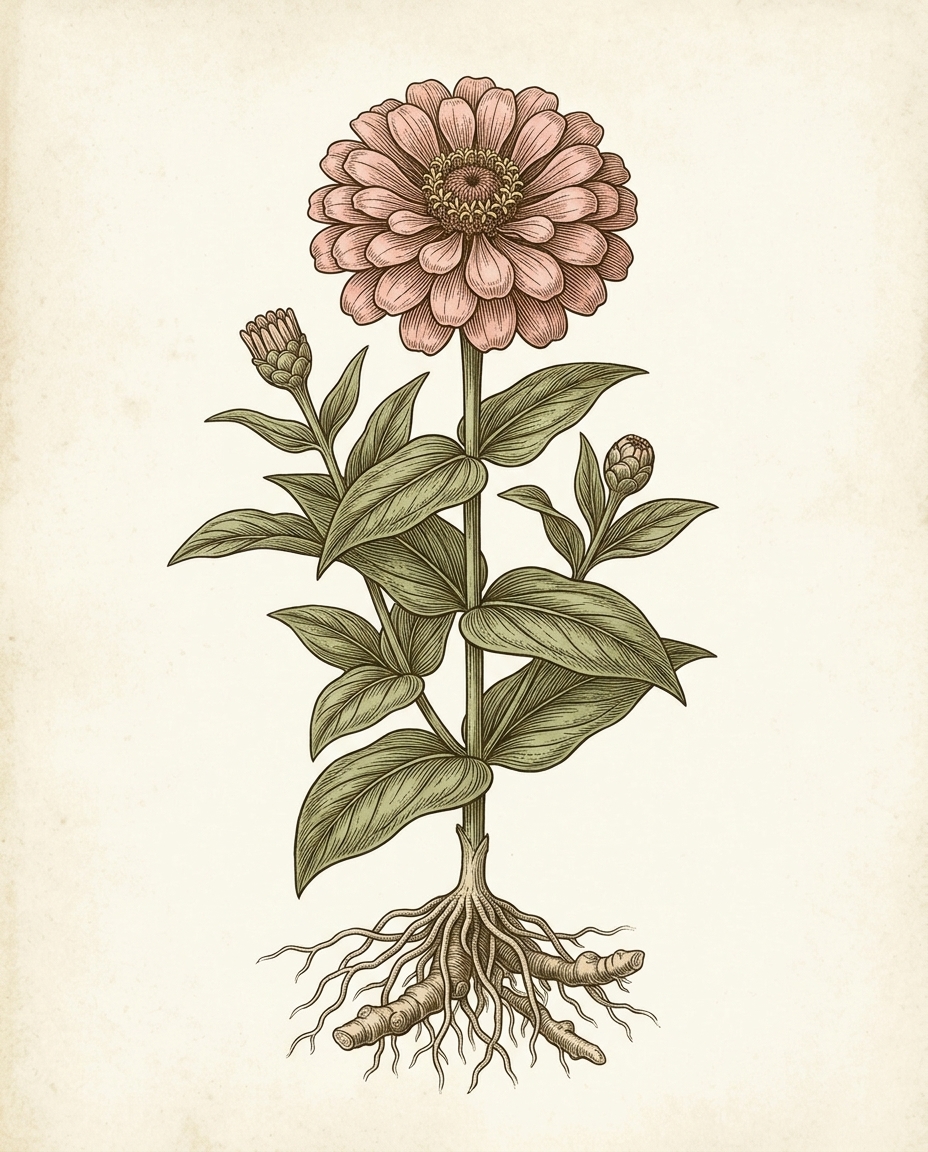
Zinnia
For fringed petal forms and intense colour, zinnia cultivars (Benary's Giant, State Fair) deliver the same visual at ASPCA non-toxic.
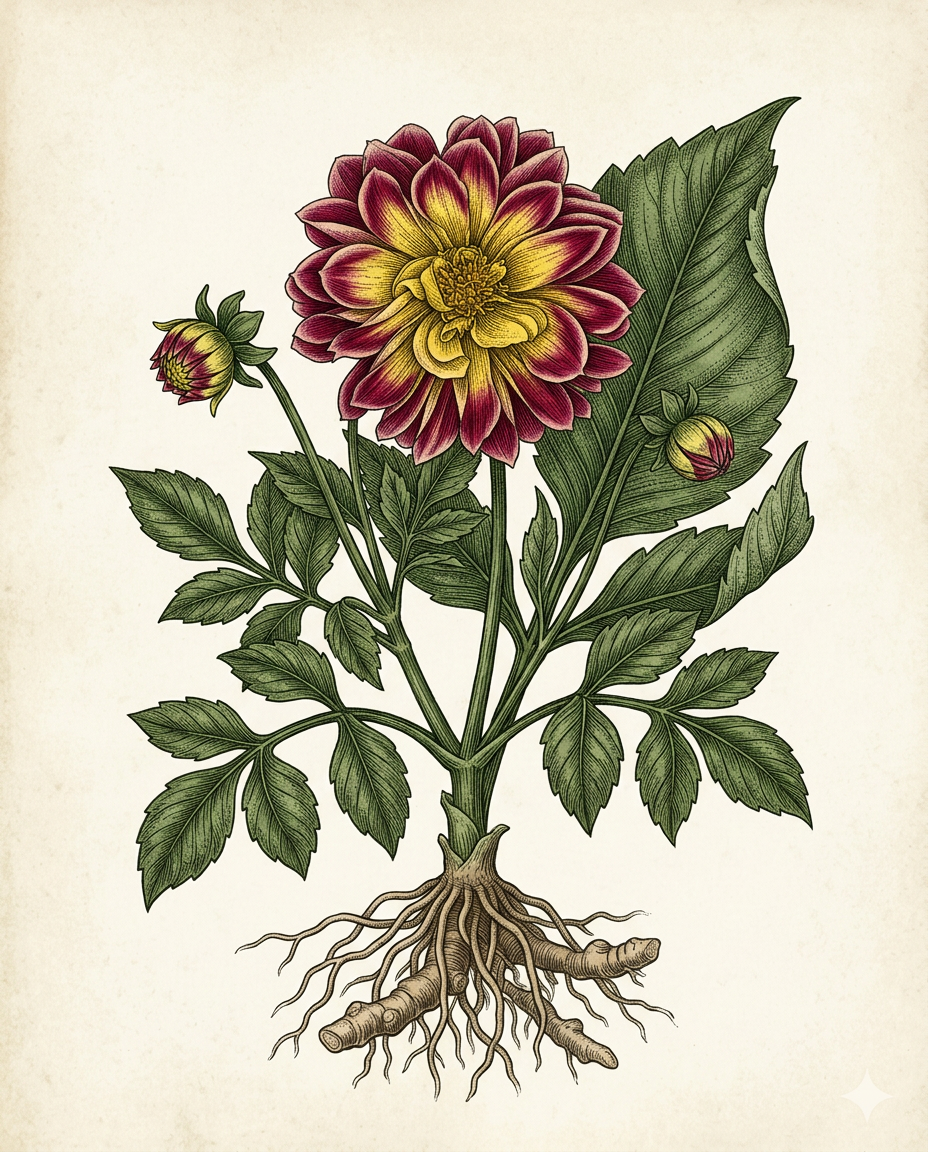
Dahlia
For double-flower formal arrangements, decorative dahlias replace carnations with bigger blooms and ASPCA-safe chemistry.
What it does to a cat.
Carnations are toxic to cats — but only mildly. The ASPCA lists Dianthus caryophyllus as toxic to cats, dogs, and horses with an "unknown irritant" as the toxic principle. Clinical signs are mild GI upset and occasional mild dermatitis — not the deadly-emergency category that lilies, wisteria, or oleander occupy.
The ASPCA's verdict, verbatim: Additional Common Names: Pinks, Wild Carnation, Sweet William · Scientific Name: Dianthus caryophyllus · Family: Caryophyllaceae · Toxicity: Toxic to Dogs, Toxic to Cats, Toxic to Horses · Toxic Principles: Unknown irritant · Clinical Signs: Mild dermatitis and mild gastrointestinal signs.
Calibrated risk: not deadly, still worth swapping
Carnation is one of those plants where the ASPCA "toxic" label sets the wrong expectation if you don't read the details. The clinical reality is mild GI — vomiting, possibly diarrhea, resolving in a day. No renal failure (that's lilies). No cardiac arrest (that's lily-of-the-valley, foxglove). No neurological signs (that's morning glory at high seed dose). No oral burning (that's the aroids — caladium, peace lily, pothos).
But mild does not mean nothing. A cat that grazes a carnation stem from a vase will likely throw up that night. Repeat exposures across a year — every supermarket bouquet, every grocery-store grab — adds up to a chronically uncomfortable cat for owners who never connect the dots.
What it does to a cat
- Vomiting (most common): onset 1 to 4 hours after ingestion. Mild GI signs from the unidentified irritant compound.
- Diarrhea: occasional, in moderate-to-larger exposures. Self-limiting.
- Mild dermatitis: rare. Sensitive cats can develop local skin irritation from sap contact.
- Anorexia: cats may refuse food for half a day.
Most cases resolve in 12 to 24 hours without veterinary intervention. If your cat is lethargic for more than a day, can't keep water down, or shows any unusual sign, go to the vet. Call the ASPCA Animal Poison Control Center at 888-426-4435 for guidance.
Sweet William, pinks, and the rest of Dianthus
The ASPCA carnation listing is genus-wide via the "Additional Common Names" field: it covers Sweet William (Dianthus barbatus — the bedding-plant cousin with cluster flowers), pinks (the smaller Dianthus species sold as garden perennials), and wild carnation (the species and naturalised forms). The toxicity profile is consistent across the genus — mild irritant, mild GI.
Why carnations are in every supermarket bouquet anyway
Carnations are cheap, durable, and ship well. A florist carnation has a 7 to 14-day vase life — twice what most cut flowers manage. They take dye for the spray-painted novelty colours. They tolerate temperature swings. They are the unsung workhorse of the grocery-bouquet trade.
The ASPCA toxic label is a real warning for cat households, but the toxicity is too mild to be a crisis. The realistic harm pattern is repeat low-grade exposure — a chewy cat, a vase on the kitchen counter, the same flower every week, the same mild GI upset that never quite reaches the vet.
Cat-safe cut-flower alternatives
For the supermarket-bouquet role specifically:
- Roses — ASPCA non-toxic, the obvious visual upgrade. Single stems are inexpensive; mixed roses cover the same colour range as a carnation bouquet.
- Zinnias — fringed petal forms (the Benary's Giant cultivar especially) read carnation-like at a fraction of the floristry premium. ASPCA non-toxic.
- Dahlias — for larger formal arrangements. Pompon and decorative cultivars cover the carnation role at scale. ASPCA non-toxic.
For the full safe-flower reference, browse the safe-plants list.
What we have actually seen.
Vomiting
Most common sign — mild GI irritation from petal or leaf ingestion. Onset 1–4 hours. Resolves in 12–24 hours.
Diarrhea
Often follows vomiting in moderate exposures. Self-limiting.
Mild dermatitis
Skin contact with sap can cause local irritation in sensitive cats. Uncommon — most contact exposure produces nothing.
Anorexia
Cats may refuse food for half a day after a moderate ingestion.
- ASPCA Animal Poison Control Center. Toxic and Non-Toxic Plants: Carnation.Accessed June 2026 · aspca.org · Dianthus caryophyllus · Toxic Principles: Unknown irritant · Mild dermatitis and mild gastrointestinal signs
- Pet Poison Helpline. Dianthus ingestion in companion animals.Clinical reference · 2024
- Merck Veterinary Manual. Mild plant toxicosis in cats.Standard veterinary toxicology reference