Shamrock
Plant.
Oxalis spp.
Shamrock plant (Oxalis spp., including purple-leaved Oxalis triangularis) is toxic to cats per the ASPCA. Soluble calcium oxalates — not the local irritant raphides of pothos — so the risk includes tremors and rare kidney effects.
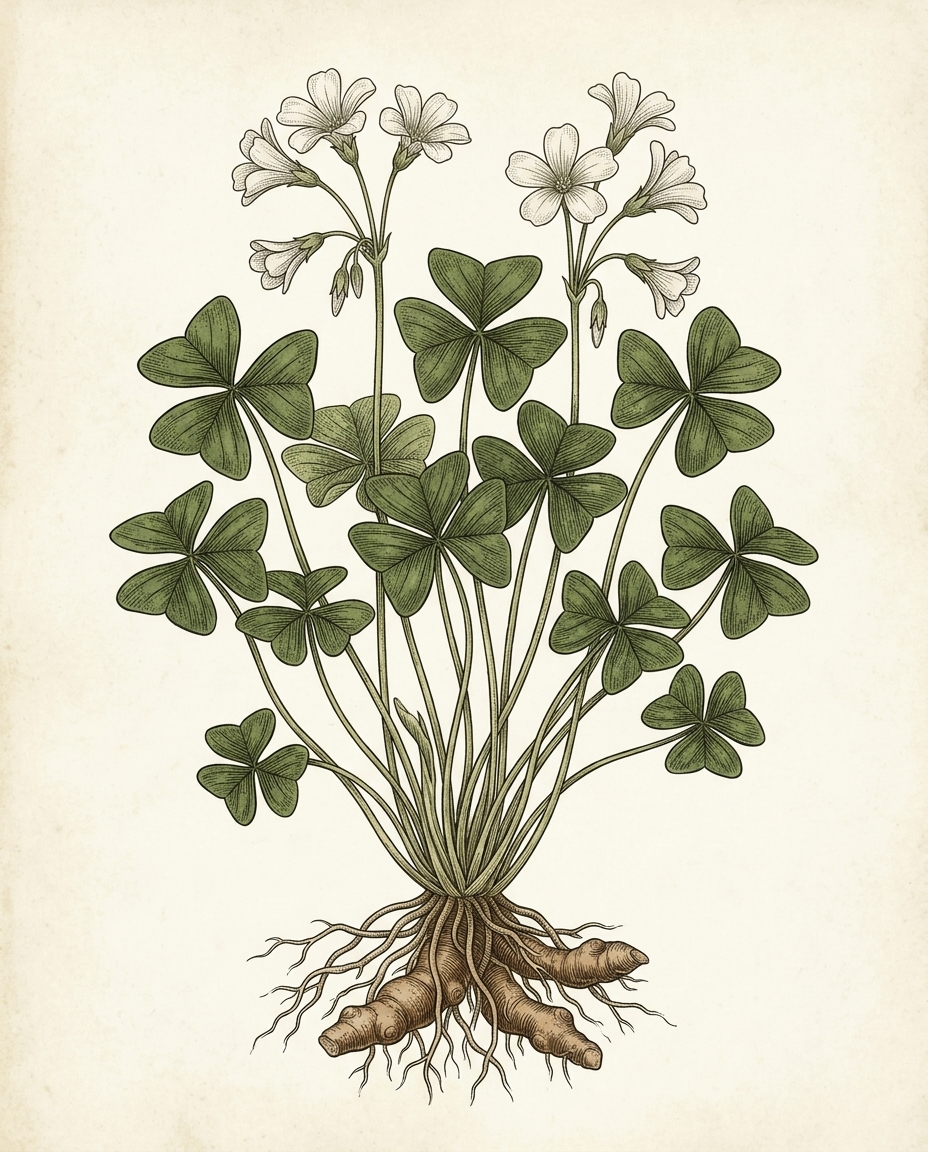
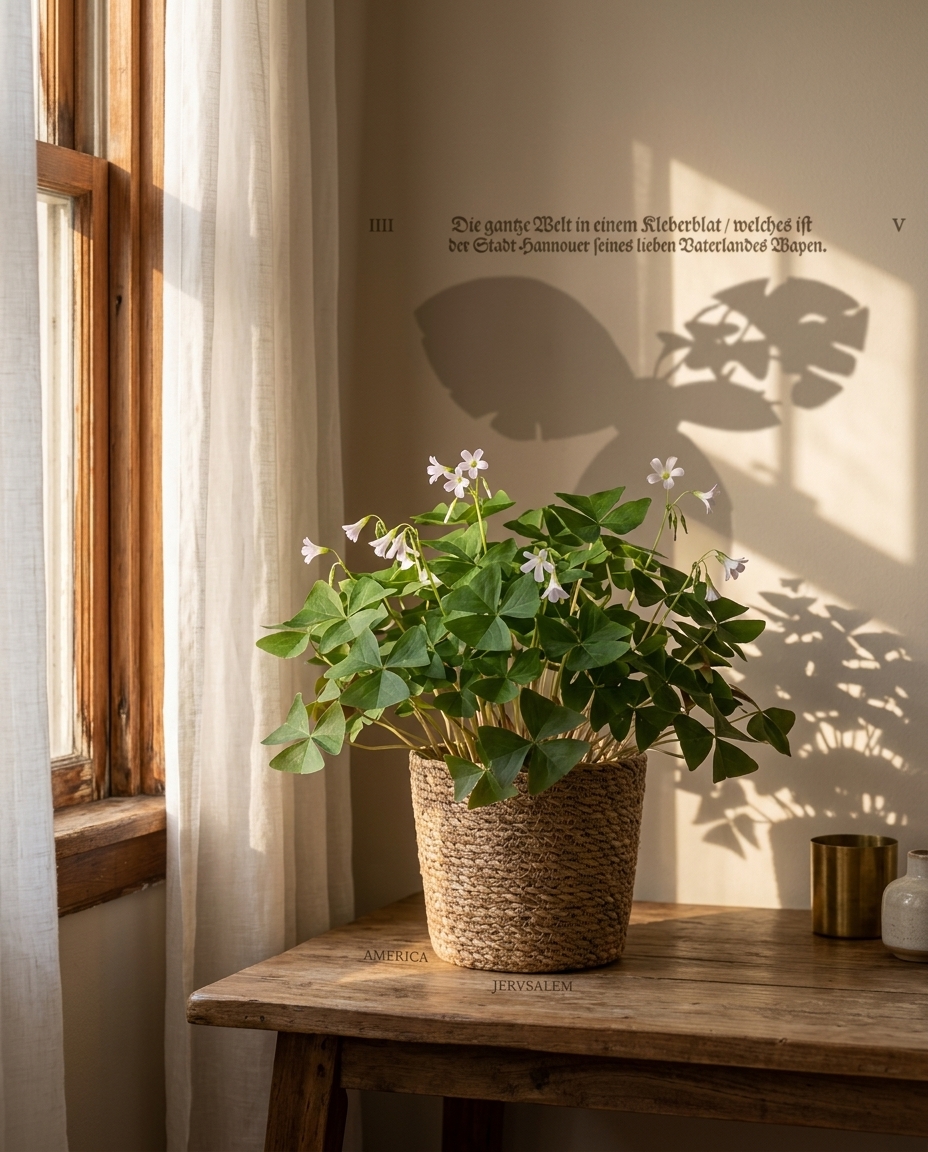
Plate IOxalis triangularis — purple shamrock / good luck plant. Three triangular purple leaves on slender stems above a small bulb, with delicate pale pink-white five-petalled flowers. ASPCA toxic — soluble calcium oxalates.
Three plants that look the part, without the risk.
Same compact-houseplant / decorative-purple-leaf aesthetic without the oxalate chemistry — these ASPCA-safe substitutes give shamrock plant's look at the same scale.
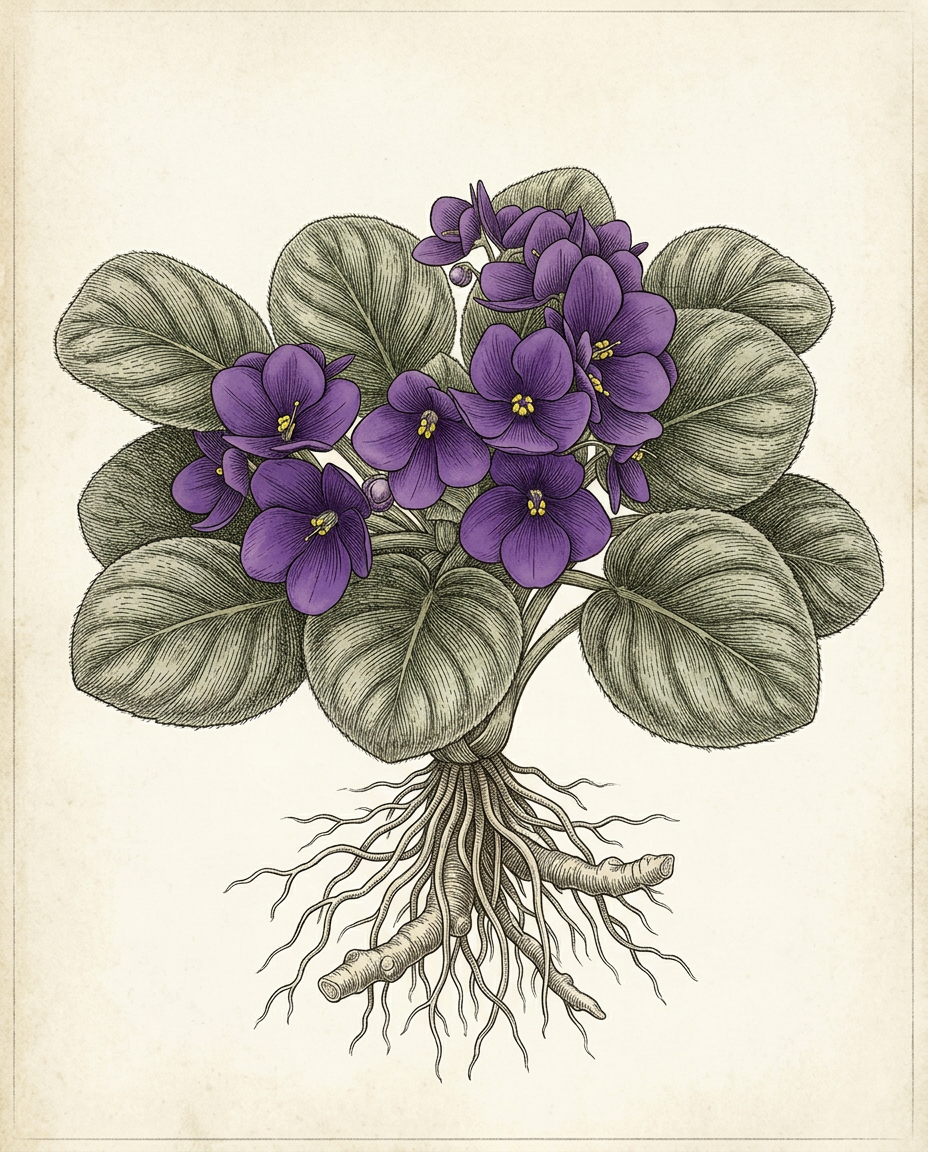
African violet
For a small flowering windowsill plant at ASPCA non-toxic. Different leaf and flower shape, similar pot scale.
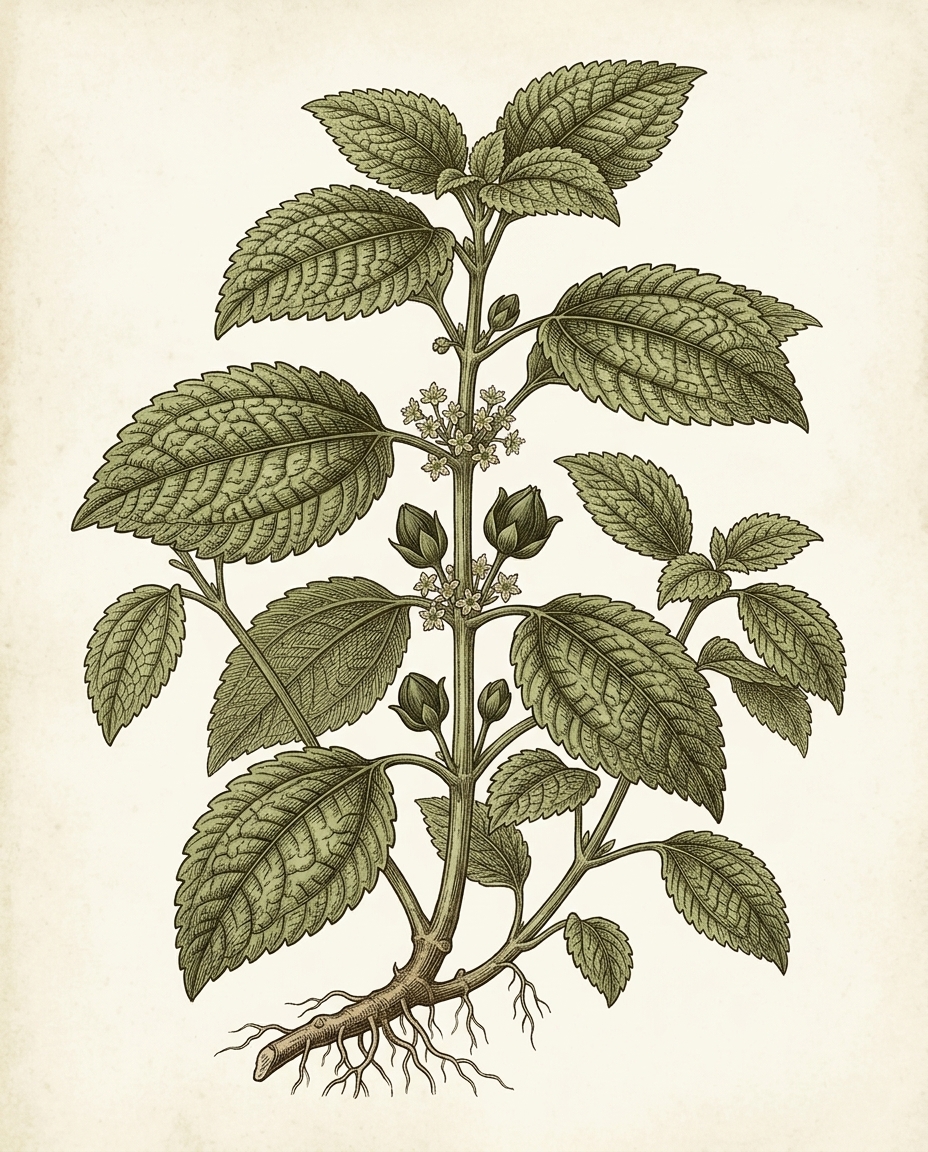
Friendship plant
For an attractive small foliage plant at ASPCA non-toxic. Textured leaves with bronze tones — closest substitute for shamrock's decorative-leaf role.
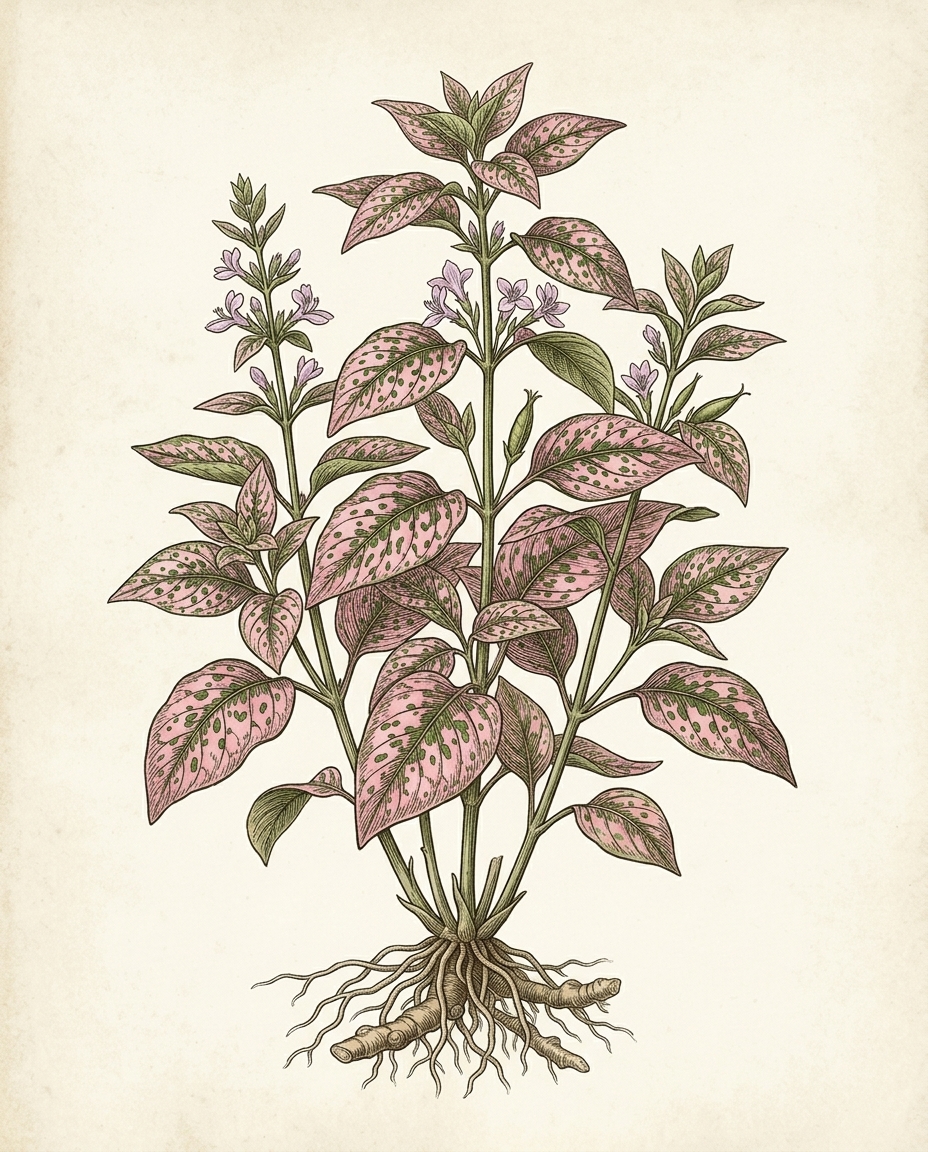
Polka dot plant
For colourful patterned foliage at ASPCA non-toxic. Pink-spotted leaves give the same colourful-houseplant statement as purple shamrock.
Why shamrock plant is a different oxalate risk than pothos.
Yes — shamrock plant is toxic to cats per the ASPCA. The ASPCA lists Oxalis spp. (shamrock plant, good luck plant, sorrel) as toxic to cats, dogs, and horses. The toxic principle is soluble calcium oxalates.
The ASPCA verdict, verbatim: Toxicity: Toxic to Dogs, Toxic to Cats, Toxic to Horses · Toxic Principles: Soluble calcium oxalates · Clinical Signs: Kidney failure (rare in dogs/cats), tremors, salivation.
Soluble vs insoluble oxalates — the important distinction
This is the technical point that separates shamrock plant from the much more familiar pothos-class houseplant toxics. Both involve "calcium oxalates" but the chemistry and the mechanism are different:
-
Insoluble calcium oxalates (the Araceae mechanism — pothos, monstera, philodendron, peace lily, alocasia). The oxalates are locked inside specialised cells as needle-shaped crystal bundles (raphides). When the plant is chewed, the crystals eject mechanically into mouth tissue, producing immediate burning pain and swelling. The injury is local — at the site of contact — and rarely systemic.
-
Soluble calcium oxalates (the Oxalis mechanism — shamrock plant, and many livestock-relevant plants like halogeton and rhubarb leaves). The oxalates are dissolved in the plant sap rather than crystallised. When ingested they can be absorbed into the bloodstream, where they bind serum calcium (producing hypocalcemia and tremors) and at very high doses can precipitate as calcium oxalate crystals in renal tubules, producing kidney injury.
The clinical relevance for cats: shamrock plant has a small systemic-risk window that pothos doesn't. The ASPCA-listed tremors come from the systemic calcium binding, not from local mouth irritation. The "rare kidney failure" note reflects the high-dose mechanism.
Most household exposures stay in the mild range — drooling and minor GI upset. But the mechanism is different enough that it's worth knowing.
The cultivars all share the same chemistry
Shamrock plant covers the whole Oxalis genus, and the cultivars are interchangeable for cat-safety:
- Purple shamrock (Oxalis triangularis) — the most popular houseplant cultivar. Three triangular purple leaves on slender stems above a small bulb-like rhizome. Sold heavily around St. Patrick's Day.
- Green shamrock / wood sorrel (Oxalis acetosella) — common woodland and garden weed in temperate regions.
- Yellow wood sorrel (Oxalis corniculata) — the ubiquitous yellow-flowered lawn weed in many gardens.
- Iron cross plant (Oxalis tetraphylla) — four-leaved cultivar, distinctive maroon-and-green leaf pattern. Same chemistry.
- Various ornamental Oxalis sold as "good luck plants" or under cultivar names — all toxic, all Oxalis.
If the label says Oxalis or the plant has the distinctive trifoliate (three-leaved) shamrock shape with the small clover-like flowers, treat it as toxic.
The St. Patrick's Day houseplant problem
Purple shamrock (Oxalis triangularis) gets a huge sales push in late February and early March as the "good luck plant" for St. Patrick's Day. The cultural symbolism — the three-leaved shamrock is associated with St. Patrick and Irish heritage — means many cat households receive one as a gift in March without knowing it's on the toxic list.
Practical move: if you receive one and you have cats, either place it where the cat absolutely cannot reach it (high shelf, closed room), or rehome the plant to a cat-free friend. The leaves are the primary chew risk; the underground rhizome / bulb is also toxic and a determined kitten with access to the pot can dig it up.
What an exposure looks like
A typical shamrock-plant ingestion unfolds across hours:
- Within minutes — drooling, head-shaking, food refusal. The sap's oxalate content irritating the mouth.
- Hours in — possible vomiting, mild diarrhea. Swallowed sap continues to irritate the GI tract.
- At larger doses — tremors, muscle weakness. The systemic calcium-binding effect emerging.
- At very large doses (rare) — kidney signs. The worst-case mechanism that puts shamrock plant a notch above the local-irritant tier.
Most household cases stay at stage 1 or 2. The cats most at risk are those that consume substantial quantities — kittens with access to a pot they can dig up, or a determined chewer with a large plant.
What to do if your cat ate shamrock plant
For a typical chewed-leaf exposure:
- Rinse the mouth with cool water if the cat will tolerate it. Dilutes the oxalate-laden sap.
- Offer water and watch. Most cats recover within hours.
- Watch for tremors over the next 12–24 hours. This is the sign that distinguishes a shamrock exposure from a typical pothos exposure — if you see tremors, head to the vet.
- Call your vet for any meaningful ingestion (multiple leaves, bulb material chewed, or symptoms beyond mild drooling). The ASPCA Animal Poison Control Center at 888-426-4435 ($95 consultation fee) can grade severity.
- Treatment is supportive — IV fluids to support kidneys, calcium gluconate if hypocalcemia develops, anti-emetics for GI signs. Most cats recover fully; the rare cases involve very large ingestions.
For broader cat-safe alternatives in the small-houseplant niche see houseplants safe for cats. For the contrast with the insoluble-oxalate Araceae see pothos, monstera, and alocasia.
What we have actually seen.
Salivation and oral irritation
ASPCA explicitly lists salivation. Soluble oxalates dissolved in plant sap irritate the mouth on contact — drooling and pawing at the face within minutes of chewing.
Tremors
The defining sign that distinguishes shamrock from the pothos-class oxalate plants. Soluble oxalates absorbed into the bloodstream bind calcium and produce hypocalcemia — muscle tremors, weakness, sometimes generalised twitching. Hours after ingestion.
GI signs
Vomiting and diarrhea may follow swallowed sap. Less prominent in the ASPCA listing than for the insoluble-oxalate plants but still expected.
Kidney effects — rare
ASPCA flags 'kidney failure (rare in dogs/cats).' Soluble oxalates precipitate in renal tubules as calcium oxalate crystals at high doses. Rare in companion-animal practice — livestock are the more documented victims — but worth knowing as the worst-case mechanism.
- ASPCA Animal Poison Control Center. Toxic and Non-Toxic Plants: Shamrock Plant.Accessed June 2026 · aspca.org · Oxalis spp. (Good Luck Plant, Sorrel) · Toxic to cats, dogs, horses · Toxic Principles: Soluble calcium oxalates · Clinical Signs: Kidney failure (rare in dogs/cats), tremors, salivation
- Pet Poison Helpline. Soluble vs insoluble calcium oxalate plant toxicoses.Clinical reference · mechanism contrast and supportive care
- Merck Veterinary Manual. Oxalate-containing plants and livestock toxicosis.Standard veterinary toxicology reference (most data is from grazing livestock; cat-specific data is sparse)