Polka Dot
Plant.
Hypoestes phyllostachya
The polka dot plant (Hypoestes phyllostachya) is non-toxic to cats per the ASPCA. The pink-spotted small-pot houseplant is safe; the only expected sign on a chew is mild vomiting or diarrhea.
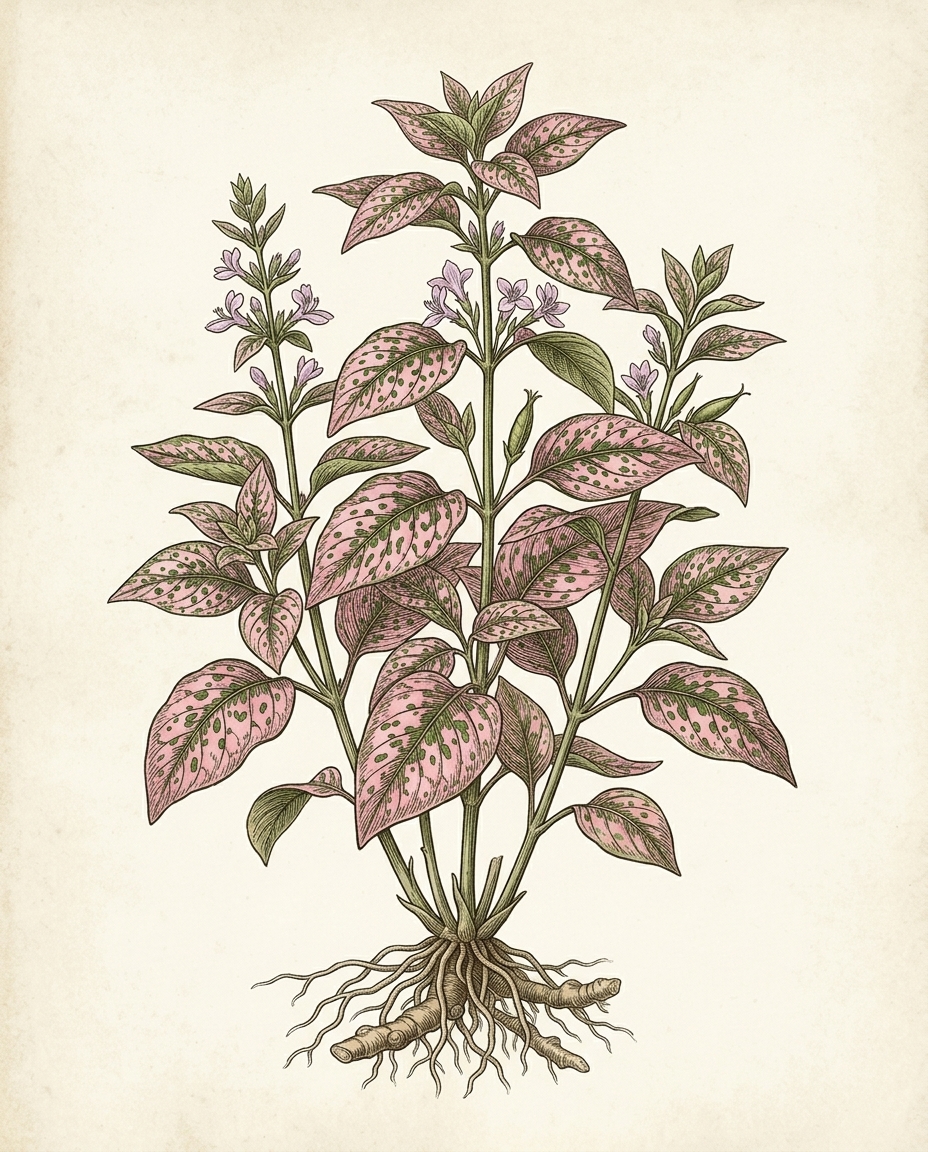
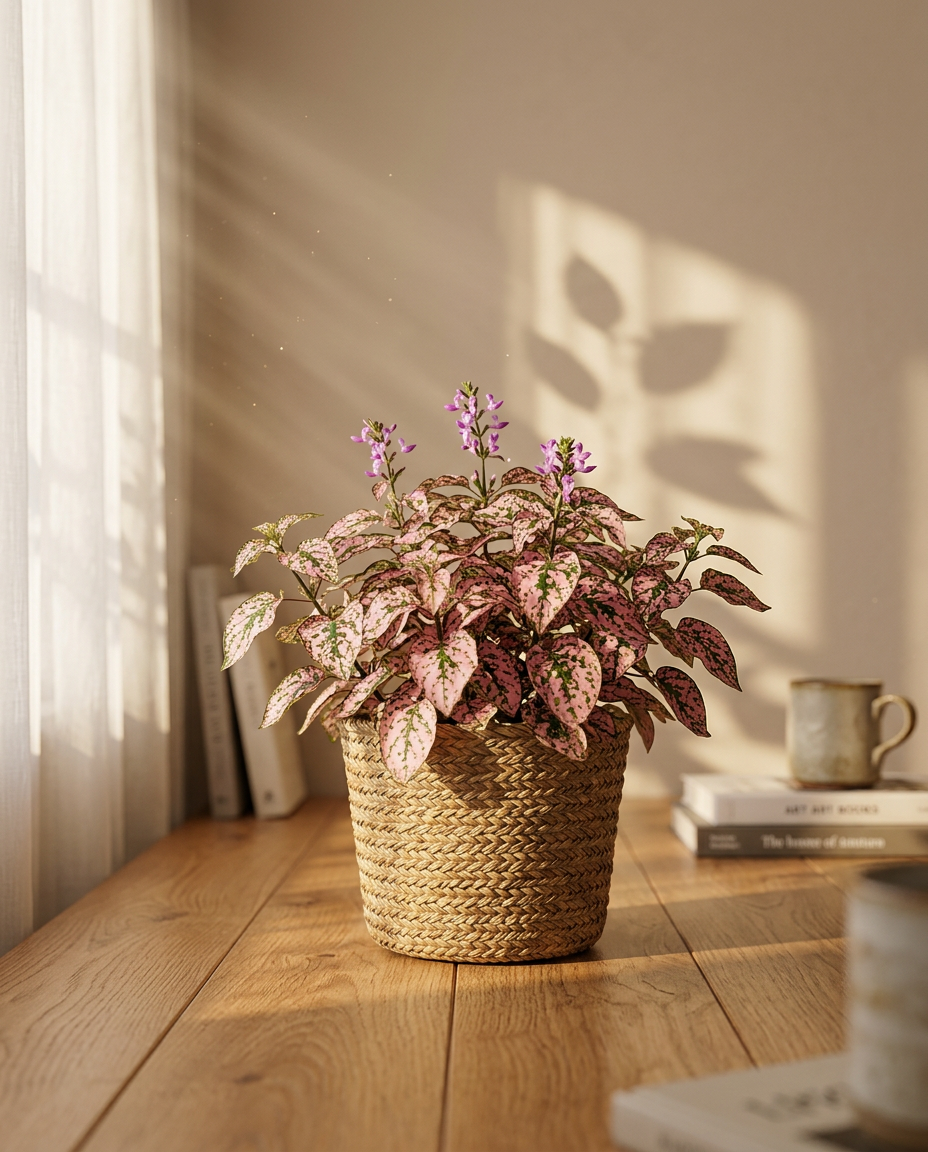
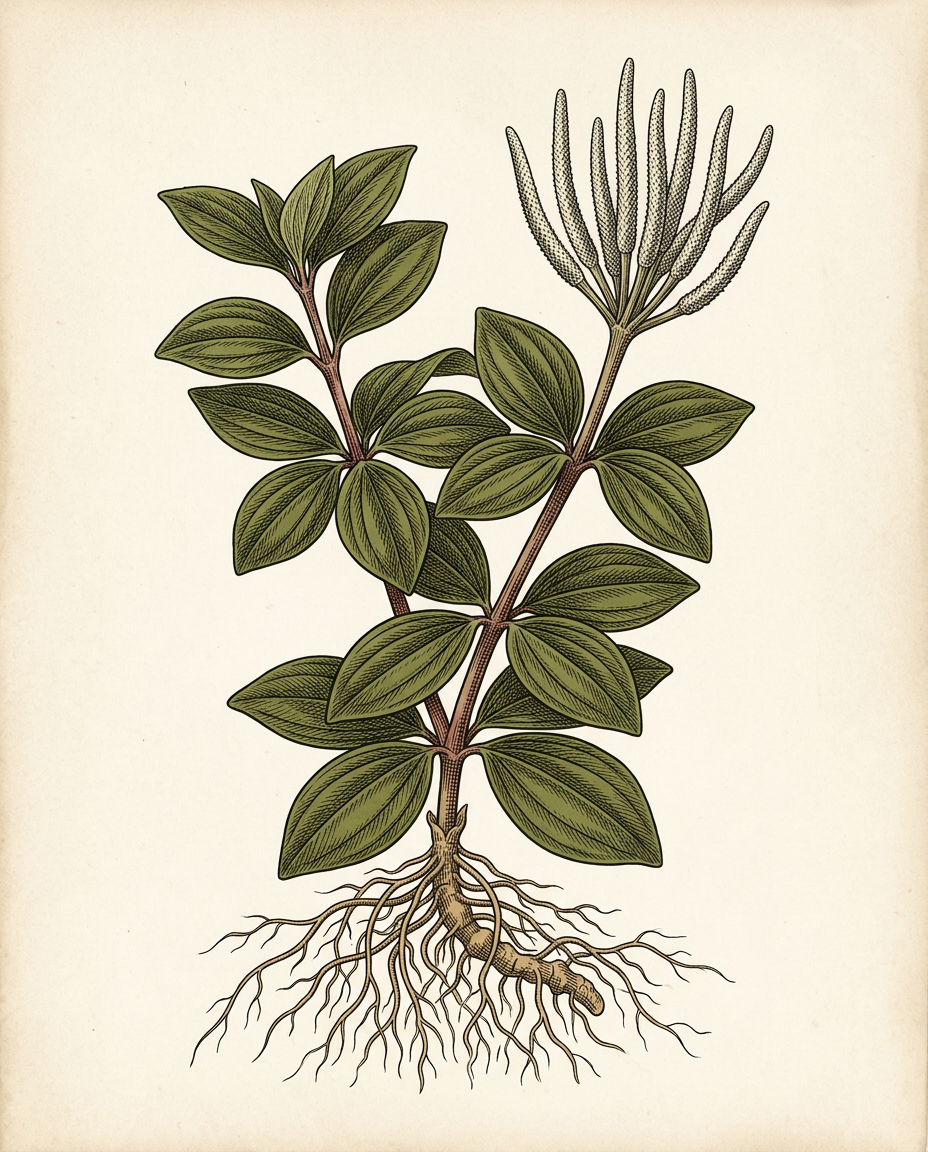
Plate IHypoestes phyllostachya — the polka dot plant. Oval green leaves freckled with pink, white, or red spots on slender upright stems. ASPCA non-toxic.
How to keep a polka dot plant alive.
Yes — the polka dot plant is safe for cats. The ASPCA lists Hypoestes phyllostachya (Polka Dot Plant, also called Pink Polka Dot Plant, Measles Plant, Freckle Face, and Baby's Tears) as non-toxic to cats, dogs, and horses. The toxic principles are listed as "Unknown" but the classification is clear; the only clinical signs ASPCA notes are mild vomiting and diarrhea — the same low-grade signs you'd expect from a cat eating any houseplant leaf.
It's a good small-pot pick for a cat household: tabletop scale, cheerful colour, and a verifiable ASPCA verdict on the safe side.
Disambiguation: two different plants called "Baby's Tears"
This is the one trap with this plant — the name "Baby's Tears" is shared. ASPCA lists it as a common name for both:
- Hypoestes phyllostachya — the polka dot plant (this page). Acanthaceae family. Upright stems, oval freckled leaves.
- Soleirolia soleirolii — a low creeping ground-cover sometimes used as a moss substitute. Urticaceae family. Tiny round leaves, dense mat.
Both have separate ASPCA entries. Both are non-toxic to cats. If a sitter, florist, or garden-centre tag uses "Baby's Tears," check the Latin name or a photo to know which one you have. The care is different (polka dot plant is upright and dry-tolerant, Soleirolia is mat-forming and likes constant moisture), but for cat safety the answer is the same: safe.
Why we list it safe
The ASPCA verdict, paraphrased: Hypoestes phyllostachya · Acanthaceae · Non-Toxic to Dogs, Non-Toxic to Cats, Non-Toxic to Horses · Toxic Principles: Unknown · Clinical Signs: Mild vomiting, diarrhea. The "Unknown" toxic-principles line just means the chemistry isn't characterised in poisoning literature — not that there's a hidden risk. The classification is the answer, and the answer is non-toxic.
Care
Polka dot plants are tropical understory plants from Madagascar — that's the shorthand for "bright indirect light, evenly moist, warm room."
- Light: bright indirect. Direct sun scorches the leaves; deep shade fades the spots and makes the plant leggy.
- Water: consistent. Polka dot plants are dramatic wilters — they collapse fast when the soil dries, then bounce back fast when watered. Aim for evenly moist, not soggy.
- Soil: standard houseplant mix with extra perlite for drainage.
- Placement: 18–24 °C, no cold drafts. Tolerates normal household humidity; happier in a kitchen or bathroom.
Pinch the growing tips every few weeks. Without pinching, the plant gets leggy and leans toward the light.
Where it fits in a cat household
This is a small-pot tabletop plant — 15 to 30 cm in most cases. Sit it on a windowsill, a desk, or a shelf. The varieties (Pink Splash, White Splash, Red Splash) all share the same chemistry, so pick on aesthetics, not safety.
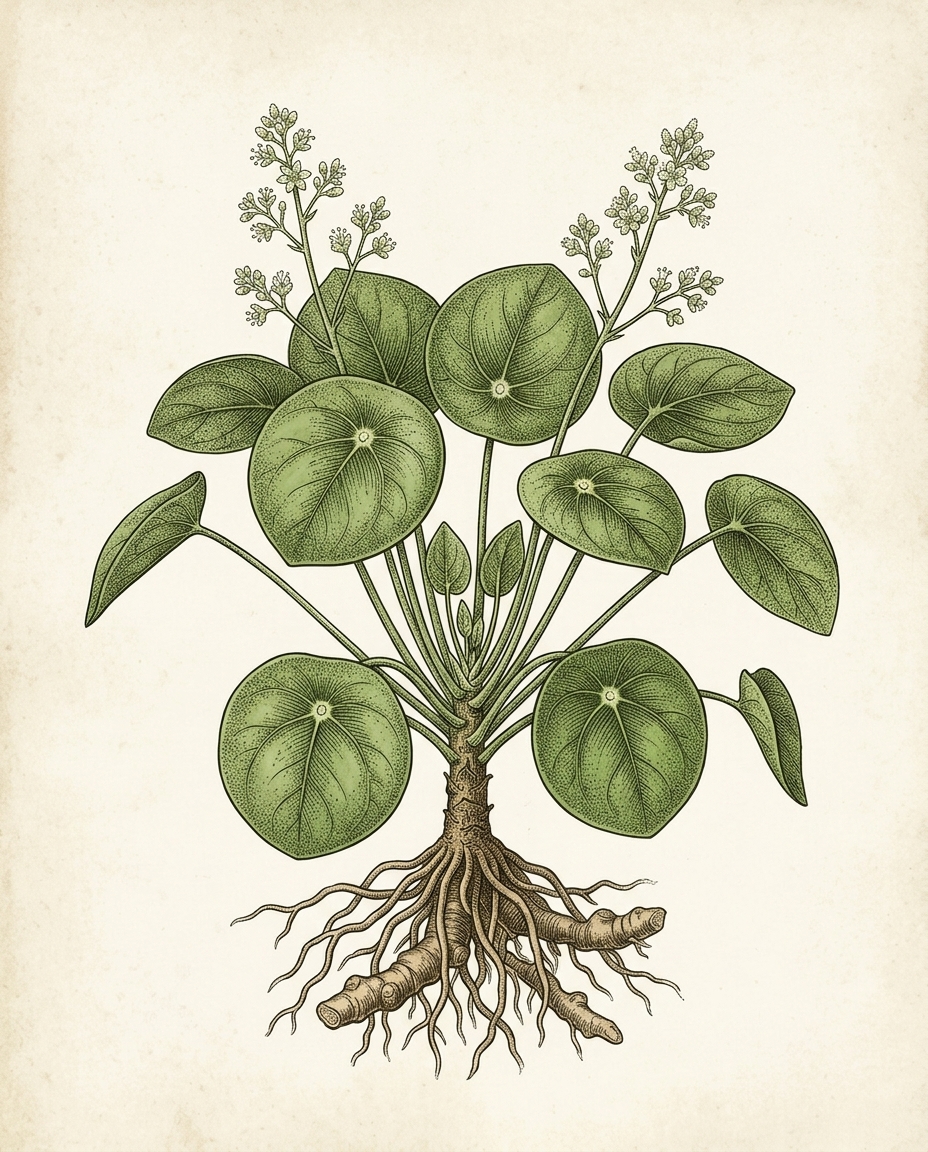
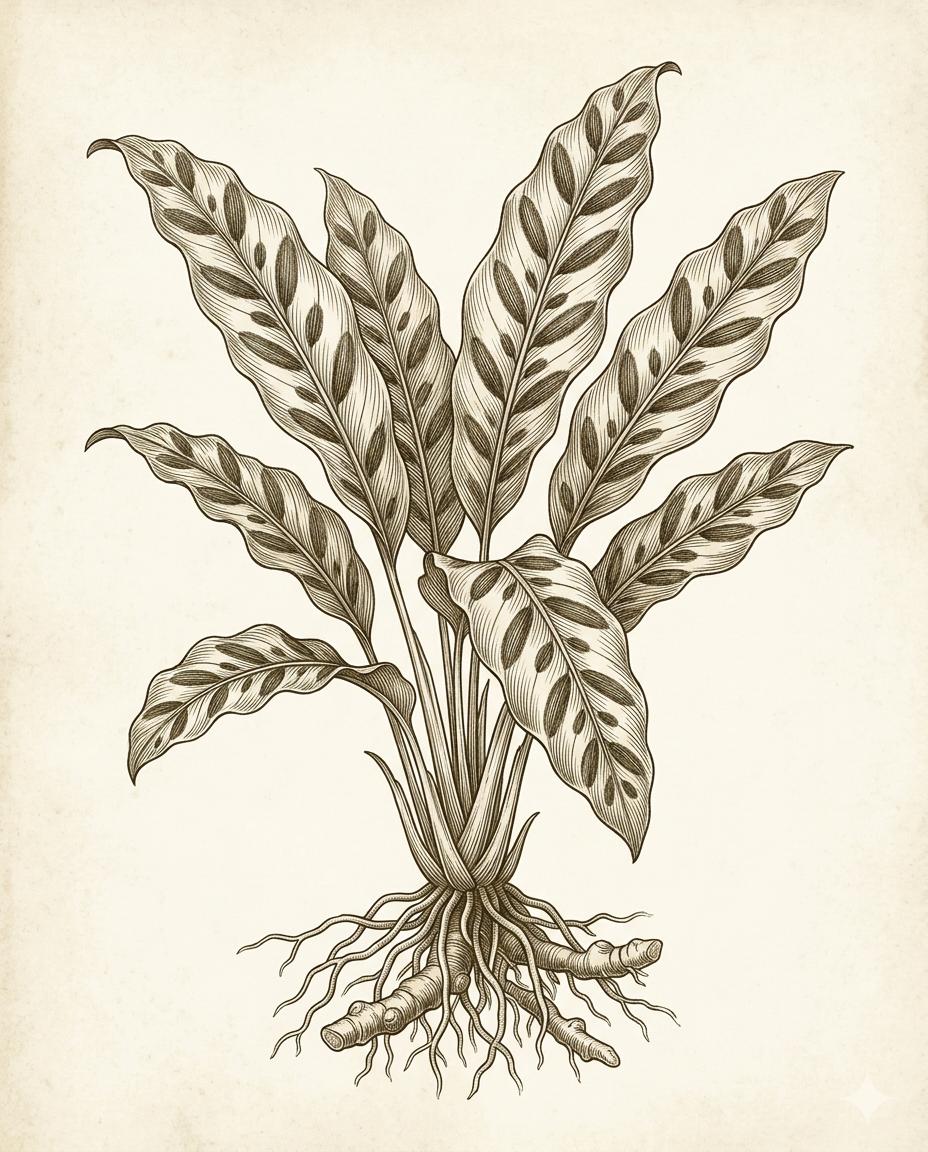
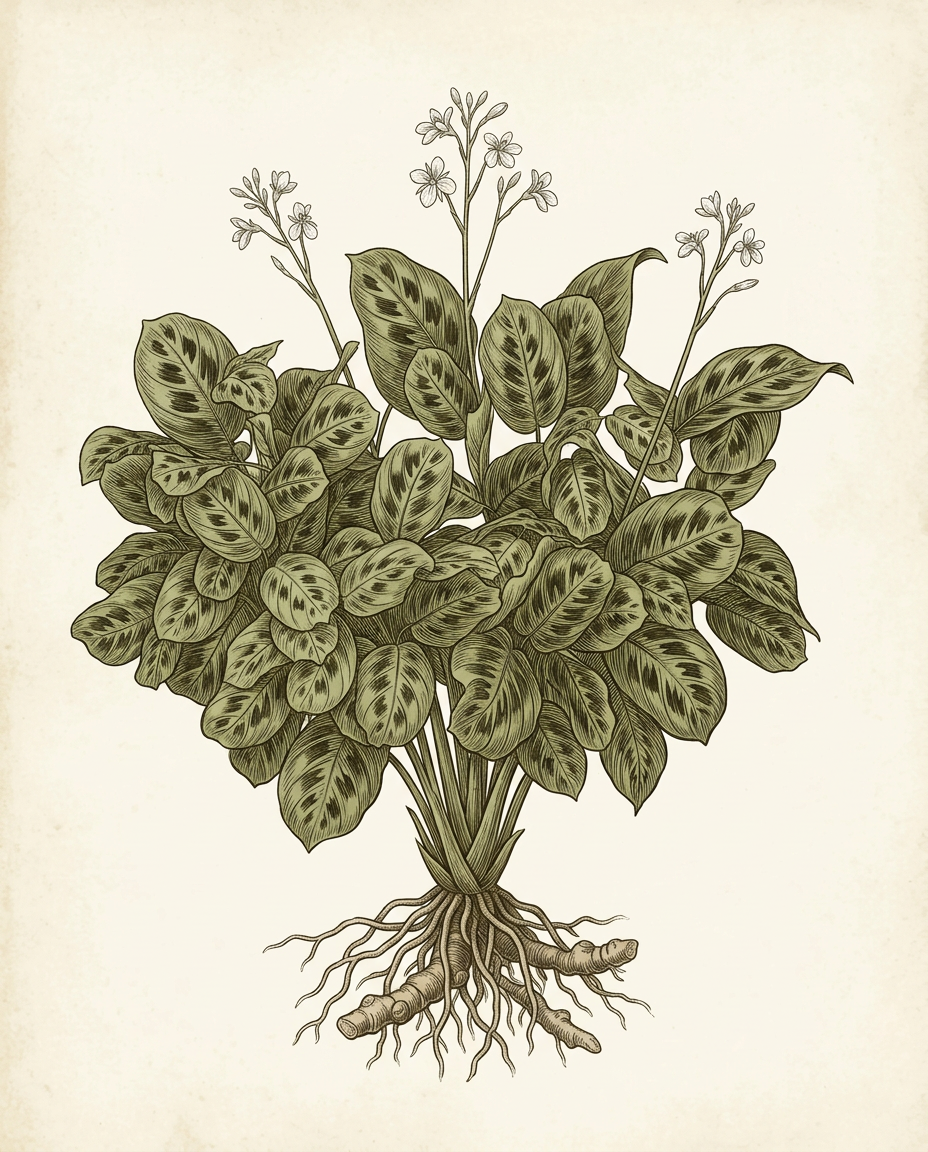
If you want to build a cat-safe small-pot collection around it, the closest pairings are peperomia (similar scale, also ASPCA non-toxic), pilea peperomioides (same tabletop role), and calathea (for textured foliage at slightly larger scale). All three are on the ASPCA non-toxic list, so the whole cluster is safe to chew.
Disclosure
We include Amazon affiliate links on safe-plant pages. As an Amazon Associate, we earn from qualifying purchases. We never affiliate-link a plant we have not ASPCA-verified.
What we have actually seen.
Casual chewing
A cat that takes a bite gets a mouthful of leaf and no toxic principle. ASPCA lists clinical signs as mild vomiting and diarrhea on big ingestions.
Knocked-over pots
Compact and lightweight — easily tipped by a curious cat. The bigger risk is the broken pot, not the cat.
Mild GI upset
As with any plant material, a big chew can produce vomiting that resolves on its own. Not specific to polka dot plant.
Four common varieties.
Pink Splash (bold pink freckles)
The most widely sold variety — bright pink spots dominating green leaves. The grocery-store default.
White Splash (cream-on-green)
Cream-white spots on dark green leaves. Reads more subdued and pairs well with other foliage plants.
Red Splash (deep red flecks)
Deep red spots with green; the most dramatic of the three common types. Same care, same ASPCA profile.
Keeping the plant alive.
Bright, indirect
Bright indirect light keeps the leaf spots vivid. Too little light and the plant turns leggy and the colour fades; direct sun scorches the leaves.
Consistent
Likes evenly moist soil — wilts dramatically when dry, recovers when watered. Let the top centimetre dry between waterings.
Free draining
Standard houseplant mix with extra perlite. Roots are shallow and dislike soggy soil.
Warm and humid
Happy at 18–24 °C. Likes the humidity of a kitchen or bathroom; tolerates normal household air. Avoid cold drafts.
- ASPCA Animal Poison Control Center. Toxic and Non-Toxic Plants: Polka Dot Plant.Accessed June 2026 · aspca.org · Hypoestes phyllostachya · Non-Toxic to cats, dogs, horses · Clinical Signs: Mild vomiting, diarrhea
- Royal Horticultural Society. Hypoestes phyllostachya care guide.Horticultural reference for indoor care
If you liked this, also safe.