Morning
Glory.
Ipomoea spp.
Morning glory is toxic to cats per the ASPCA. The seeds carry LSD-related indole alkaloids — leaves and flowers cause GI upset, and large seed ingestion can produce neurological signs.
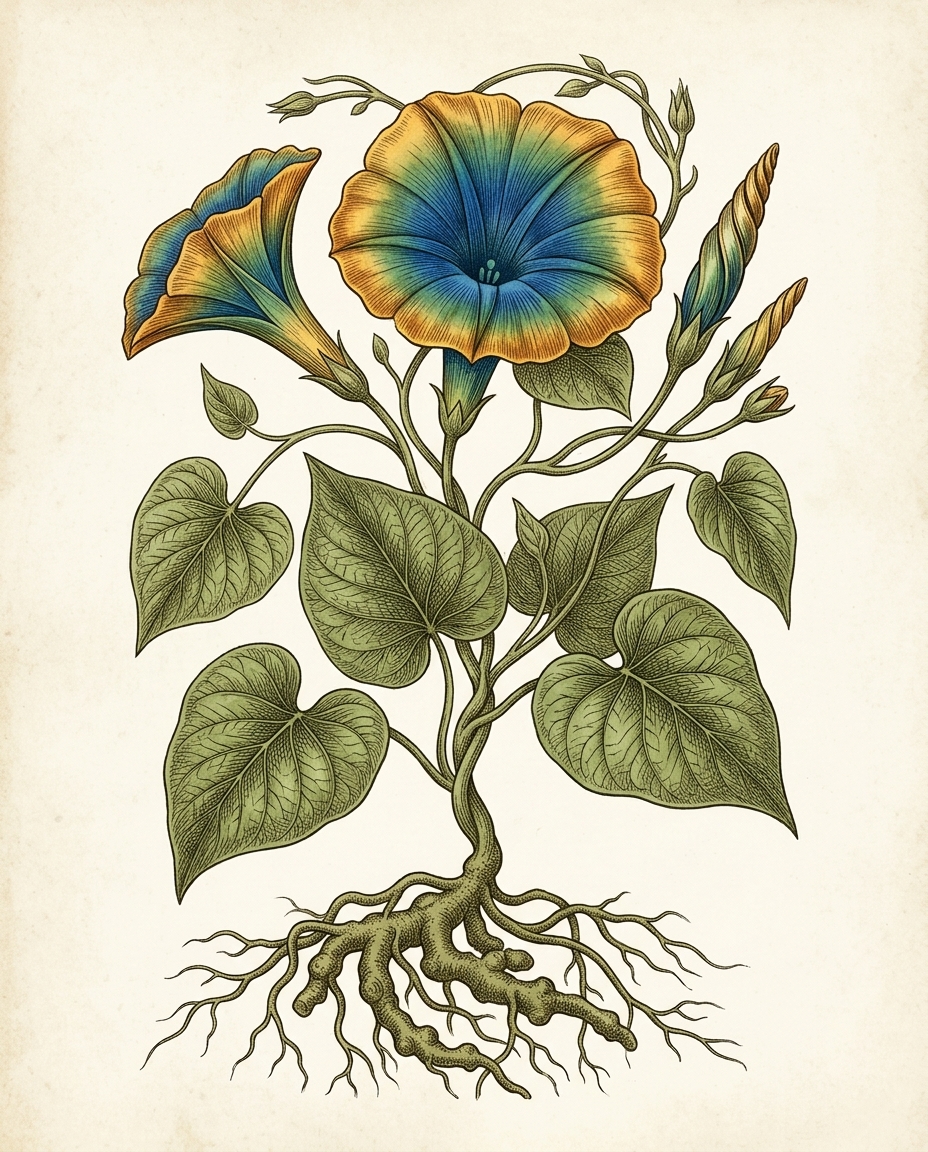
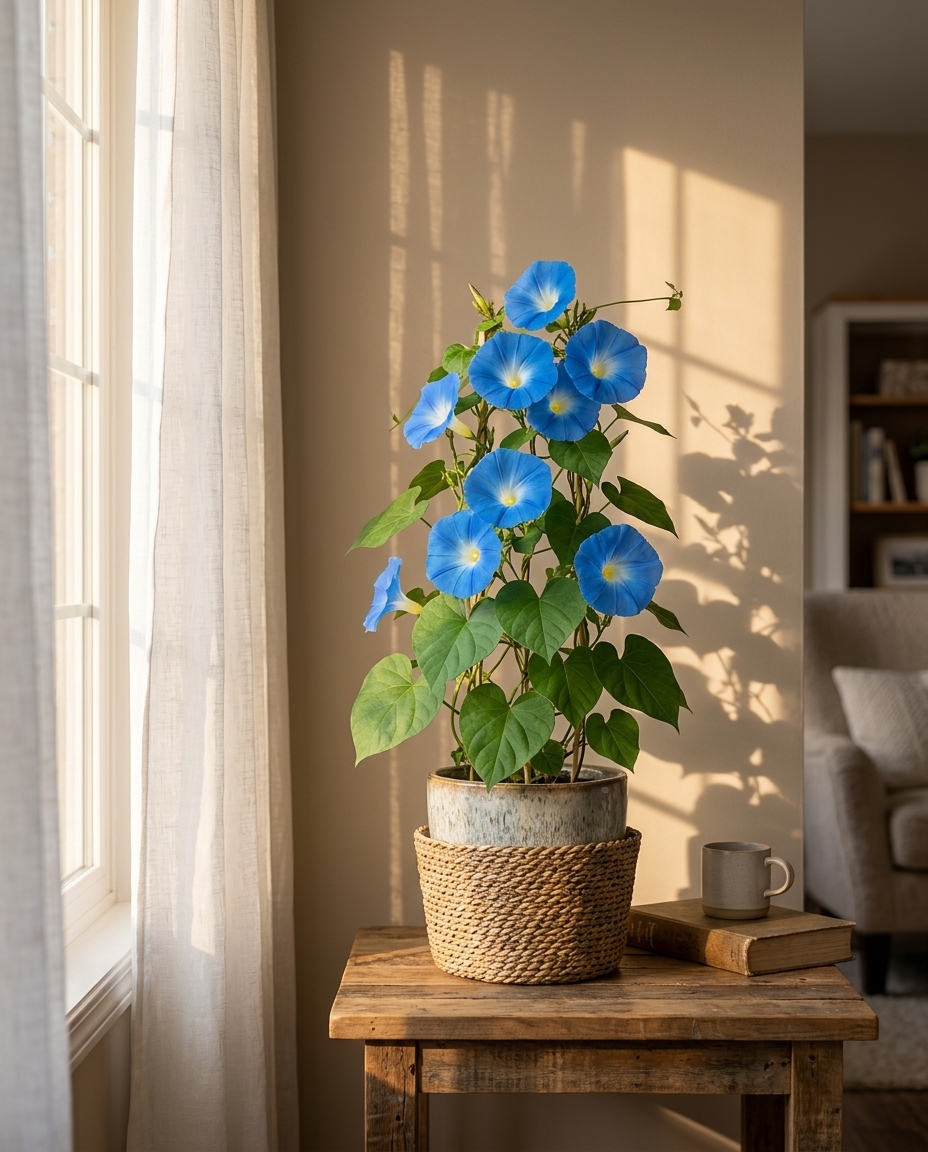
Plate IIpomoea spp. — the twining annual climber. Trumpet-flared blooms that open at dawn; heart-shaped leaves; seed capsules with hard angular seeds. ASPCA toxic — indole alkaloids in seeds.
Three plants that look the part, without the risk.
Same trumpet-flower-on-a-twining-vine look without the seed-alkaloid risk — these climbers give the cottage-garden cascade without an ER trip after seed-pod season.
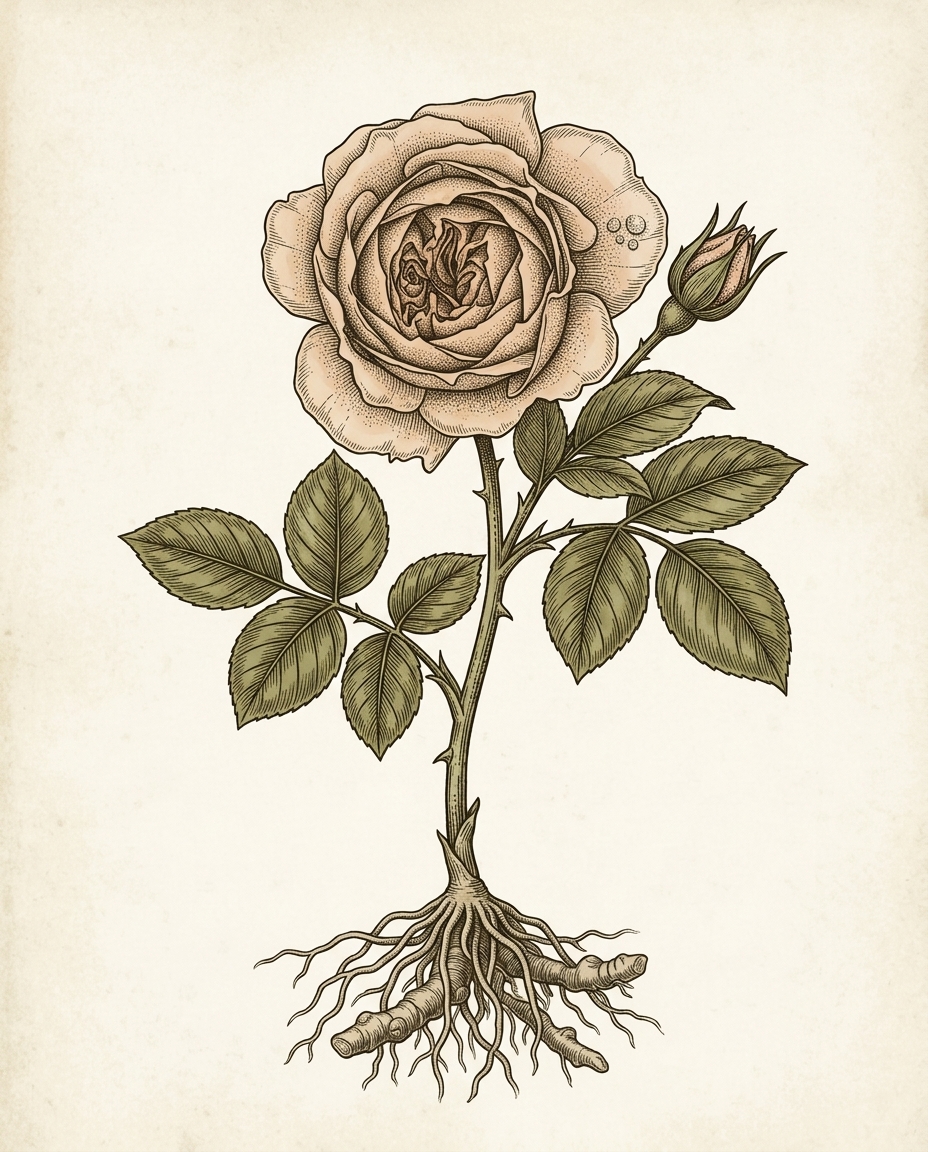
Sweet Pea (annual, non-Lathyrus alternative)
For a vase, roses are the safe cut-flower swap with the strongest colour range and ASPCA non-toxic verdict.
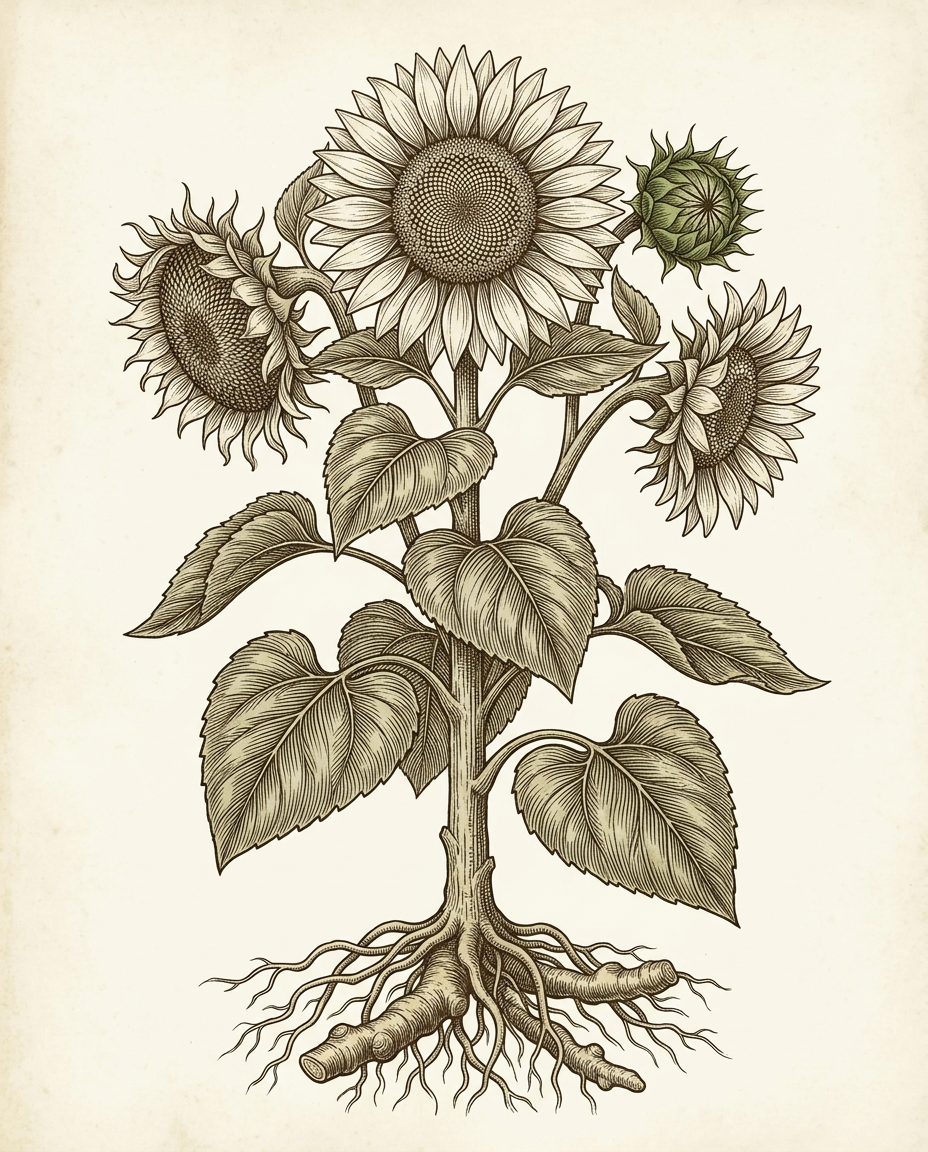
Sunflower
For a climbing-annual border replacement, a row of sunflowers gives height and warmth without the seed-alkaloid risk. ASPCA non-toxic.
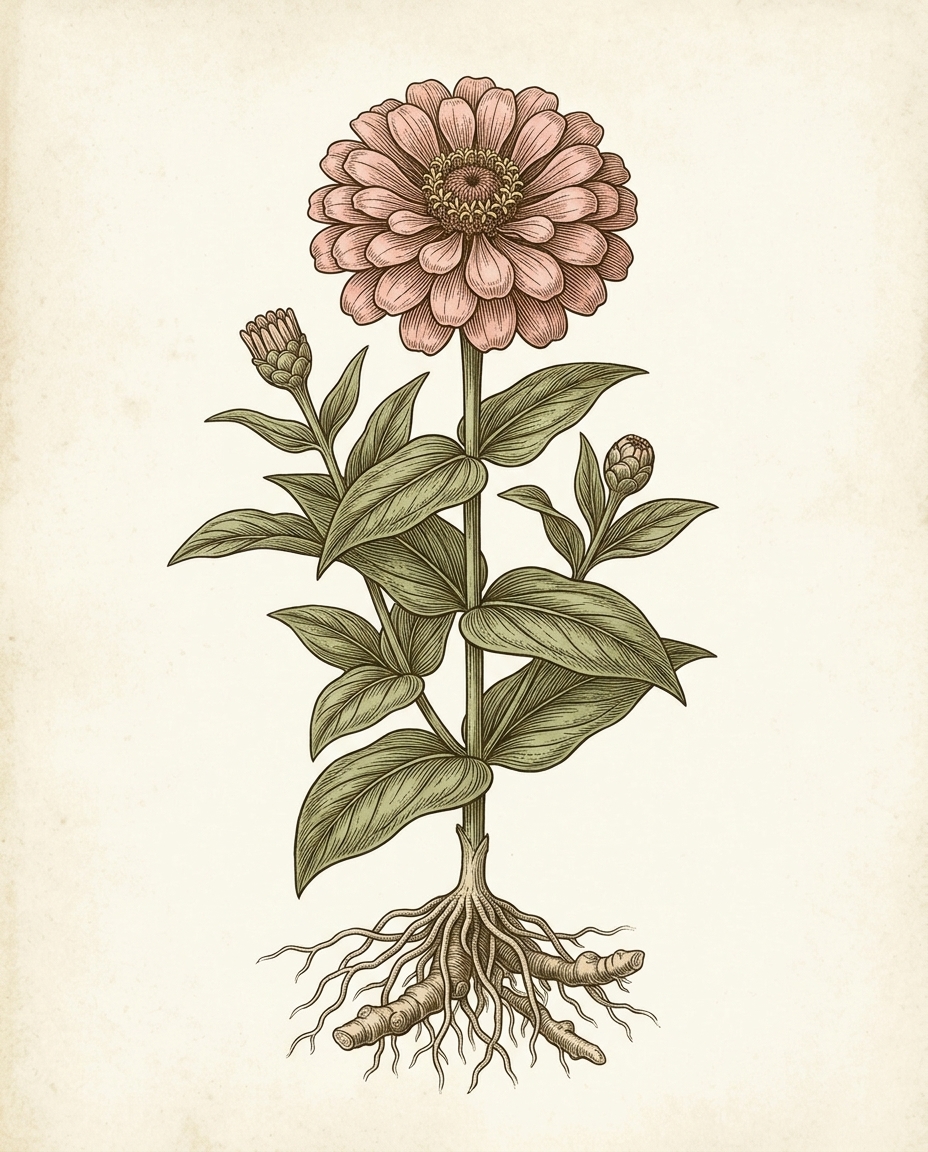
Zinnia
For a long-bloom annual that fills the same garden role, zinnias deliver more flowers per square metre than morning glory and are ASPCA non-toxic.
What it does to a cat.
Morning glory is toxic to cats. The ASPCA lists Ipomoea spp. as toxic to cats, dogs, and horses. The toxic principle is indole alkaloids — lysergic acid, lysergamide, elymoclavine, and chanoclavine, the same chemical family as LSD — concentrated in the seeds with lower levels in leaves and flowers.
The ASPCA's verdict, verbatim: Scientific Name: Ipomoea spp. · Family: Convolvulaceae · Toxicity: Toxic to Dogs, Toxic to Cats, Toxic to Horses · Toxic Principles: Indole alkaloids (Lysergic acid, lysergamide, elymoclavine and chanoclavine). The verdict is genus-wide, which covers garden morning glory (I. purpurea, I. tricolor), sweet potato vine (I. batatas) often grown as ornamental, and bindweed (several Ipomoea species).
Where the toxin is
The indole alkaloids accumulate in seeds. A morning glory seed pod that's allowed to mature (autumn, after the flowers fall) contains dozens of hard pea-sized seeds with the highest alkaloid load on the plant. Leaves and flowers contain lower concentrations and produce milder symptoms — typically vomiting and diarrhea from saponins and minor alkaloid exposure, resolving in 12 to 24 hours.
The realistic worst case for a cat is grazing leaves or flowers — mild GI upset. The serious-but-rare case is eating seeds. Cats don't usually crack hard seeds (they're not built for it the way birds or rodents are), but a curious cat that licks a freshly-fallen pod or chews a dried capsule can take in enough seed material to produce neurological signs.
What it does to a cat
- GI upset (most common): vomiting starts within 30 minutes to 2 hours of ingestion. Diarrhea often follows. Most cases resolve on their own within 24 hours with no treatment beyond rest and water.
- Anorexia and lethargy: cats may refuse food and appear depressed for 12–24 hours after a moderate ingestion.
- Neurological signs (rare): with seed ingestion, the indole alkaloids can produce disorientation, ataxia (uncoordinated movement), dilated pupils, and rarely hallucinations or seizures. This is a vet emergency.
If you see anything beyond mild GI symptoms — disorientation, dilated pupils, staggering — go to the vet. Call the ASPCA Animal Poison Control Center at 888-426-4435 for dose-based guidance (fee applies).
About bindweed, sweet potato vine, and dichondra
The ASPCA's Ipomoea spp. listing is genus-wide. That means:
- Bindweed (Convolvulus arvensis is technically a different genus, but several Ipomoea species are also called bindweed) — toxic if it's in genus Ipomoea.
- Sweet potato vine (Ipomoea batatas) sold as an ornamental in chartreuse and dark purple foliage forms — same ASPCA toxic listing. The edible tuber portion is something humans consume, but the plant is not on the cat-safe list.
- Moonflower (Ipomoea alba) — the night-blooming cousin, same toxicity profile.
Cat-safe alternatives
For a flowering twining vine, there isn't a clean ASPCA non-toxic analogue — most popular climbers are on the toxic list (English ivy, wisteria, jasmine pending). For the role morning glory plays in a garden — fast annual colour climbing a trellis — consider replacing with a row of sunflowers for vertical height or a bed of zinnias for continuous bloom. For a cottage-garden cut-flower effect, roses on a pillar deliver the climbing-flower look with ASPCA-safe chemistry.
Browse the full toxic-plants list for related warnings.
What we have actually seen.
Vomiting after leaf or flower ingestion
Most common sign. GI upset from saponins and minor alkaloid content in foliage. Onset within 30 min to 2 h.
Diarrhea
Often follows vomiting. Self-limiting in mild exposures.
Hallucinations / neurological signs after seed ingestion
The indole alkaloids in seeds are LSD-family compounds. Large seed ingestion (uncommon — cats rarely eat hard seeds) can produce disorientation, ataxia, mydriasis. Rare but documented.
Anorexia and lethargy
Cats may go off food and appear depressed for 12–24 hours after a moderate ingestion. Resolves with supportive care.
- ASPCA Animal Poison Control Center. Toxic and Non-Toxic Plants: Morning Glory.Accessed June 2026 · aspca.org · Ipomoea spp. · Toxic Principles: Indole alkaloids (lysergic acid, lysergamide, elymoclavine, chanoclavine)
- Pet Poison Helpline. Morning glory ingestion in companion animals.Clinical reference · 2024
- Merck Veterinary Manual. Ipomoea alkaloid toxicosis.Standard veterinary toxicology reference