Satin
Pothos.
Scindapsus pictus
Satin pothos (Scindapsus pictus) is toxic to cats per the ASPCA — insoluble calcium oxalates that cause immediate oral burning, drooling, and vomiting. Same Araceae-family toxin as true pothos, despite being a different genus.
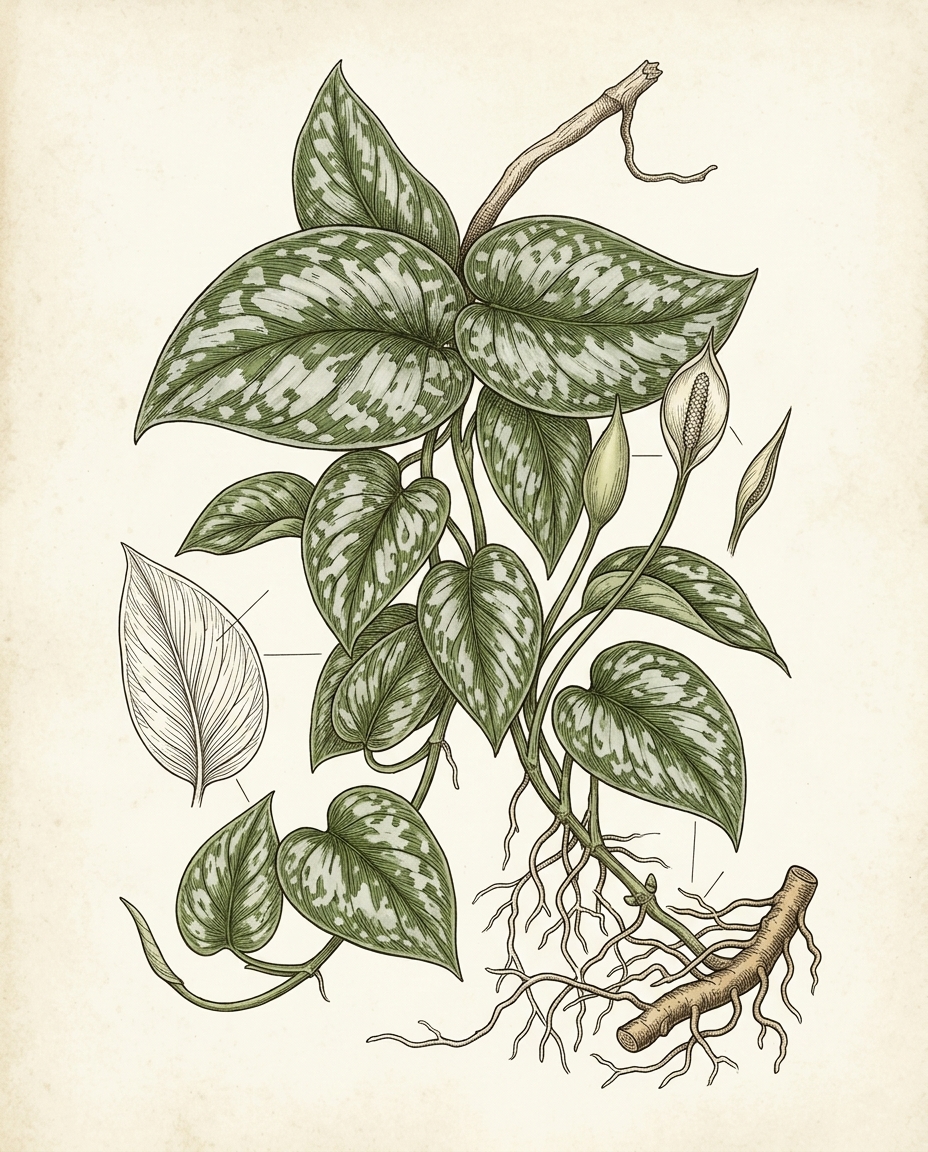
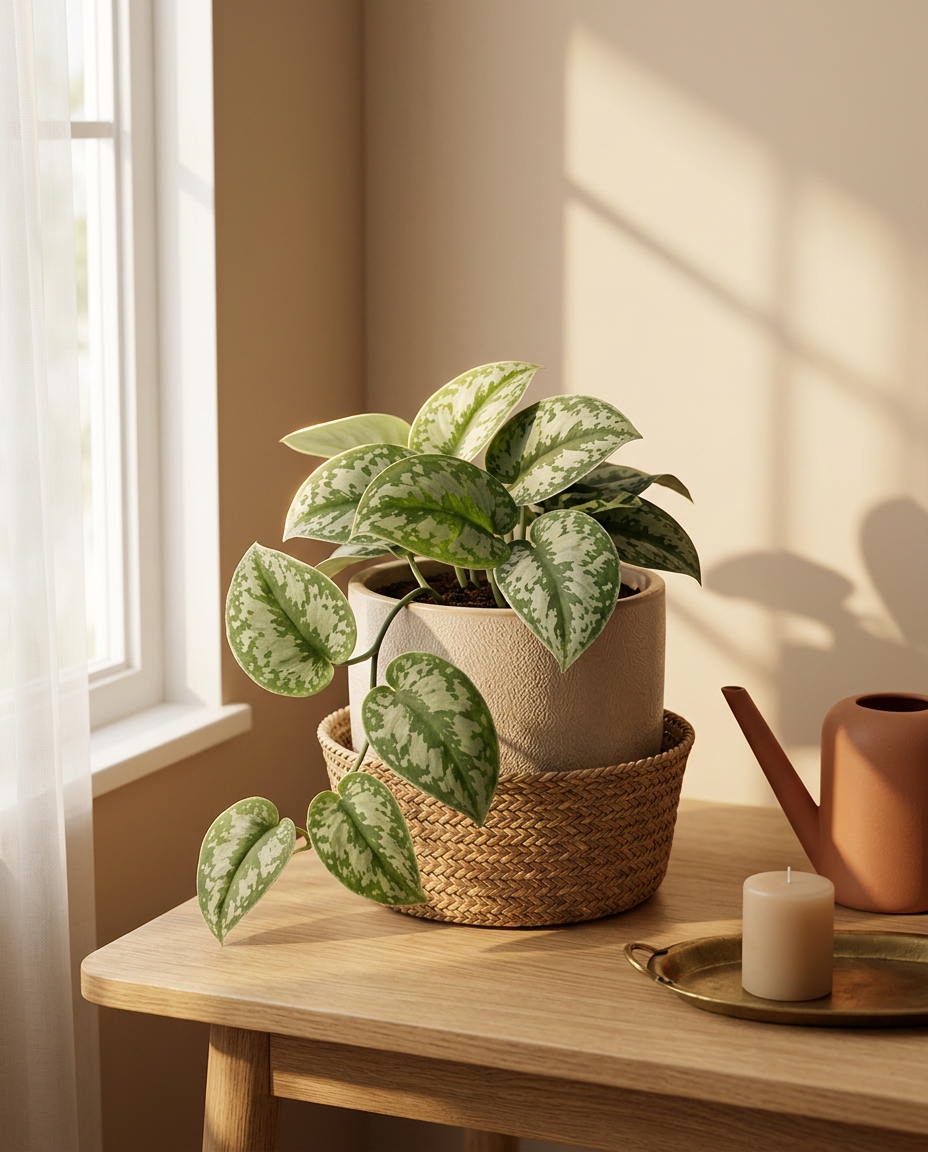
Plate IScindapsus pictus — satin pothos. Silver-flecked heart-shaped leaves on a trailing vine. Araceae family — calcium oxalates.
Three plants that look the part, without the risk.
Trailing vines without calcium oxalates — the best ASPCA non-toxic alternatives for the same shelf or hanging spot.
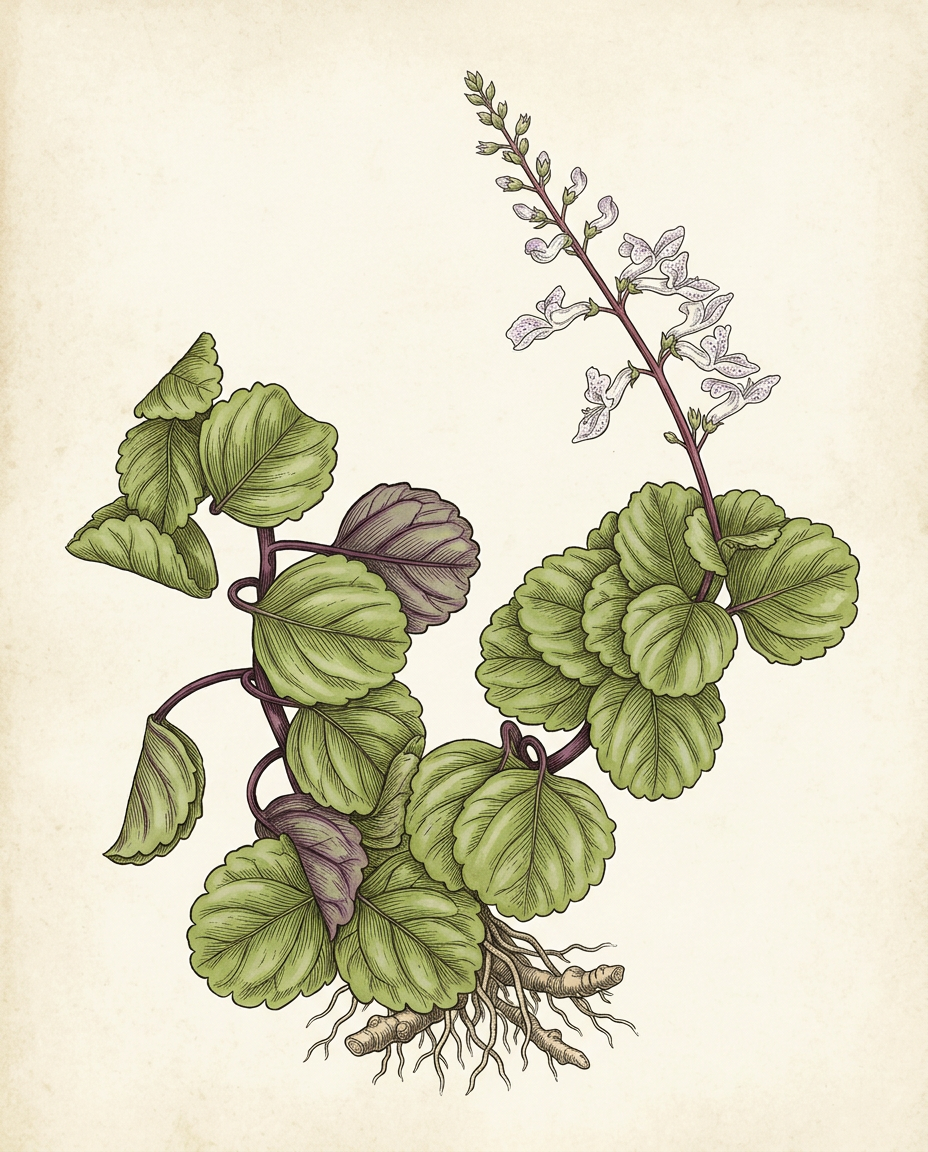
Swedish Ivy
A soft cascading trailing vine without raphides — fills the same hanging-basket niche.
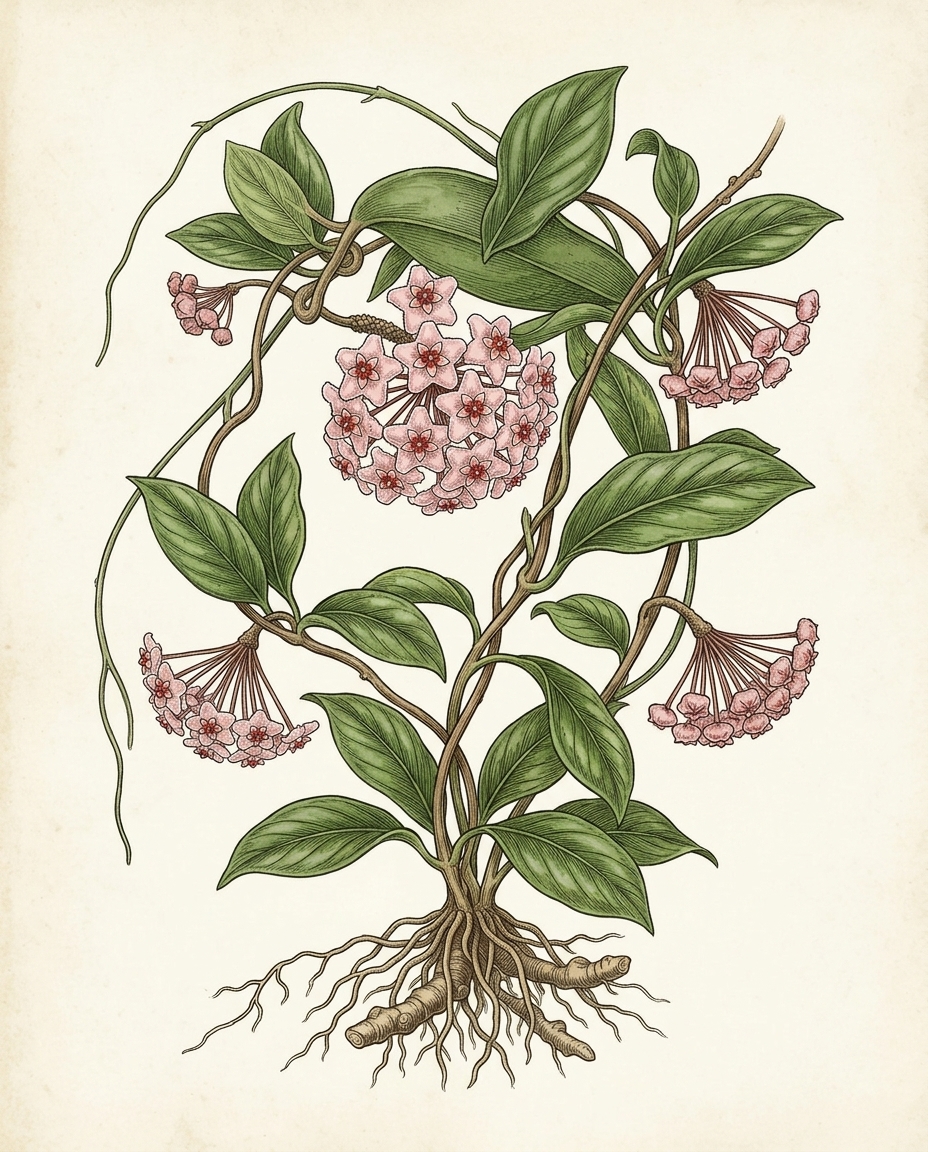
Wax Plant
Thick waxy trailing leaves and porcelain flowers from the same high shelf. Non-toxic per ASPCA.
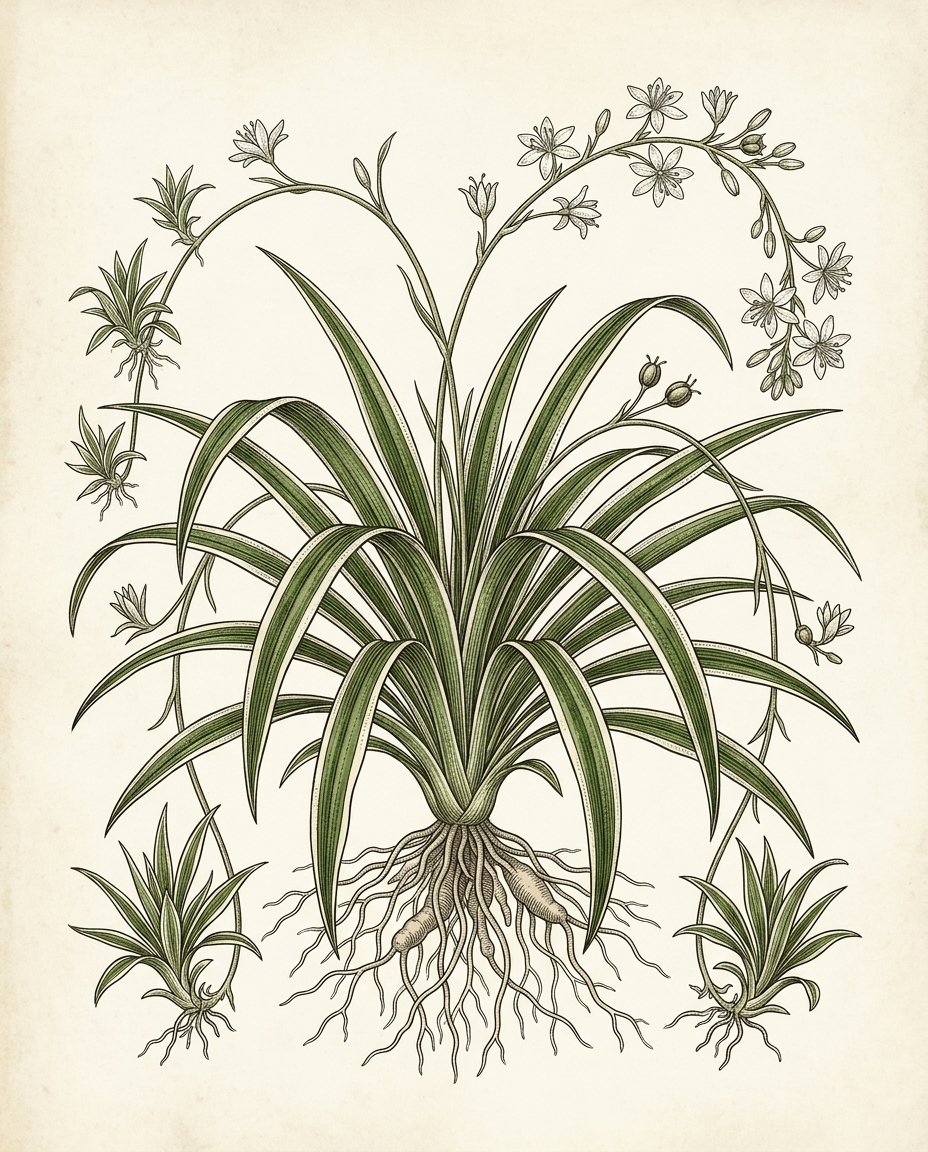
Spider Plant
Arching pups cascade from a hanging pot. Non-toxic per ASPCA and nearly impossible to kill.
What it does to a cat.
Yes — satin pothos is toxic to cats. The ASPCA lists Scindapsus pictus (satin pothos, also sold as Silver Pothos, Silver Philodendron, or Silvery Philodendron) as toxic to dogs, cats, and horses. All parts contain insoluble calcium oxalate crystals that embed in mouth and throat tissue on chewing — immediate burning, drooling, and often vomiting.
The ASPCA verdict, verbatim: Toxic to Dogs, Toxic to Cats, Toxic to Horses · Family: Araceae · Additional Common Names: Silver Pothos, Silver Philodendron, Silvery Philodendron · Scientific Name: Scindapsus pictus · Toxic Principles: Insoluble calcium oxalates · Clinical Signs: Oral irritation, intense burning and irritation of mouth, tongue and lips, excessive drooling, vomiting, difficulty swallowing.
Satin pothos is not the same plant as golden pothos
This is the single most important disambiguation on the page. Two plants share the "pothos" trade name:
- Satin pothos (this page) — Scindapsus pictus, silver-flecked heart-shaped leaves with a matte velvety finish. Smaller leaves, finer trailing vine. Genus Scindapsus.
- Golden pothos — Epipremnum aureum, larger glossy yellow-streaked leaves on thicker stems. The plant most people mean by "pothos." Genus Epipremnum. See our pothos page.
The ASPCA has two separate entries because they are genuinely different genera. From a botanical perspective the distinction matters. From a cat-household perspective it does not — both are Araceae, both produce raphide crystals, both will cause the same oral irritation if chewed. If you own either one, treat it the same way.
Same toxin family as peace lily and philodendron
Calcium oxalate raphides are the signature Araceae weapon. The mechanism is mechanical-chemical: needle-like crystals release on chewing and embed in mouth and throat tissue, with associated proteolytic enzymes amplifying the irritation. Same story as peace lily, philodendron, monstera, and dieffenbachia. Cats present near-identically across the whole group: minutes-to-onset pawing, drooling, sometimes vomiting, occasionally airway swelling.
Safe trailing swaps
If you want the trailing-vine look without the oxalates, the cat-safe options are:
- Spider plant — arching pups, non-toxic per ASPCA, easiest safe trailer.
- Wax plant — thick waxy leaves, porcelain flowers, slow-growing trailing vine.
- Swedish ivy — soft cascading stems, similar shelf role to satin pothos.
- Burro's tail — succulent trailing form for sunnier spots.
None of these have the exact silver-fleck pattern of Scindapsus pictus, which is genuinely distinctive. But all four fill the same trailing-from-a-shelf role with no calcium oxalate risk.
What we have actually seen.
Oral pain and drooling
Raphide crystals fire into mouth tissue on chewing. Heavy salivation and pawing at the face within minutes — the signature Araceae presentation.
Vomiting
Often follows the oral phase. Usually self-limiting unless a large amount of leaf material was swallowed.
Difficulty swallowing
Swelling of the tongue or pharyngeal tissue can interfere with swallowing. Rare but a vet emergency when it occurs.
Cat returns to the plant
Some cats sample again once the burn fades. The only durable fix is to remove or relocate the plant entirely.
- ASPCA Animal Poison Control Center. Toxic and Non-Toxic Plants: Satin Pothos.Accessed June 2026 · aspca.org · Scindapsus pictus · Toxic to Dogs, Toxic to Cats, Toxic to Horses · Family Araceae · Additional Common Names: Silver Pothos, Silver Philodendron, Silvery Philodendron · Toxic Principles: Insoluble calcium oxalates · Clinical Signs: Oral irritation, intense burning and irritation of mouth, tongue and lips, excessive drooling, vomiting, difficulty swallowing
- ASPCA Animal Poison Control Center. Toxic and Non-Toxic Plants: Golden Pothos.For the genus distinction — Epipremnum aureum is a separate ASPCA entry, same toxin class