Norfolk Island
Pine.
Araucaria heterophylla
The Norfolk Island Pine (Araucaria heterophylla) is non-toxic to cats per the ASPCA. Often sold as a small indoor Christmas tree — and crucially, NOT the deadly sago palm it can resemble.
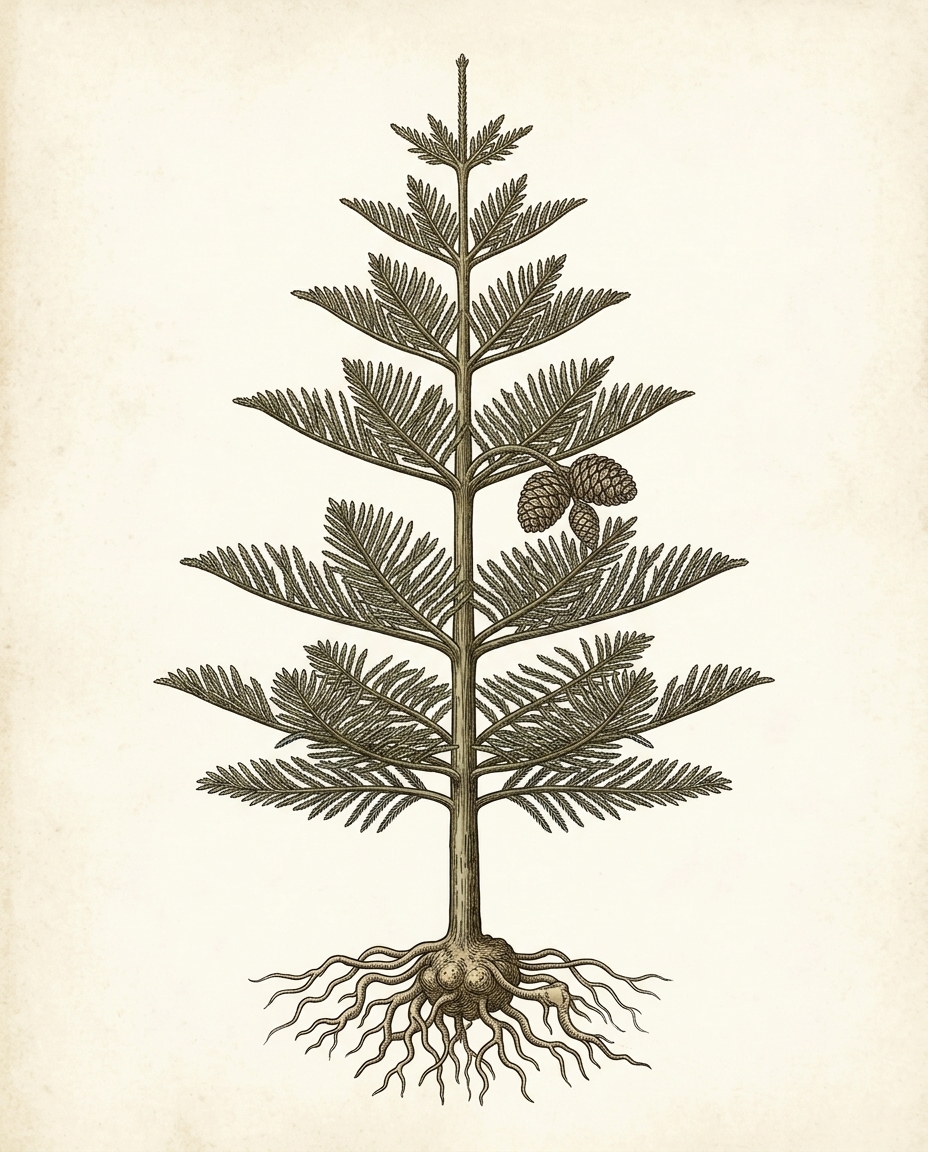
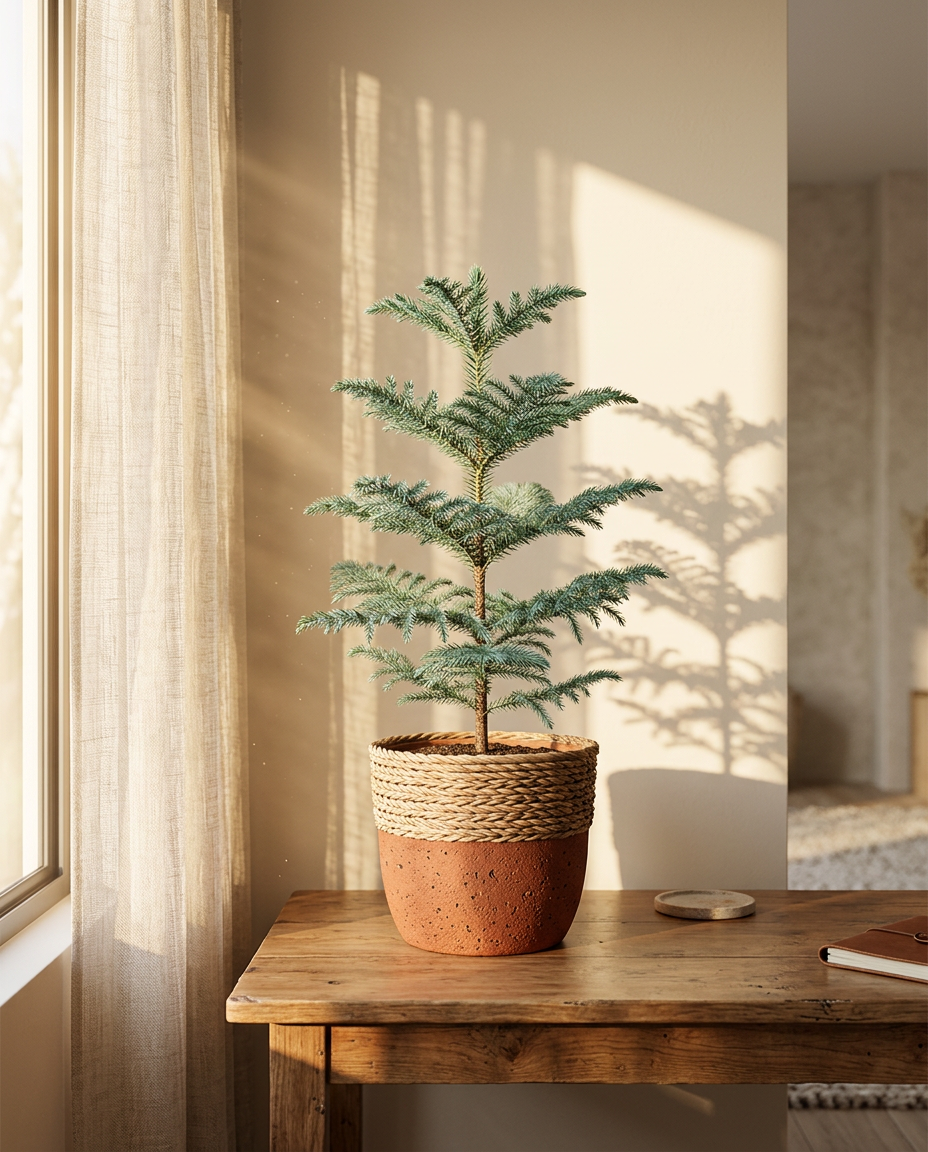
Plate IAraucaria heterophylla — the Norfolk Island Pine. Symmetrical tiered whorls of soft needled branches on an upright trunk. Sold as a living indoor Christmas tree. ASPCA non-toxic.
How to keep a Norfolk Pine alive.
Yes — Norfolk Island Pine is safe for cats. The ASPCA lists Araucaria heterophylla — known as Norfolk Pine, House Pine, Norfolk Island Pine, and Australian Pine — as non-toxic to cats, dogs, and horses. No toxic principle is listed and no clinical signs are flagged. (Note: the ASPCA URL slug is /australian-pine; the additional common names cover the variants you'll see at a garden centre.)
The ASPCA verdict, verbatim: Additional Common Names: Norfolk Pine, House Pine, Norfolk Island Pine · Scientific Name: Araucaria heterophylla · Family: Araucariaceae · Toxicity: Non-Toxic to Dogs, Non-Toxic to Cats, Non-Toxic to Horses.
Three plants this is NOT
The Norfolk Island Pine gets confused with three other "small evergreen tree" plants, and getting this right matters because one of them is deadly.
- Not a true pine (Pinus, family Pinaceae). Real pines carry irritating sap and mildly toxic essential oils that can cause oral and GI upset in cats. Norfolk Pine is in a completely different family (Araucariaceae), with no irritant sap and no toxic chemistry.
- Not a Christmas tree spruce or fir (Picea, Abies). The standard cut Christmas tree is mildly irritant to cats from sap and oils. Norfolk Pine, with its soft needles and ASPCA non-toxic status, is the cat-safe living alternative.
- NOT a sago palm (Cycas revoluta). This is the dangerous confusion. Sago palm is DEADLY to cats — cycasin-induced acute liver failure within days, often fatal even with prompt vet care. Sago palms are sometimes sold near Norfolk Pines in seasonal displays as "miniature trees." They look different (sago has stiff fan-like fronds rising from a thick pineapple-like trunk; Norfolk Pine has tiered whorls of soft branches on an upright trunk) but the names can be muddled in a busy store. If you're buying a small evergreen for indoor use, check the Latin name. Anything labelled Araucaria is safe; anything labelled Cycas is not.
Why it's the cat-safe indoor Christmas tree
For households that want a real living tree in December without the sap irritation of cut spruce/fir and without the chemical-flame-retardant load of artificial trees, the Norfolk Pine fills the role:
- Naturally tiered, Christmas-tree-shaped habit from the day you buy it.
- Slow-growing — a 60 cm specimen at purchase might be 75 cm a year later.
- Lives for decades indoors with reasonable care.
- ASPCA non-toxic.
You can decorate it lightly with cat-safe ornaments (skip the tinsel — it's a foreign-body risk regardless of plant) and leave it up year-round as a regular houseplant.
Care
Norfolk Pines are subtropical conifers from a small island in the South Pacific. Indoors they want:
- Light: bright indirect. Rotate the pot every few weeks for even, symmetrical growth.
- Water: moderate. Let the top centimetre of soil dry between waterings. They drop needles when too dry and rot when too wet.
- Soil: standard houseplant mix with extra perlite. Slightly acidic suits them.
- Placement: 15–22 °C with moderate humidity. They hate dry centrally-heated air — the needle tips brown. A pebble tray or occasional misting helps in winter.
They are extremely slow growers; expect 5–15 cm a year indoors. A small specimen in a small pot can stay tabletop-scale for years.
Where it fits in a cat household
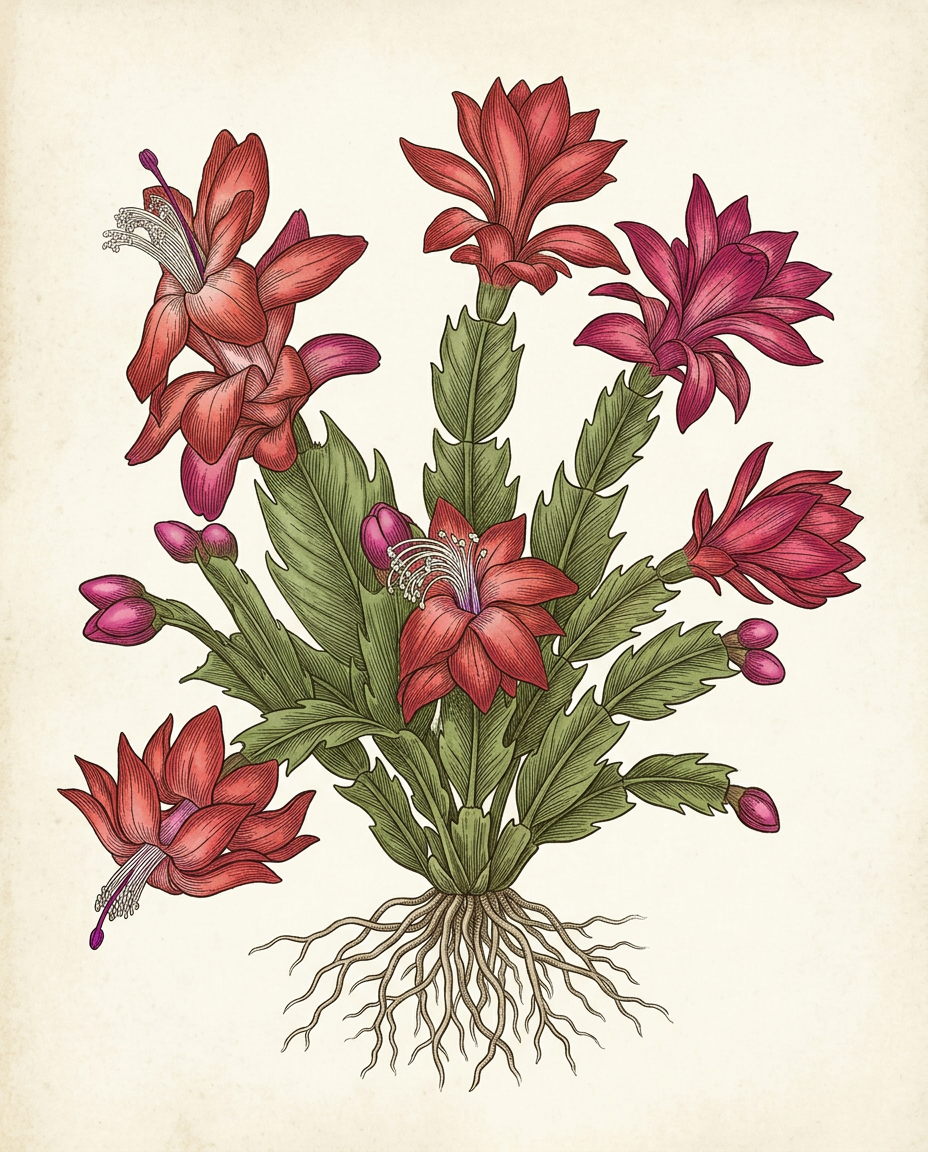
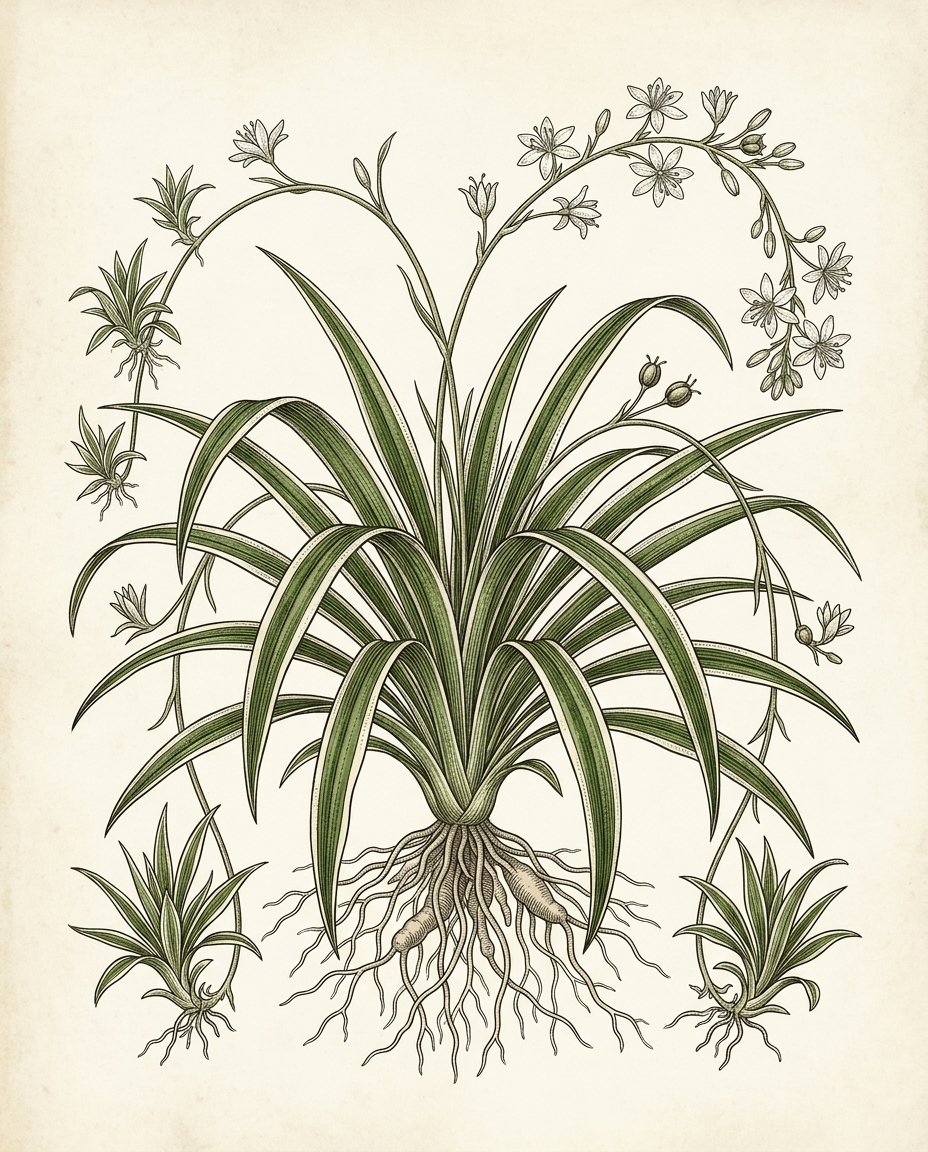
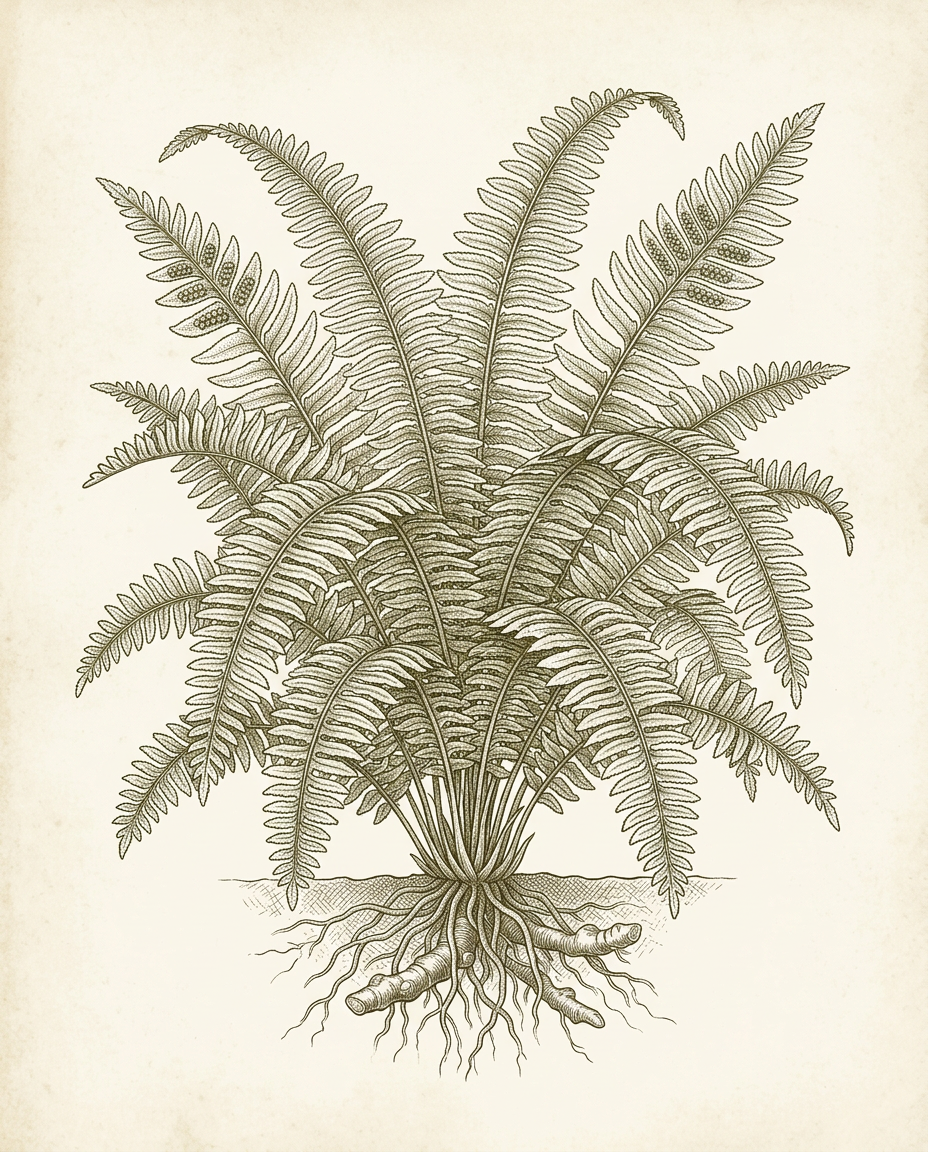
The whole point is that it fits. ASPCA non-toxic, soft needles a cat can chew without consequence, and a habit that doesn't sprawl or drop a lot of mess. Pair with other ASPCA-safe houseplants: Christmas cactus (also safe, also seasonal), spider plant (safe, tough), Boston fern (safe, classic). For the full list, see safe plants for cats.
Disclosure
We include Amazon affiliate links on safe-plant pages. As an Amazon Associate, we earn from qualifying purchases. We never affiliate-link a plant we have not ASPCA-verified.
What we have actually seen.
Casual chewing
Cats sometimes bite at the soft needles. ASPCA lists no toxic principle and no clinical signs — expect nothing more than mild GI on a large ingestion.
Knocked-over pots
A 1 m Norfolk pine in a light pot can be tipped. Use a heavy pot or wide tray base; the broken pot is a bigger risk than the plant.
Mild GI upset
A big chew on the needles can produce mild vomiting. Standard plant-material baseline, not a Norfolk-pine-specific risk.
Four common varieties.
Standard form (tiered Christmas-tree habit)
The default — what you buy at a December garden centre. Symmetrical whorls, soft needles, slow upward growth.
Variegated forms (yellow-tipped needles)
Uncommon yellow-tipped variants sold by specialty nurseries. Same ASPCA profile, same care requirements.
Keeping the plant alive.
Bright, indirect
Bright indirect light keeps the tiered habit symmetrical. Lower light produces sparser, lopsided branches over time. Rotate the pot every few weeks for even growth.
Moderate
Let the top centimetre of soil dry between waterings. Drops needles when underwatered, rots when overwatered — split the difference.
Free draining
Standard houseplant mix with extra perlite. Slightly acidic soils suit it best. Repot every 2–3 years; this is a slow grower.
Humid, cool
Likes 15–22 °C and moderate humidity. Sulks in dry centrally-heated air; the needles brown at the tips. Mist or pebble-tray helps in winter.
- ASPCA Animal Poison Control Center. Toxic and Non-Toxic Plants: Australian Pine.Accessed June 2026 · aspca.org · Araucaria heterophylla · Non-Toxic to cats, dogs, horses · Additional common names: Norfolk Pine, House Pine, Norfolk Island Pine · URL slug: /australian-pine
- Royal Horticultural Society. Araucaria heterophylla care guide.Horticultural reference for indoor care
If you liked this, also safe.