Lime
Citrus aurantifolia
Yes — lime trees are toxic to cats. The ASPCA lists Citrus aurantifolia as toxic to cats, dogs, and horses. Essential oils and psoralens cause vomiting, diarrhea, and dermatitis. The fruit flesh is edible but the skins and plant material are the problem.
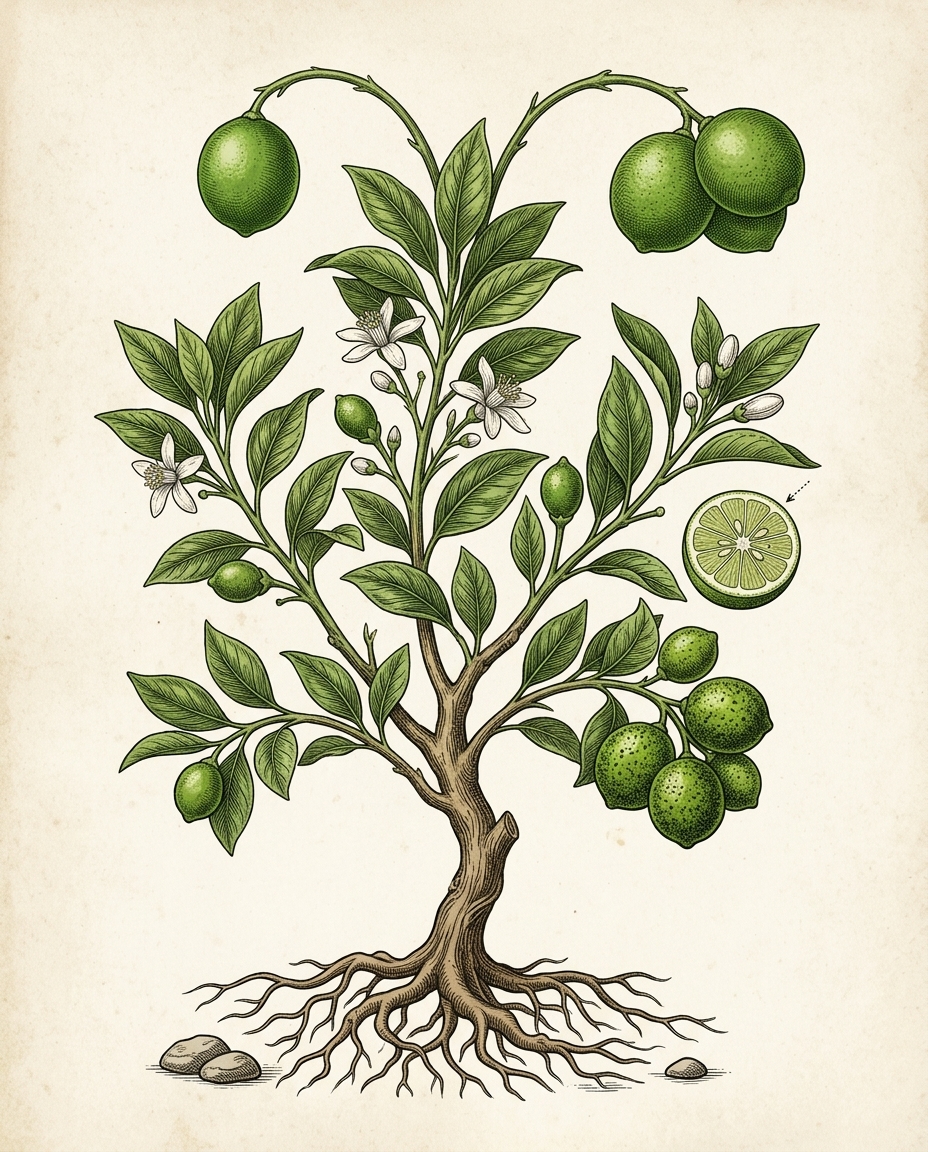
Plate ICitrus aurantifolia — lime. Toxic to cats per the ASPCA: essential oils and psoralens cause vomiting, diarrhea, depression, and potential dermatitis. The fruit flesh is edible; skins and plant material are the problem.
Three plants that look the part, without the risk.
If you want a cat-safe fruiting or flowering plant for the garden, these ASPCA non-toxic plants are good alternatives to a lime tree.
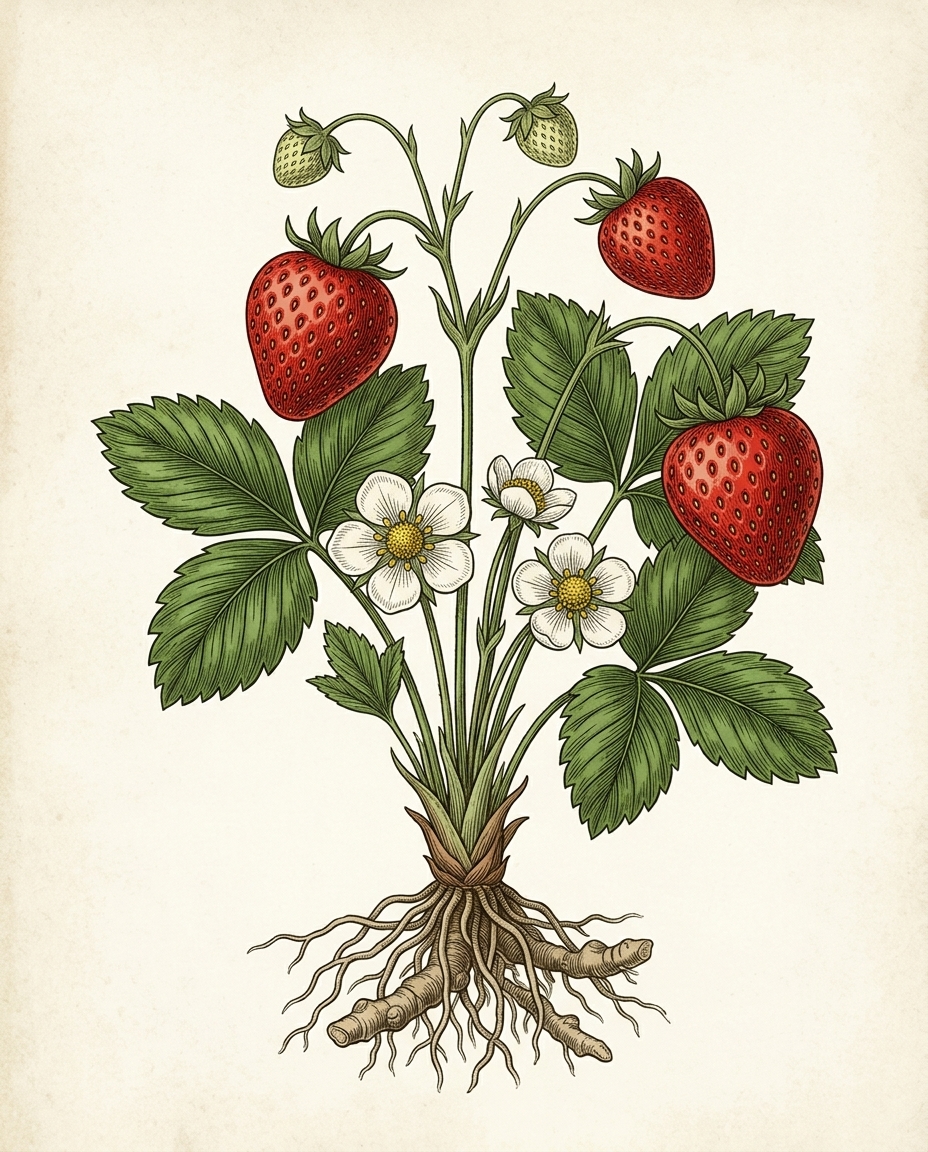
Strawberry
A non-toxic fruiting plant that cats can safely be around. The fruit, leaves, and stems are all ASPCA-listed non-toxic — a garden edible without the psoralen risk.
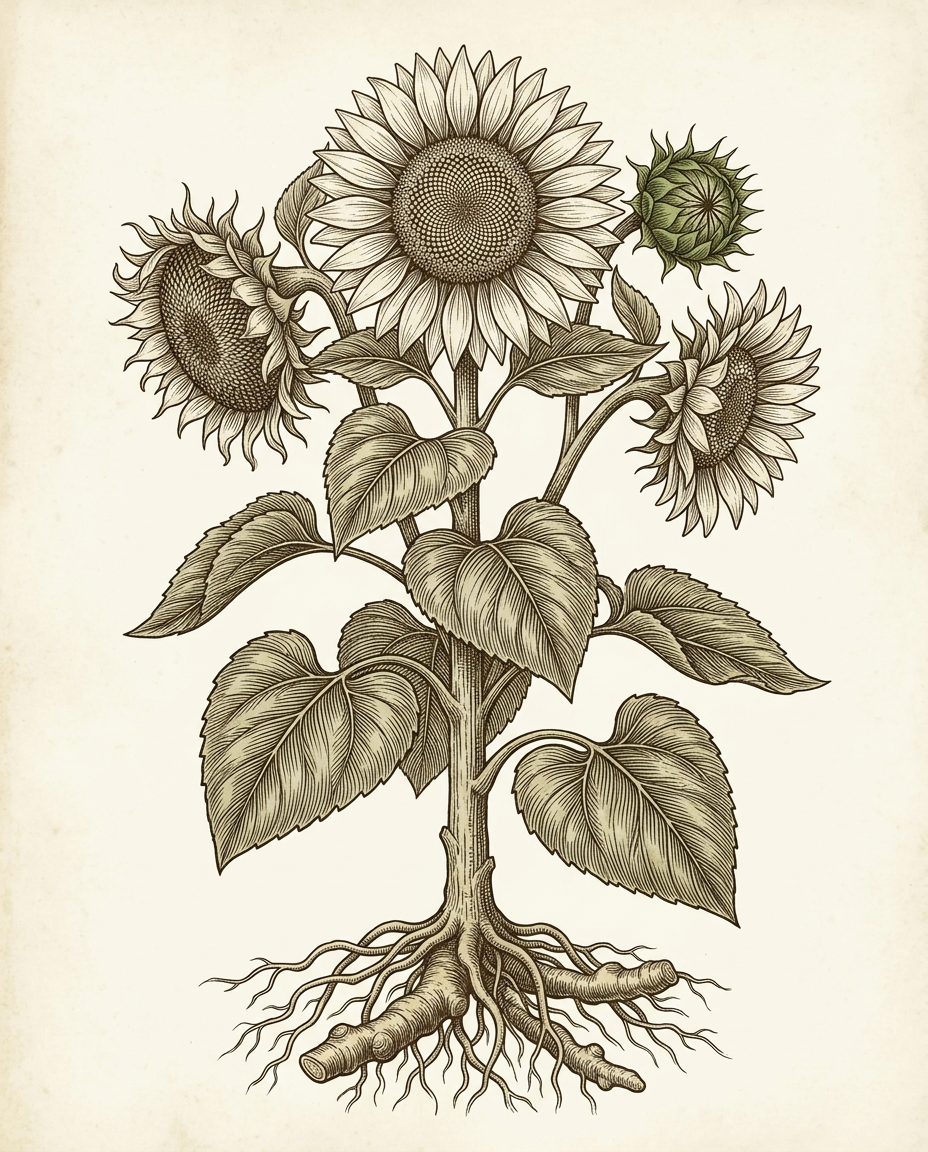
Sunflower
A non-toxic garden flower that is safe around cats. Tall, cheerful, and entirely ASPCA-listed non-toxic — a bright substitute for a flowering citrus tree.
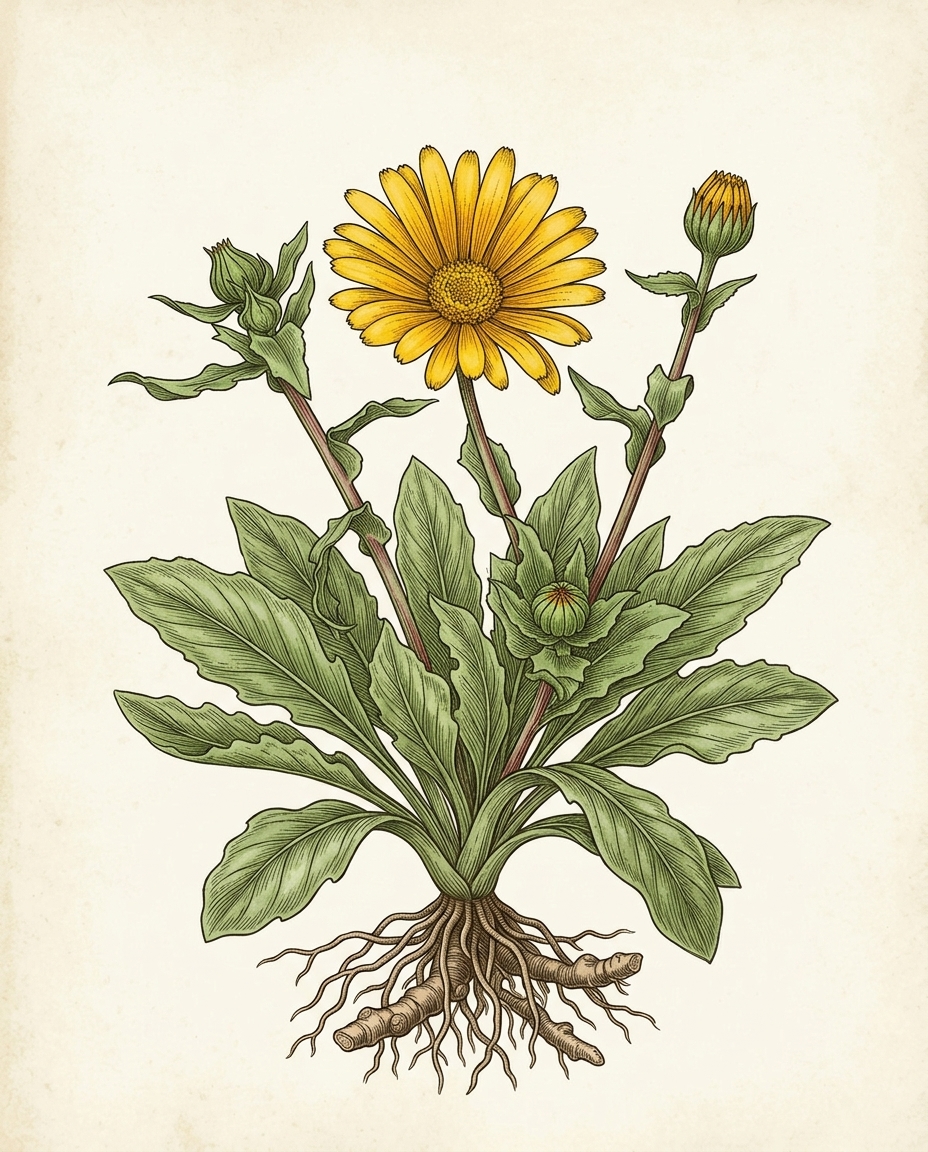
Calendula
A non-toxic flowering herb that is safe for cats. The edible petals are ASPCA-listed non-toxic and the plant is easy to grow in the same sunny garden spot.
What lime trees do to a cat.
Yes — lime trees are toxic to cats. The ASPCA lists Citrus aurantifolia as Toxic to Dogs, Toxic to Cats, Toxic to Horses. The toxic principles are essential oils and psoralens. Clinical signs are vomiting, diarrhea, depression, and potential dermatitis. The fruit is edible, but skins and plant material can cause problems.
Lime (Citrus aurantifolia, family Rutaceae) shares the same toxicity profile as all citrus trees — lemon, orange, and grapefruit are all ASPCA-listed toxic to cats with the same toxic principles.
The ASPCA data, verbatim
The ASPCA listing for lime states:
Scientific Name: Citrus aurantifolia · Family: Rutaceae · Toxicity: Toxic to Dogs, Toxic to Cats, Toxic to Horses · Toxic Principles: Essential oils and psoralens · Clinical Signs: Vomiting, diarrhea, depression; potential dermatitis. Fruit is edible, skins and plant material can cause problems.
Essential oils and psoralens
The essential oils in lime include limonene and linalool — citrus compounds that cats cannot efficiently metabolise. Cats lack the liver enzymes needed to process terpenes, so the compounds accumulate and cause vomiting, diarrhea, and depression.
Psoralens are phototoxic compounds that become active on skin exposed to UV light. A cat that gets lime peel oil on its fur can develop phototoxic dermatitis — inflammation and skin damage triggered by sunlight. This is the dermatitis the ASPCA clinical signs describe.
Fruit flesh vs skins and plant material
The ASPCA makes an important distinction: the fruit is edible, but skins and plant material can cause problems. The toxicity is concentrated in the peel oil and plant tissue. Keep all lime plant material — peels, leaves, stems, and fallen fruit — away from cats.
What to do if your cat eats lime plant material
- Call your vet or ASPCA Animal Poison Control at (888) 426-4435.
- Remove any remaining plant material from your cat's mouth.
- Tell the vet exactly what part was eaten and how much.
Safe garden alternatives
If you want a cat-safe fruiting or flowering plant, strawberry, sunflower, and calendula are all ASPCA-listed non-toxic to cats.
The bottom line
Lime (Citrus aurantifolia) is toxic to cats per the ASPCA. The essential oils and psoralens cause vomiting, diarrhea, depression, and potential dermatitis. The same toxicity applies to all citrus — lemon, orange, and grapefruit. The fruit flesh is edible, but the skins, leaves, and stems are the problem.
What we have actually seen.
Essential oils and psoralens
The ASPCA lists the toxic principles as essential oils and psoralens. The essential oils include limonene and linalool — citrus compounds that cats cannot efficiently metabolise. Psoralens are phototoxic compounds that can cause dermatitis on skin exposed to sunlight.
Vomiting, diarrhea, and depression
The ASPCA clinical signs are vomiting, diarrhea, and depression. These are the primary effects of lime plant ingestion in cats. Depression here means lethargy and reduced responsiveness.
Potential dermatitis
The ASPCA notes potential dermatitis. Psoralens are phototoxic — they become active on skin exposed to UV light. A cat that gets lime peel oil on its fur and then sits in sunlight can develop skin inflammation.
Fruit flesh is edible, skins are not
The ASPCA states that the fruit is edible, but skins and plant material can cause problems. The toxicity is concentrated in the peel oil and plant tissue, not the juicy fruit flesh.
- ASPCA Animal Poison Control Center. Toxic and Non-Toxic Plants: Lime.Accessed June 2026 · aspca.org · Citrus aurantifolia · Toxic Principles: Essential oils and psoralens · Clinical Signs: Vomiting, diarrhea, depression; potential dermatitis. Fruit is edible, skins and plant material can cause problems.