Creeping
Charlie.
Pilea nummulariifolia
Yes — Creeping Charlie (Pilea nummulariifolia) is safe for cats. The ASPCA lists it as Non-Toxic to Dogs, Non-Toxic to Cats, Non-Toxic to Horses. A trailing Pilea houseplant with rounded, puckered leaves — cat-safe and easy to grow.
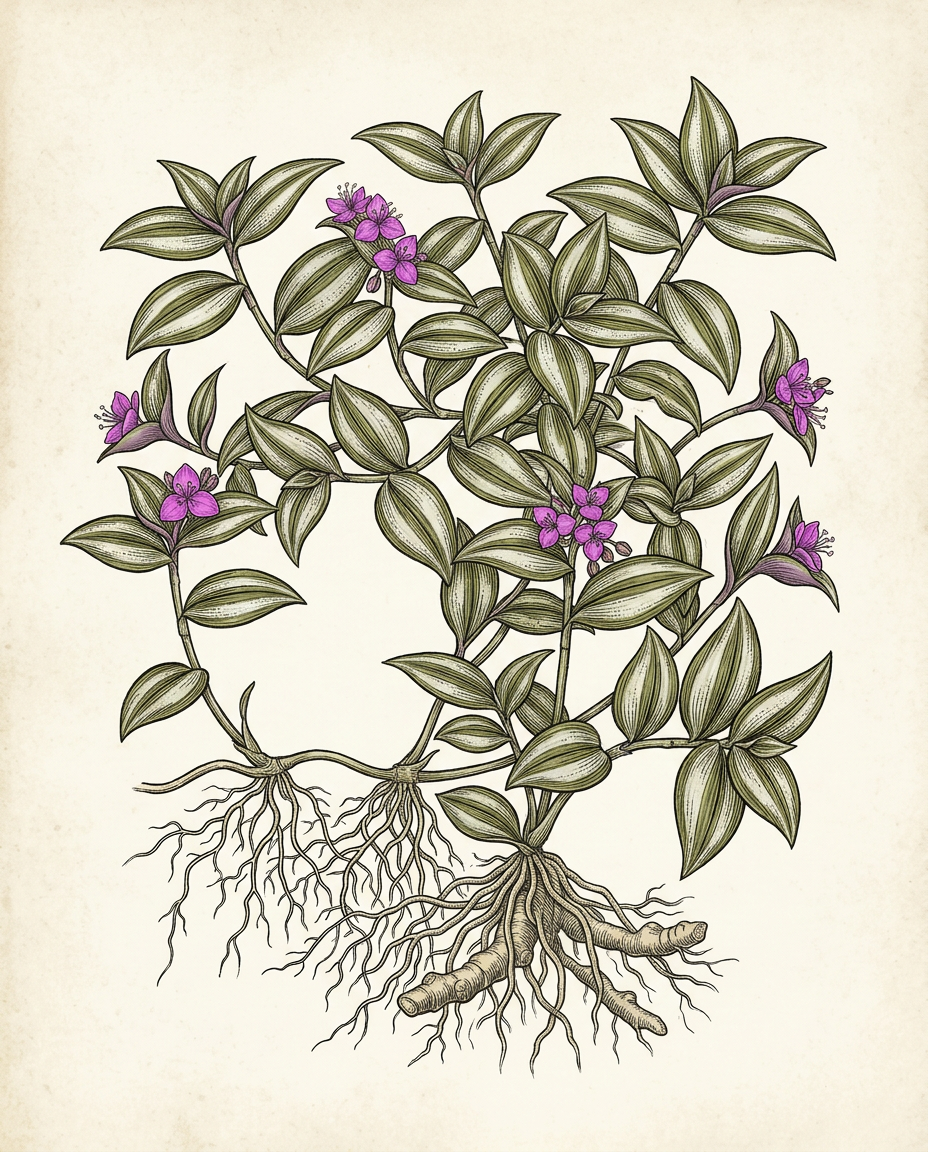
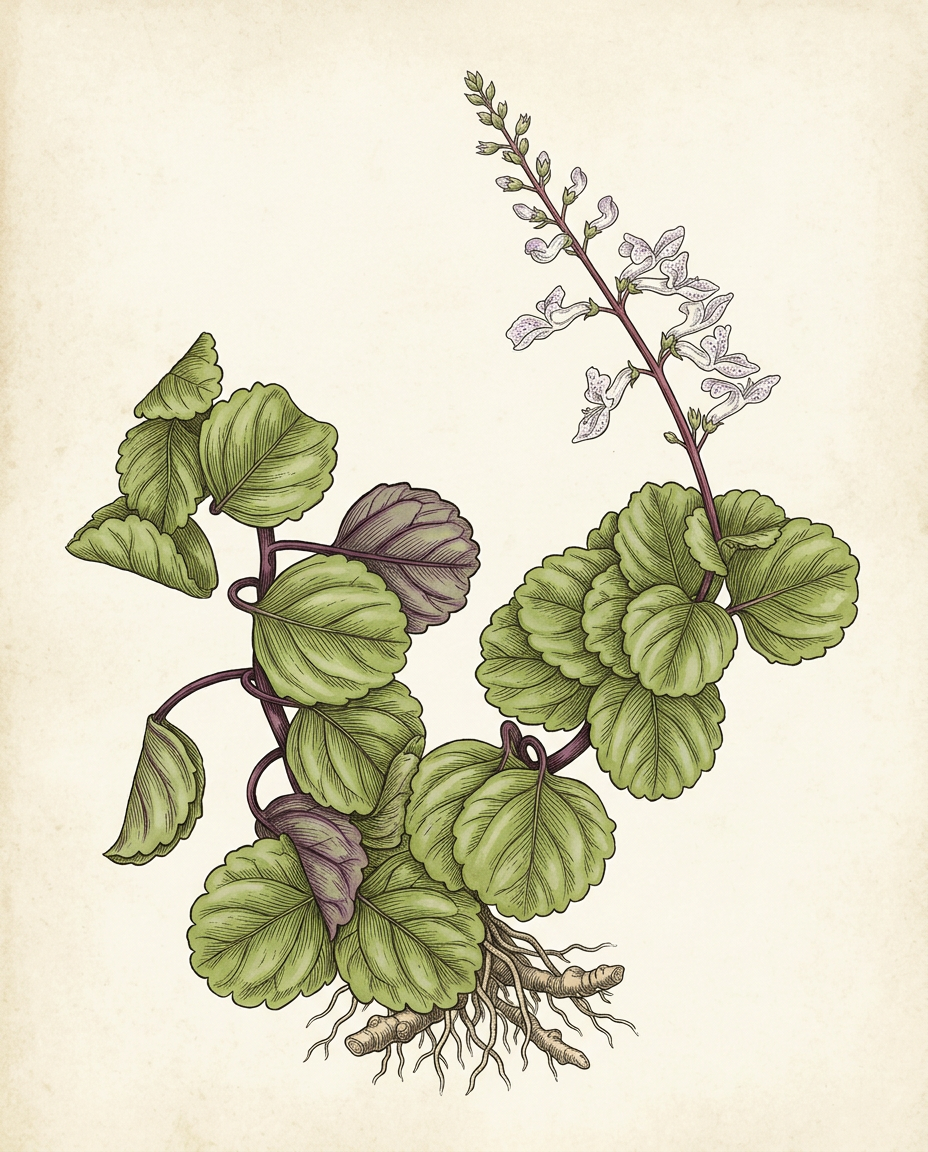
Plate IPilea nummulariifolia — Creeping Charlie. Trailing stems of rounded, puckered green leaves. Lamiaceae. ASPCA non-toxic.
What happens if your cat eats it.
Yes — Creeping Charlie is safe for cats. The ASPCA lists Pilea nummulariifolia as Non-Toxic to Dogs, Non-Toxic to Cats, Non-Toxic to Horses. The trailing stems of rounded, puckered leaves are irresistible to some cats — they bat, chew, and pull on the foliage — and all of that play is completely harmless.
Creeping Charlie (Pilea nummulariifolia, family Lamiaceae) is a low-growing, trailing houseplant. It is not the same plant as Swedish Ivy (Plectranthus verticillatus), though the ASPCA lists "Swedish Ivy (Plectranthus)" as an additional common name. It is also not the same as Ground Ivy (Glechoma hederacea), a lawn weed that shares the "Creeping Charlie" nickname. This page covers the houseplant — the trailing Pilea with rounded, puckered leaves — and it is cat-safe.
ASPCA Data
According to the ASPCA, Creeping Charlie is listed under plants non-toxic to cats:
Non-Toxic to Dogs, Non-Toxic to Cats, Non-Toxic to Horses.
The ASPCA entry covers Pilea nummulariifolia specifically, with "Swedish Ivy (Plectranthus)" listed as an additional common name. There is no toxic principle recorded — the plant is fully safe.
Why it is safe
Pilea nummulariifolia has no recorded toxic principle. The ASPCA marks it non-toxic across all three animal categories (dogs, cats, horses) with no clinical signs entry. The leaves, stems, and sap contain nothing harmful to cats — a chewed leaf produces no toxic reaction.
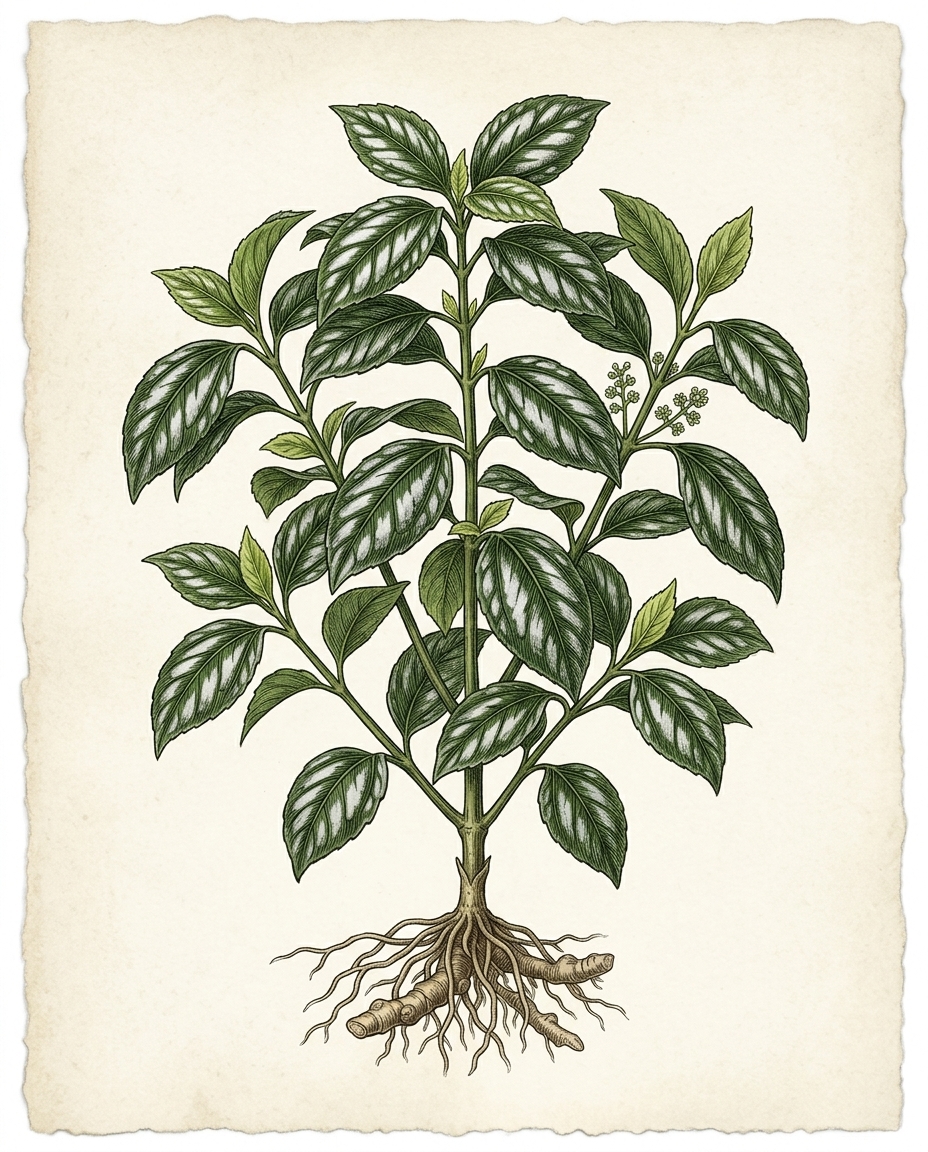
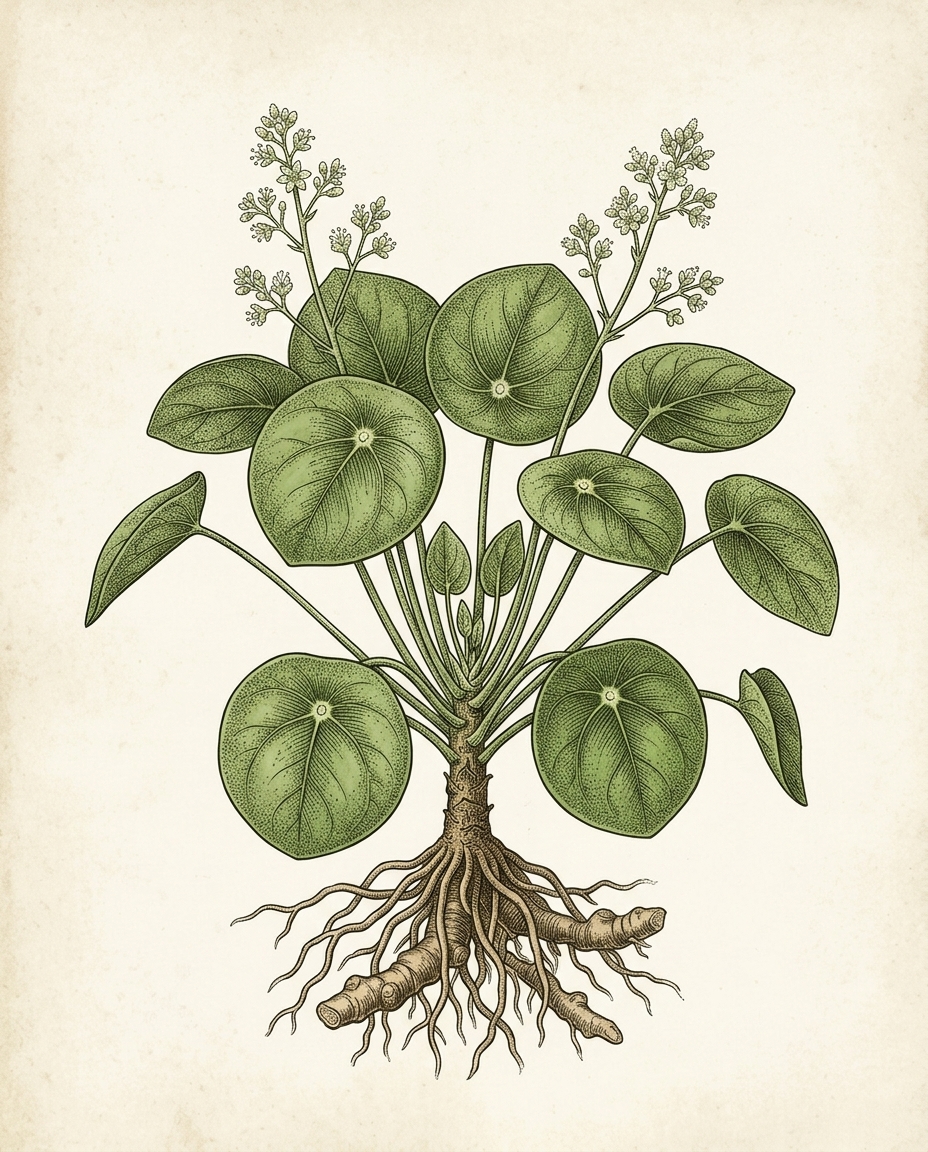
The broader Pilea genus is consistently cat-safe per ASPCA. Aluminum Plant (P. cadieri) and Chinese Money Plant (P. peperomioides) are also ASPCA-listed non-toxic, so if you have a Pilea in your home, the safety answer is the same across the genus.
Disambiguation: which "Creeping Charlie" do you mean?
"Creeping Charlie" is a common name used for at least two different plants:
- Pilea nummulariifolia (this page) — a trailing houseplant with rounded, puckered leaves. ASPCA non-toxic. This is the plant most cat owners are asking about.
- Glechoma hederacea (Ground Ivy) — a creeping lawn weed in the Lamiaceae family. Not the same plant, not a houseplant, and not what the ASPCA entry covers.
If you bought a plant labelled "Creeping Charlie" from a garden centre or houseplant shop, it is almost certainly Pilea nummulariifolia — the safe one.
The ASPCA also lists "Swedish Ivy (Plectranthus)" as an additional common name for this plant. However, the houseplant most people call Swedish Ivy is Plectranthus verticillatus — a different species in a different genus. Both are non-toxic to cats, so the safety answer is the same either way, but they are not the same plant.
A trailing plant that invites play
The long, cascading stems are a natural cat toy. Cats bat at the dangling foliage, pull on stems, and occasionally chew leaves. Because Pilea nummulariifolia is non-toxic, all of this is harmless.
The one practical consideration is that stems can snap if a cat pulls hard. This is not a health issue — it is a propagation opportunity. Snipped stems root easily in water within a week or two, so a playful cat can help you produce new plants.
Care for a cat-safe home
Creeping Charlie is an easy houseplant. Bright indirect light, even moisture, and standard houseplant compost are all it needs. A hanging basket or high shelf shows off the trailing habit and keeps the plant looking full. For full care details, see the care guide on this page.
The bottom line
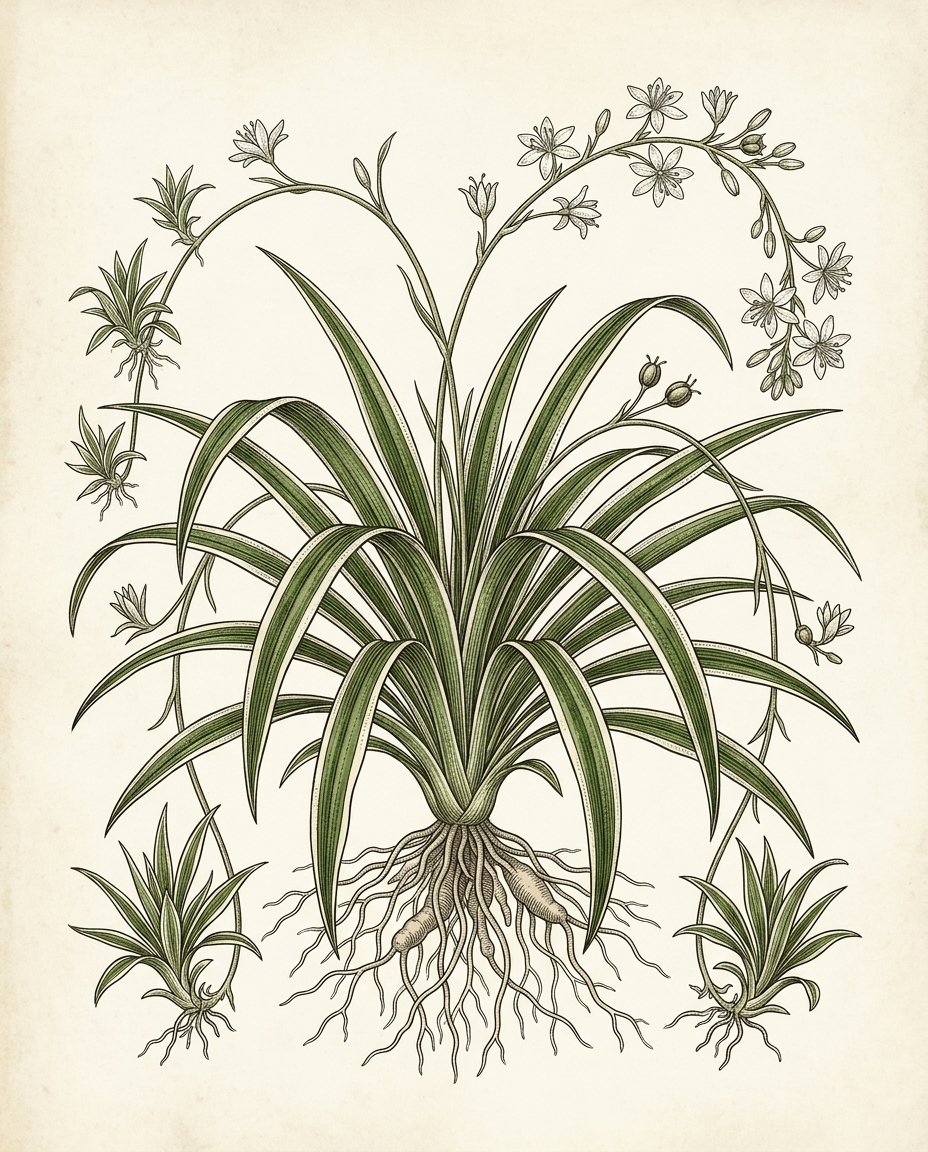
Creeping Charlie (Pilea nummulariifolia) is safe for cats — the ASPCA lists it as Non-Toxic to Dogs, Non-Toxic to Cats, Non-Toxic to Horses with no toxic principle. The trailing stems invite play, and that play is harmless. If you mean the houseplant with rounded, puckered leaves, it is cat-safe. For other cat-safe Pilea species, see Aluminum Plant and Spider Plant.
What we have actually seen.
No toxic principle — fully cat-safe
The ASPCA lists Pilea nummulariifolia (Creeping Charlie) as non-toxic to dogs, cats, and horses with no toxic principle recorded. A cat that chews the leaves or plays with the trailing stems will not experience any toxic reaction.
Trailing stems invite play
The long, cascading stems are irresistible to some cats — they bat, chew, and pull on the foliage. Because the plant is non-toxic, this is harmless. Stems that get damaged root easily in water, so a playful cat is a propagation opportunity rather than a danger.
Disambiguation — not the same as Ground Ivy
"Creeping Charlie" is a common name shared by two very different plants. This page covers Pilea nummulariifolia — the houseplant the ASPCA lists as non-toxic. The name is also used for Ground Ivy (Glechoma hederacea), a lawn weed in a completely different family. If you mean the houseplant with rounded, puckered leaves trailing from a pot, this is the right page and it is safe.
Disambiguation — not the same as Swedish Ivy
The ASPCA lists "Swedish Ivy (Plectranthus)" as an additional common name for this plant, but the houseplant commonly sold as Swedish Ivy is Plectranthus verticillatus — a different species in a different genus. Both are non-toxic to cats, but they are not the same plant. See our [Swedish Ivy page](/plants/swedish-ivy/) for the Plectranthus entry.
Keeping the plant alive.
Bright indirect
An east or north window is ideal. Creeping Charlie tolerates lower light but grows leggy and loses leaf density. Direct afternoon sun scorches the leaves.
Even moisture
Keep the soil lightly moist. Pilea nummulariifolia wilts quickly when dry but recovers within hours of watering. Do not let the pot sit in standing water.
Standard houseplant compost
Regular peat-based houseplant compost works well. Free-draining is fine — the plant is not fussy about soil mix as long as it is not waterlogged.
Hanging basket, shelf
The trailing habit suits a hanging basket, a high shelf, or the edge of a plant stand. Stems can reach 30 cm or more. Cats can investigate freely with no toxicity concern — the trailing foliage is a feature, not a hazard.
- ASPCA Animal Poison Control Center. Toxic and Non-Toxic Plants: Creeping Charlie.Accessed June 2026 · aspca.org · Pilea nummulariifolia · Non-Toxic to Dogs, Non-Toxic to Cats, Non-Toxic to Horses · Family Lamiaceae · Additional Common Names: Swedish Ivy (Plectranthus)
If you liked this, also safe.