Watermelon
Peperomia.
Peperomia argyreia
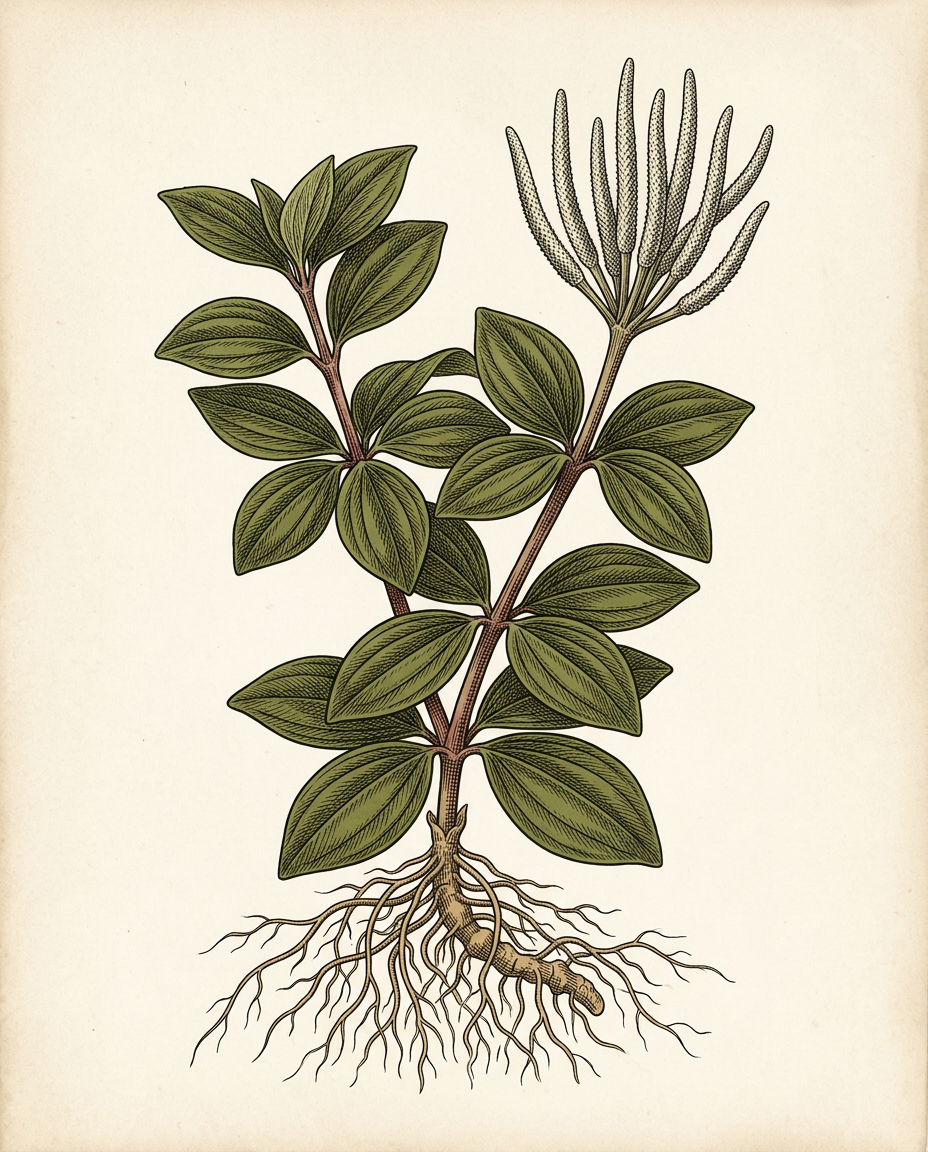
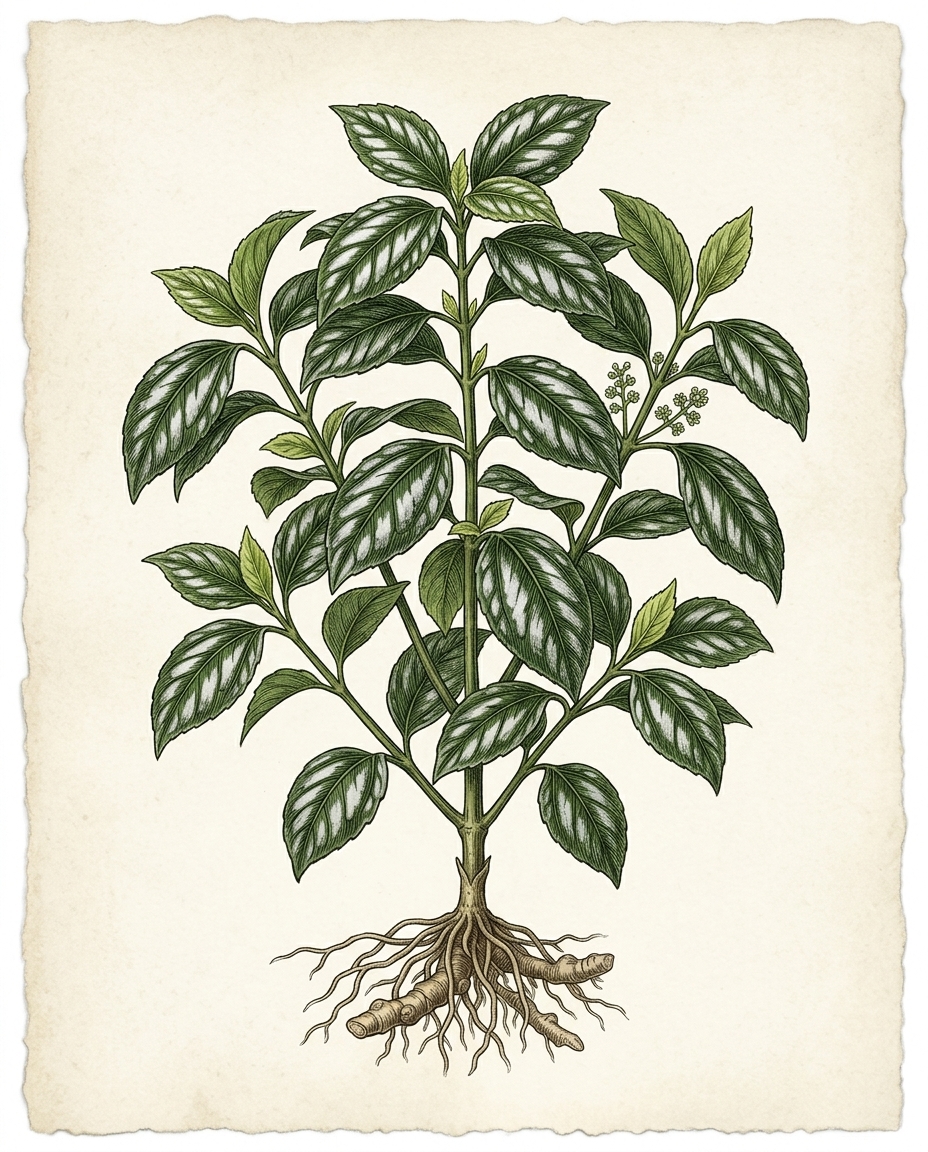
Yes — watermelon peperomia is safe for cats. The ASPCA lists it as non-toxic. A compact foliage plant with grey-green and darker green striped leaves resembling watermelon skin. CRITICAL DISAMBIG: ASPCA also lists "Watermelon Begonia" (different genus, also safe) and "Aluminum Plant" (also called "Watermelon Plant" by ASPCA, also safe). Know which plant you have.
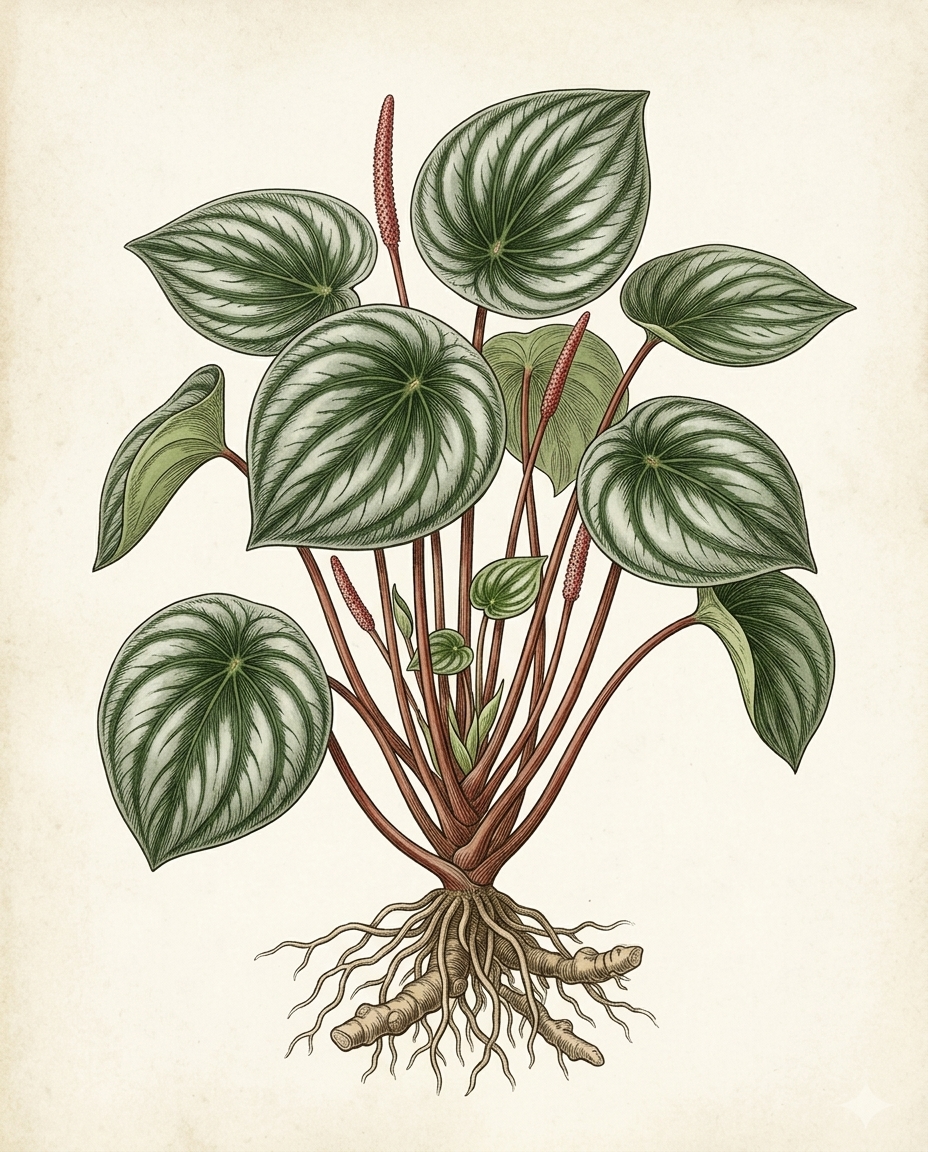
Plate IWatermelon peperomia (Peperomia argyreia) — a compact foliage plant with distinctive striped leaves. Completely non-toxic to cats per ASPCA.
Watermelon peperomia— safe to grow freely.
Yes — watermelon peperomia is safe for cats. The ASPCA lists it as non-toxic.
But here's the naming trap: Three different plants have "watermelon" in their common names. All are safe for cats. But they have different genera, different leaf shapes, and different care needs. When you buy, verify the genus: Peperomia, Pilea, or Pellionia.
ASPCA Data
According to the ASPCA:
Toxic Principles: Non-toxic. (Listed under Plants Non-Toxic to Cats.)
Watermelon peperomia carries no toxins and is safe for homes with cats.
The Three "Watermelon" Plants
| Common Name | Latin Name | Family | Leaf Shape | Toxicity | |---|---|---|---|---| | Watermelon Peperomia | Peperomia argyreia | Piperaceae | Rounded, striped | Safe | | Aluminum Plant | Pilea cadieri | Urticaceae | Narrow, pointed | Safe (ASPCA calls it "Watermelon Plant") | | Watermelon Begonia | Pellionia daveauana | Acanthaceae | Oval, striped, trailing | Safe |
The naming problem: ASPCA itself lists Aluminum Plant under the alternative name "Watermelon Plant," adding to the confusion. All three are safe, but they're different plants with different care requirements.
How to tell them apart:
- Watermelon Peperomia: Broad rounded leaves with grey-green and dark green stripes. Compact mounding growth. Peperomia genus.
- Aluminum Plant: Narrow, pointed, silvery-grey leaves. Upright growth. Pilea genus.
- Watermelon Begonia: Trailing vine with oval striped leaves (red undersides). Vining growth. Pellionia genus.
Check the genus on the label before buying.
What You're Growing
Watermelon peperomia is a small, compact foliage plant featuring:
- Distinctive striped leaves — Grey-green with darker green stripes, resembling watermelon skin
- Mounding growth habit — Compact, bushy form, rarely exceeding 8 inches tall
- Tender stems — Fragile foliage; handle gently
- Low-water requirements — Prefers drier conditions than most houseplants
It's popular as a tabletop plant because it's small, attractive, and easy to care for (if you don't overwater).
Growing Watermelon Peperomia
Light: Bright, indirect light. East-facing windows work well. This plant needs 3–4 hours of decent light daily. Too little light causes leggy, sparse growth.
Water: The KEY to peperomia success: water sparingly. Let the soil dry out between waterings. Overwatering is the main killer of peperomia plants. They prefer dry to moist conditions.
Soil: Use a well-draining, gritty mix. Add perlite or sand to standard potting soil for excellent drainage. Peperomia roots despise sitting in wet soil.
Humidity: Not fussy. Standard room humidity is fine. No misting needed.
Temperature: Prefers warm (65–75°F). Protect from cold drafts and sudden temperature changes.
Safe for Cats
Your cat can brush against the foliage, nibble leaves, or be around the plant without any toxin risk. All parts of watermelon peperomia are non-toxic.
The caveat: Watermelon peperomia is compact and accessible. If your cat is a plant nibbler, they may damage the delicate foliage. Place it out of reach if needed — not for toxin risk, but to preserve the plant.
Important: Verify the Genus
When buying a "watermelon" plant, ask the nursery: "Is this Peperomia argyreia (watermelon peperomia), Pilea cadieri (aluminum plant), or Pellionia daveauana (watermelon begonia)?" All three are safe, but they have different care needs.
- Peperomia: Compact, rounded leaves, very low water
- Pilea: Upright, narrow leaves, moderate water
- Pellionia: Trailing vine, oval leaves, moderate water
Other Safe Compact Foliage Plants
If you love small striped-leaf plants:
- Peperomia species — Many varieties, all safe for cats, various stripe patterns
- Aluminum Plant (Pilea) — Different genus, similar tabletop role, also safe
- Begonia — Many varieties are safe; check ASPCA if buying a specific type
The Bottom Line
Watermelon peperomia is a safe, compact foliage plant with distinctive watermelon-striped leaves. Grow it freely around cats with no toxin concern. The naming trap is real — three "watermelon" plants exist, but all are ASPCA-safe. Just verify the genus at purchase.
All parts of watermelon peperomia are non-toxic — leaves, stems, and roots.
What we have actually seen.
Distinctive striped leaves
Watermelon-patterned foliage is attractive and compact. Leaf stripes are the plant's defining feature.
Compact tabletop size
Rarely exceeds 8 inches tall. Perfect for shelves, windowsills, or desks. Doesn't spread aggressively.
Fragile foliage
Tender stems and leaves. Handle gently; rough handling causes damage. Cats rubbing against it may bend stems.
Low water tolerance
Overwatering is the main killer. Prefer drier conditions. Once established, very low maintenance.
Four common varieties.
Peperomia argyreia (Grey-green striped form)
The classic variety with distinctive watermelon-patterned leaves. Compact, mounding growth. Easy care tabletop plant.
Keeping the plant alive.
Bright, indirect light
East-facing windows ideal. Prefers bright conditions (3–4 hours minimum). Too little light leads to leggy, sparse growth.
Keep soil barely moist
Water sparingly. Let the soil dry between waterings. Overwatering is the main killer of peperomia — they prefer dry to moist.
Average humidity
Not fussy about humidity. Standard room humidity is fine. No misting needed.
Well-draining, gritty mix
Use a peat-based mix with perlite or sand for excellent drainage. Peperomia roots dislike wet soil.
- ASPCA Animal Poison Control Center. Toxic and Non-Toxic Plants: Watermelon Peperomia.Accessed June 2026 · aspca.org
If you liked this, also safe.