Lipstick
Plant.
Aeschynanthus humilis
Yes — lipstick plant is safe for cats. The ASPCA lists it as non-toxic. A trailing houseplant with dark waxy leaves and tubular red flowers. CRITICAL: String-of-pearls looks similar but is TOXIC to cats. Know the difference.
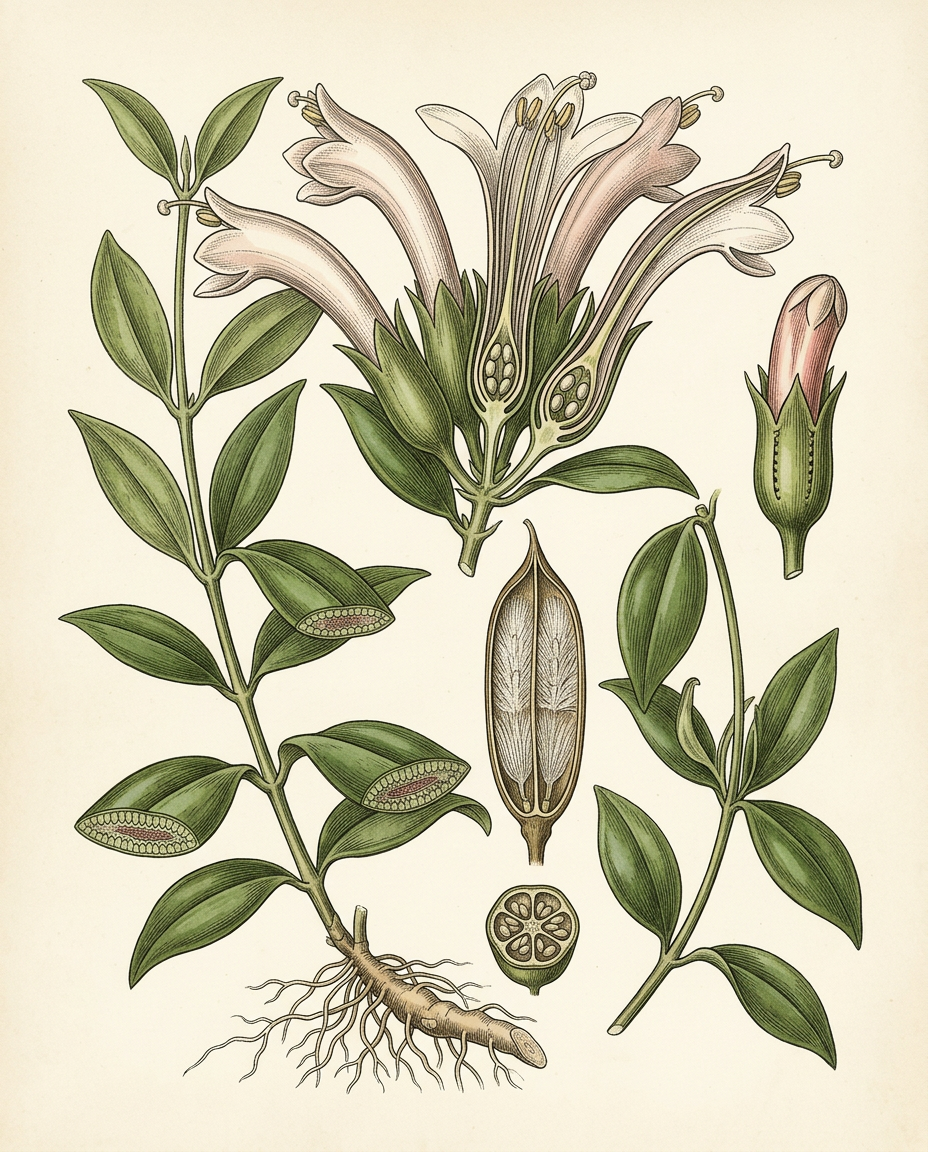
Plate ILipstick plant (Aeschynanthus humilis) — a trailing houseplant with dark, waxy leaves and tubular red flowers resembling a lipstick tube. Completely non-toxic to cats per ASPCA.
Lipstick plant is safe— but string-of-pearls is not.
Yes — lipstick plant is safe for cats. The ASPCA lists it as non-toxic.
But here's a critical warning: String-of-pearls looks similar to lipstick plant — both are trailing houseplants with small-leafed vines — but string-of-pearls is toxic to cats. When shopping for trailing plants, verify the species before buying.
ASPCA Data
According to the ASPCA:
Toxic Principles: Non-toxic. (Listed under Plants Non-Toxic to Cats.)
Lipstick plant carries no toxins and is completely safe.
The Trailing Plant Disambiguation
| Plant Name | Latin Name | Appearance | Toxicity | Family | |---|---|---|---|---| | Lipstick Plant | Aeschynanthus humilis | Dark waxy leaves, red flowers | Safe | Gesneraceae | | String-of-Pearls | Senecio rowleyanus | Tiny round bead-like leaves | Toxic | Asteraceae | | Wax Plant | Hoya spp. | Thick waxy leaves, pink/white flowers | Safe | Apocynaceae |
Key visual difference: Lipstick plant has large, dark, waxy leaves with red tubular flowers. String-of-pearls has tiny, round, bead-like succulent leaves. Know this difference before you shop.
What You're Growing
Lipstick plant is a trailing houseplant with:
- Dark, waxy leaves — Glossy, attractive, low-maintenance foliage
- Tubular red flowers — Resembles a lipstick tube (hence the name)
- Trailing vine growth — Cascades beautifully from hanging baskets
- Slow to moderate growth — Steady but not aggressive
- Alternative names — Lipstick Vine, Basket Vine, Aeschynanthus
It's a popular houseplant because it's easy to grow, visually appealing, and safe for homes with cats and dogs.
Growing Lipstick Plant
Light: Bright, indirect light. East-facing windows work well. Avoid direct hot sun, which scorches the leaves. Low light reduces blooming.
Water: Keep soil lightly moist but not waterlogged. Water when the top inch of soil feels dry. Reduce watering in winter. Avoid letting the plant dry out completely.
Humidity: Tropical plant — appreciates moderate to higher humidity. Mist the leaves occasionally or use a pebble tray with water underneath the pot.
Trailing: Lipstick plant trails naturally. Hang it in a basket, place it on a high shelf, or use a trailing planter where the vines can cascade. This displays both the foliage and flowers beautifully.
Temperature: Prefers warm conditions (65–75°F). Protect from cold drafts.
Safe for Cats
Your cat can brush against the trailing vines, nibble the leaves, or be around the flowers without any toxin risk. All parts of lipstick plant are non-toxic.
The only downside: cats may damage or knock over the plant if they become fascinated with the cascading vine. Hang it securely out of reach if your cat is particularly curious about dangling plants.
Important: Verify Species Before Buying
String-of-pearls (Senecio rowleyanus) is sold alongside other trailing succulents and is toxic to cats. Visual distinction:
- Lipstick plant: Large dark waxy leaves, red flowers, not a succulent
- String-of-pearls: Tiny round bead-like succulent leaves, white flowers, no red blooms
If unsure, ask the nursery staff: "Is this Aeschynanthus humilis (lipstick plant) or Senecio rowleyanus (string-of-pearls)?" Don't leave without a clear answer.
Other Safe Trailing Plants
If you love trailing houseplants:
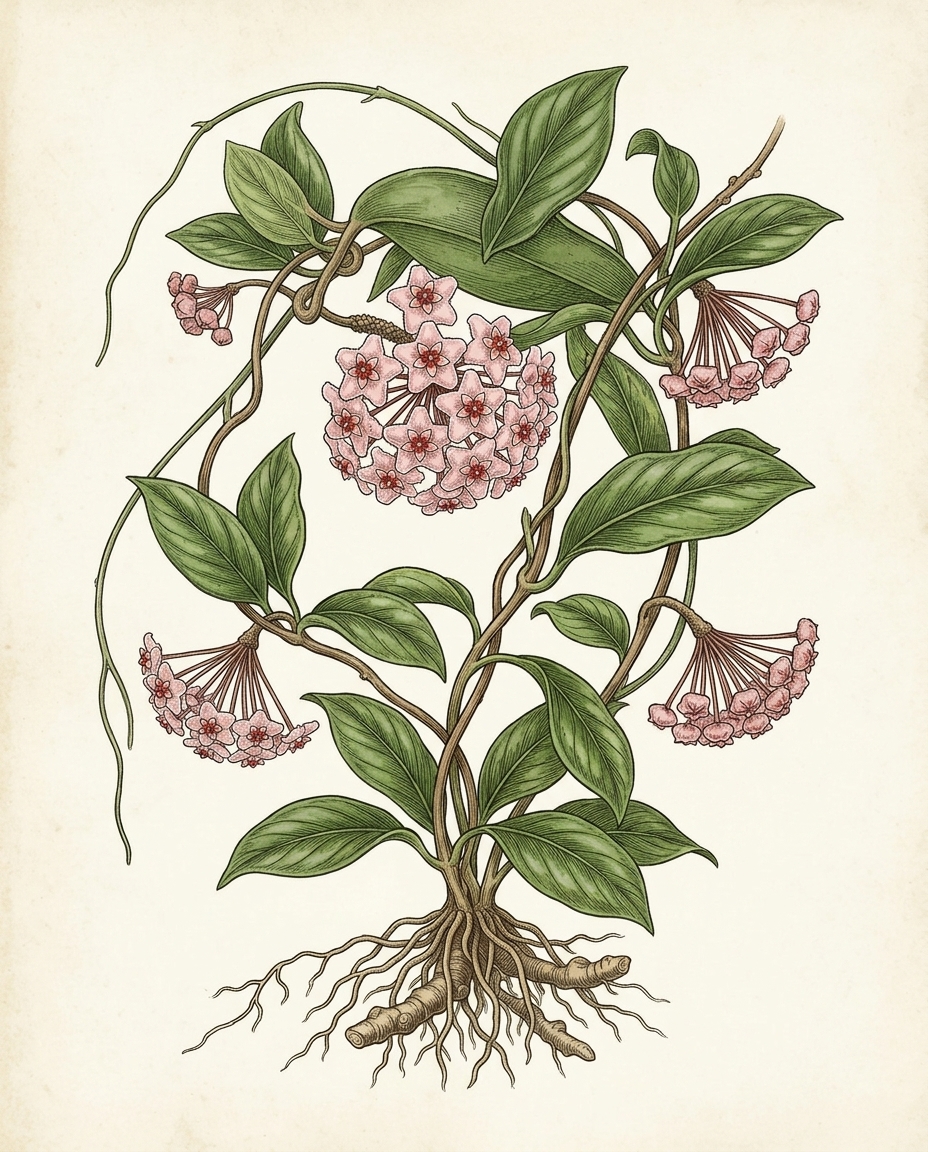
- Wax plant (Hoya) — Another Gesneraceae relative, safe for cats, with thick waxy leaves and beautiful pink or white waxy flowers
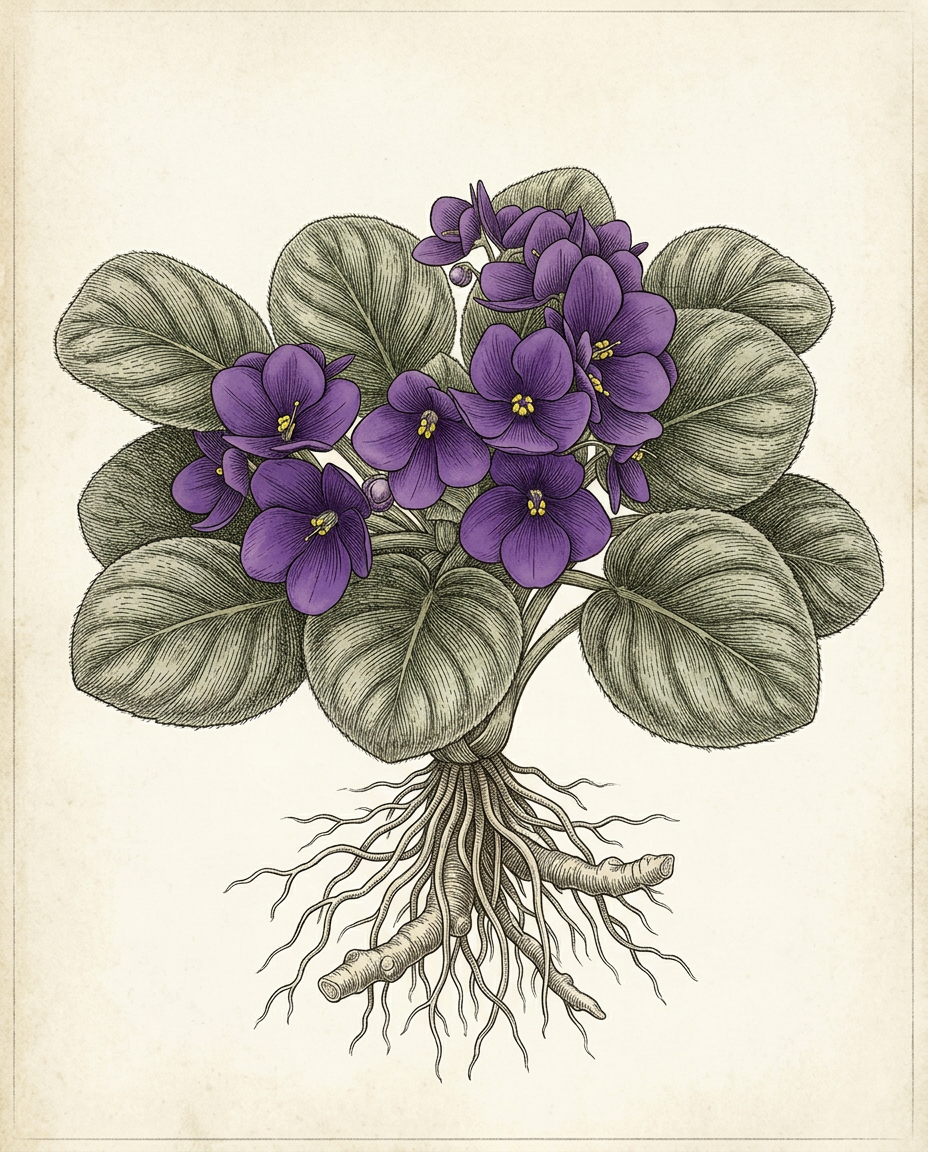
- African violet — Same family (Gesneraceae), compact instead of trailing, but equally safe
The Bottom Line
Lipstick plant is a cat-safe trailing houseplant with dark waxy leaves and red flowers. It's easy to grow on a high shelf or in a hanging basket. But when shopping for trailing plants, always verify the species to avoid string-of-pearls, which is toxic to cats.
All parts of lipstick plant are non-toxic — leaves, stems, and flowers.
What we have actually seen.
Tubular red flowers
Bright red blooms resemble lipstick tubes — the origin of the common name. Flowers appear with consistent bright light.
Trailing cascading growth
Natural trailing form cascades from hanging baskets. Easy to train and low-maintenance once established.
Waxy leaves stay glossy
Dark, shiny leaves require minimal cleaning. Dust occasionally with a soft cloth if desired.
Sensitive to overwatering
Root rot is the main issue — avoid waterlogging. Tropical but not swamp-dwelling. Balance moisture carefully.
Four common varieties.
Aeschynanthus humilis (Red flowering form)
Classic variety with glossy dark leaves and bright red tubular flowers. Trailing form, excellent for hanging baskets.
Keeping the plant alive.
Bright, indirect light
Prefers bright conditions without direct hot sun. East-facing windows work well. Low light may reduce blooming.
Keep soil lightly moist
Water when the top inch of soil feels dry. Reduce watering in winter. Avoid waterlogging and dry extremes.
Moderate humidity
Tropical plant — appreciates higher humidity. Mist occasionally or use a pebble tray if air is very dry.
Hang or elevate
Lipstick plant trails beautifully. Hang in a basket or place on a high shelf to showcase cascading growth.
- ASPCA Animal Poison Control Center. Toxic and Non-Toxic Plants: Lipstick Plant.Accessed June 2026 · aspca.org
If you liked this, also safe.