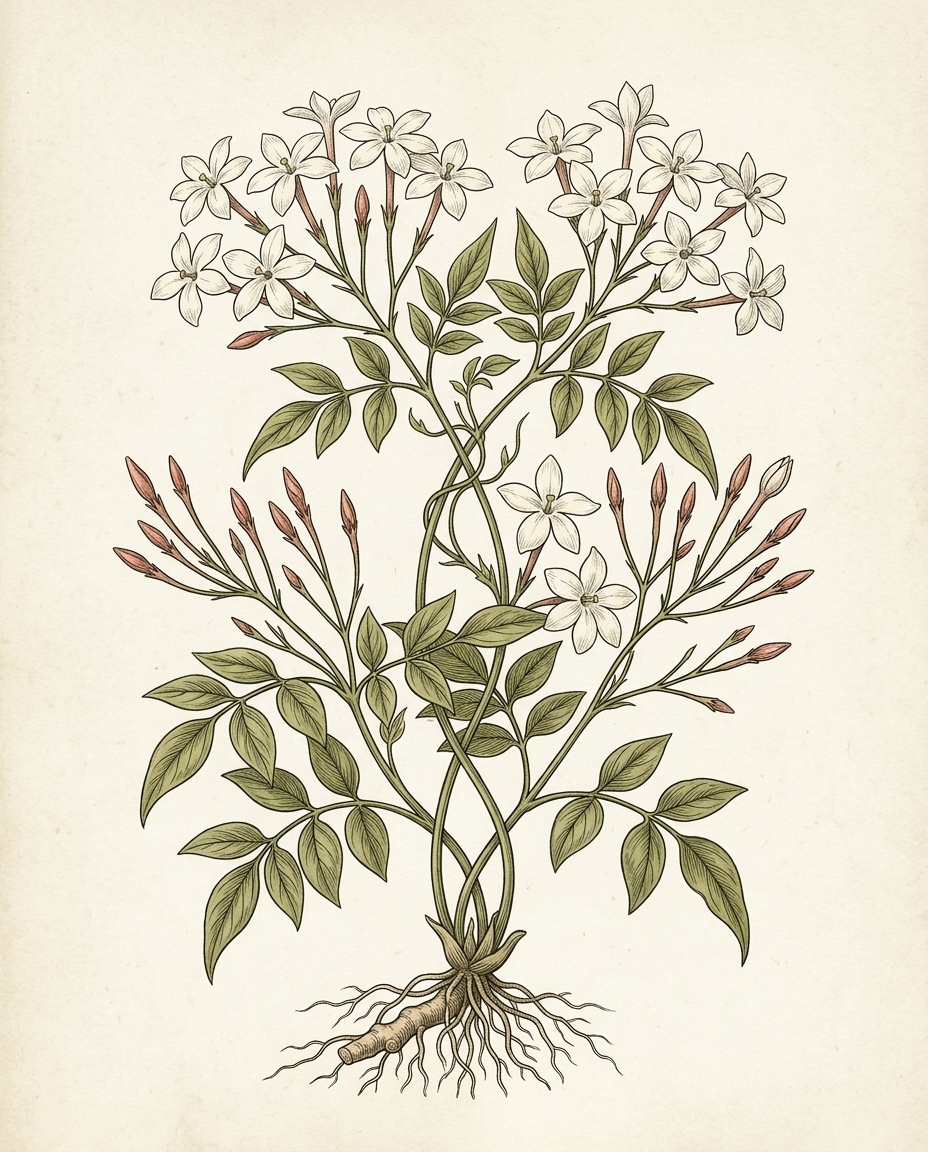
Madagascar
Jasmine.
Stephanotis floribunda
Yes — Madagascar jasmine is safe for cats. The ASPCA lists it as non-toxic. Sold as bride's flower or wax flower, it's a tropical vine with white, fragrant star-shaped blooms. Note the naming trap: true jasmine (this plant) is non-toxic; Carolina and Cape jasmine are different plants and toxic to cats.
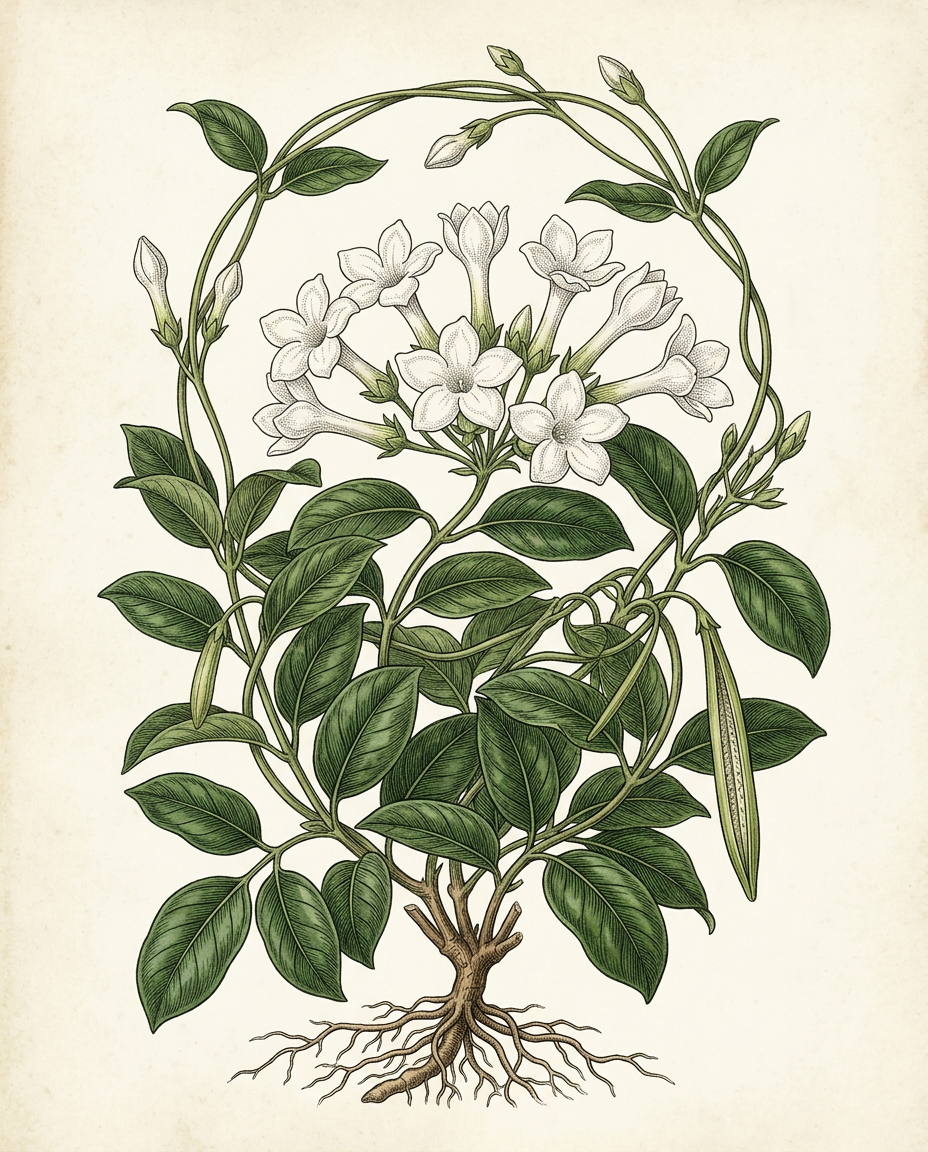
Plate IMadagascar jasmine (Stephanotis floribunda) — a tropical vine with white, star-shaped fragrant flowers. Completely non-toxic to cats per ASPCA.
Madagascar jasmine is— safe to grow.
Yes — Madagascar jasmine is safe for cats. The ASPCA lists it as non-toxic.
But here's the naming trap: This plant is called "jasmine," but it's not a true jasmine. And there are two other plants also called "jasmine" that are toxic to cats. When buying, verify the species. If the label says Stephanotis floribunda, you have the safe one.
ASPCA Data
According to the ASPCA:
Toxic Principles: Non-toxic. (Listed under Plants Non-Toxic to Cats.)
Madagascar jasmine carries no toxins. It is completely safe to grow around cats.
The Jasmine Naming Trap
| Common Name | Latin Name | Toxicity | Family | |---|---|---|---| | Madagascar Jasmine | Stephanotis floribunda | Safe | Apocynaceae | | Carolina Jasmine | Gelsemium sempervirens | Toxic | Loganiaceae | | Cape Jasmine | Gardenia jasminoides | Toxic | Rubiaceae | | True Jasmine | Jasminum spp. | Varies | Oleaceae |
The bottom line: Only Stephanotis floribunda — Madagascar jasmine — is on this page and is ASPCA-verified safe. If the label doesn't specify the genus and species, ask the nursery or don't buy it.
What You're Growing
Madagascar jasmine is a tropical climbing vine with:
- Glossy dark green leaves — Pointed, smooth, attractive
- Fragrant white star-shaped flowers — Clustered blooms, especially in spring/summer
- Slow to moderate growth — Climbs steadily with support
- Alternative names — Bride's Flower, Hawaiian Wedding Flower, Wax Flower, Stephanotis
It's a popular houseplant for trellis training or window displays, particularly around weddings (hence "bride's flower").
Growing Madagascar Jasmine
Light: Bright, indirect light with 6+ hours of direct sunlight daily. South or west-facing windows are ideal. Blooming depends on adequate light.
Water: Keep soil evenly moist but not waterlogged. Water when the top inch of soil feels dry. Reduce watering in winter.
Humidity: This is a tropical plant — it prefers moderate to high humidity. If your home is very dry, mist the leaves or place the pot on a pebble tray with water.
Support: Madagascar jasmine is a vine and needs something to climb — a trellis, moss pole, or stakes. Without support, it becomes leggy and sparse.
Temperature: Prefers warm conditions (65–75°F). Protect from cold drafts.
Safe for Cats
Your cat can brush against the vines, nibble the leaves, walk under the trellis, or be around the flowers without any toxin risk. No parts of this plant are toxic.
The only downside: cats may damage or knock over the plant if they become fascinated with the climbing vine. Place it on a stable shelf or hang the trellis securely.
Important Note: Verify Species Before Buying
Carolina jasmine (Gelsemium sempervirens) and Cape jasmine (Gardenia jasminoides) are sold in many plant shops and are toxic to cats. Always verify the Latin name on the label before purchasing a "jasmine" plant.
If unsure, ask the nursery staff: "Is this Stephanotis floribunda?" If they can't confirm, don't buy it.
The Bottom Line
Madagascar jasmine (Stephanotis floribunda) is a safe, fragrant tropical vine for cat households. It's not a true jasmine, but it's the one jasmine safe for cats. Verify the species, provide bright light and humidity, and enjoy the fragrant white flowers without worry.
All parts are non-toxic — leaves, stems, flowers, and roots.
What we have actually seen.
Fragrant white flowers
Star-shaped white blooms cluster on vine tips, especially in spring/summer. Fragrance is pleasant and non-toxic.
Slow-growing tropical vine
Climbs steadily with support. Not fast-growing, but reliable and elegant on a trellis or moss pole.
Low maintenance once established
Once acclimated to humidity and light, Madagascar jasmine requires basic water and light. Fewer pests than many tropicals.
Tropical elegance
Popular wedding and gift plant. Adds sophisticated climbing greenery to interiors. Cat-safe alternative to toxic climbing vines.
Four common varieties.
Stephanotis floribunda (White flowering form)
The classic variety with white star-shaped flowers. Glossy green leaves, fragrant blooms in spring/summer.
Keeping the plant alive.
Bright, indirect light
South or west-facing windows work well. Madagascar jasmine flowers best with consistent bright light (6+ hours daily).
Keep soil evenly moist, not soggy
Water when the top inch of soil feels dry. Reduce watering in winter. Avoid waterlogging, which causes root rot.
Moderate to high humidity
Tropical plant — prefers humid air. Mist leaves or use a pebble tray if indoor air is very dry.
Provide trellis or stakes
This is a climbing vine. Give it a trellis, stakes, or a moss pole to climb naturally.
- ASPCA Animal Poison Control Center. Toxic and Non-Toxic Plants: Madagascar Jasmine.Accessed June 2026 · aspca.org
If you liked this, also safe.