Tarragon
Artemisia dracunculus
Yes — tarragon is toxic to cats. The ASPCA lists it as poisonous to cats, dogs, and horses. Essential oils in tarragon cause mild vomiting and diarrhea. Moderate severity; symptoms are usually self-limiting but veterinary guidance is recommended for larger ingestions.
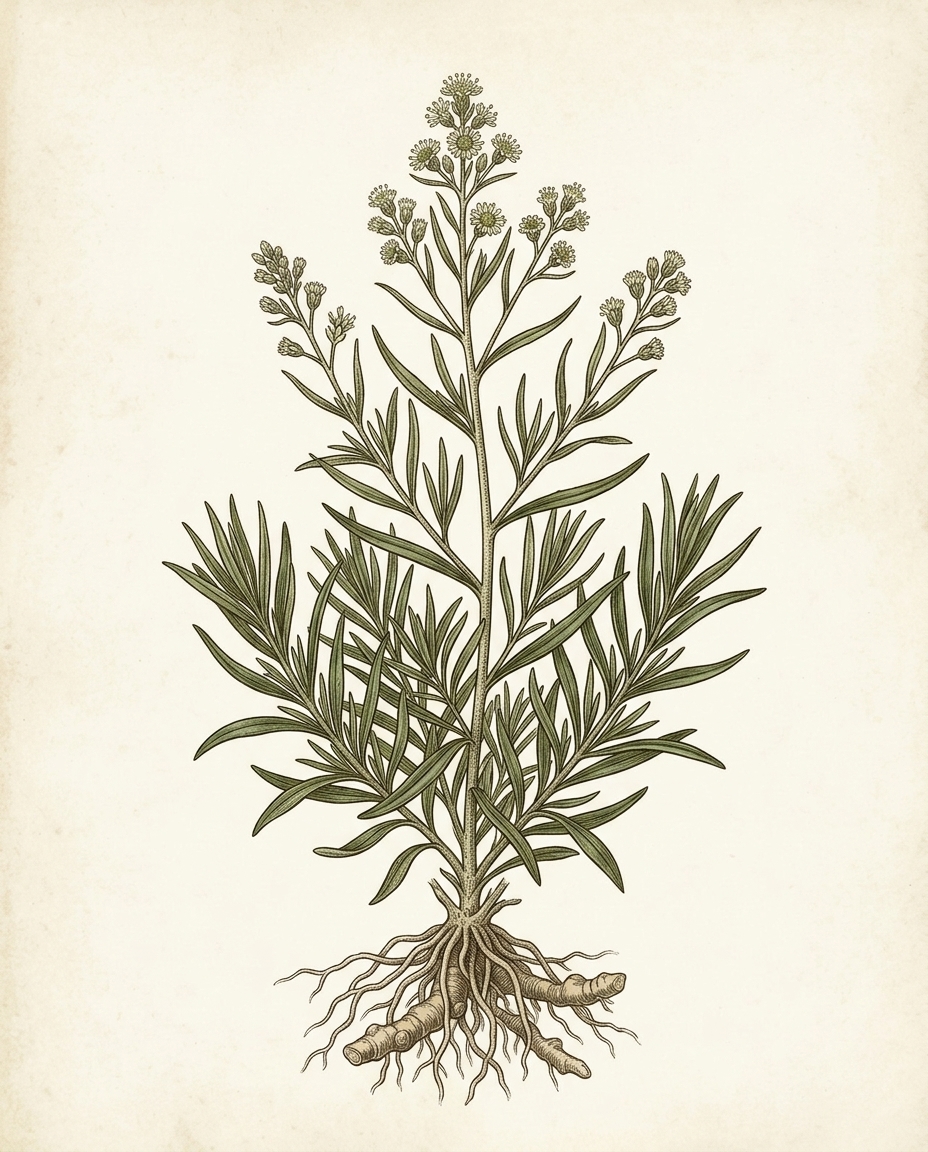
Plate IFrench tarragon (Artemisia dracunculus) — a culinary herb with delicate, feathery leaves. Essential oils in the foliage cause mild GI symptoms in cats.
Three plants that look the part, without the risk.
Safe culinary herbs you can grow on a kitchen windowsill without essential oil toxins. Perfect for cooking and completely cat-safe.
Basil
Fine leafy culinary herb, similar growing conditions to tarragon, ASPCA non-toxic to cats.
Oregano
Aromatic culinary herb, kitchen windowsill staple, ASPCA verified non-toxic for cats.
Mint
Fragrant herb with similar leafy form, often grown on windowsills, safe for cats (most varieties).
What it does to a cat.
Yes — tarragon is toxic to cats. The ASPCA lists it as poisonous to cats, dogs, and horses due to essential oils. The good news: tarragon toxicity is mild. Ingestion usually causes only mild vomiting and diarrhea, which resolve within 24 hours.
ASPCA Data
According to the ASPCA:
Toxicity: Toxic to Dogs, Toxic to Cats, Toxic to Horses. Toxic Principles: Essential Oils. Clinical Signs: Mild vomiting and diarrhea.
Tarragon is popular as a kitchen herb, grown on sunny windowsills and in herb gardens. If you have a cat and grow tarragon, the risk is real but moderate.
How Essential Oils Work
Tarragon (particularly French tarragon, Artemisia dracunculus) contains volatile essential oils that irritate the digestive tract:
- Digestive irritation — Essential oils trigger mild inflammation in the stomach and intestines
- Nausea & vomiting — Within hours, a cat may vomit after eating tarragon leaves
- Diarrhea — GI upset may cause loose stools or diarrhea
- Self-resolution — Symptoms are usually mild and pass within 24 hours without treatment
The toxicity is not severe — deaths are not documented, and serious complications are rare. However, any vomiting or diarrhea warrants veterinary attention if it persists.
What to Do If Your Cat Eats It
Monitor and contact your vet if symptoms persist.
- Remove the plant from reach immediately
- Offer fresh water — Dehydration from diarrhea is the main concern
- Watch for vomiting or diarrhea — These are expected and usually brief
- Contact your vet if — Vomiting persists beyond 24 hours, cat appears lethargic, or symptoms worsen
- Do not induce vomiting — The upset will pass on its own
Most cases resolve without treatment, but call your vet if you are concerned about the size of ingestion or if symptoms don't improve.
Safe Culinary Herbs Instead
If you want to grow herbs on your kitchen windowsill without toxin risk:
- Basil — Fine leafy culinary herb, identical growing conditions to tarragon, completely safe for cats
- Oregano — Aromatic herb, ASPCA verified non-toxic
- Mint — Fragrant and safe (most mint varieties; verify species with your vet if unsure)
All three are as easy to grow as tarragon and offer the same culinary appeal without the essential oil hazard.
The Bottom Line
Tarragon is a culinary staple but a mild toxin to cats. If you grow it, keep it on a high shelf or behind a closed door — or choose a cat-safe herb instead. Ingestion usually causes mild, self-limiting GI upset.
All parts of the plant — leaves, stems, flowers — contain essential oils. Even a small nibble can cause symptoms, though large ingestions are more likely to trigger noticeable vomiting or diarrhea.
What we have actually seen.
Mild vomiting
Essential oils irritate the stomach lining, causing nausea and occasional vomiting. Usually resolves within hours.
Diarrhea
GI upset from essential oils may cause loose stools or mild diarrhea. Usually self-limiting within 24 hours.
Lethargy
Cats may appear drowsy or less active after ingestion due to the effects of essential oil compounds.
Appetite loss
A sore or irritated stomach may reduce appetite for a day. Offer soft food and monitor.
- ASPCA Animal Poison Control Center. Toxic and Non-Toxic Plants: Tarragon.Accessed June 2026 · aspca.org