Privet
Ligustrum japonicum
Yes — privet is toxic to cats. The ASPCA lists it as poisonous to cats, dogs, and horses. Terpenoid glycosides in privet cause gastrointestinal upset, incoordination, increased heart rate, and in rare cases, death. Moderate severity; veterinary care recommended.
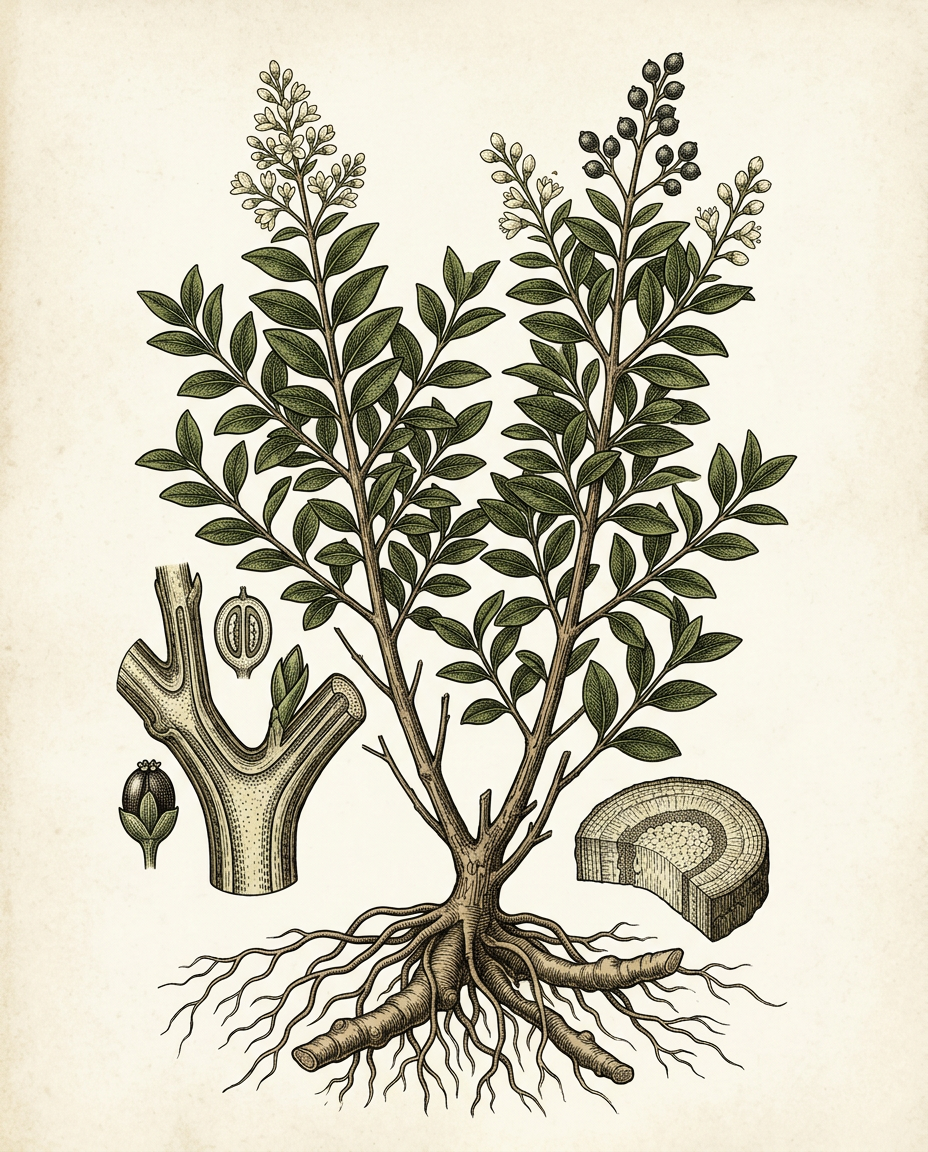
Plate IJapanese privet (Ligustrum japonicum) — a common evergreen hedge plant. All parts contain terpenoid glycosides; ingestion causes GI upset and cardiac effects.
Three plants that look the part, without the risk.
Non-toxic hedging plants that offer the same screening, structure, and evergreen foliage without terpenoid glycoside toxins.
Yew (Check first—also toxic!)
Similar evergreen hedge use, but YEW IS ALSO TOXIC. Do not substitute with yew. Choose non-toxic options below.
Boxwood
Dense evergreen hedging shrub, same formality as privet, ASPCA non-toxic.
Holly
Evergreen with structural presence, though many holly species are toxic—verify with ASPCA before planting.
What it does to a cat.
Yes — privet is toxic to cats. The ASPCA lists it as poisonous to cats, dogs, and horses due to terpenoid glycosides — compounds that disrupt the digestive and nervous systems. While deaths are rare, they have been documented.
ASPCA Data
According to the ASPCA:
Toxicity: Toxic to Dogs, Toxic to Cats, Toxic to Horses. Toxic Principles: Terpenoid glycosides. Clinical Signs: Gastrointestinal upset (most common), incoordination, increased heart rate, death (rare).
Privet is a popular hedging plant worldwide, which means many households — especially those with outdoor gardens — may have it planted without realising the risk to cats and dogs.
How Terpenoid Glycosides Work
Terpenoid glycosides are plant compounds found throughout privet — leaves, berries, and bark. When ingested:
- Digestive irritation — Compounds irritate the stomach and intestines, triggering vomiting and diarrhea within hours
- Neurological effects — Terpenoids disrupt nervous system signalling, causing incoordination, tremors, and altered behaviour
- Cardiac effects — In moderate to severe ingestions, terpenoids can increase heart rate and cause arrhythmia
- Systemic failure — In rare cases, cumulative toxicity leads to organ damage and death
Even small amounts from a single leaf chewing session can trigger symptoms. Berries are particularly tempting to cats and contain higher concentrations.
What to Do If Your Cat Eats It
Contact your vet or poison control immediately. Do not delay.
- Call poison control or your vet — ASPCA: +1 (888) 426-4435
- Describe what was eaten — Leaves, berries, or amount unknown?
- Note the time of ingestion — Helps your vet assess urgency
- Transport your cat for evaluation — Even mild symptoms warrant a check
- Monitor closely — Watch for worsening tremors, irregular heartbeat, or collapse
Most cases resolve with supportive care (IV fluids, monitoring), but early intervention is critical.
Safe Alternatives
If you need privacy screening or a formal hedge:
- Boxwood — Dense evergreen shrub, same structured appearance as privet, ASPCA non-toxic
- Yew — Wait, yew is also toxic. Avoid it.
- Other screening plants — Consult your local garden centre for ASPCA-verified non-toxic hedging options
For a garden with cats, prioritise cat-safe hedging species.
The Bottom Line
Privet is a beautiful hedge plant, but it poses a genuine risk to cats. If you have privet in your garden and cats roam freely, the safest approach is to remove it and plant a non-toxic alternative.
All parts of the plant are toxic — leaves, berries, stems, and bark. Even "just one leaf" can cause gastrointestinal upset.
What we have actually seen.
Gastrointestinal upset
Primary effect of terpenoid glycosides — vomiting, diarrhea, and abdominal discomfort. Most common sign of privet ingestion.
Tremor & incoordination
Nervous system effects from terpenoid compounds. Cats may appear wobbly, confused, or hyperactive.
Increased heart rate & arrhythmia
Terpenoids can affect cardiac function. Elevated heart rate, irregular rhythm, or palpitations may occur.
Death (rare but documented)
In severe ingestions or if untreated, terpenoid toxicity can progress to fatal cardiac failure or organ damage.
- ASPCA Animal Poison Control Center. Toxic and Non-Toxic Plants: Privet.Accessed June 2026 · aspca.org
- Pet Poison Helpline. Terpenoid Glycosides in Ornamental Plants.Reference · 2024 ed.